 MomSkoop

Sometimes we get caught up in what we haven’t accomplished and forget to appreciate the small wins. But here’s the truth: if certain habits are already woven into your daily routine, you’re far more organized and disciplined than most people.
These aren’t flashy achievements, but they reveal a level of self-control and mindfulness that sets you apart. Let’s explore the everyday habits that prove you’re doing better than you think.
1. Your Email Inbox Rarely Exceeds A Few Unread Messages

Most people’s inboxes look like digital landfills, with thousands of unread emails piling up.
If yours stays manageable, you’ve mastered a skill that many adults struggle with their entire lives.
Keeping your inbox under control means you’re likely responding promptly, unsubscribing from junk, and filing important messages properly.
This habit shows discipline and respect for communication.
You’re not ignoring people or letting tasks slip through the cracks.
Plus, a clean inbox reduces stress and helps you focus on what truly matters.
When you open your email, you see clarity instead of chaos, which sets a productive tone for your day.
2. Your Bed Is Made Every Morning

Making your bed might seem trivial, but it’s actually a keystone habit that influences your entire day.
Starting with one completed task creates momentum.
Your brain registers a small win before you’ve even left the bedroom, which builds confidence for bigger challenges ahead.
Research shows that people who make their beds tend to be more productive overall.
The act itself takes less than two minutes but demonstrates self-discipline and attention to detail.
Coming home to a made bed also creates a sense of order and calm.
It’s a visual reminder that you have control over your environment, even when life feels chaotic.
3. You Use To-Do Lists That Actually Get Completed

Anyone can write a to-do list, but finishing one is where the magic happens.
If you regularly complete your lists, you’ve figured out something crucial: realistic goal-setting.
You’re not overwhelming yourself with impossible tasks or vague intentions.
Instead, you break projects into manageable steps and prioritize effectively.
This habit reveals strong planning skills and self-awareness about your capabilities.
Crossing items off your list releases dopamine, which motivates you to tackle the next task.
You’ve created a positive feedback loop that keeps you moving forward.
Most people abandon their lists halfway through, but you follow through consistently, which is a rare quality.
4. You Never Lose Track Of Your Keys Or Phone
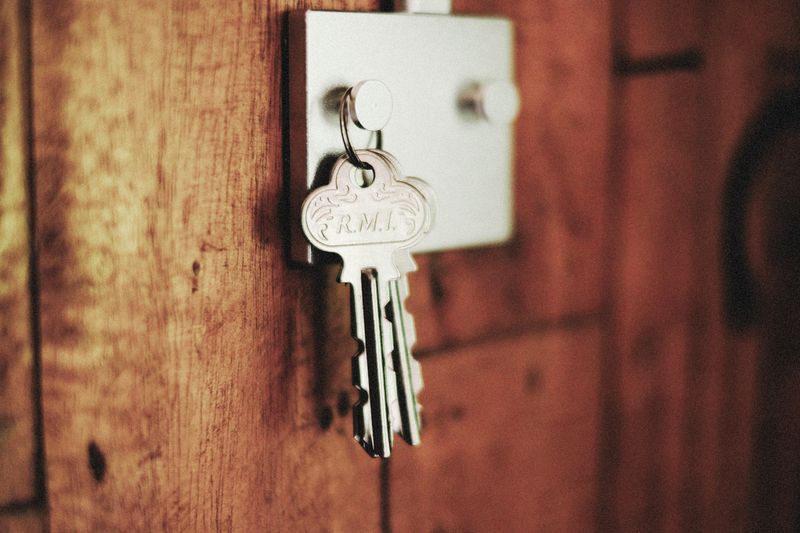
Ever notice how some people frantically search for their belongings every single day?
If you always know where your keys and phone are, you’ve developed what psychologists call object permanence habits.
You’ve assigned specific homes for important items and trained yourself to return them automatically.
This seemingly small habit saves countless hours and eliminates unnecessary stress.
You’re not starting your day in panic mode or arriving late because you couldn’t find your essentials.
It also reflects spatial awareness and consistency in your routines.
Your brain has created efficient pathways that free up mental energy for more important decisions throughout the day.
5. You Rarely Miss Bill Deadlines

Missing payments leads to late fees, damaged credit scores, and unnecessary stress.
If you consistently pay bills on time, you’re demonstrating financial responsibility that many people never develop.
You’ve likely set up systems like automatic payments, calendar reminders, or a specific bill-paying day each month.
This habit protects your financial health and shows forward-thinking behavior.
You understand consequences and take action before problems arise.
It also means you’re tracking your money flow and staying aware of your obligations.
Many adults operate in reactive mode, scrambling when bills arrive, but you’re proactive and in control of your financial timeline.
6. You Keep A Running Grocery Or Errand List

How many times have you returned from the store only to realize you forgot something essential?
Maintaining an ongoing list prevents those frustrating moments.
As soon as you notice you’re running low on something, you add it immediately rather than relying on memory.
This habit demonstrates planning skills and efficiency.
You’re making fewer trips to the store and wasting less time wandering aisles trying to remember what you needed.
It also reduces impulse purchases since you’re shopping with intention.
Your list keeps you focused and prevents the budget-busting that happens when you shop without a plan.
This simple practice saves time, money, and mental energy.
7. You Can Quickly Find Any Document Or Receipt

Tax season reveals who has their life together and who’s drowning in paper chaos.
If you can locate important documents within minutes, you’ve created a filing system that actually works.
Whether digital or physical, your method allows quick retrieval when you need proof of purchase, medical records, or legal papers.
This organization prevents missed warranty claims, tax deductions, and insurance reimbursements.
You’re not losing money because you can’t find paperwork.
It also reduces anxiety during emergencies when you need documents immediately.
While others panic and search frantically, you calmly access what you need because everything has its place and purpose.
8. You Label Or Categorize Storage Spaces

Walking into your storage areas shouldn’t feel like entering a mystery box.
If you’ve labeled bins, drawers, and shelves, you’ve taken organization to a level that requires both effort and foresight.
Labels eliminate guessing games and ensure everyone in your household knows where things belong.
This practice speeds up both storing and retrieving items.
You’re not digging through random boxes or forgetting what you own because it’s buried somewhere.
Categorization also prevents duplicate purchases since you can quickly inventory what you already have.
Your storage system works for you instead of against you, creating efficiency in your daily routines and long-term planning.
9. You Clean As You Go While Cooking Or Working

The difference between a manageable mess and total disaster often comes down to this one habit.
Cleaning as you go means wiping spills immediately, washing utensils while food cooks, and putting ingredients away after using them.
You’re not saving all the work for the end when you’re tired and overwhelmed.
This approach keeps your workspace functional and reduces the mental burden of facing a huge cleanup.
Your environment stays pleasant, which makes tasks more enjoyable.
It also prevents problems like dried-on food or cluttered work surfaces that slow you down.
You’ve trained yourself to maintain order continuously rather than letting chaos build up.
10. You Track Spending Or Budget Without Stress

Financial anxiety often stems from not knowing where your money goes.
If you track spending comfortably, you’ve overcome one of adulthood’s biggest challenges.
You’re not avoiding your bank account or living in denial about your finances.
Your tracking system, whether an app or spreadsheet, gives you clarity and control.
You can spot spending patterns, identify areas to adjust, and make informed decisions about purchases.
This habit prevents the shock of overdrafts and enables you to work toward financial goals.
You’re building wealth awareness that will serve you for life, creating security and reducing money-related stress that plagues so many people.
11. Your Closet Reflects A Logical System, Not Just Aesthetic Neatness

A Pinterest-perfect closet looks nice, but a functional system changes your daily life.
If your closet follows logic—like grouping work clothes together or arranging items by frequency of use—you’ve prioritized practicality over appearance.
You can get dressed quickly because you know exactly where everything is.
This organization reduces decision fatigue and eliminates the frustration of searching for specific items.
Your system reflects how you actually live, not just how you want things to look.
It also helps you maintain your wardrobe better since you can see what you own and what needs attention.
Function and form work together in your space.
12. You Declutter Regularly Instead Of Seasonally

Most people wait until clutter becomes unbearable before tackling it in marathon sessions.
If you declutter continuously—tossing expired items, donating unused things, and reassessing belongings regularly—you’ve prevented accumulation from becoming overwhelming.
You address clutter before it multiplies.
This ongoing approach is less stressful than annual purges and keeps your space consistently functional.
You’re not living with items you don’t need or want.
Regular decluttering also helps you understand your consumption patterns and make better purchasing decisions.
You’re maintaining a home that supports your current life rather than storing remnants of past versions of yourself.
This habit creates lasting peace in your environment.