 MomSkoop

Finding someone who truly loves you means more than butterflies and sweet words.
It means finding a partner who keeps their promises, even when things get hard.
Real love isn’t just about what people say—it’s about what they do every single day.
1. Consistency – They Won’t Disappear, Reappear, or Keep You Guessing About Where You Stand
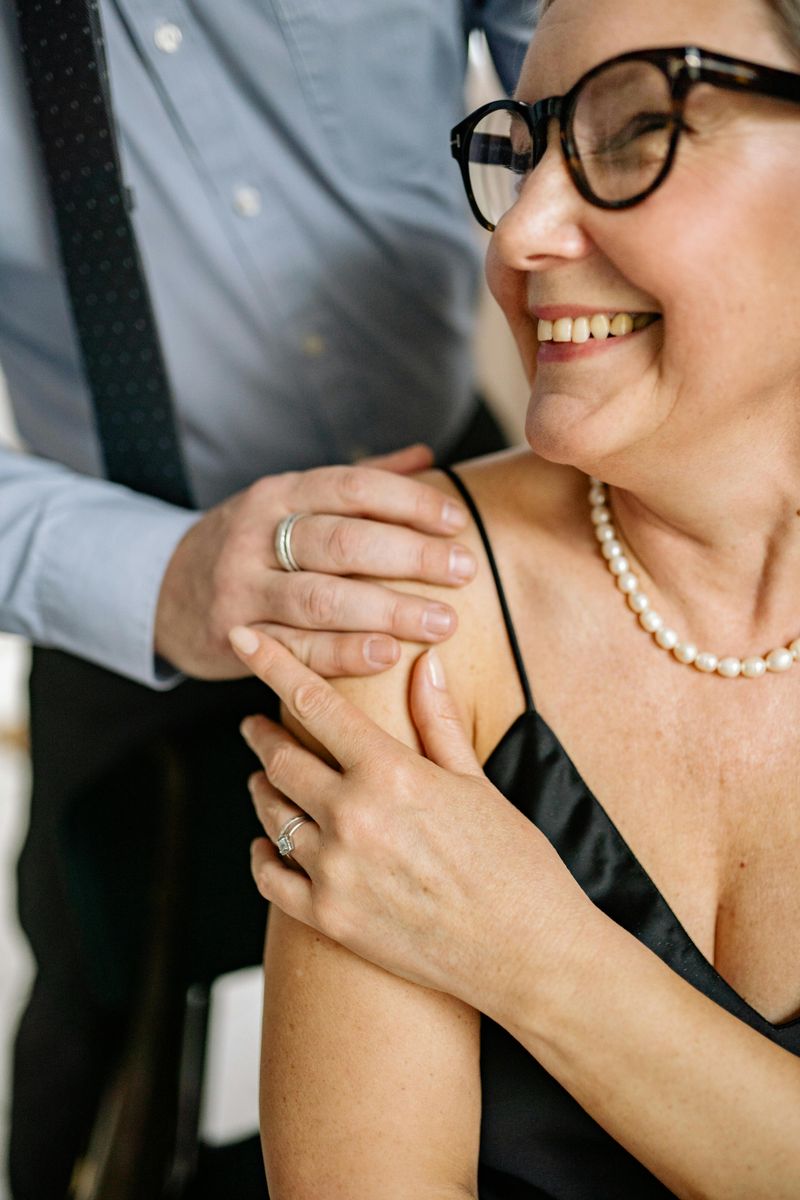
When someone truly cares, you never have to wonder if they still want you around.
Their actions match their words, and their presence feels steady, not confusing.
You won’t spend nights overthinking texts or worrying about sudden silence.
Real partners don’t play games with your emotions or leave you hanging.
They communicate openly and show up reliably, day after day.
Their love doesn’t depend on their mood or convenience.
Knowing where you stand creates peace and security in a relationship.
You deserve someone who makes their intentions crystal clear through consistent effort and attention.
2. Emotional Safety – They Won’t Punish Honesty, Vulnerability, or Feelings

Opening your heart should never feel dangerous.
A true partner welcomes your feelings without judgment, anger, or dismissal.
They create space where you can share fears, dreams, and struggles without worrying about backlash.
Punishing vulnerability destroys trust faster than almost anything else.
When you express yourself, they listen with compassion and respond with care.
Your emotions matter to them, even when those feelings involve difficult topics.
Emotional safety means you can cry, admit mistakes, or express needs without facing criticism or coldness.
Love flourishes when both people feel safe being their authentic selves without fear of emotional punishment or rejection.
3. Respect in Conflict – Disagreements Never Turn Into Insults, Threats, or Silence Used as Control

Arguments happen in every relationship, but how people fight reveals their character.
The right person never resorts to name-calling, threats, or cruel words when upset.
They remember that you’re on the same team, even during disagreements.
Silent treatment and emotional withdrawal are forms of manipulation, not healthy communication.
Real partners work through problems with respect, even when emotions run high.
They fight fair and never weaponize your insecurities or past mistakes.
Respectful conflict resolution strengthens relationships instead of damaging them.
You both deserve to feel heard and valued, especially during tough conversations that test your connection and commitment.
4. Truthfulness – They Won’t Lie to Make Life Easier or to Protect Themselves at Your Expense

Honesty forms the foundation of lasting love.
Your person tells the truth, even when it’s uncomfortable or inconvenient for them.
They understand that small lies erode trust just as much as big ones.
Self-protective lying shows they value their comfort more than your right to know the truth.
A genuine partner faces consequences honestly rather than deceiving you to avoid trouble.
They respect you enough to give you accurate information about situations affecting your life together.
Living with someone truthful brings incredible peace of mind.
You never have to play detective or question their stories because their words align with reality and their actions consistently.
5. Reliability – If They Say They’ll Do Something, You Don’t Have to Chase, Remind, or Beg

Actions speak louder than promises, and reliable people prove this daily.
When your partner commits to something, they follow through without needing constant reminders or pressure.
Their word actually means something concrete.
Chasing someone to keep basic promises is exhausting and demeaning.
You shouldn’t have to nag an adult to do what they already agreed to do.
True partners take responsibility seriously and complete tasks without turning you into their manager.
Reliability shows respect for your time, needs, and the relationship itself.
Someone who consistently follows through demonstrates maturity and genuine care through dependable behavior that builds lasting trust over time.
6. Accountability – When They Mess Up, They Own It Without Deflecting, Minimizing, or Blaming You

Everyone makes mistakes, but mature people take responsibility for theirs.
Your person admits when they’re wrong without making excuses or turning things around on you.
They say sorry and actually mean it.
Deflecting blame or minimizing harm shows emotional immaturity and disrespect.
Phrases like “I’m sorry you feel that way” aren’t real apologies.
Genuine accountability sounds like “I was wrong, I hurt you, and here’s how I’ll do better.”
Partners who own their mistakes create opportunities for healing and growth.
Their willingness to be vulnerable about failures strengthens your bond and shows they value the relationship more than protecting their ego always.
7. Effort – They Won’t Leave All Emotional Labor, Planning, or Fixing to You

Relationships require work from both people, not just one carrying the entire load.
Your partner notices what needs doing and takes initiative without being asked.
They plan dates, remember important details, and actively work on the relationship’s health.
Emotional labor includes checking in, resolving conflicts, and maintaining connections with family.
When one person does everything, resentment builds quickly.
Equal partnership means sharing the mental load of keeping your life together running smoothly.
Someone who puts in effort shows they’re invested in your happiness and the relationship’s success.
They don’t expect you to be the sole relationship manager while they coast along passively.
8. Loyalty – They Won’t Entertain Options, Comparisons, or Behaviors That Undermine Your Trust

Loyalty means choosing your relationship over temptation, every single time.
Your partner doesn’t flirt with others, keep backup options, or engage in shady behavior.
They set clear boundaries with people outside your relationship.
Comparing you to exes or potential partners damages your confidence and security.
Someone truly committed doesn’t window-shop for alternatives or maintain inappropriate connections.
They make you feel chosen, not just convenient.
Trust grows when loyalty is obvious through actions, not just words.
Your person protects your relationship fiercely and never gives you reasons to question their commitment or wonder about their intentions with others.
9. Growth – They Won’t Stay Stagnant While Expecting You to Keep Adapting
Personal growth shouldn’t be one-sided in healthy relationships.
Your partner works on themselves, learns from experiences, and strives to become better.
They don’t expect you to do all the changing while they remain stuck in old patterns.
Stagnation kills relationships slowly but surely.
Someone who refuses to grow often resents partners who do evolve.
Real love involves two people growing together, supporting each other’s development while also working on individual improvements.
Growth means addressing bad habits, healing old wounds, and expanding perspectives.
Your person embraces change and doesn’t use “that’s just how I am” as an excuse to avoid necessary personal development and transformation.
10. Boundaries – They Won’t Cross Your Limits or Mock You for Having Them
Healthy boundaries protect your well-being and deserve respect.
Your partner honors your limits around privacy, time, physical touch, and emotional space.
They never pressure you to compromise values or comfort levels.
Mocking boundaries is a serious red flag that signals disrespect.
Phrases like “you’re too sensitive” or “it’s not a big deal” dismiss your legitimate needs.
True partners ask about your boundaries and adjust their behavior accordingly without complaint.
Setting limits isn’t controlling—it’s self-care.
Someone who loves you understands that boundaries strengthen relationships by ensuring both people feel safe, respected, and valued in the partnership they’re building together daily.
11. Support – Your Wins Aren’t Competition, and Your Lows Aren’t Inconveniences
True partners celebrate your successes genuinely without jealousy or resentment.
They cheer you on during victories and feel proud of your accomplishments.
Your achievements don’t threaten them or spark competition.
Support also means showing up during difficult times without making you feel burdensome.
Your struggles don’t annoy them or make them disappear.
They offer comfort, help, and presence when life gets challenging.
Being there through highs and lows defines real partnership.
Your person understands that life includes both celebration and hardship.
They remain your biggest fan and most reliable support system regardless of circumstances or personal convenience.
12. Presence – When It Matters, They Show Up—Mentally, Emotionally, and Physically

Physical presence means nothing without mental and emotional engagement.
Your partner gives you their full attention during important moments, not just their physical body.
They put down phones, make eye contact, and truly listen.
Showing up means being there for big events, difficult conversations, and ordinary moments alike.
They don’t zone out or make you compete with distractions.
Their mind stays present with you, not wandering elsewhere constantly.
Presence is one of the greatest gifts someone can offer.
When your person shows up completely, you feel seen, heard, and valued.
This full engagement creates deep connection and shows they prioritize you above digital distractions.
13. Choice – They Don’t Treat Loving You Like an Obligation; They Choose You Daily
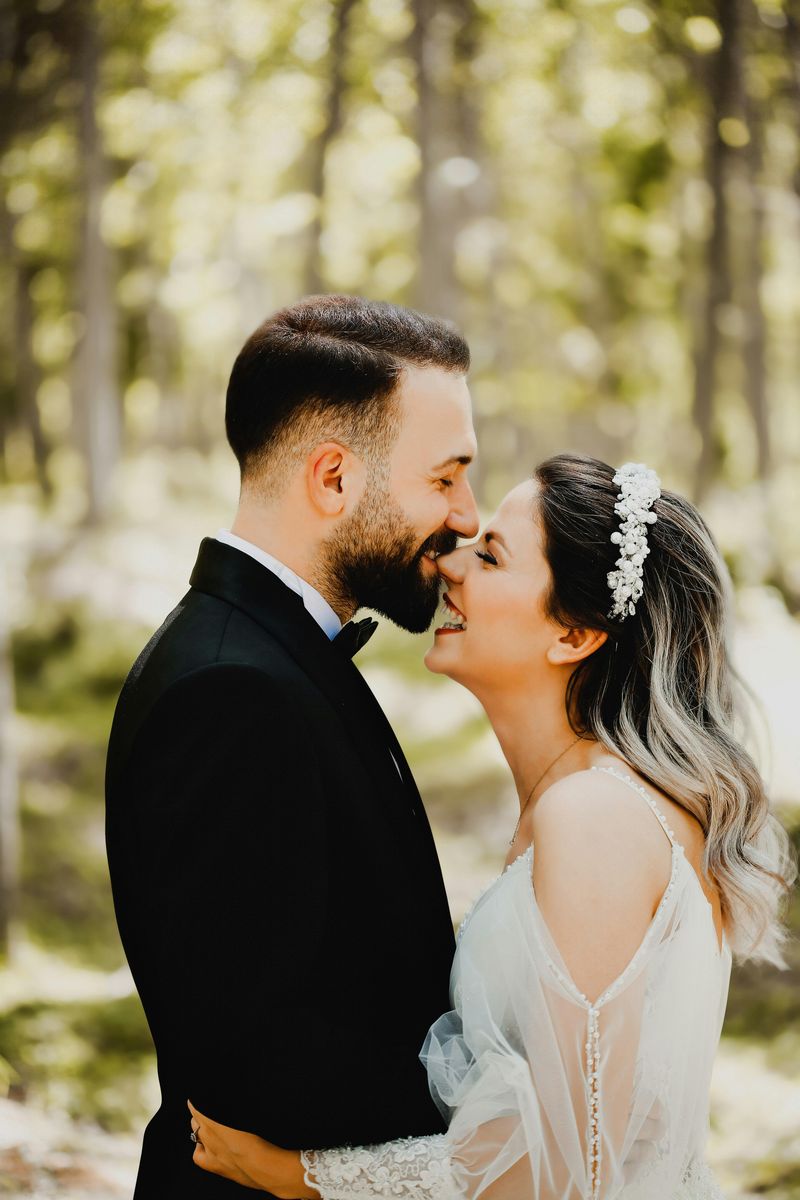
Love should feel like a joyful choice, not a burdensome duty.
Your partner actively chooses you each day, not because they’re stuck or obligated.
Their love comes from genuine desire, not guilt or habit.
Obligation breeds resentment over time, while choice creates passion and commitment.
They don’t act like being with you is a sacrifice or chore.
Instead, they show gratitude for your presence in their life through words and consistent actions.
Daily choice means recommitting to the relationship even when things get tough.
Your person wakes up and decides to love you again, putting in effort because they genuinely want to build a life together, not because they feel trapped.