 MomSkoop
What you eat every day has a bigger impact on how you age than most people realize.
Certain foods can help protect your heart, sharpen your brain, reduce inflammation, and even add years to your life.
Scientists and nutrition experts have studied these foods for decades, and the results are clear: small, consistent changes to your diet can make a huge difference.
Start with these 13 powerhouse foods and give your body the tools it needs to thrive.
1. Leafy Greens (Spinach, Kale, and Friends)
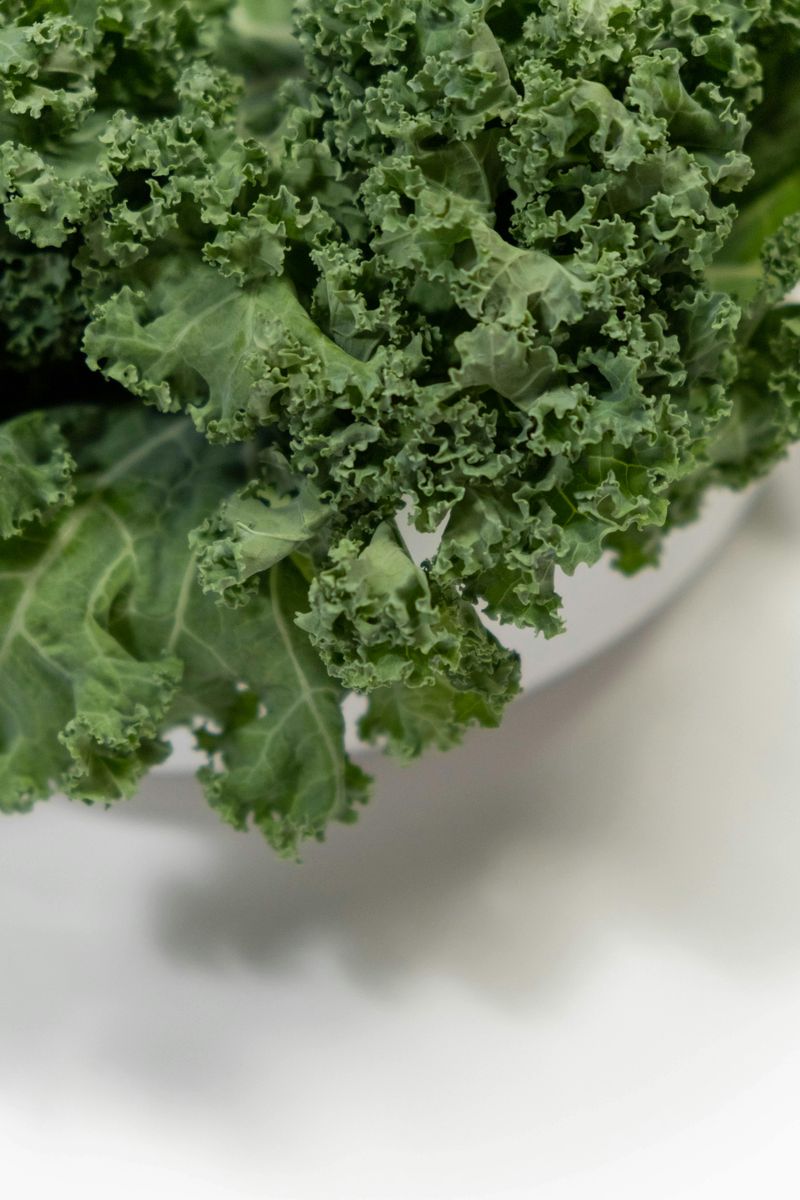
Few foods pack as much nutritional firepower into a single forkful as leafy greens.
Spinach, kale, Swiss chard, and collard greens are loaded with vitamins K, C, and folate, all of which your body needs to stay strong as you get older.
Studies consistently link higher leafy green consumption to lower rates of heart disease, cognitive decline, and certain cancers.
The anti-inflammatory compounds in these vegetables help calm the body at a cellular level.
Toss a handful into smoothies, soups, or stir-fries.
Even small daily servings add up to real, measurable protection against age-related disease over time.
2. Berries (Blueberries, Raspberries, Strawberries)
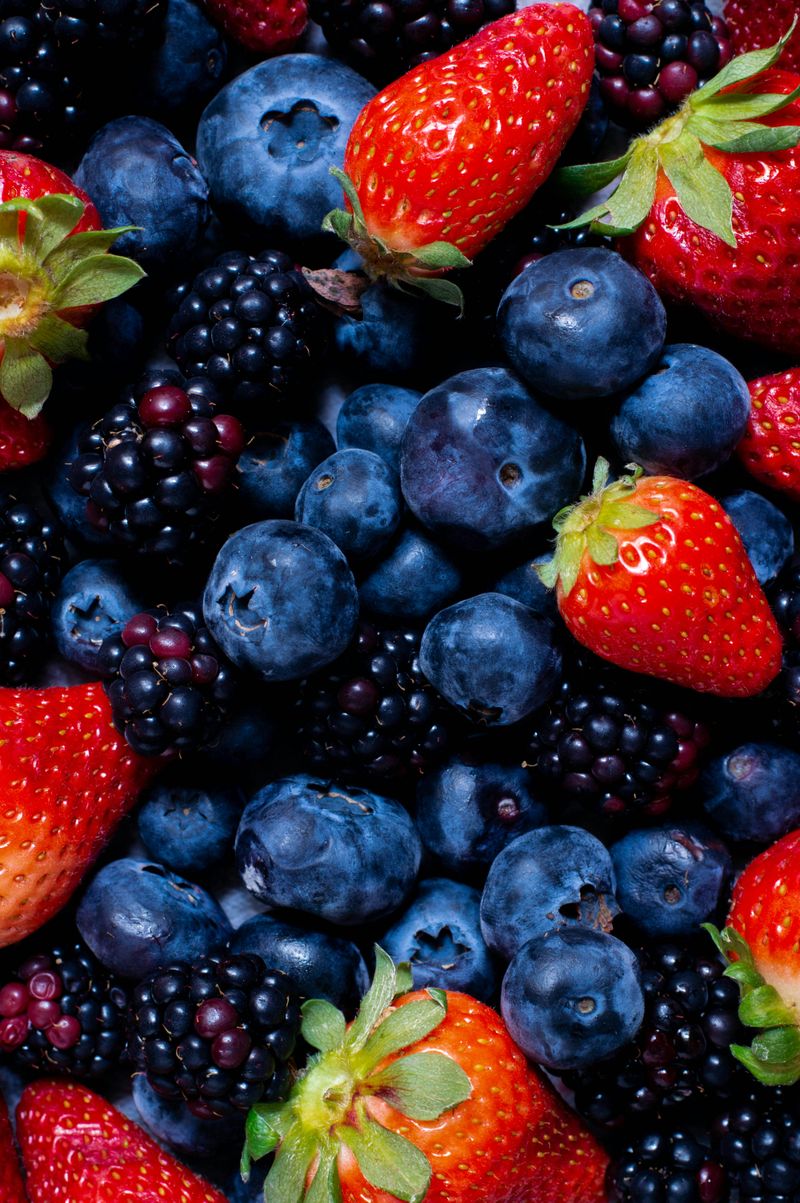
Blueberries have earned a legendary reputation in the nutrition world, and honestly, they deserve every bit of it.
Packed with anthocyanins, the pigments that give berries their deep colors, they act like tiny shields against oxidative stress in your cells.
Oxidative stress is one of the key drivers of aging, contributing to everything from wrinkled skin to heart disease and memory loss.
Raspberries and strawberries bring similar benefits, each with their own unique antioxidant profiles.
Fresh, frozen, or blended into a smoothie, berries are one of the easiest and most delicious upgrades you can make to your daily routine.
3. Nuts (Walnuts, Almonds, Pistachios)
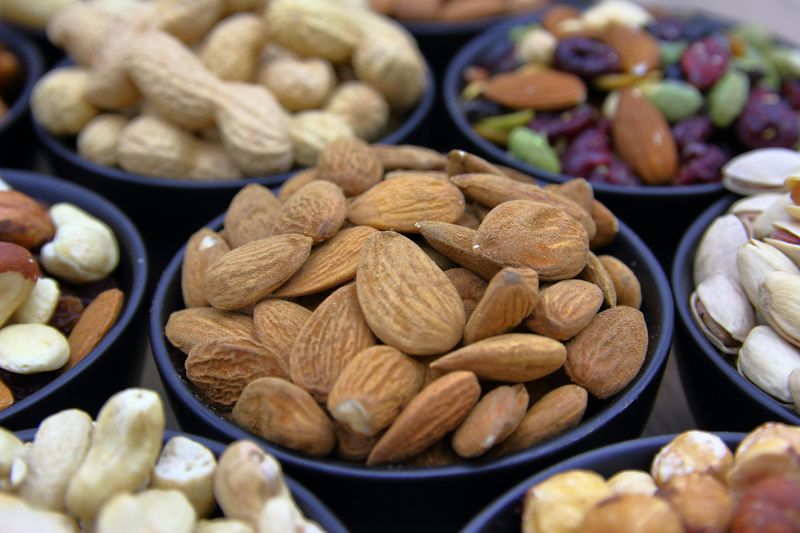
Here is a fun fact: people who eat nuts regularly tend to live longer than those who skip them.
Research published in the New England Journal of Medicine found that daily nut eaters had a significantly lower risk of dying from heart disease, cancer, and respiratory illness.
Walnuts are especially impressive, containing plant-based omega-3 fatty acids that support brain and heart health.
Almonds deliver a hefty dose of vitamin E, while pistachios offer potassium and healthy plant compounds.
A small handful each day is all you need.
Keep a jar on your desk or counter so grabbing them becomes second nature.
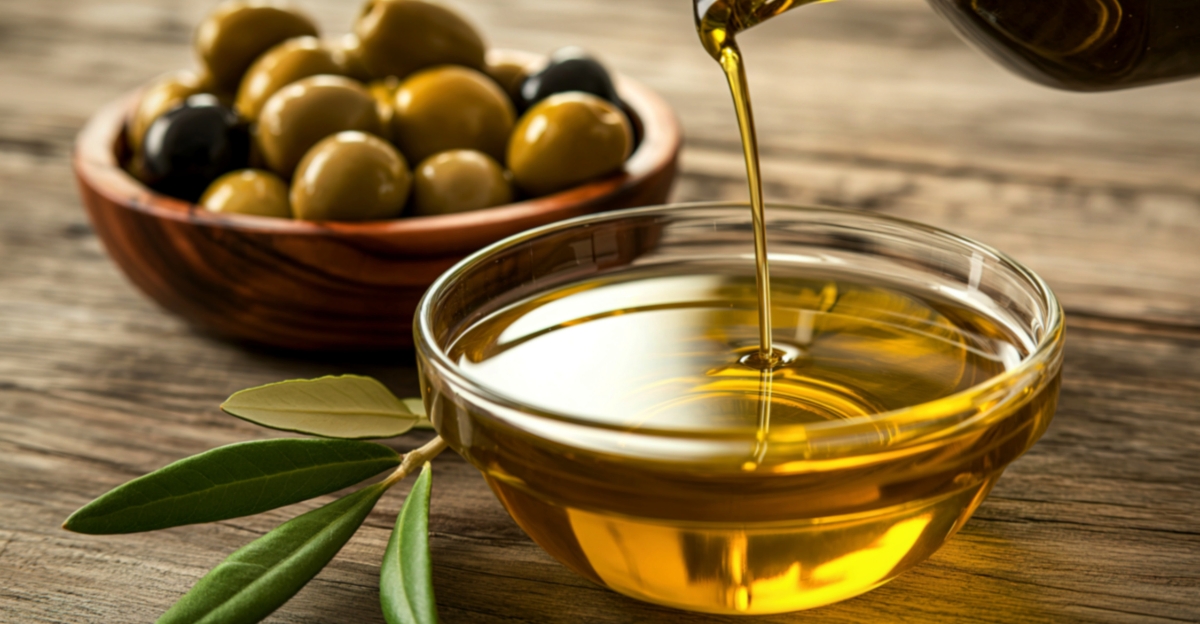
4. Extra Virgin Olive Oil
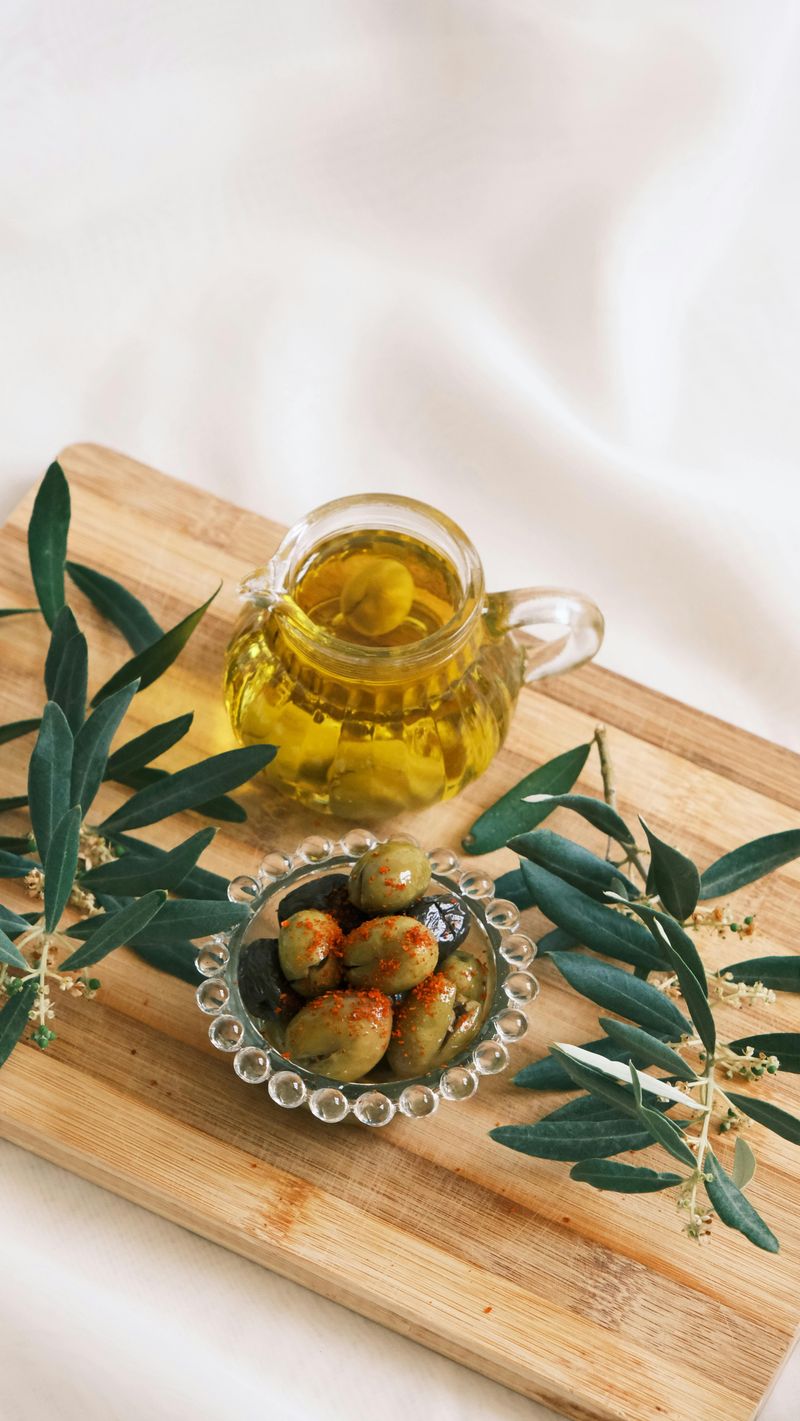
Mediterranean cultures have used olive oil as a dietary staple for thousands of years, and modern science has finally caught up with why that matters.
Extra virgin olive oil is rich in monounsaturated fats and powerful polyphenols that protect blood vessels, reduce inflammation, and support healthy cholesterol levels.
A landmark study called PREDIMED found that people who consumed olive oil daily had a dramatically lower risk of cardiovascular events compared to those on a low-fat diet.
Swap butter for olive oil when cooking, drizzle it over roasted vegetables, or use it as a base for homemade salad dressings to unlock its full benefits.
5. Whole Grains (Oats, Quinoa, Brown Rice)
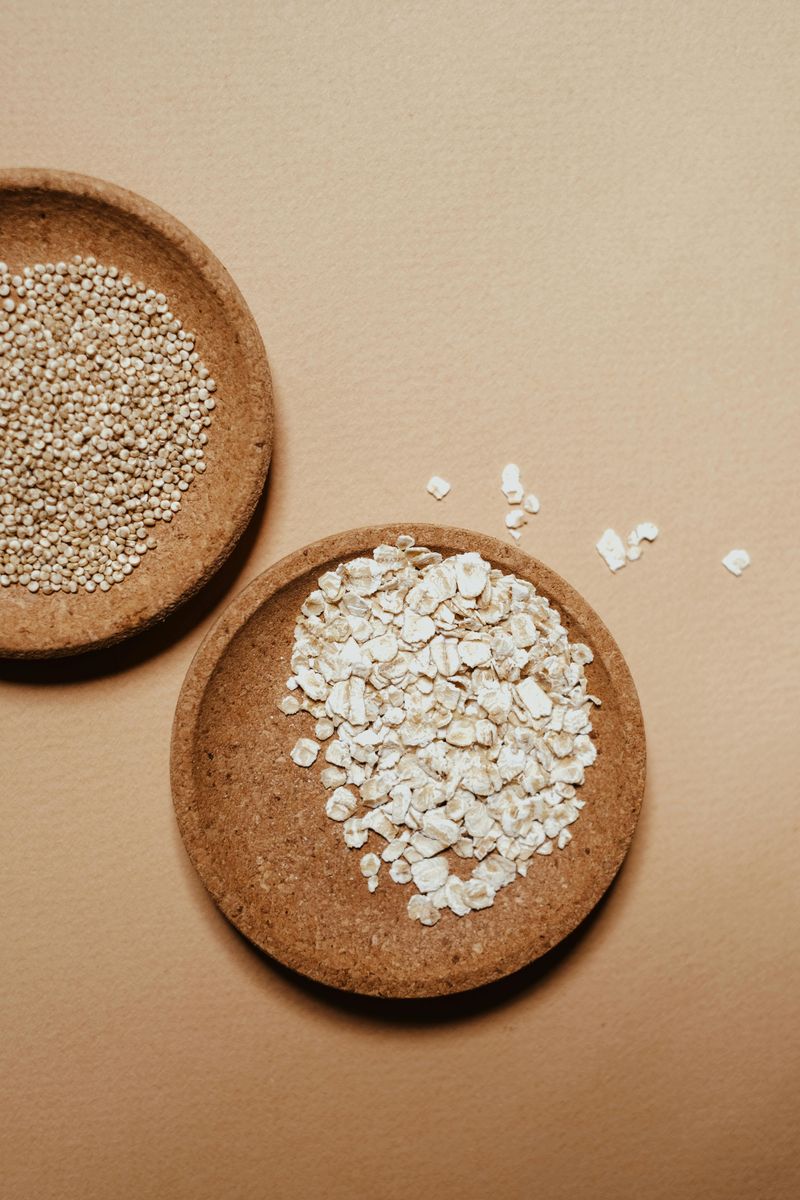
Whole grains are the unsung heroes of a long, healthy life.
Unlike refined grains stripped of their bran and germ, whole grains retain fiber, B vitamins, iron, and magnesium, nutrients that keep your heart, gut, and metabolism running smoothly.
Eating oatmeal for breakfast, for example, has been shown to lower LDL cholesterol, the kind linked to artery-clogging plaque.
Quinoa offers a complete protein profile, making it a standout choice for plant-focused eaters.
Brown rice supports steady blood sugar levels throughout the day.
Swapping just one refined grain per day with a whole grain alternative can meaningfully reduce your long-term disease risk.
6. Legumes and Beans (Lentils, Chickpeas, Black Beans)
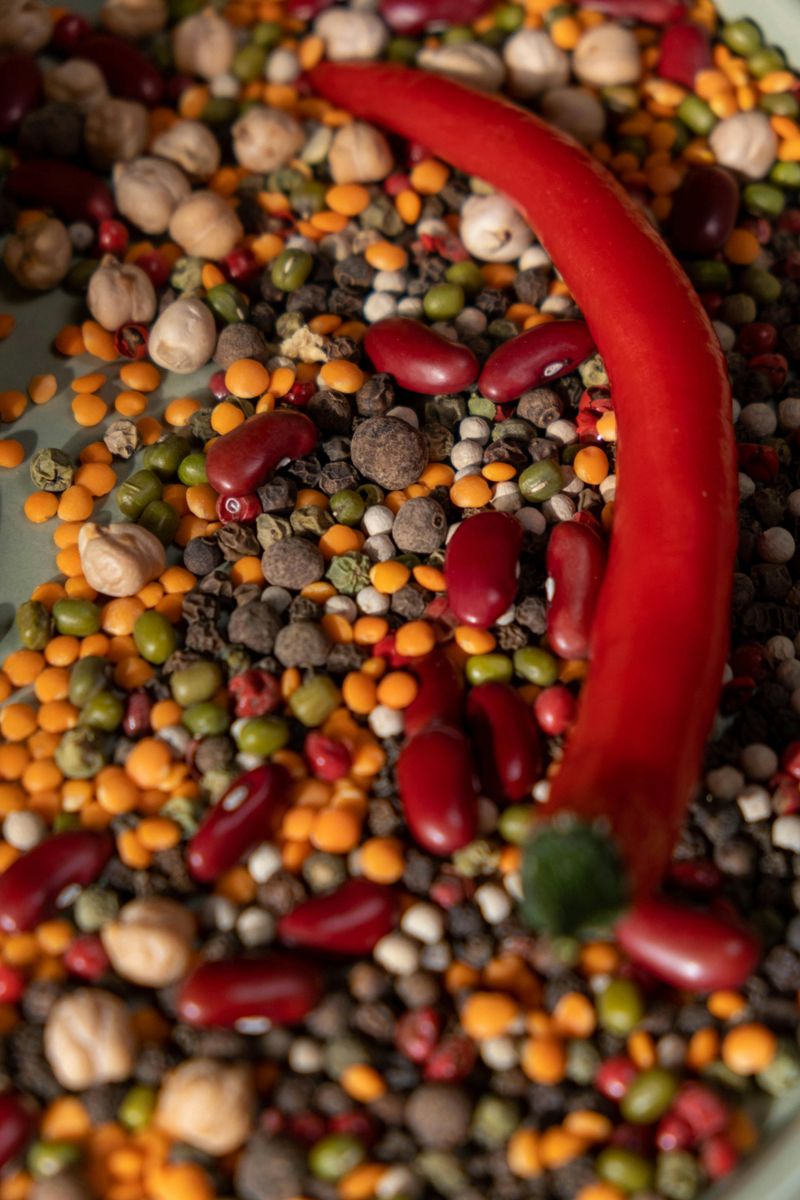
Researchers studying the world’s longest-lived populations, known as Blue Zones, discovered one food that showed up in almost every culture: beans.
Whether it is lentils in Sardinia, black beans in Costa Rica, or chickpeas in Greece, legumes are a cornerstone of diets tied to exceptional longevity.
They deliver plant-based protein, soluble fiber, and slow-digesting carbohydrates that stabilize blood sugar and feed beneficial gut bacteria.
That gut connection matters, because a healthier microbiome is increasingly linked to lower inflammation and better immune function.
Add beans to soups, grain bowls, or tacos.
They are affordable, filling, and genuinely one of the best foods for aging well.
7. Fatty Fish (Salmon and Sardines)
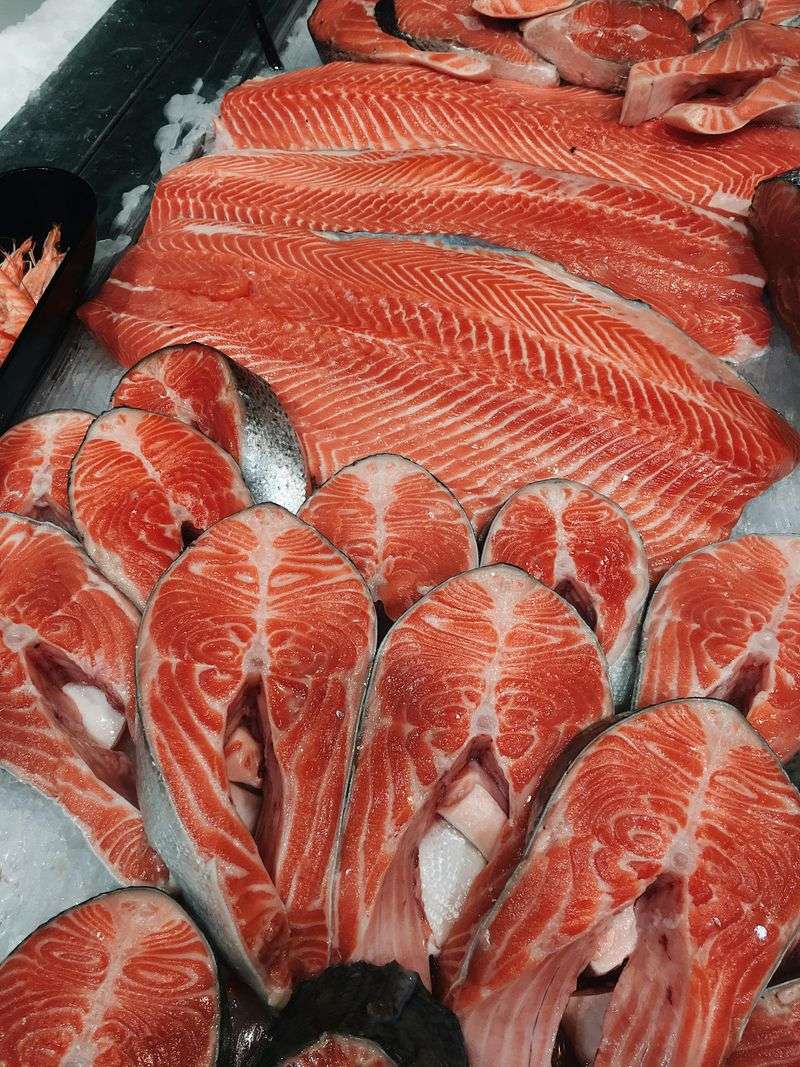
Your brain is about 60 percent fat, and a significant portion of that fat is made up of omega-3 fatty acids, specifically the kind found abundantly in fatty fish.
Salmon, sardines, mackerel, and trout are among the richest dietary sources of EPA and DHA, the omega-3s most closely linked to cardiovascular and cognitive health.
Regular fish consumption has been associated with slower brain aging, reduced triglycerides, and lower risk of stroke.
Sardines also deserve a spotlight moment, since they are loaded with calcium, vitamin D, and B12 in addition to omega-3s.
Aim for at least two servings of fatty fish per week for lasting benefits.
8. Green Tea
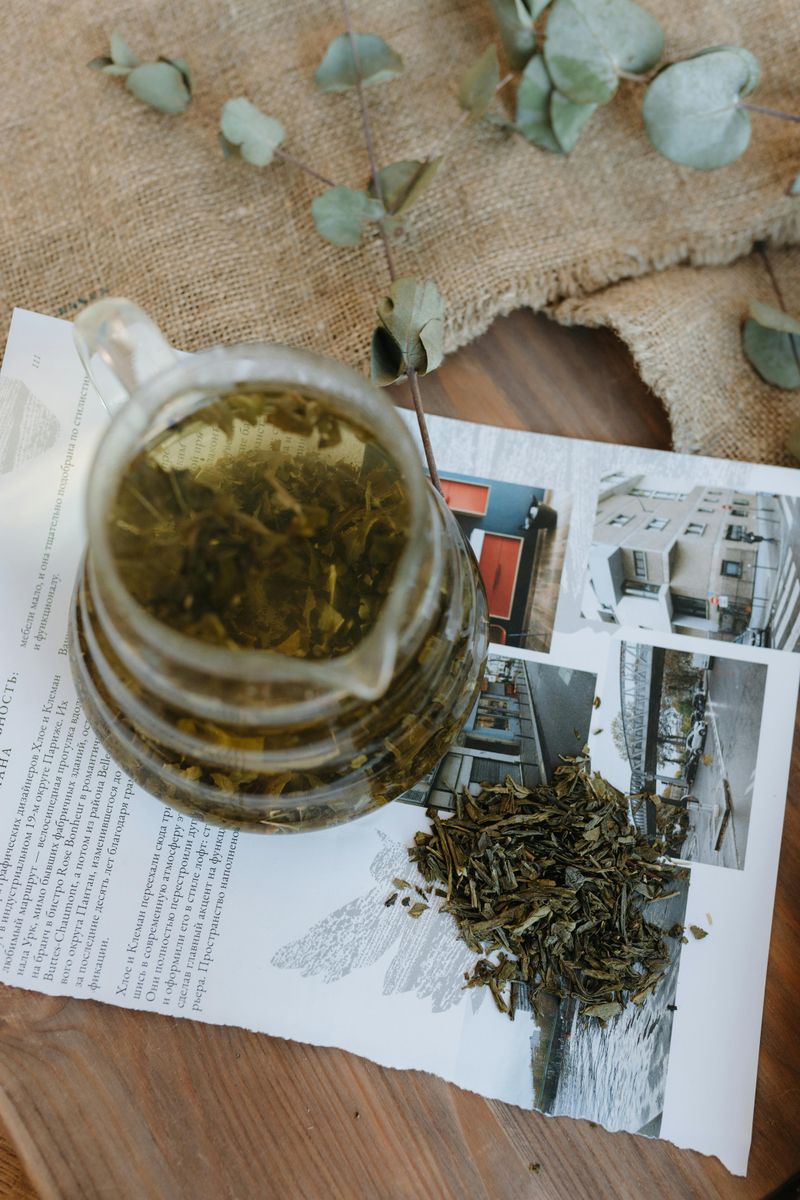
Green tea has been sipped in Japan for over a thousand years, and the country’s remarkable longevity statistics are at least partly credited to this habit.
The magic lies in catechins, a class of antioxidants found in high concentrations in green tea leaves.
Catechins, especially one called EGCG, have been shown to activate longevity pathways in cells, reduce chronic inflammation, and protect against age-related cognitive decline.
Some studies suggest regular green tea drinkers have lower risks of heart disease and certain cancers.
Swapping your afternoon coffee for a cup of green tea is a small, pleasant shift that could pay off significantly over the years.
9. Garlic
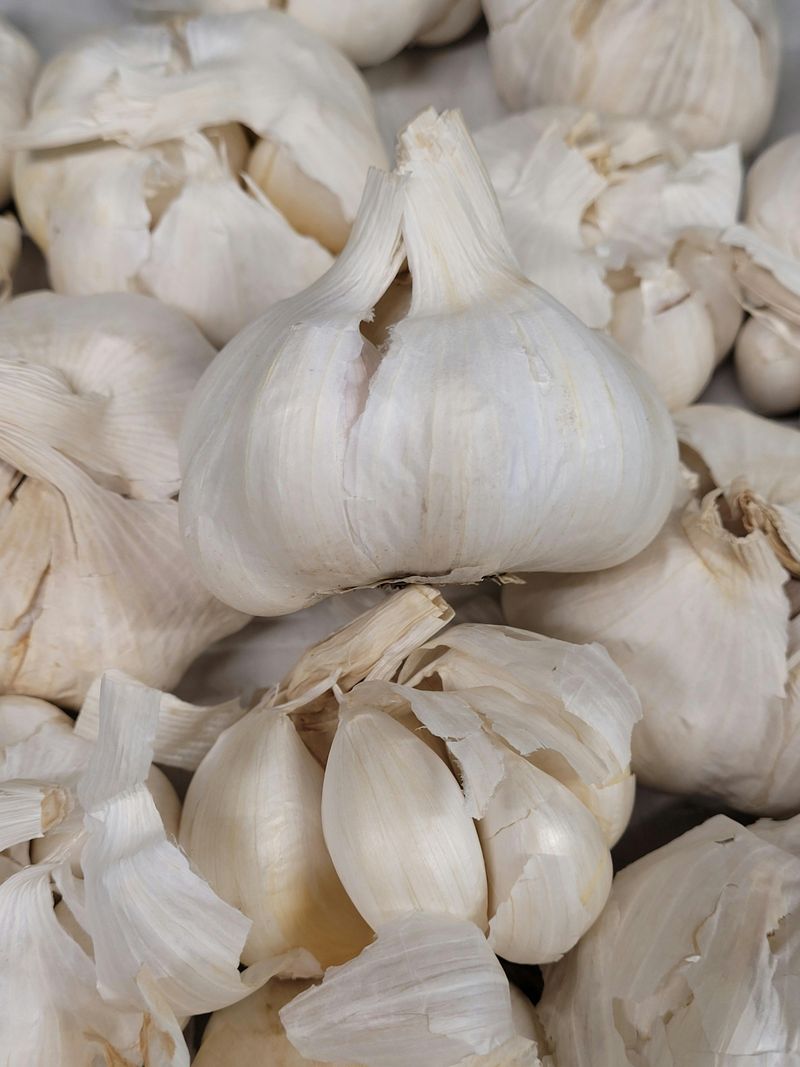
Do not let its humble appearance fool you.
Garlic is one of the most medicinally studied foods on the planet, with a history of use as both a flavoring and a healing agent going back to ancient Egypt.
When garlic is chopped or crushed, it releases allicin, a sulfur compound with potent antibacterial, antiviral, and anti-inflammatory properties.
Research links regular garlic consumption to lower blood pressure, improved cholesterol levels, and stronger immune response, all critical factors in healthy aging.
Let chopped garlic sit for ten minutes before cooking to maximize allicin production.
Then add it freely to sauces, roasted vegetables, soups, and marinades.
10. Tomatoes
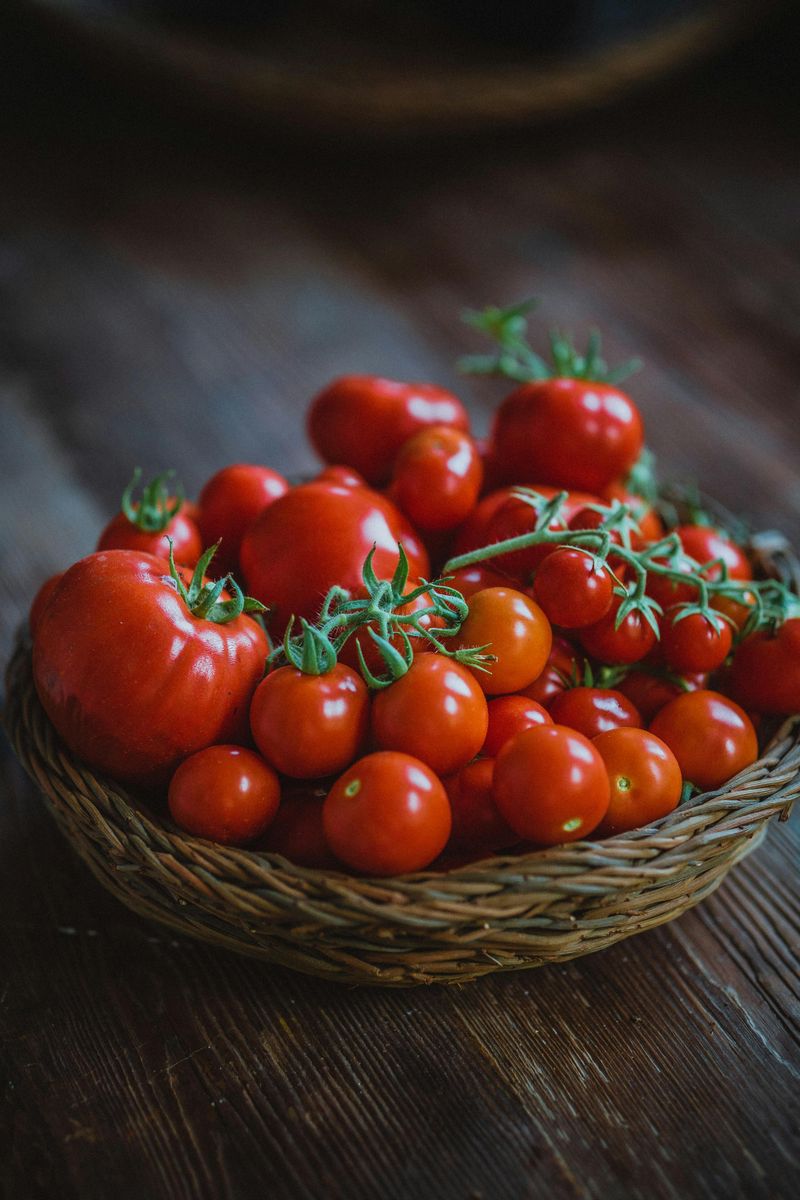
Tomatoes contain a phytochemical called lycopene that gives them their rich red color and may be one of the most protective plant compounds for the aging body.
Lycopene is a powerful antioxidant that has been linked to reduced risk of prostate cancer, heart disease, and macular degeneration, a leading cause of vision loss in older adults.
Interestingly, cooking tomatoes actually increases the bioavailability of lycopene, so tomato paste, marinara sauce, and roasted tomatoes deliver even more of this compound than raw slices.
Pair tomatoes with a drizzle of olive oil to further boost lycopene absorption, since it is fat-soluble and needs dietary fat to be fully used.
11. Avocado
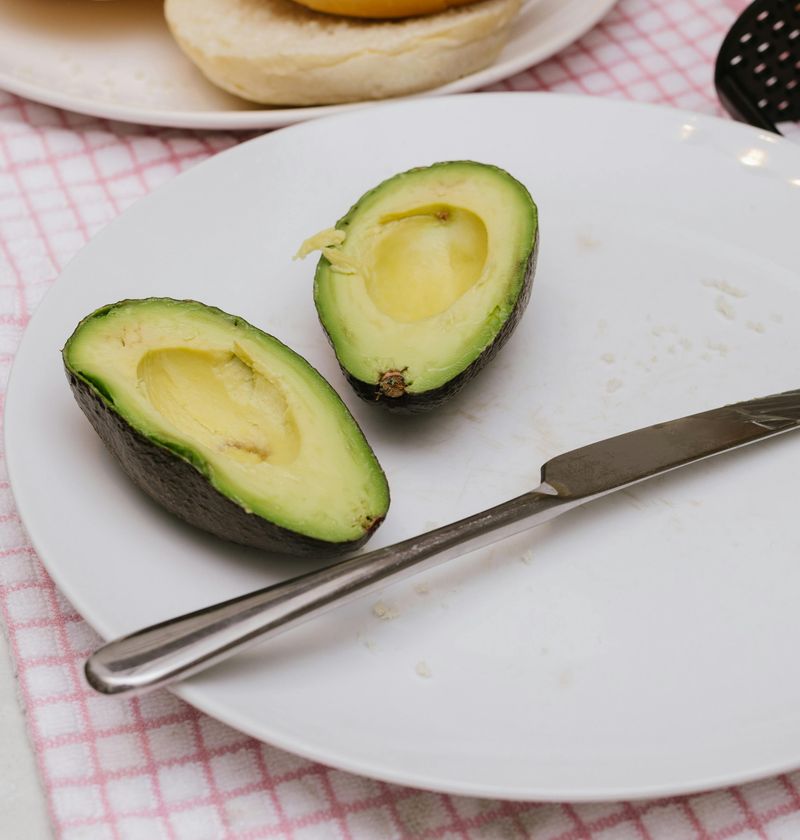
Creamy, satisfying, and surprisingly nutrient-dense, avocado has become a modern dietary staple for good reason.
One avocado contains nearly 20 different vitamins and minerals, including potassium, folate, vitamin K, and vitamin E, all nutrients that tend to become harder for the body to absorb as we age.
The monounsaturated fats in avocado support healthy cholesterol levels and help the body absorb fat-soluble nutrients from other foods eaten alongside it.
Think of it as a nutrient booster for your entire meal.
Spread it on whole-grain toast, blend it into smoothies, or slice it over salads.
Avocado earns its place at the table every single day.
12. Fermented Foods (Yogurt, Kefir, Kimchi)

Your gut is home to trillions of bacteria, and keeping that community balanced is one of the most underrated strategies for aging well.
Fermented foods like yogurt, kefir, kimchi, sauerkraut, and miso introduce beneficial live bacteria, called probiotics, directly into your digestive system.
A healthier gut microbiome is linked to reduced systemic inflammation, better immune function, improved mood, and even sharper cognitive performance as you age.
Kefir, in particular, contains a wider variety of probiotic strains than most yogurts.
Start with a small serving daily to let your gut adjust, then build up.
Your body will likely respond with more energy and less digestive discomfort over time.
13. Seeds (Chia and Flaxseeds)
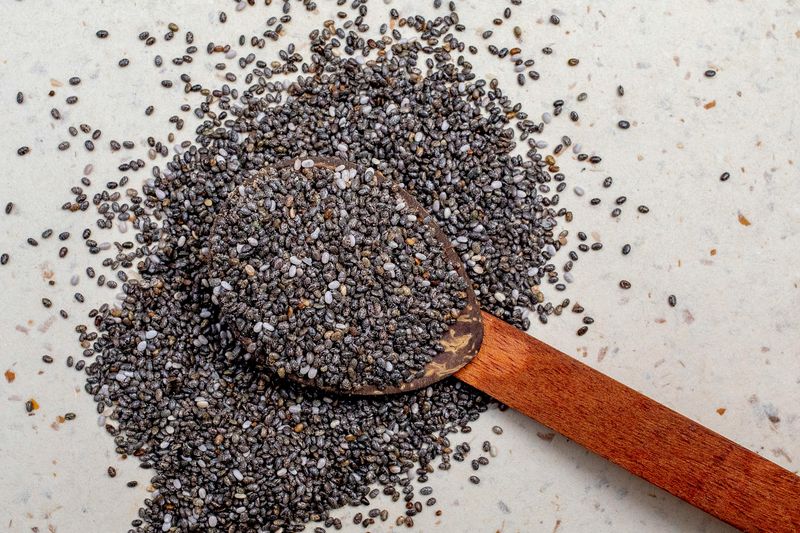
Tiny but mighty, chia and flaxseeds punch well above their weight when it comes to nutritional value.
Both are exceptional sources of plant-based omega-3 fatty acids, soluble fiber, and lignans, a type of antioxidant compound that has been linked to reduced risk of hormone-related cancers and improved heart health.
Just two tablespoons of ground flaxseed delivers a meaningful dose of fiber that feeds good gut bacteria and helps regulate cholesterol.
Chia seeds absorb liquid and form a gel that slows digestion, keeping blood sugar stable and hunger at bay.
Stir them into oatmeal, blend into smoothies, or mix into yogurt.
These seeds are a no-fuss, high-reward addition to any aging-well strategy.