 MomSkoop
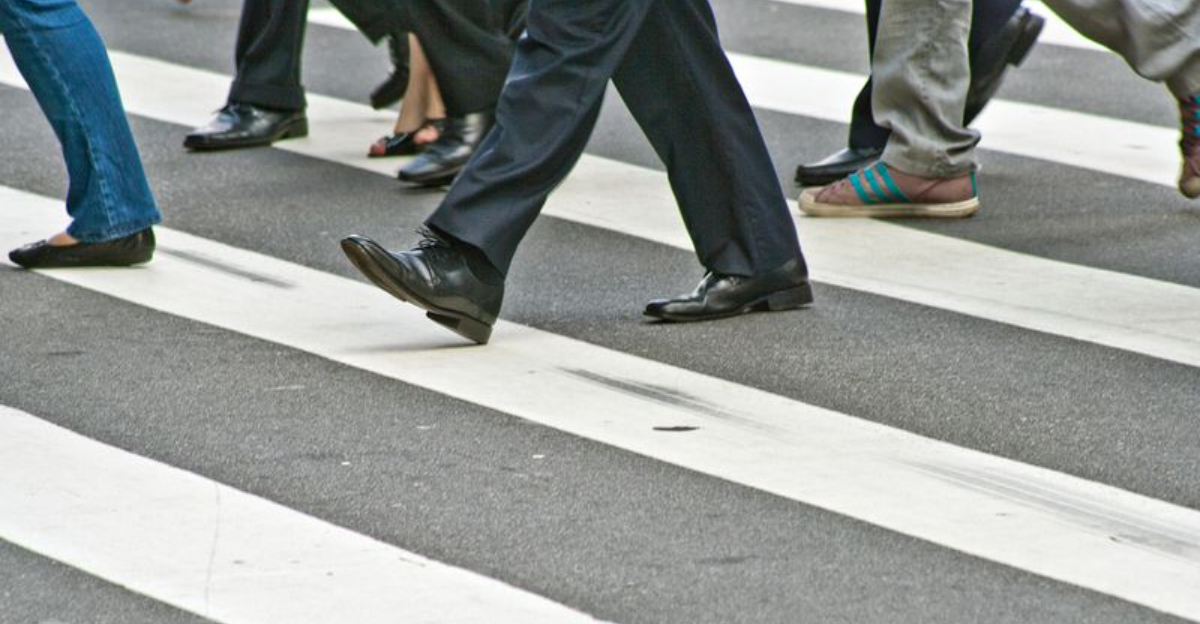
You know that awkward little jog you do when a car stops for you at a crosswalk?
The one where you’re half-running, half-shuffling, maybe even throwing in a little wave or apologetic smile?
It turns out this quirky habit reveals a lot about your personality.
People who do the crosswalk jog share some surprisingly common traits that go beyond just good manners.
1. You’re Naturally Polite in Almost Every Situation

Politeness isn’t just something you turn on and off.
For you, it’s woven into nearly every interaction, even ones as quick as crossing a street.
When a driver pauses to let you pass, your instinct is to acknowledge their kindness with that signature jog.
This behavior shows respect for other people’s time and effort.
You genuinely appreciate when someone does something nice, no matter how small.
Your manners aren’t forced or fake—they’re automatic.
Friends probably describe you as considerate and thoughtful.
You hold doors open, say thank you to cashiers, and remember to send birthday cards.
The crosswalk jog is just one more way your politeness shines through in everyday life.
2. Mild Awkwardness Follows You Around

That slightly uncomfortable feeling when all eyes are on you?
Yeah, you know it well.
Crossing the street while a car waits feels like being on stage, and you’re not exactly loving the spotlight.
The awkward jog is your way of dealing with this uncomfortable moment.
It fills the silence and gives you something to do with your body.
Standing still would feel even weirder, so you move faster to escape the attention.
You probably experience similar awkwardness in other situations too—like when people sing happy birthday to you or when you have to walk across a quiet room.
These moments aren’t terrible, but they’re definitely not your favorite either.
3. You Really Don’t Want to Inconvenience Anyone
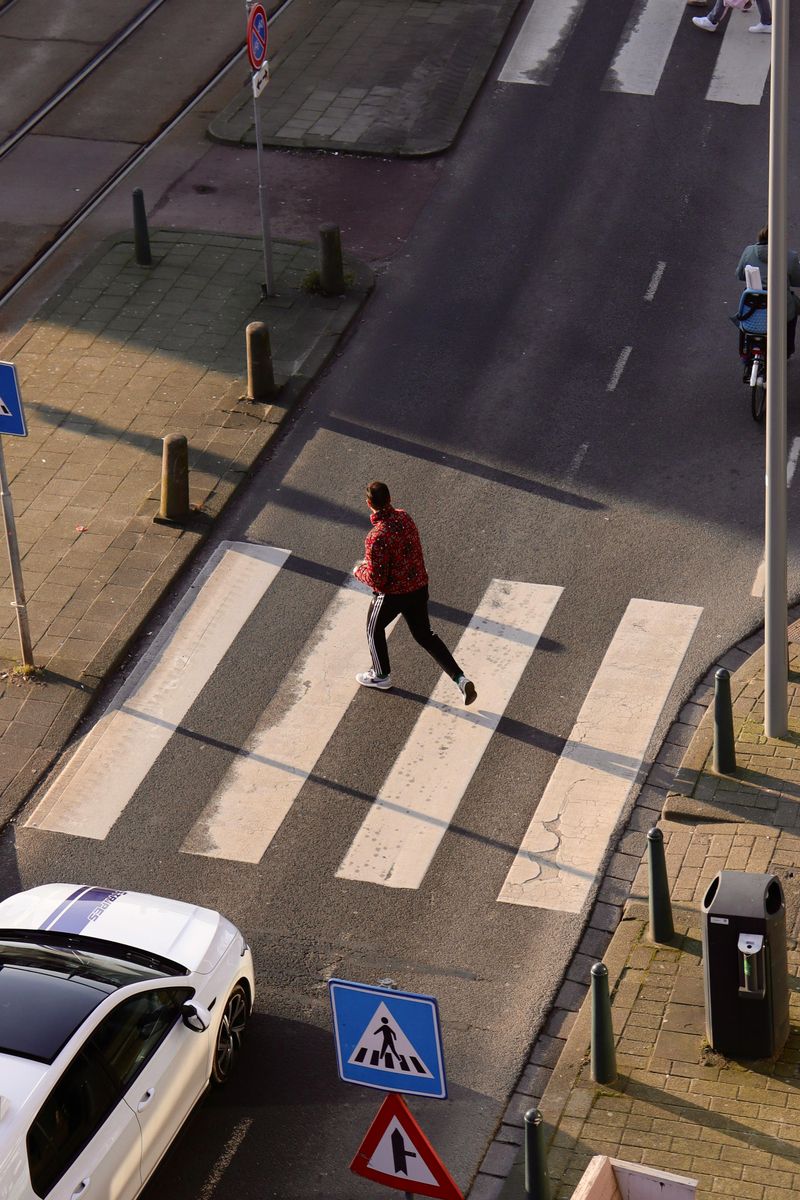
Making someone wait, even for a few seconds, genuinely bothers you.
When that car stops at the crosswalk, you immediately think about the driver’s time and don’t want to waste a single moment of it.
Your crosswalk jog is basically an apology in motion.
It says, “I’m so sorry you had to stop—I’ll be as quick as possible!” This mindset extends to other areas of your life too.
You probably apologize more than necessary and feel guilty about asking for help.
Taking up space or time feels wrong somehow.
While being considerate is admirable, remember that you deserve to exist without constantly minimizing yourself for others’ comfort.
4. It’s Become Such an Ingrained Habit

At this point, you don’t even think about doing the crosswalk jog—it just happens.
Your body goes into automatic mode the second you step off the curb with a waiting car nearby.
Habits form through repetition, and you’ve probably done this hundreds or even thousands of times.
It’s like brushing your teeth or putting on your seatbelt.
The action requires zero conscious thought anymore.
Breaking this habit would actually feel strange now.
Walking at a normal pace across the street while someone waits would make you incredibly uncomfortable.
Your brain has created a strong connection between “car waiting” and “must jog,” and that’s just how things work now.
5. Anxiety Plays a Role in Your Daily Life

Did you know that simple social situations can trigger anxious feelings?
The crosswalk scenario—with a driver watching and possibly judging—creates just enough stress to make you want to rush through it.
Your jog is partly about reducing that anxious energy.
Moving quickly helps you escape the situation faster, which your brain interprets as safer.
The faster you move, the sooner the uncomfortable feeling ends.
You might notice similar anxiety patterns in other everyday moments.
Ordering at restaurants, making phone calls, or speaking up in meetings could all trigger that same “get through this quickly” response.
Recognizing these patterns is the first step toward managing them better.
6. Social Self-Consciousness Shapes Your Actions

You’re constantly aware of how others might perceive you.
At the crosswalk, you imagine the driver thinking about whether you’re fast enough, polite enough, or grateful enough for them stopping.
This self-consciousness drives the awkward jog.
You want to look like a good, considerate person, so you perform the action that demonstrates those qualities.
It’s social theater on a tiny scale.
Being self-conscious isn’t all bad—it means you care about your impact on others.
However, it can become exhausting when you’re always monitoring yourself through an imaginary audience’s eyes.
Sometimes you deserve to just exist without worrying about everyone’s opinions.
7. You Have a Strong Desire to Seem Appreciative
Gratitude matters deeply to you.
When someone extends a courtesy—like stopping their car so you can cross—you want them to know you’re thankful.
Words aren’t always possible, so your body language does the talking.
The crosswalk jog communicates appreciation without requiring a conversation.
It’s your physical “thank you” that shows you recognize and value their kindness.
This need to express gratitude probably shows up elsewhere too.
You likely write thank-you notes, bring gifts when invited to someone’s home, and go out of your way to acknowledge people’s efforts.
Being appreciative is a beautiful quality that makes others feel seen and valued, which strengthens your relationships.
8. Fear of Being Judged as Slow or Inconsiderate

What if the driver thinks you’re rude?
What if they’re annoyed that you’re taking too long?
These worries flash through your mind in the seconds it takes to cross the street.
Your jog is armor against potential criticism.
By moving quickly, you eliminate any chance of being seen as someone who doesn’t care about other people’s time.
The fear of negative judgment motivates you more than you’d like to admit.
This same fear probably influences other decisions too.
You might arrive early to everything, overprepare for meetings, or double-check your work obsessively.
While these habits can be helpful, they can also be tiring when driven primarily by fear rather than genuine care.
9. Impatience to Get Across Quickly
Standing in the middle of the street just feels wrong.
There’s something about being in that in-between space—no longer on the sidewalk but not yet safe on the other side—that makes you want to move faster.
Your impatience isn’t about being rude; it’s about efficiency and safety.
The quicker you cross, the sooner the driver can continue, and the sooner you’re out of potential danger.
It’s practical thinking in action.
This impatience likely extends to other waiting situations.
Long lines, slow internet, or delayed responses might all trigger similar feelings.
You value your time and prefer when things move at a good pace, which isn’t unreasonable at all.
10. People-Pleasing Instinct Guides Your Behavior
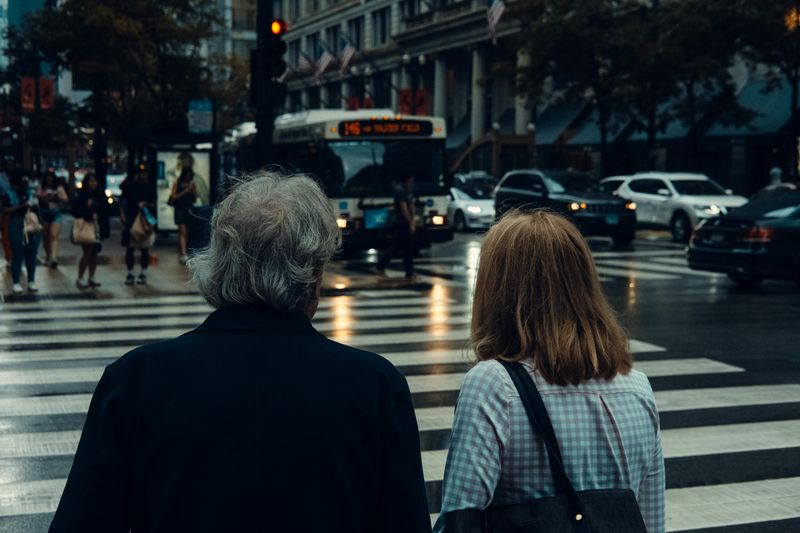
Making others happy often takes priority over your own comfort.
At the crosswalk, pleasing the driver by moving quickly feels more important than walking at your natural pace, even though you have the right of way.
This people-pleasing tendency runs deep.
You probably say yes when you want to say no, laugh at jokes that aren’t funny, and adjust your opinions based on who’s listening.
It’s exhausting but feels necessary.
The crosswalk jog is just one tiny example of how you put others first.
While kindness is wonderful, constantly sacrificing your own needs for everyone else’s approval can lead to resentment and burnout.
Your needs matter too.
11. Overthinking Small Interactions Comes Naturally
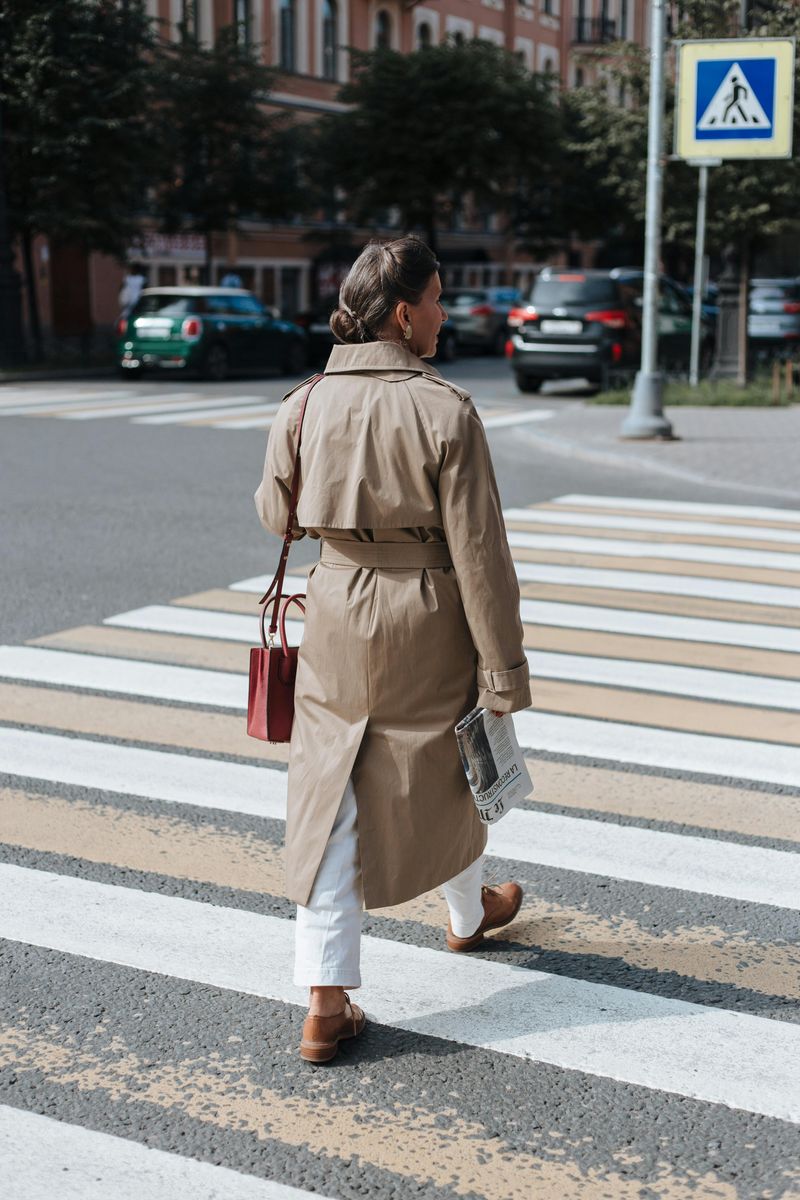
A simple crosswalk moment turns into a complex analysis in your mind.
Should you wave?
Smile?
Jog or walk?
Make eye contact or look away?
What will the driver think about your choice?
Most people cross the street without this mental commentary, but your brain treats every interaction like a puzzle to solve.
You consider multiple angles and possible outcomes for even the smallest social exchanges.
This overthinking probably happens in other areas too—replaying conversations, analyzing text messages, or worrying about things you said days ago.
While being thoughtful is good, sometimes a crosswalk is just a crosswalk, and not every moment needs deep analysis.
12. Automatic Social Script Reflex Kicks In
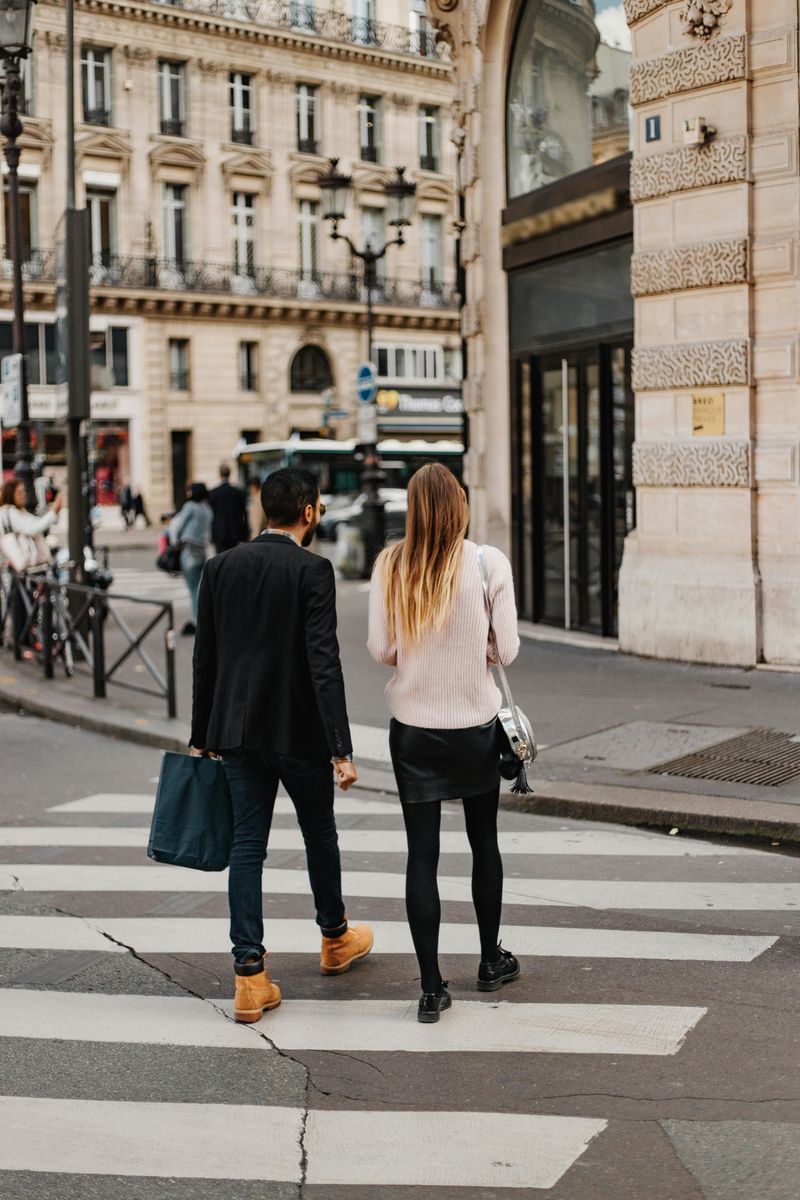
Society has unwritten rules for countless situations, and you’ve memorized them all.
The crosswalk jog is part of your social script—the expected behavior that keeps interactions smooth and predictable.
Following these scripts feels safe and comfortable.
You know what to do, the driver knows what to expect, and everything proceeds without awkwardness or confusion.
It’s social choreography that everyone understands.
You probably follow other social scripts too—saying “fine” when asked how you are, holding elevators for people running toward them, or apologizing when someone bumps into you.
These automatic responses help navigate the world, though occasionally breaking the script and being authentic can be refreshing too.