 MomSkoop

Some people feel most alive when they’re surrounded by crowds, noise, and constant activity. But for others, the best moments happen in quiet rooms, solo adventures, and unhurried thoughts.
If you often find yourself craving solitude, dreading small talk, or feeling exhausted after social events, you might be a deeply introverted person. Read on to see if these 13 relatable habits sound a little too familiar.
1. You Cancel Plans and Instantly Feel Relieved

That rush of relief when a plan gets canceled?
For deeply introverted people, it feels like taking off a heavy backpack after a long hike.
It’s not that you dislike the people you made plans with — it’s that the idea of going out required more energy than you had to give.
Introverts often agree to plans while feeling optimistic, only to dread them as the day gets closer.
When something falls through, the sudden freedom feels genuinely wonderful.
That relief is your mind’s honest signal about what it actually needs.
Recognizing this pattern can help you set healthier boundaries and say yes only when you truly mean it.
2. Alone Time Is Your Recovery Method After Socializing

Imagine running a marathon and then immediately being asked to run another one.
That’s roughly what back-to-back social events feel like for a deeply introverted person.
Socializing, even when fun, uses up a specific kind of mental and emotional energy that needs to be refilled.
For introverts, alone time isn’t laziness — it’s maintenance.
Quiet evenings, solo walks, or simply sitting in a room without anyone talking to you can feel genuinely restorative.
It’s how your brain recharges its batteries.
Science actually backs this up.
Studies suggest introverts process social stimulation more deeply, which explains why they need more downtime to recover than their extroverted friends do.
3. Phone Calls Feel Like an Unexpected Pop Quiz

Most deeply introverted people would rather send a carefully worded text than pick up the phone — even for a quick question.
Phone calls demand real-time responses, and that pressure can feel surprisingly overwhelming.
There’s no time to think, edit, or pause without it feeling awkward.
Texts and emails give introverts the space to gather their thoughts before responding, which feels far more comfortable.
It’s not shyness — it’s a preference for communication that matches their thoughtful, deliberate style.
If you let calls go to voicemail and then text back instead, you’re in very good company.
Many successful, confident introverts handle communication the exact same way every single day.
4. You Rehearse Conversations Before They Happen
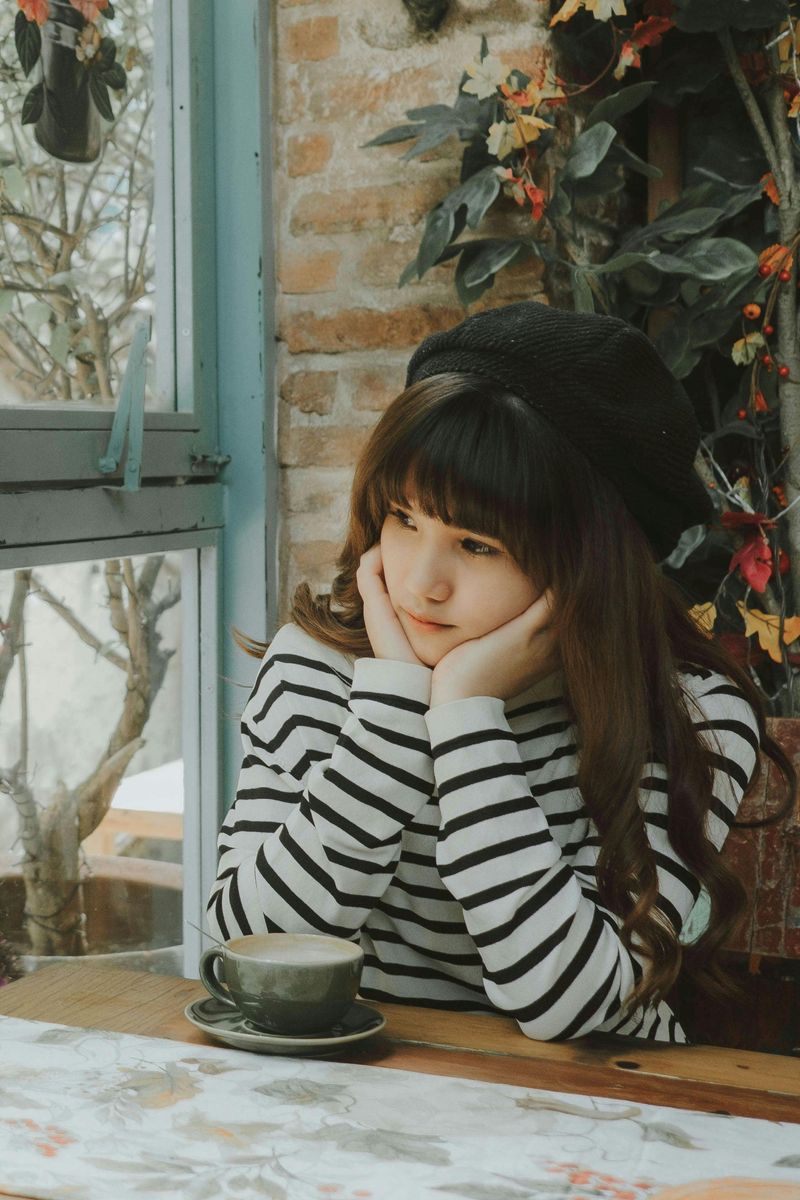
Before a big meeting, an awkward conversation, or even ordering food at a new restaurant, deeply introverted people often run through the scenario in their heads first.
You might mentally script what you’ll say, predict possible responses, and plan how you’ll react to each one.
This habit isn’t weird — it’s actually a sign of a thoughtful, self-aware mind.
Introverts tend to prefer being prepared over being caught off guard.
Pre-rehearsing helps reduce anxiety and increases confidence when the real moment arrives.
The tricky part is when reality doesn’t follow the script.
But even then, all that mental practice means you’ve already thought through more possibilities than most people ever would.
5. One-on-One Conversations Beat Group Chats Every Time
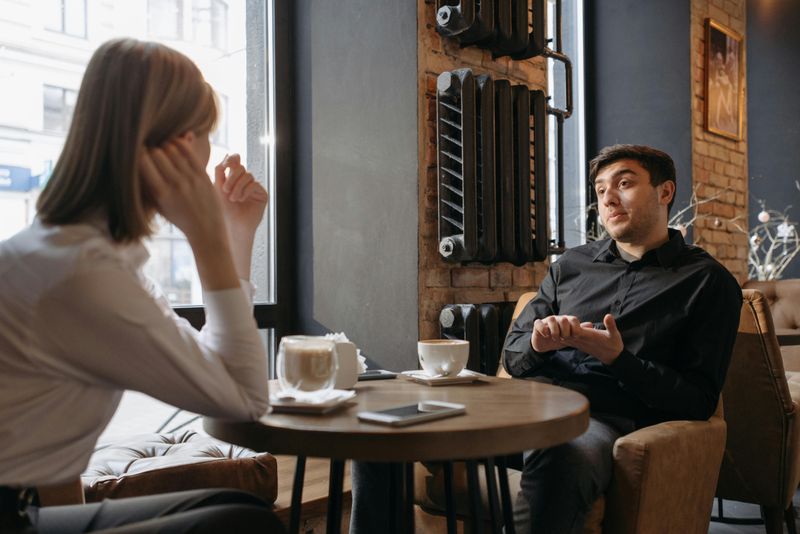
Put a deeply introverted person in a group setting and watch them go quiet.
Put them one-on-one with someone they trust, and suddenly they’re talking for hours.
The difference isn’t confidence — it’s connection.
Group conversations can feel scattered and surface-level, while one-on-one talks allow for the depth introverts genuinely crave.
In a group, it’s hard to get a word in without interrupting, and the topics rarely go anywhere meaningful.
But in a private conversation, both people can really listen, ask real questions, and share honest thoughts without performing for an audience.
Introverts don’t want to talk less — they want to talk about things that actually matter to them.
6. Quietly Slipping Out of Parties Is Your Signature Move

The Irish goodbye — leaving a social event without announcing your departure — was practically invented for introverts.
Saying goodbye at a party means starting a whole new round of conversations, hugs, and explanations.
For someone already running on empty, that final lap feels like too much.
Deeply introverted people often hit a wall at social events.
One moment they’re fine, and the next they desperately need to be somewhere quiet.
When that wall hits, a quiet exit is the kindest thing they can do for themselves — and honestly, for the party too.
Most hosts understand.
And your real friends?
They already knew you’d probably disappear before midnight anyway.
7. You Replay Things You Said Hours — or Days — Later

It’s 2 a.m. and you’re wide awake replaying something you said at lunch.
Did it come out wrong?
Did they take it the wrong way?
Could you have phrased it better?
If this sounds painfully familiar, you’re probably a deeply introverted overthinker — and you’re far from alone.
Introverts tend to process experiences long after they happen.
Their brains keep running the footage, looking for meaning, mistakes, or missed opportunities.
It’s the same internal processing that makes them perceptive and thoughtful, just turned up a little too high at bedtime.
One helpful trick is to write your thoughts down before bed.
Getting them out of your head and onto paper can quiet the mental replay loop significantly.
8. Entire Days Alone Don’t Bore You — They Restore You

Hand a deeply introverted person a free Saturday with zero plans and no obligations, and they’ll probably describe it as a perfect day.
No schedules, no social performances, no need to match someone else’s energy — just pure, uninterrupted freedom to follow their own rhythm.
Extroverts might feel restless or lonely in the same situation.
But introverts genuinely thrive in solo time.
They read, create, think, wander, cook, or simply exist without needing external entertainment to feel fulfilled.
This isn’t isolation — it’s intentional solitude, and there’s a big difference.
Deeply introverted people know how to enjoy their own company, which is honestly one of the most underrated life skills anyone can have.
9. Small Talk Drains Your Energy Like Nothing Else

“So, how about this weather?” For a deeply introverted person, few things are more exhausting than small talk.
It’s not that they’re rude or antisocial — it’s that surface-level conversation feels like spinning your wheels.
You’re using energy without going anywhere meaningful.
Introverts are wired for depth.
They’d rather skip the pleasantries and talk about something real — your dreams, your fears, the last book that changed how you think.
That kind of conversation energizes them instead of draining them.
The good news is that small talk is a learnable skill, and introverts can absolutely do it when needed.
They just prefer not to make it the main event of every social interaction they’re part of.
10. You Notice Details That Fly Right Past Everyone Else

Introverts are natural observers.
While others are busy talking and filling every silence, introverts are quietly watching, listening, and picking up on things most people miss entirely.
The slight change in a friend’s tone.
The way someone’s smile doesn’t quite reach their eyes.
The small detail in a room that tells a bigger story.
This hyper-awareness is one of introversion’s real superpowers.
It makes deeply introverted people surprisingly good judges of character, creative thinkers, and empathetic friends.
They collect information quietly and process it deeply before forming opinions.
If you’ve ever noticed something subtle that left everyone else shocked you caught it — that sharp, quiet attention is a classic sign of a deeply introverted mind at work.
11. Your Social Circle Is Small and Carefully Chosen
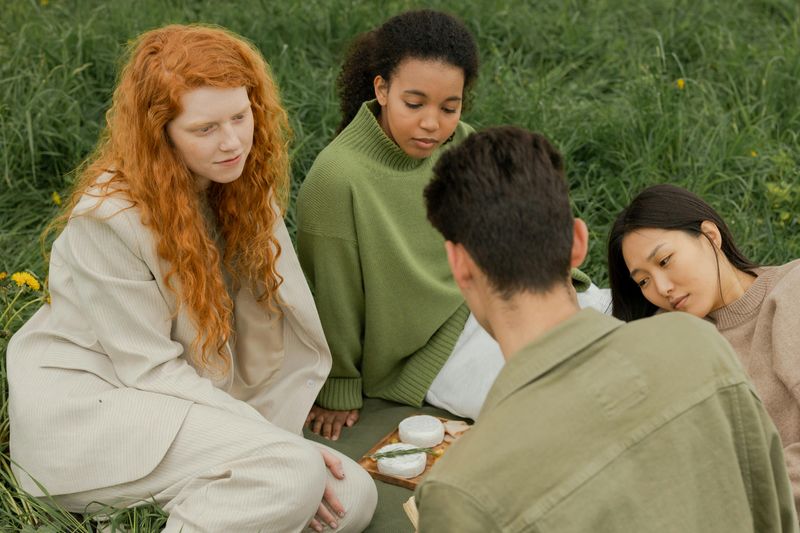
Quality over quantity is the unofficial motto of every deeply introverted person’s social life.
While some people collect friends the way others collect hobbies, introverts tend to invest deeply in just a few meaningful relationships.
They’d rather have two or three people they truly trust than a hundred acquaintances they barely know.
Maintaining relationships takes emotional energy, and introverts spend theirs deliberately.
Each person in their inner circle was chosen because the connection feels genuine, comfortable, and worth protecting.
This selectiveness isn’t snobbery — it’s self-preservation.
Introverts know their social energy is limited, so they guard it carefully.
And if you’ve made it into an introvert’s tight circle, consider that a serious compliment.
12. Crowded Places Require Mental Preparation Beforehand
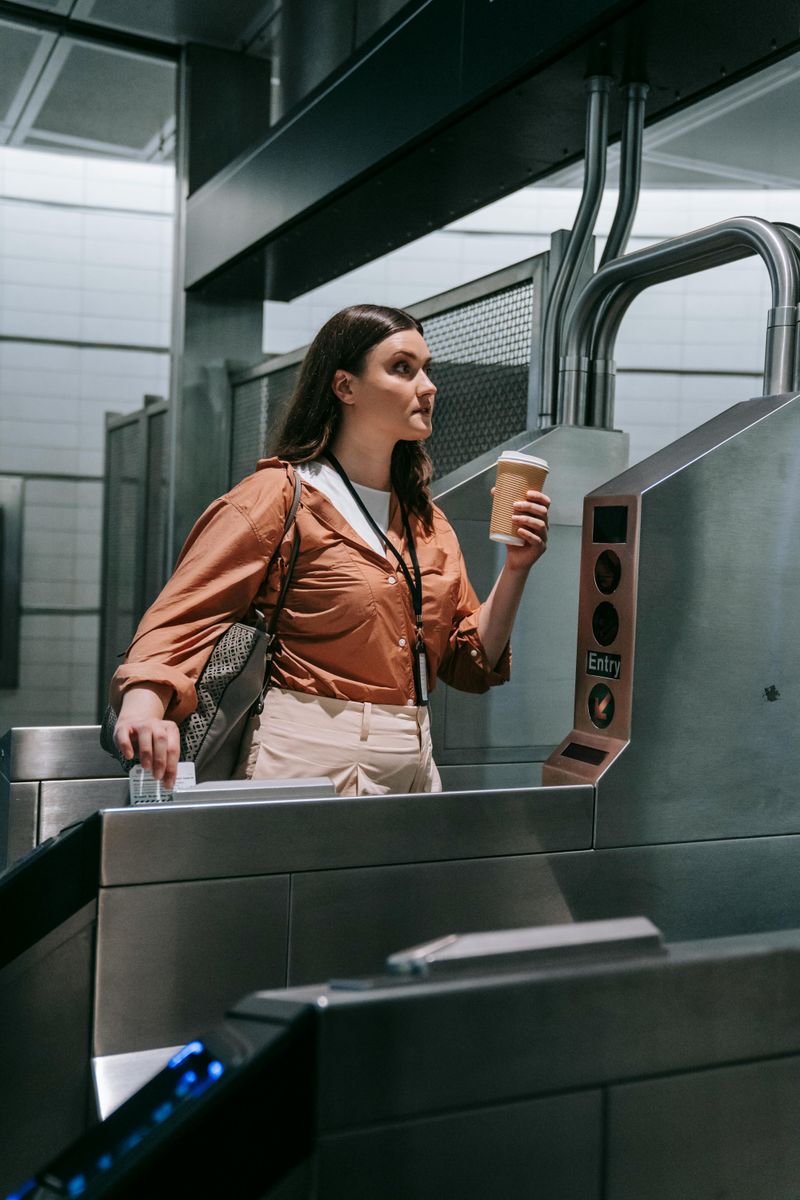
Grocery stores on weekends.
Packed concert venues.
Busy airports.
For deeply introverted people, these places aren’t just inconvenient — they’re genuinely overwhelming.
The noise, the unpredictability, and the sheer number of people requiring navigation can feel like sensory overload before you’ve even walked through the door.
That’s why many introverts mentally prepare before stepping into crowded environments.
They might review the layout, plan their route, set a time limit, or remind themselves it’s temporary.
It’s a coping strategy that works surprisingly well.
Some introverts also time their errands deliberately — hitting the grocery store early on a Tuesday instead of Saturday afternoon.
That’s not avoidance; that’s smart, self-aware planning that makes daily life genuinely more manageable.
13. You Feel Most Like Yourself When Nobody Expects Anything

There’s a version of you that only shows up when the pressure is completely off — no role to play, no energy to perform, no one waiting for a response.
For deeply introverted people, that version feels like the truest, most authentic self they have.
And it only appears in moments of total freedom.
Social situations often come with invisible expectations: be funny, be engaging, be on.
Introverts feel those expectations acutely, even when no one is actually demanding anything.
Shedding that weight, even briefly, brings a kind of peace that’s hard to describe.
Protecting time where nothing is expected of you isn’t selfish — it’s essential.
That quiet, expectation-free space is where introverts reconnect with who they genuinely are.