 MomSkoop

Growing up without siblings shapes you in ways that might surprise you.
While many people assume only children miss out on something important, the reality tells a different story.
Being the sole focus of your parents’ attention creates unique opportunities for personal growth and development.
The skills and traits you picked up along the way have probably served you well into adulthood, even if you didn’t realize it at the time.
1. You Became Comfortable Being Independent

Independence wasn’t just a skill you learned—it became part of who you are.
From an early age, you figured out how to occupy yourself without constant companionship.
That meant solving problems on your own and making decisions without checking with a sibling first.
Parents of only children often encourage self-sufficiency because there’s no built-in playmate at home.
You learned to start projects, finish homework, and manage your time without someone else setting the pace.
This early practice built a foundation of confidence that carries into adult life.
Today, you probably tackle challenges head-on without needing constant reassurance.
That comfort with independence makes you reliable and resourceful in both personal and professional settings.
2. You Developed Strong Self-Motivation

Without siblings creating natural competition at home, you had to find your own reasons to push forward.
Self-motivation became your driving force because no one else was racing you to the finish line.
You set personal goals simply because you wanted to achieve them, not to outdo a brother or sister.
This internal drive often shows up in school performance, hobbies, and later career choices.
Only children frequently become high achievers because their motivation comes from within rather than external pressure.
You learned early that your accomplishments belonged to you alone.
That self-starter attitude means you don’t wait around for others to inspire action.
You create your own momentum and follow through on commitments without needing someone else to keep you accountable.
3. You Grew Up Emotionally Mature Around Adults

Dinner conversations at your house probably felt different from those at friends’ homes with siblings.
You spent more time listening to and participating in adult discussions, which accelerated your emotional maturity.
That exposure taught you how to navigate complex topics and understand different perspectives earlier than many peers.
Being around grown-ups meant adjusting your communication style to match theirs.
You picked up vocabulary, social cues, and conversational skills that some kids only develop much later.
This gave you an edge in school interactions with teachers and authority figures.
As an adult, you likely feel at ease in professional settings and formal situations.
That comfort comes from years of practice engaging with people older than yourself during your formative years.
4. You Learned How to Handle Solitude Well

Solitude and loneliness are two completely different experiences, and you figured that out early.
Time alone became comfortable rather than something to fear or avoid.
You discovered that being by yourself could actually feel refreshing and necessary.
Many only children develop a healthy relationship with alone time that serves them throughout life.
You learned to recharge in solitude rather than feeling anxious about it.
This skill becomes increasingly valuable in a world that constantly demands social interaction and connectivity.
Now you probably don’t panic when plans get cancelled or when you need to spend an evening by yourself.
That comfort with your own company makes you emotionally stable and less dependent on constant external validation or entertainment.
5. You Became Highly Self-Aware

Self-reflection came naturally when you spent significant time in your own head.
Without siblings constantly interrupting your thoughts or demanding attention, you had space to process emotions and understand yourself better.
This led to developing strong self-awareness that many people struggle to achieve even as adults.
Only children often know their strengths, weaknesses, and emotional triggers because they’ve had time to examine them.
You probably spent childhood thinking about who you were and who you wanted to become.
That introspection built emotional intelligence that helps in relationships and decision-making.
Today, you likely have a clear sense of identity and personal values.
You know what matters to you because you’ve had the mental space to figure it out without constant external noise or sibling influence.
6. You Built Deep Friendships

Friends weren’t just playmates—they became your chosen family.
Without siblings at home, you invested deeply in friendships and treated them with care and importance.
These relationships often felt more like sibling bonds because they filled that space in your life.
Only children tend to be loyal friends who show up consistently and value their relationships.
You learned early that friendships require effort and communication to maintain.
That dedication created connections that often last decades because you approached them with intention and commitment.
Your ability to form meaningful bonds means you probably have a tight circle of trusted friends rather than dozens of superficial acquaintances.
Quality over quantity became your approach to relationships, and it’s served you well.
7. You Got Good at Resolving Conflict Calmly

Daily sibling battles weren’t part of your childhood experience, which actually gave you an advantage.
When conflicts did arise with friends or classmates, you approached them more thoughtfully.
Without the habit of constant bickering, you learned to communicate directly and resolve issues through conversation rather than argument.
Only children often become skilled mediators because they didn’t grow up in an environment of perpetual low-level conflict.
You had to articulate your feelings clearly to adults rather than fighting it out with peers at home.
This taught you negotiation and compromise without the drama.
In adult relationships and workplace situations, you probably handle disagreements with surprising maturity.
Your conflict resolution style tends toward calm discussion rather than heated arguments, making you someone others trust in tense situations.
8. You Became Adaptable in Social Settings

Flexibility in social situations became one of your strongest skills.
Without a built-in role as the oldest, middle, or youngest sibling, you learned to adapt to whatever group dynamic you entered.
You could be a leader with some friends and a follower with others, adjusting based on the situation.
This social adaptability makes only children particularly skilled at reading rooms and understanding group dynamics.
You developed the ability to fit in without losing your sense of self.
That balance between belonging and maintaining individuality serves you well in diverse social and professional environments.
You probably feel comfortable meeting new people and joining established groups because you’ve practiced these skills your entire life.
Your adaptability means you’re rarely the awkward outsider in social situations.
9. You Learned Responsibility Early

Parents naturally looked to you for help and support in ways they might have distributed among multiple children.
That meant taking on responsibilities earlier than some of your peers with siblings.
You became the person parents counted on for everything from household chores to being trustworthy when left alone.
This early responsibility built maturity and reliability that others noticed.
Teachers, coaches, and family friends probably commented on how responsible you seemed for your age.
Those expectations, while sometimes heavy, developed your sense of accountability and follow-through.
As an adult, you’re likely the person others depend on in both personal and professional contexts.
Your track record of meeting expectations started young, and it’s become part of your reputation and self-image.
10. You Became Comfortable with Leadership

Leadership roles felt natural because you were accustomed to being the center of attention at home.
You didn’t have to compete for the spotlight or wait your turn behind older siblings.
This gave you confidence to step up and take charge when opportunities arose in school or activities.
Only children often become comfortable making decisions and guiding others because they’ve practiced these skills from a young age.
You learned to voice opinions clearly and stand by your choices.
That assertiveness translates well into leadership positions where decisiveness matters.
Today, you probably don’t shy away from opportunities to lead projects or teams.
Your comfort with responsibility and decision-making makes you a natural candidate for leadership roles in various aspects of life.
11. You Developed a Strong Imagination
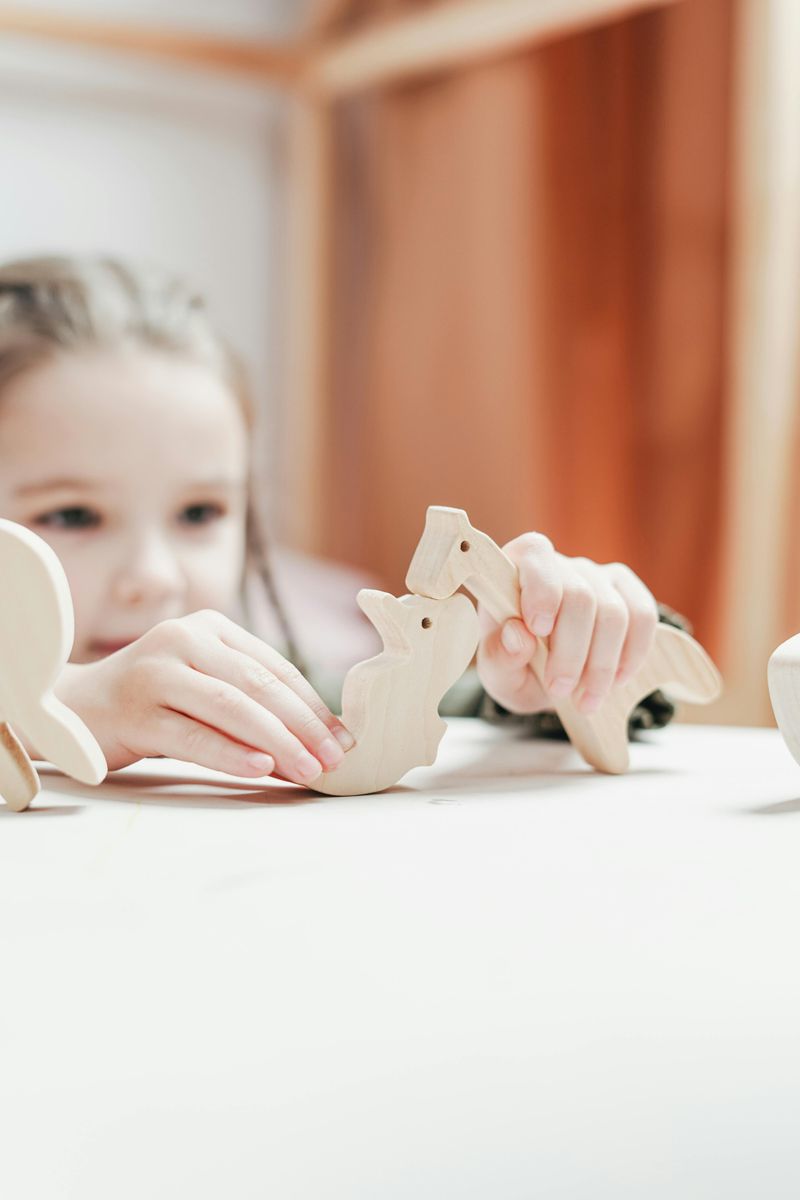
Solo playtime wasn’t boring—it was an opportunity for your imagination to run wild.
Without siblings directing the narrative or insisting on their own ideas, you created entire worlds on your own terms.
That freedom to imagine without compromise strengthened your creative thinking and problem-solving abilities.
Only children often develop rich inner lives filled with imaginary friends, elaborate storylines, and creative projects.
You learned to entertain yourself through invention and creativity rather than relying on others for ideas.
This imaginative capacity often carries into adulthood as innovative thinking and artistic expression.
Your ability to think creatively and envision possibilities probably sets you apart in work and personal projects.
That childhood practice of creating something from nothing became a valuable adult skill.
12. You Learned to Advocate for Yourself

Speaking up became essential when you had no siblings to back you up or fight your battles.
You learned early that if you wanted something or disagreed with a decision, you had to articulate it yourself.
This developed your advocacy skills and taught you to use your voice effectively.
Only children often become skilled communicators because they had to negotiate directly with adults rather than working through sibling alliances.
You learned to present your case logically and respectfully.
That practice made you comfortable expressing needs and boundaries in all types of relationships.
As an adult, you probably don’t struggle to speak up in meetings or difficult conversations.
Your ability to advocate for yourself comes from years of practice, making you someone who doesn’t get overlooked or taken advantage of easily.
13. You Became Resilient Through High Expectations

Carrying the full weight of parental hopes and dreams wasn’t always easy, but it built incredible resilience.
With all attention focused on you, expectations sometimes felt intense.
However, that pressure taught you how to handle stress and meet high standards without crumbling under the weight.
Only children often develop strong coping mechanisms and mental toughness from managing these expectations.
You learned to process pressure constructively rather than letting it paralyze you.
This resilience shows up when facing challenges that might overwhelm others who didn’t develop that early strength.
Today, you probably handle high-pressure situations with notable composure.
Your ability to perform under expectations comes from years of practice, making you someone others count on when stakes are high and pressure is intense.