 MomSkoop
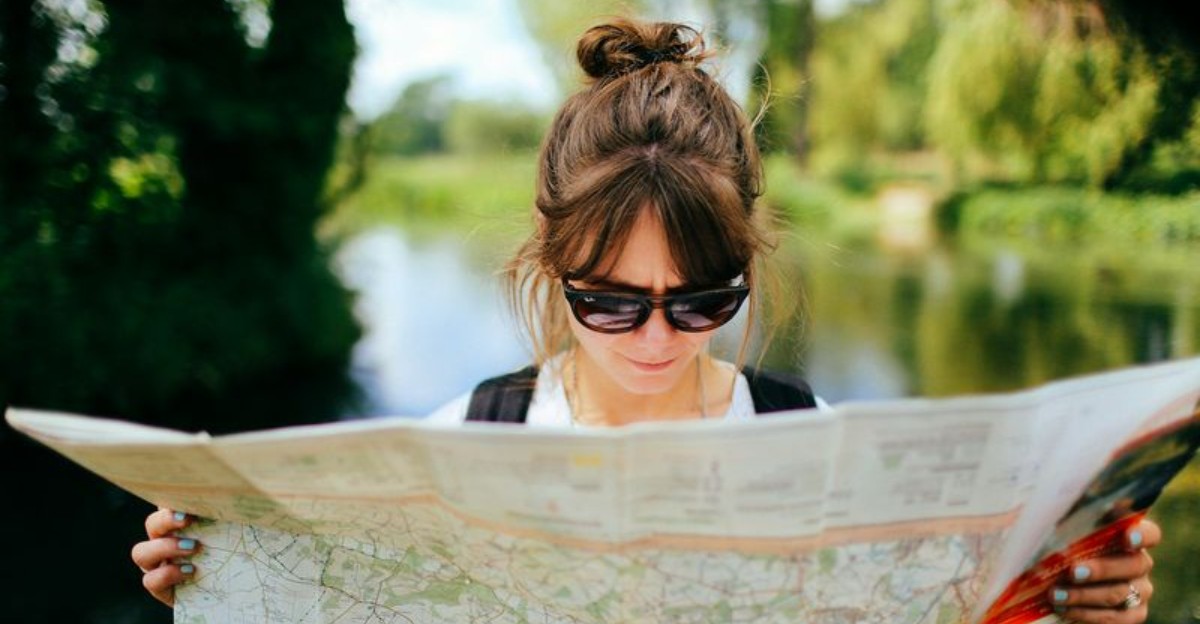
Before smartphones became a part of everyday life, kids and teenagers were quietly building some pretty impressive skills without anyone telling them to. From memorizing phone numbers to reading paper maps, these abilities came naturally because they had to.
Looking back, it is amazing how much sharper certain parts of our brains had to work just to get through a normal day. If you grew up in that era, you might be surprised by how many of these skills you still carry with you today.
1. Memorizing Phone Numbers
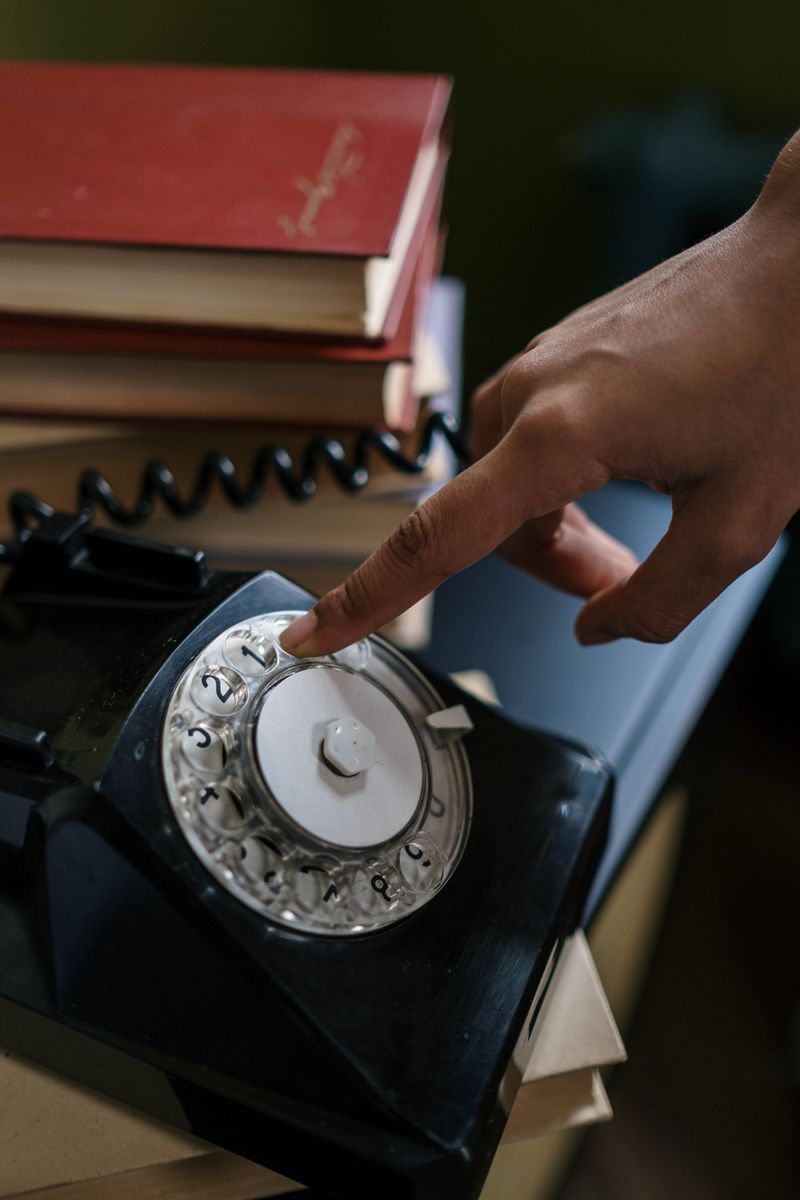
Back when rotary phones ruled the house and caller ID was a luxury, knowing phone numbers by heart was simply how life worked.
You memorized your best friend’s number, your grandma’s number, and the pizza place without even trying.
Repetition did the heavy lifting.
Cognitive scientists now recognize this kind of practice as a genuine memory workout.
Holding strings of digits in your mind strengthened your working memory in ways modern conveniences rarely demand anymore.
It was mental exercise dressed up as everyday life.
That skill quietly trained your brain to retain structured information faster.
People who grew up doing this often find it easier to remember sequences, patterns, and lists even today.
2. Reading Paper Maps
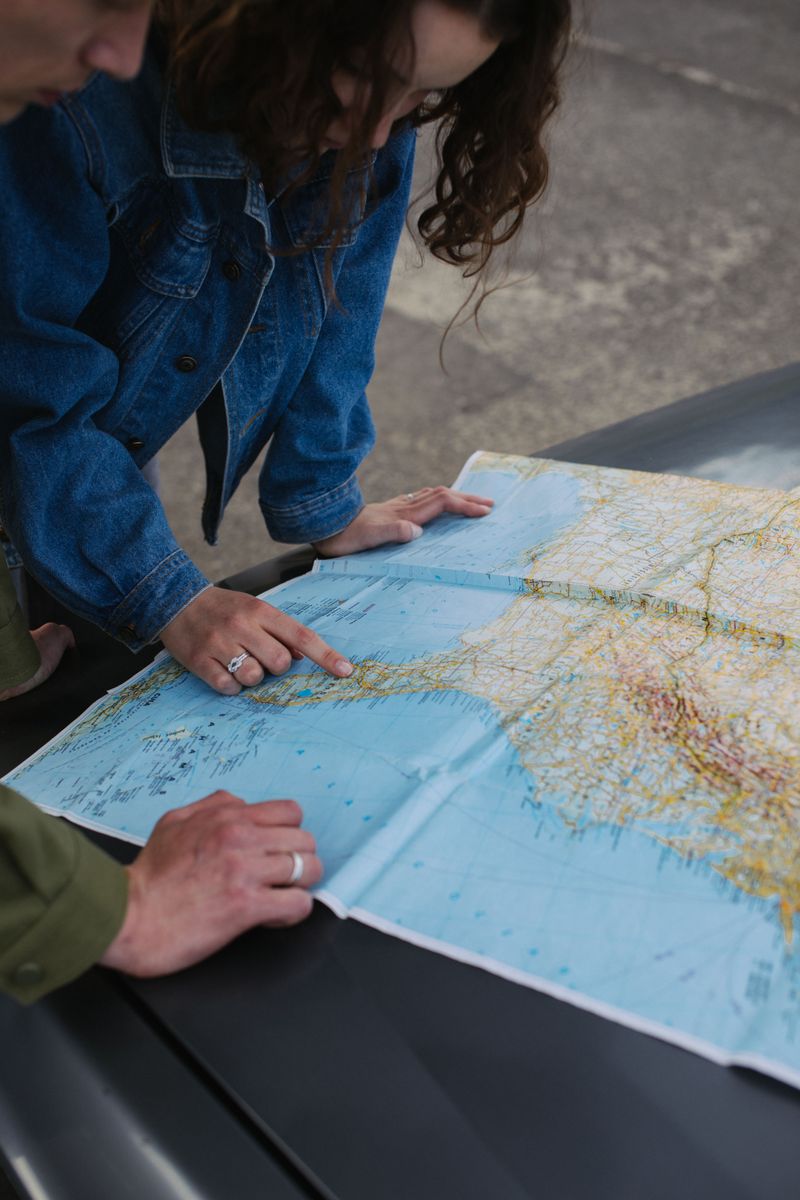
Unfolding a road map the size of a small tablecloth and actually figuring out where you were took real spatial thinking.
There was no blue dot to follow, no voice telling you to turn left in 500 feet.
You had to orient yourself and trust your reading.
Map reading built a kind of three-dimensional awareness that GPS quietly replaced.
You learned to match the flat paper image to the real world around you, which is a skill that sharpens visual reasoning and attention to scale.
Researchers in navigation science have found that people trained on paper maps tend to build stronger mental models of geography.
That is a seriously underrated cognitive advantage hiding inside a folded rectangle.
3. Remembering Directions
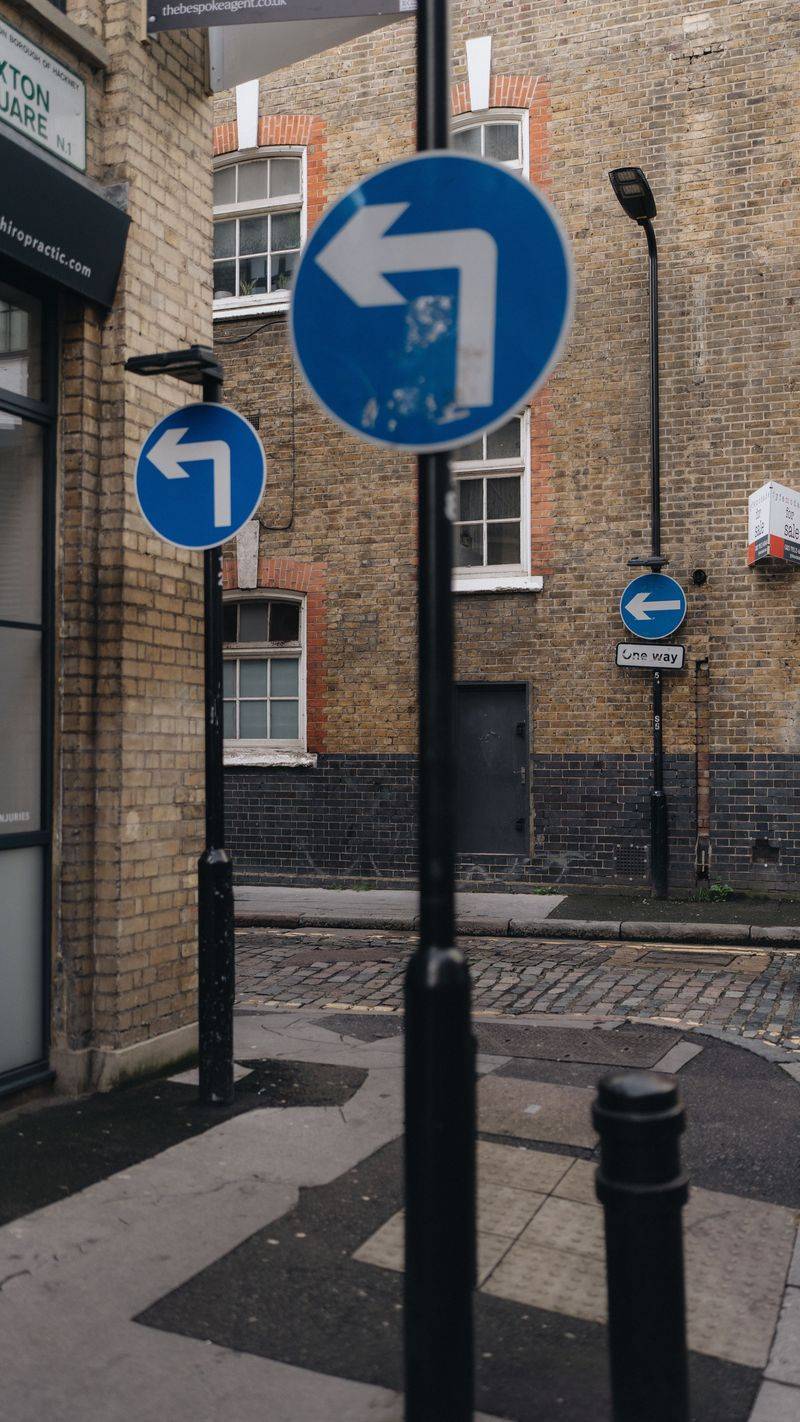
“Go past the old pharmacy, turn right at the water tower, and look for the green mailbox.” That kind of direction-giving was a full-on communication art form before GPS entered the picture.
You had to listen carefully and hold the steps in your head.
Following spoken directions required active mental mapping.
You built a mini route in your imagination and updated it in real time as landmarks appeared.
Missing one cue could send you miles off course, so focus was non-negotiable.
This habit quietly developed strong sequential memory and spatial awareness.
People who grew up navigating this way often find they are better at following multi-step instructions in other areas of life too, from cooking to assembling furniture.
4. Making Plans in Advance

Once you walked out the front door, you were committed.
There was no quick text to say “running late” or “change of plans.” You figured everything out beforehand, down to the meeting spot, the backup plan, and who was bringing what.
Planning ahead like this built real organizational thinking.
You learned to anticipate problems, communicate clearly, and honor your word because the consequences of flaking were immediate and personal.
Friends showed up or they did not, and everyone noticed.
That kind of advance thinking is something many workplaces actively try to teach adults today.
People who grew up before smartphones often carry a natural instinct for preparation that others have to learn from a project management course.
5. Being Punctual

Punctuality was not just polite back then, it was practically survival.
If you agreed to meet someone at the fountain at noon, you showed up at noon.
There was no way to stall someone with a “be there in 5” text while you were still at home eating cereal.
Growing up with that kind of accountability rewired how people related to time.
You learned to build in buffer time, leave early, and respect that other people’s schedules mattered.
Showing up late meant someone just stood there, possibly for a very long time, wondering what happened.
That social pressure quietly trained an internal clock that many pre-smartphone generations still rely on.
Being on time became a personal value, not just a courtesy.
6. Entertaining Yourself Without a Screen
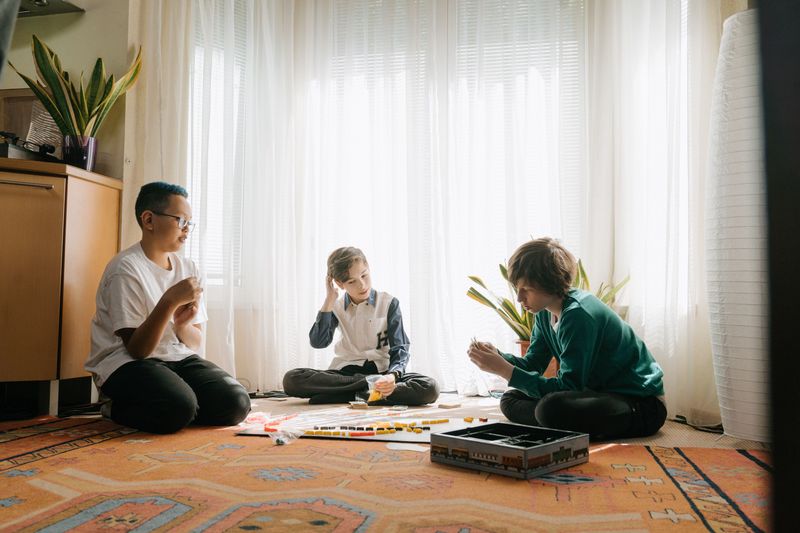
Boredom was a different beast before smartphones.
You could not scroll away from it.
Instead, you invented things to do, built forts, drew comics, wrote stories, or just stared at the ceiling until an idea appeared.
That creative friction was surprisingly productive.
Psychologists now point to unstructured boredom as a genuine driver of imagination and problem-solving.
When your brain has nothing handed to it, it starts generating its own content.
That is the birthplace of creativity for a lot of people.
Kids who grew up this way often developed stronger hobbies, longer attention spans, and a deeper relationship with their own thoughts.
Learning to sit with yourself, really sit with yourself, turns out to be a pretty valuable life skill.
7. Doing Mental Arithmetic

Calculators existed, sure, but you did not always have one in your pocket.
Splitting a restaurant bill four ways, figuring out a 15 percent tip, or estimating whether you had enough cash before reaching the register all happened in your head, fast.
Mental math is more than a party trick.
It requires holding numbers in short-term memory while performing operations, which strengthens a part of the brain linked to logical reasoning and pattern recognition.
Regular practice made it feel almost automatic.
Studies in math education consistently show that students who practice mental calculation develop stronger number sense overall.
People who grew up doing this daily often find estimation and quick calculation feel natural in ways that pure calculator dependence simply does not build.
8. Remembering Important Dates
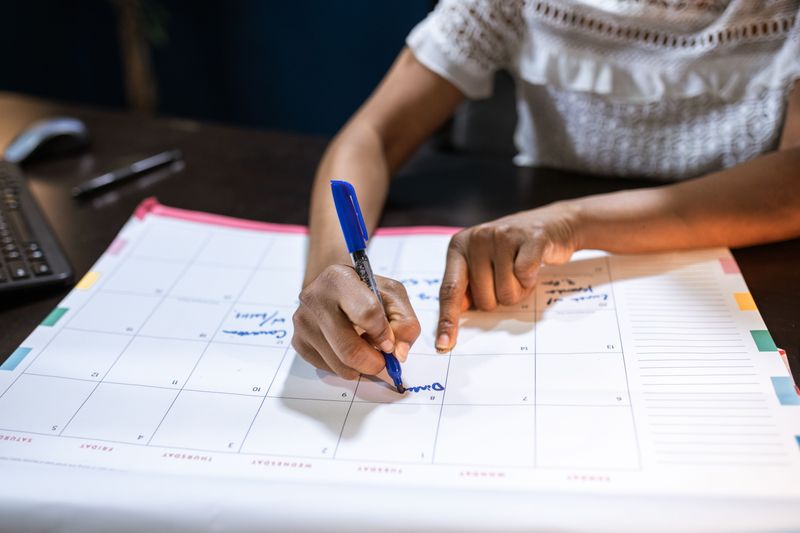
No notification popped up the morning of your aunt’s birthday.
You either remembered it or you did not, and forgetting had real social consequences.
Keeping track of birthdays, anniversaries, and appointments was a personal responsibility that nobody outsourced to an app.
Maintaining a mental calendar of meaningful dates required associating people with times, which is a rich memory technique tied to emotional connection.
The more you cared about someone, the more likely you were to remember their special day without being reminded.
That emotional memory training had lasting effects.
Many people from that era still remember childhood phone numbers and birthday dates decades later.
It turns out that meaningful repetition tied to relationships creates some of the stickiest memories the human brain can form.
9. Starting Conversations With Strangers
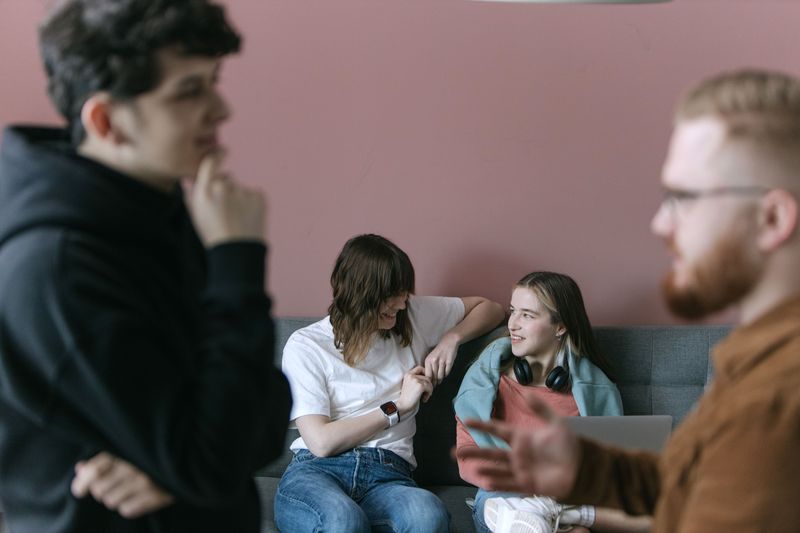
Need to know where the nearest bus stop was?
You asked someone.
Needed to find the right aisle in an unfamiliar grocery store?
You flagged down a stranger.
There was no other option, and most people were perfectly willing to help once you just opened your mouth.
That habit built real social confidence.
You learned how to approach someone politely, read body language quickly, and communicate a need clearly and concisely.
Those micro-interactions added up to a genuine comfort with human connection.
Social researchers note that frequent low-stakes conversations with strangers build resilience and reduce social anxiety over time.
Growing up in a world where asking for help was normal meant you developed a friendlier, more outward-facing social instinct from a pretty young age.
10. Finding Information Manually
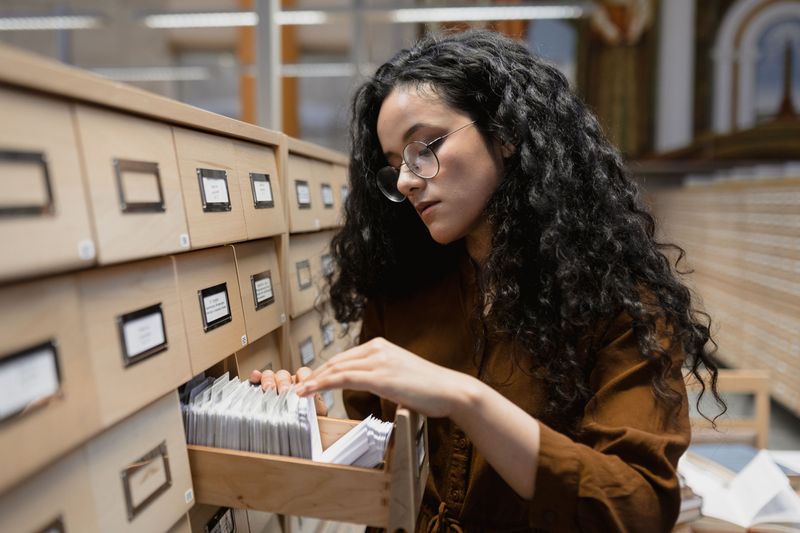
Curiosity used to require effort.
If you wanted to know the capital of Peru or how volcanoes worked, you headed to the library, cracked open an encyclopedia, or asked a teacher.
The answer was not one tap away, which meant you worked for it.
That process of hunting for information built critical thinking in a quiet but powerful way.
You learned to evaluate sources, cross-reference facts, and understand that knowledge had depth beyond a single paragraph.
Libraries became familiar, trusted spaces rather than intimidating ones.
Educators often point out that manual research teaches patience and intellectual persistence.
People who grew up flipping through card catalogs and index pages developed a thorough, methodical approach to learning that search engine shortcuts do not always replicate.
11. Fixing Things Through Trial and Error
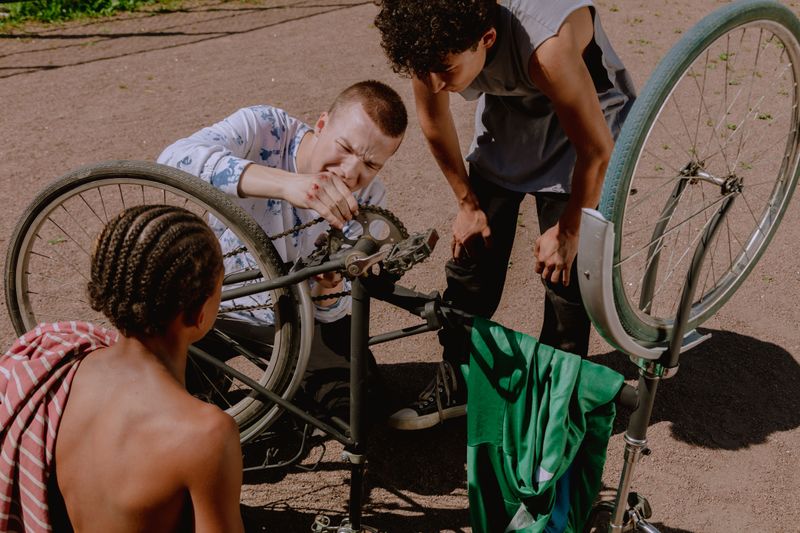
When something broke, you figured it out.
There was no YouTube tutorial to follow step by step.
You poked around, made a few mistakes, broke something slightly worse, and eventually either fixed it or learned exactly what not to do next time.
Both outcomes were useful.
Trial and error is one of the oldest and most effective learning methods humans have.
It builds tolerance for failure, encourages observation, and develops a hands-on problem-solving mindset that formal education does not always teach directly.
Kids who grew up tinkering with bikes, radios, and appliances often became adults who are comfortable tackling unfamiliar challenges.
That willingness to experiment without a guaranteed outcome is a form of intellectual courage that tends to pay off across many areas of life.
12. Waiting Patiently

Waiting rooms, bus stops, long car rides, and commercial breaks all had one thing in common: there was nothing to do but wait.
You could not fill every spare second with a scroll through a feed.
You just sat there, and somehow, that was okay.
Patience is not a passive skill.
Sitting with discomfort, resisting the urge to constantly stimulate your brain, and simply tolerating a quiet moment builds emotional regulation over time.
That is something child development researchers actively study and value today.
People who grew up waiting without distraction often report a higher tolerance for uncertainty and delayed gratification.
Those qualities show up in better decision-making, stronger focus, and a calmer response to frustrating situations, which are qualities many adults now actively try to build through mindfulness practice.
13. Navigating by Landmarks
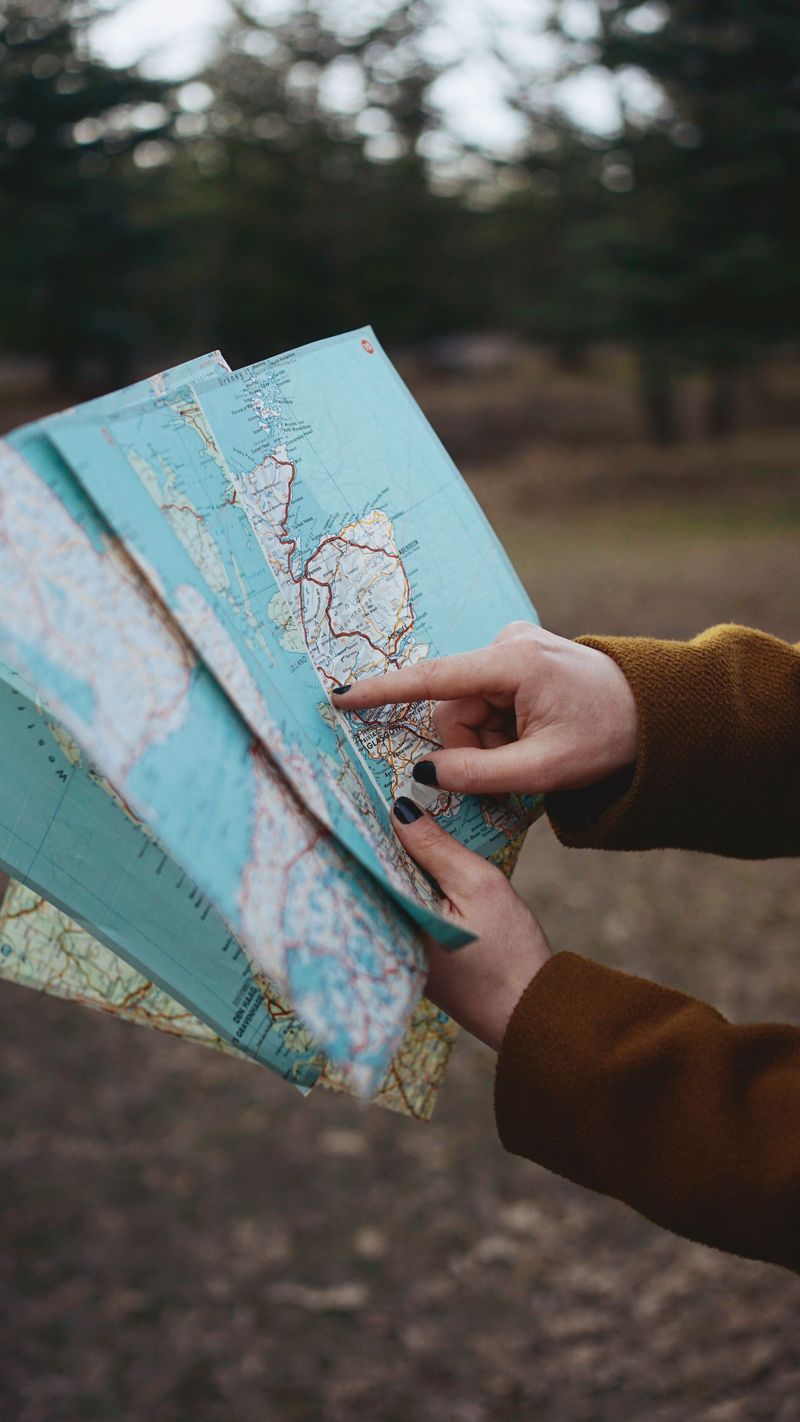
“Turn left at the big red barn, go straight until you see the old mill, then look for the church with the blue roof.” Landmark navigation was its own rich language, and kids who grew up with it developed a vivid, place-based understanding of their surroundings.
This kind of spatial learning is deeply tied to memory and sensory observation.
You paid attention to your environment in a way that pure coordinate-based navigation does not encourage.
Buildings, trees, and intersections became anchors in a mental map you carried everywhere.
Neuroscientists who study the hippocampus, the brain region tied to spatial memory, have found that rich environmental navigation strengthens it significantly.
Growing up reading the landscape rather than a screen built a sharper, more connected sense of place.
14. Remembering Experiences Instead of Recording Everything

Without a camera in every pocket, you could not document every moment.
So instead, you lived inside them.
Concerts, family trips, birthday parties, and lazy summer afternoons were stored not in a photo roll but in actual, vivid, sensory memory.
There is growing research suggesting that photographing experiences can actually reduce how well you remember them.
When the brain knows a device is capturing the moment, it sometimes offloads the memory work, trusting the machine instead of doing the job itself.
People who grew up before smartphones often describe their childhood memories with rich sensory detail, the smell of the air, the sound of the crowd, the feeling of the moment.
That depth of recollection is a gift that comes from truly being present.