 MomSkoop

Growing up in the 1960s meant living in a world without screens, schedules, or constant supervision.
Kids roamed neighborhoods freely, learned through trial and error, and built character in ways that feel almost forgotten today.
The lessons from that decade weren’t taught in classrooms—they were lived daily, shaping a generation with grit, patience, and independence that still echoes through their lives.
1. Boredom Built Your Imagination
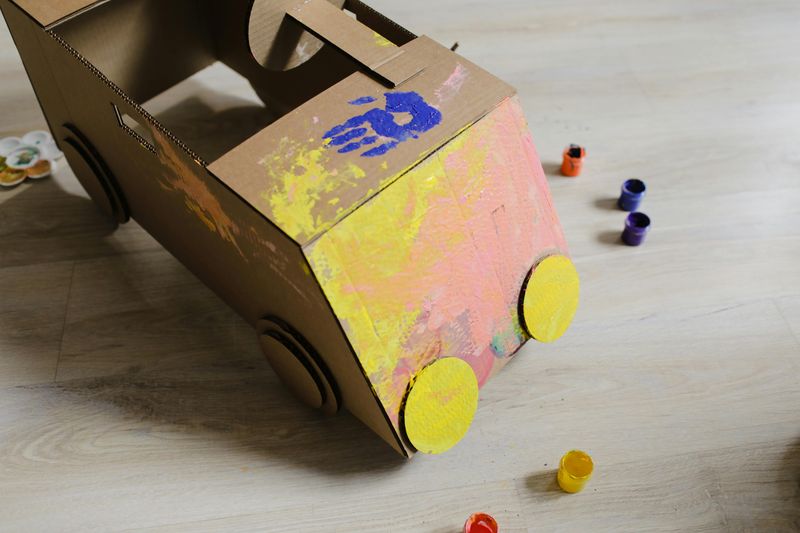
Empty afternoons weren’t problems to solve—they were invitations to create.
Without apps or instant entertainment, kids in the ’60s turned cardboard boxes into spaceships and backyards into kingdoms.
Boredom wasn’t something to escape; it was the starting line for adventure.
When nothing was scheduled, imagination filled the gap naturally.
You learned to entertain yourself, building mental muscles that would serve you for decades.
That restless feeling became fuel for creativity, not frustration.
Today’s constant stimulation makes this skill rare.
But those who grew up waiting, wondering, and inventing their own fun carry a quiet superpower: the ability to find joy without needing someone else to provide it.
2. Freedom Came with a Curfew

You could wander miles from home, exploring creeks, climbing trees, and testing boundaries most kids today never see.
But there was one unbreakable rule: be home when the streetlights came on.
That invisible deadline taught accountability without nagging or tracking devices.
Parents trusted you to manage yourself, and you learned to keep your word.
Freedom wasn’t unlimited—it was earned through responsibility.
You understood that independence had limits, and respecting them kept the privilege alive.
Roaming widely taught navigation, risk assessment, and social skills.
Coming home on time taught honor.
Together, they created a sense of self-reliance that didn’t require constant check-ins or GPS coordinates to function.
3. Face-to-Face Conversations Taught Real Communication
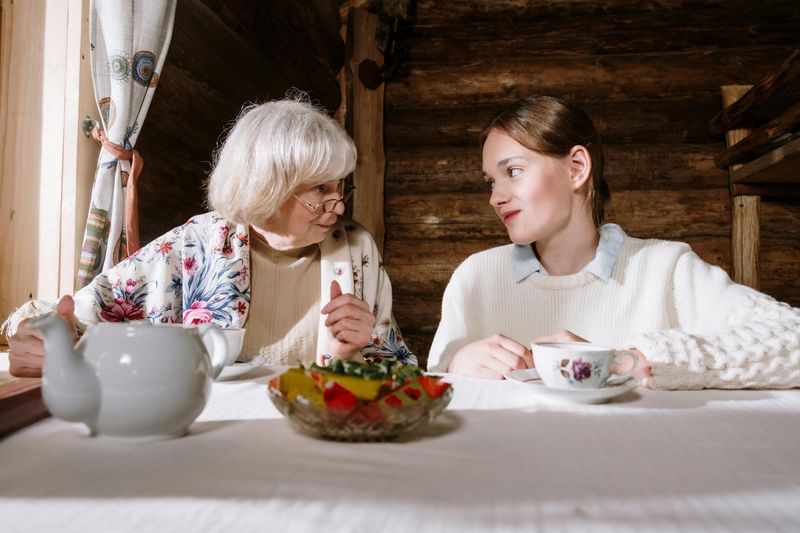
Talking meant looking someone in the eye, reading their expression, and adjusting your words in real time.
There were no emojis to soften your tone or delete buttons to erase mistakes.
You learned quickly how words landed—by watching faces change.
Tone, timing, and body language became second nature.
Arguments couldn’t be avoided with silence or blocked contacts.
You had to work through conflict, apologize genuinely, and move forward without ghosting anyone.
Face-to-face interaction built emotional intelligence that texting never could.
You understood nuance, picked up on unspoken cues, and developed empathy through direct human connection.
Those skills became lifelong tools for navigating relationships, work, and every tough conversation that followed.
4. Adults Weren’t Your Audience
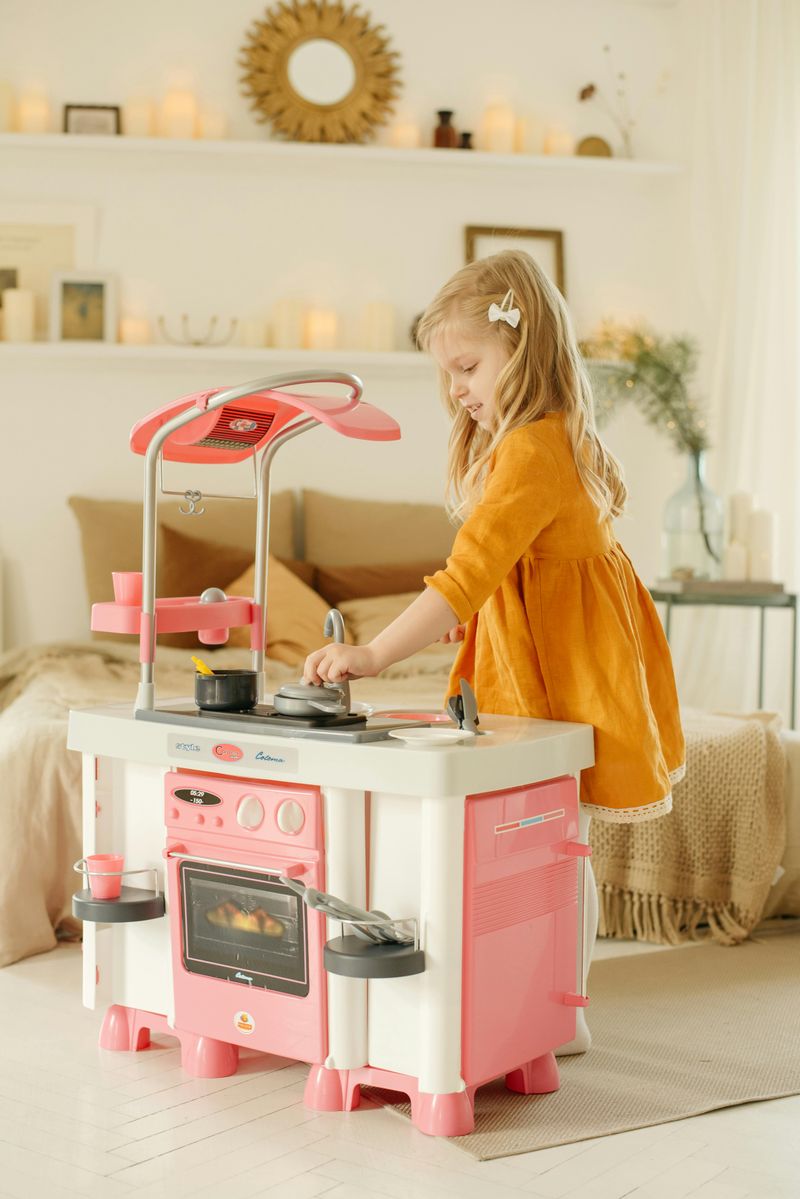
Children in the ’60s weren’t constantly centered in every conversation or decision.
Adult discussions happened around you, not for you.
You learned to listen, observe, and understand the world without being its main character.
This wasn’t neglect—it was preparation.
You discovered that not every moment required your input or approval.
Resilience grew quietly in the background as you figured out how to occupy yourself and handle disappointment without constant validation.
Being on the sidelines taught humility and patience.
You absorbed how adults solved problems, managed stress, and treated each other.
Those observations shaped your own behavior more powerfully than any lecture could, building character through example rather than spotlight.
5. Risk Was Part of Learning
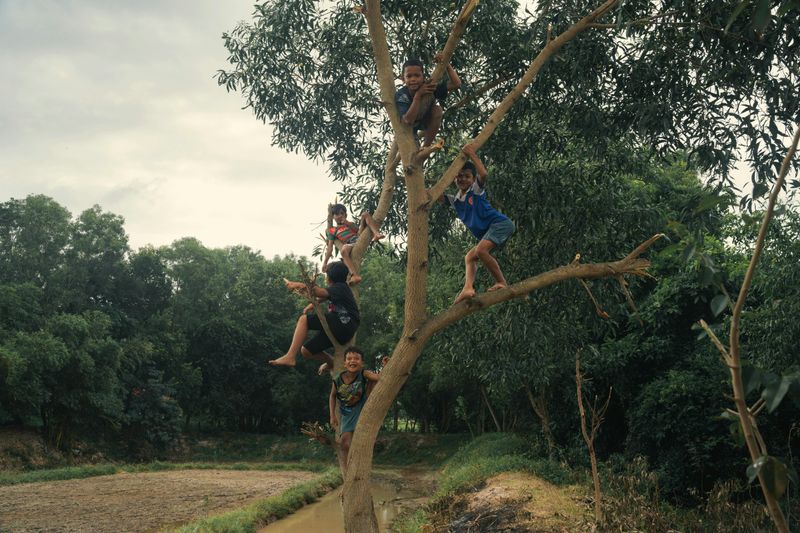
Scraped knees, bruised elbows, and minor mishaps were badges of childhood, not reasons to call lawyers.
You climbed higher, ran faster, and tested limits without helicopter parents hovering nearby.
Risk wasn’t reckless—it was educational.
Each fall taught judgment better than any warning sign ever could.
You learned your own boundaries by bumping into them, adjusting your approach, and trying again.
Pain was temporary; the lesson stuck forever.
Overprotection wasn’t the default setting.
Parents understood that small injuries prevented bigger ones later by teaching caution through experience.
That hands-off approach built confidence, resilience, and the ability to assess danger without freezing in fear or relying on constant supervision.
6. Fix It Before You Replace It

When something broke, your first instinct wasn’t to toss it and order a replacement.
You grabbed tools, figured out the problem, and made repairs.
Objects had lives longer than trends, and throwing things away felt wasteful, almost disrespectful.
Bicycles got patched, toys got glued, and clothes got mended.
You learned basic repair skills early because buying new wasn’t always an option.
That resourcefulness became a mindset: solve problems creatively before spending money.
This wasn’t just frugality—it was respect for craftsmanship and materials.
You understood that things had value beyond their initial purchase.
That attitude carried forward, making you less dependent on constant consumption and more capable of solving problems with what you already had.
7. Privacy Was Normal

Not everything needed to be seen, shared, or approved by an audience.
Your thoughts stayed private unless you chose to speak them.
Your mistakes didn’t become permanent digital records.
Privacy wasn’t suspicious—it was simply how life worked.
You kept diaries without worrying someone would screenshot them.
You had conversations that disappeared into memory, not cloud storage.
Personal moments remained personal, and that separation between public and private felt natural, even sacred.
This boundary protected your developing identity.
You could experiment, fail, and grow without performing for strangers online.
The absence of constant documentation allowed genuine self-discovery, free from the pressure of curating an image or managing a brand before you even knew who you were.
8. Silence Wasn’t Awkward
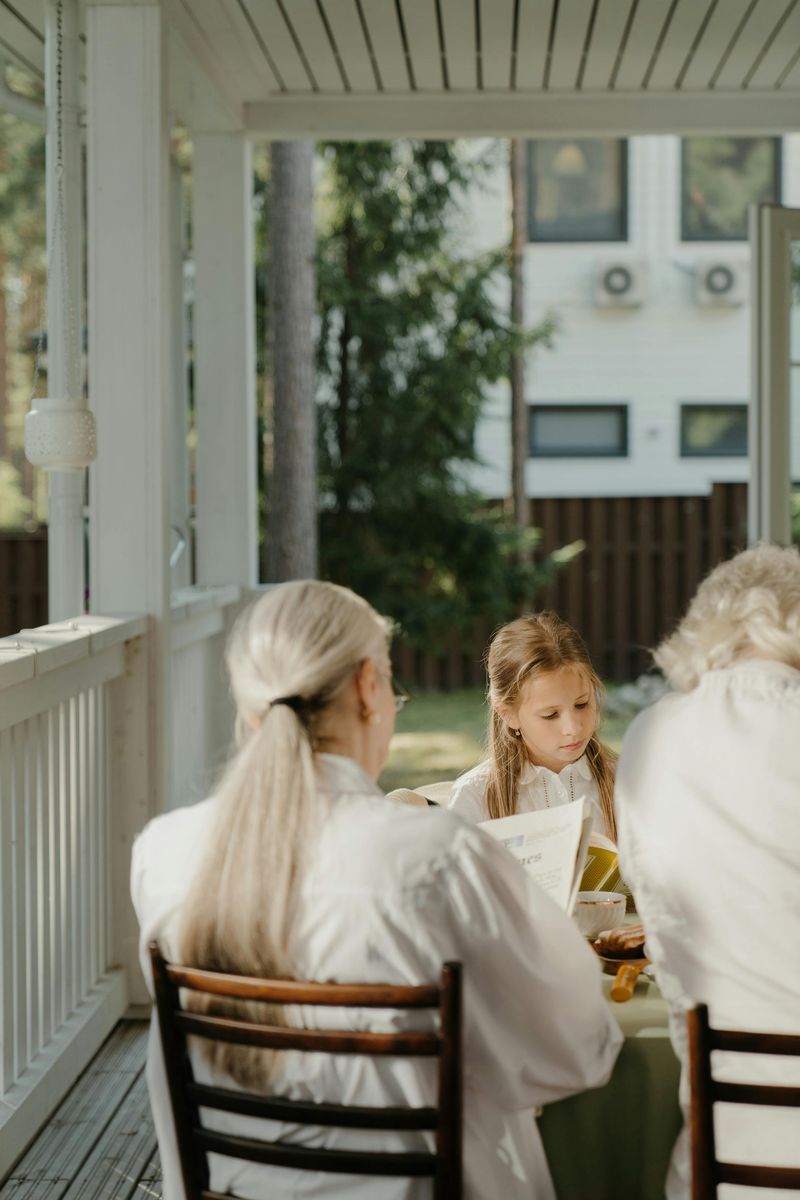
Quiet moments didn’t need filling with noise or distraction.
Silence was space to think, watch, and understand the world around you.
You could sit on a porch, stare at clouds, and let your mind wander without feeling uncomfortable or unproductive.
Conversations had natural pauses.
Car rides didn’t require constant entertainment.
Waiting rooms meant sitting with your thoughts, not scrolling endlessly.
That comfort with stillness built patience and self-awareness.
Silence taught observation skills that noise drowns out.
You noticed details, processed emotions, and developed inner dialogue without external stimulation.
That ability to be alone with yourself, truly comfortable in quietness, became a rare and valuable gift in an increasingly loud world.
9. Community Corrected You

If you misbehaved at the neighbor’s house, your parents knew before you got home.
The community raised children collectively, with adults feeling responsible for all kids, not just their own.
Correction came swiftly, fairly, and from multiple sources.
This wasn’t intrusive—it was protective.
Neighbors watched out for each other’s children, offering guidance and discipline when needed.
You learned that behavior had consequences beyond your front door, and reputation mattered in your small world.
Algorithms didn’t shape your actions; real people did.
Their feedback was immediate, personal, and rooted in shared values.
That human accountability system taught respect, consideration, and the understanding that your choices affected everyone around you, not just yourself.
10. Waiting Was Unavoidable
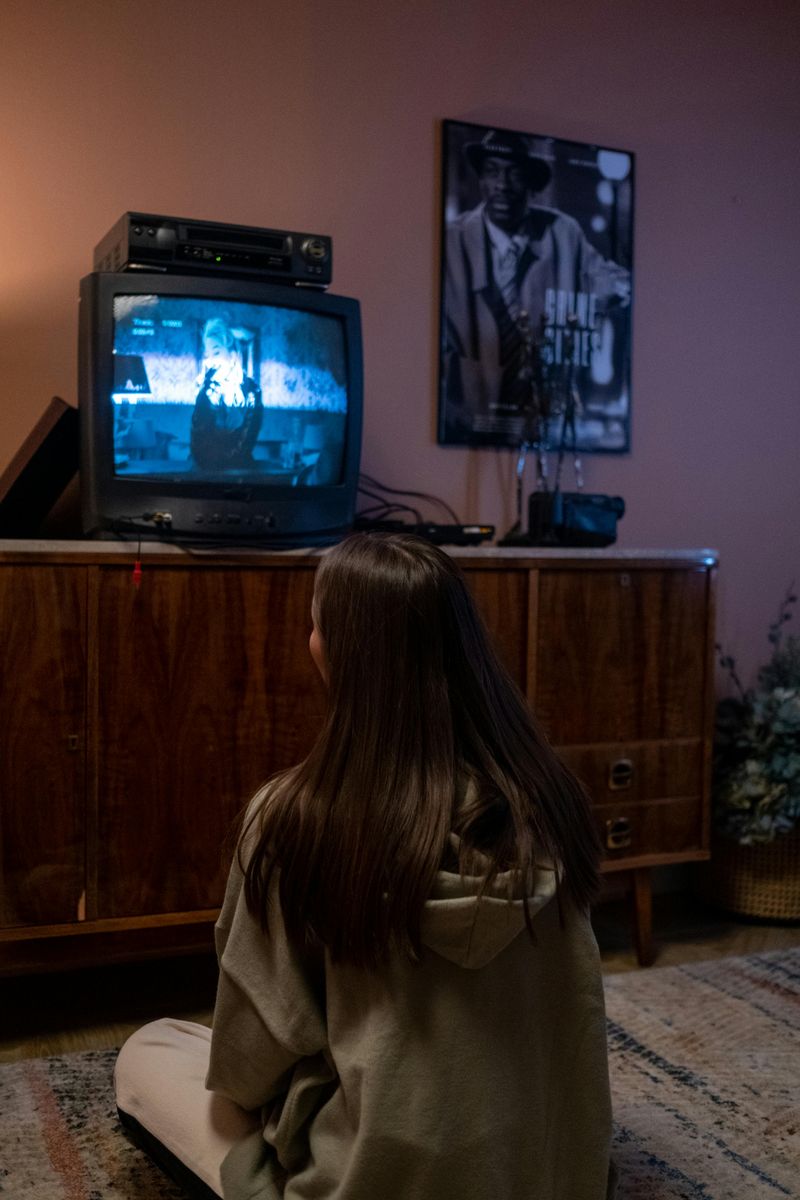
Patience wasn’t taught through lectures—it was practiced daily.
You waited for your favorite TV show once a week.
You waited for photos to be developed.
You waited for letters to arrive.
Instant gratification simply didn’t exist.
This constant waiting built tolerance for delayed results.
You learned that good things take time and that anticipation made experiences sweeter.
Boredom during waits became normal, not an emergency requiring immediate distraction.
That enforced patience shaped your expectations and resilience.
You understood that not everything could happen right now, and that was okay.
This mental muscle made you better equipped to handle life’s inevitable delays, setbacks, and long-term goals that required sustained effort without immediate rewards.
11. Your Word Was a Contract

Promises mattered deeply in the ’60s.
When you said you’d do something, people expected you to follow through.
Your reputation traveled faster than paperwork, and breaking your word had social consequences that couldn’t be undone with an apology text.
Handshakes sealed deals.
Verbal agreements held weight.
Trust was currency, and once lost, it was nearly impossible to regain.
You learned early that integrity wasn’t optional—it was how you moved through the world.
This emphasis on keeping promises built character from the inside out.
You became someone others could count on, not because contracts forced you, but because your self-respect depended on it.
That internal compass guided decisions long after childhood ended.
12. You Were Allowed to Grow Without a Label

Mistakes didn’t define you forever.
There were no digital footprints to haunt your future, no permanent records of every awkward phase or poor decision.
You could mess up, learn, and move forward without carrying labels that stuck for life.
Kids were allowed to be complicated, contradictory, and evolving.
You weren’t diagnosed, categorized, or boxed into identities before you’d finished developing.
Growth happened naturally, with room for reinvention and second chances.
This freedom to change shaped healthier self-concepts.
You weren’t trapped by past versions of yourself or forced to defend choices made at twelve.
That fluidity allowed genuine personal development, building adults who understood that people grow, change, and deserve grace throughout the messy process of becoming.