 MomSkoop
Cholesterol management is crucial for keeping your heart healthy and reducing the risk of serious conditions like heart disease and stroke.
While your body needs some cholesterol to function, too much of the wrong kind can clog arteries and cause major problems.
The good news is that making smart food choices can help you take control of your cholesterol levels.
Knowing which foods to limit is an important first step toward better heart health.
1. Red Meat
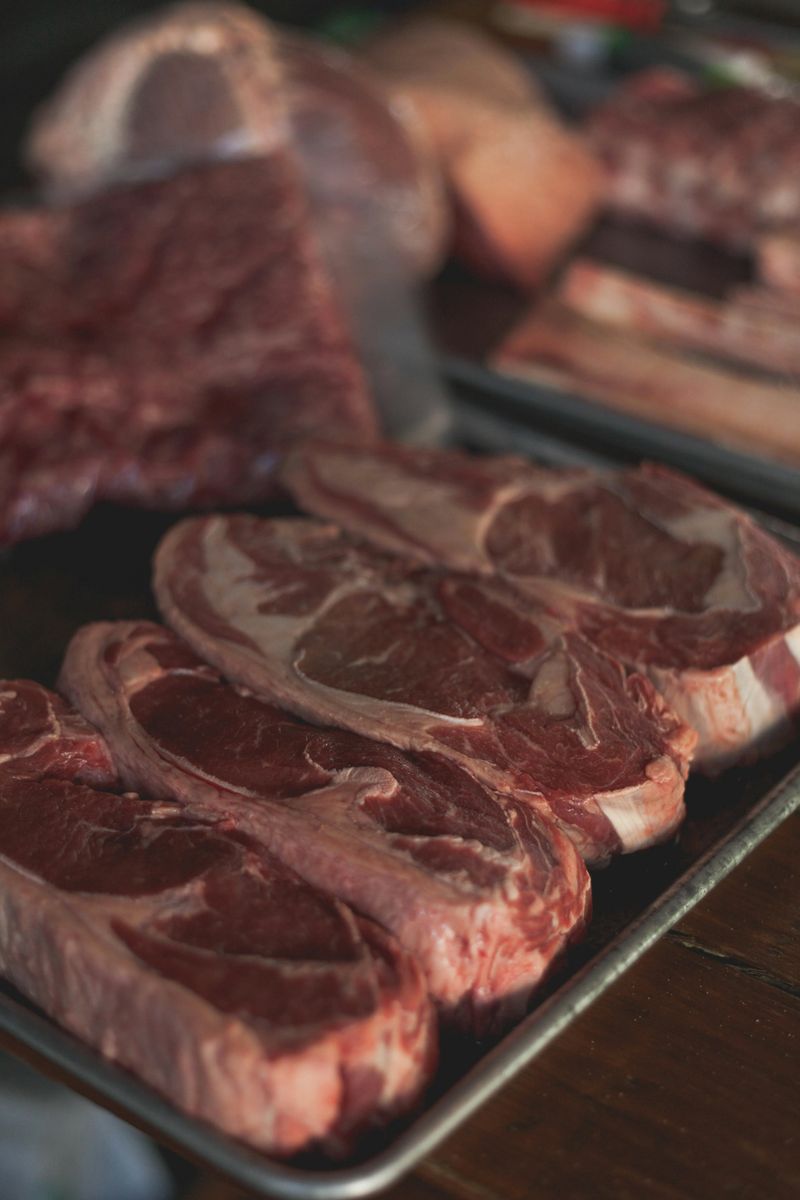
Beef, pork, and lamb may taste delicious on your dinner plate, but they come loaded with saturated fat that can raise your LDL cholesterol—the “bad” kind that clogs arteries.
A juicy steak or pork chop might seem harmless, but regular consumption adds up quickly.
Health experts recommend choosing leaner protein sources like chicken, turkey, or fish instead.
If you can’t resist red meat entirely, opt for smaller portions and select the leanest cuts available.
Grass-fed options may contain slightly better fat profiles, but moderation remains key.
Your heart will thank you for making this simple swap at mealtime.
2. Processed Meats
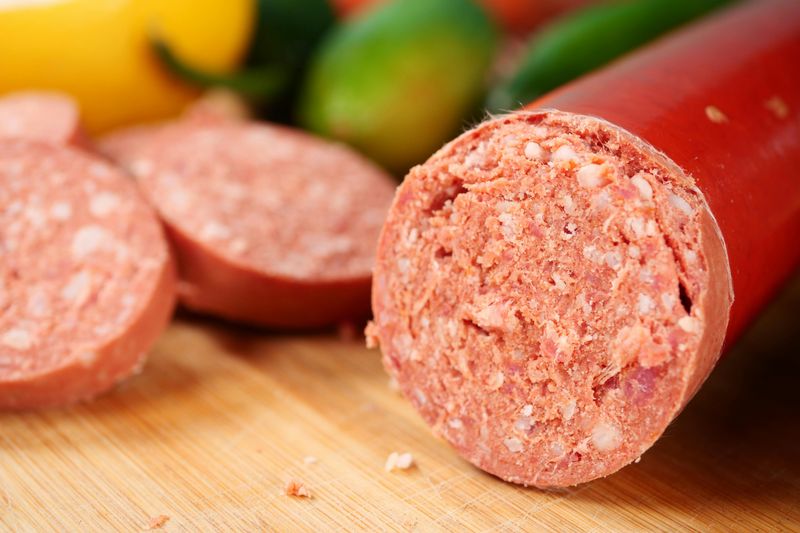
Bacon sizzling in the morning, hot dogs at the ballgame, or salami on your sandwich—these convenient favorites are among the worst offenders for cholesterol levels.
Packed with saturated fats and often loaded with sodium, processed meats undergo treatments that make them particularly unhealthy.
Studies have linked regular consumption to increased heart disease risk and higher LDL cholesterol.
The curing, smoking, and preserving processes add chemicals and extra salt that compound the problem.
Consider swapping these for fresh, unprocessed proteins whenever possible.
Your arteries will appreciate the break from these heavily processed options that offer little nutritional benefit.
3. Full-Fat Dairy Products
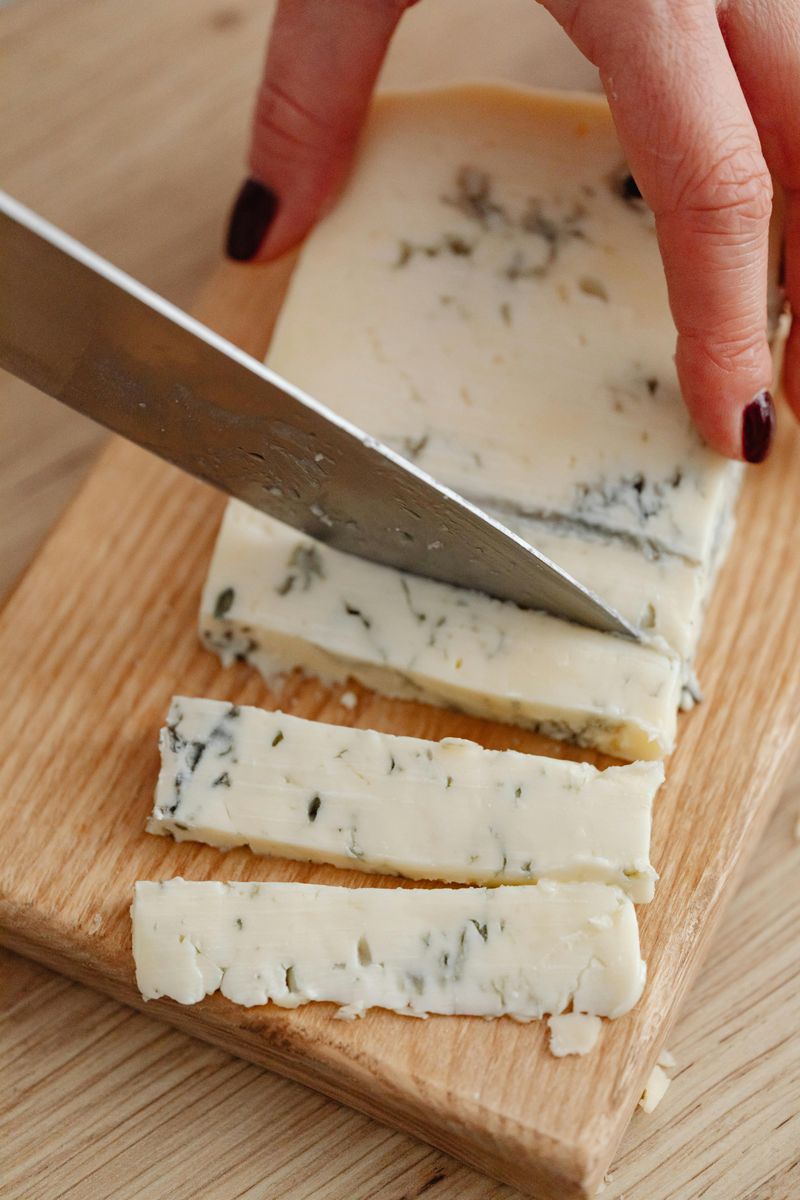
Whole milk, heavy cream, full-fat yogurt, and rich cheeses taste creamy and satisfying, but they’re packed with saturated fat that directly raises LDL cholesterol.
Many people don’t realize how much saturated fat they consume through dairy alone.
A single cup of whole milk contains about 5 grams of saturated fat, and that adds up fast when you include cheese, yogurt, and cream throughout the day.
Switching to low-fat or fat-free dairy options can dramatically reduce your saturated fat intake without sacrificing calcium and protein.
Skim milk, reduced-fat cheese, and Greek yogurt made from low-fat milk are excellent alternatives that support heart health.
4. Butter and Ghee
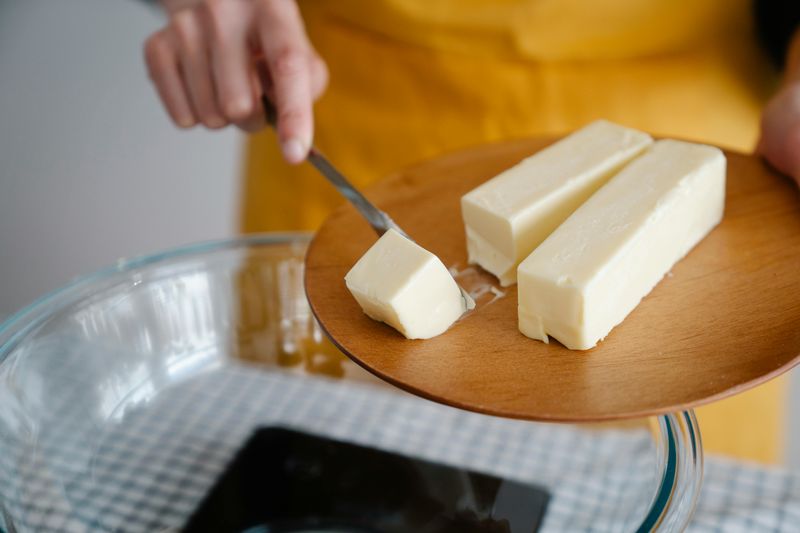
That golden pat of butter melting on your toast or the spoonful of ghee flavoring your vegetables might seem innocent, but both are extremely rich in saturated fat.
Just one tablespoon of butter contains about 7 grams of saturated fat—nearly half the daily recommended limit for many adults.
Ghee, which is clarified butter popular in Indian cooking, has an even higher concentration of saturated fat.
While it has been used traditionally for centuries, modern science shows its impact on cholesterol levels.
Healthier alternatives include olive oil, avocado oil, or small amounts of plant-based spreads without trans fats for cooking and flavoring.
5. Fried Foods

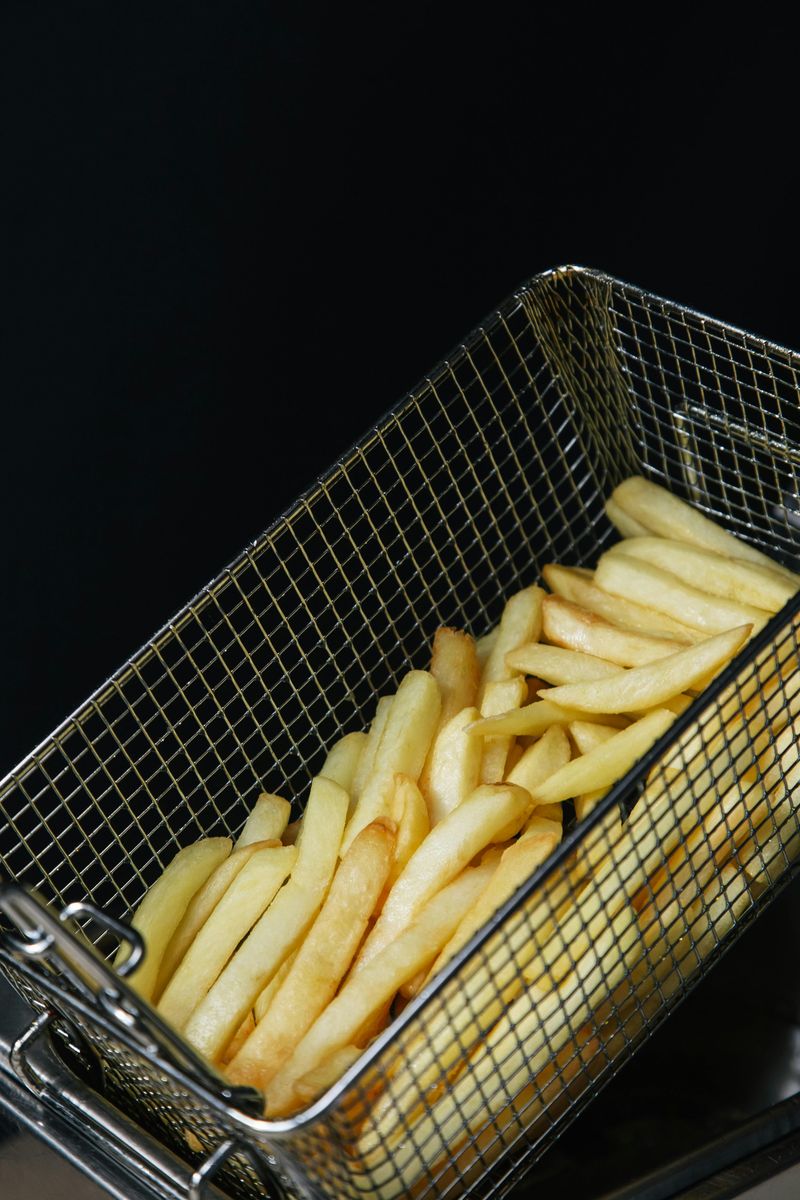
Crispy french fries, crunchy fried chicken, and other deep-fried favorites are among the most dangerous foods for cholesterol management.
The frying process saturates food with unhealthy fats, and many restaurants use oils containing trans fats or reuse oil repeatedly, making matters worse.
A single serving of fried foods can contain massive amounts of saturated and trans fats that spike LDL cholesterol.
The high temperatures also create harmful compounds that damage blood vessels.
Baking, grilling, or air-frying offer much healthier cooking methods that deliver satisfying crunch without the cholesterol-raising oils.
Your taste buds can adjust, and your heart will definitely benefit.
6. Baked Goods and Pastries

Doughnuts, cookies, cakes, and pastries from bakeries often contain a dangerous combination of saturated fats, trans fats, and refined sugars.
Commercial baked goods frequently use shortening or partially hydrogenated oils to extend shelf life and improve texture.
Even homemade versions made with butter contain significant saturated fat.
One doughnut can pack 5-10 grams of unhealthy fats that raise bad cholesterol and lower good cholesterol simultaneously.
The sugar content also contributes to weight gain and inflammation, compounding cardiovascular risks.
Choosing fresh fruit, whole-grain options, or homemade treats with healthier oils provides sweetness without the cholesterol consequences that threaten heart health.
7. Fast Foods
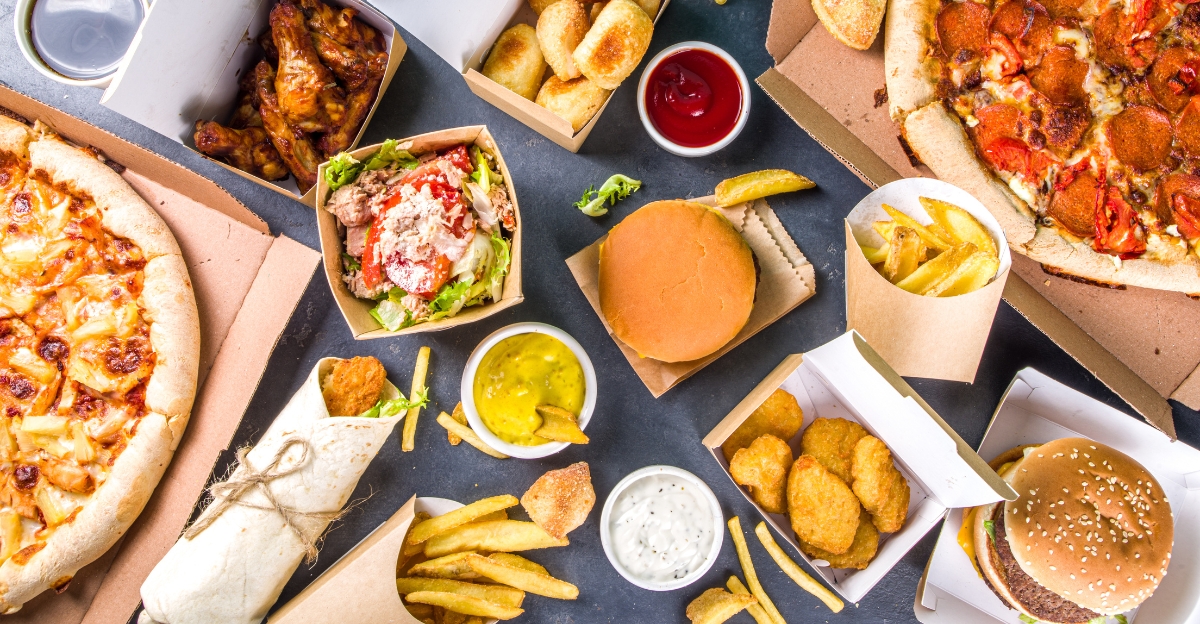
Drive-through burgers, pizza loaded with high-fat toppings, and other fast food staples are convenient but terrible for cholesterol levels.
These meals combine multiple cholesterol-raising ingredients—fatty meat, full-fat cheese, creamy sauces, and fried components—into single dishes.
A typical fast food burger with cheese and special sauce can contain 15-20 grams of saturated fat, exceeding daily limits in one meal.
Pizza with pepperoni, sausage, and extra cheese isn’t much better.
Fast food restaurants prioritize taste and cost over health, using cheap oils and fatty ingredients.
Preparing meals at home or choosing healthier restaurant options gives you control over ingredients and portion sizes.
8. Tropical Oils
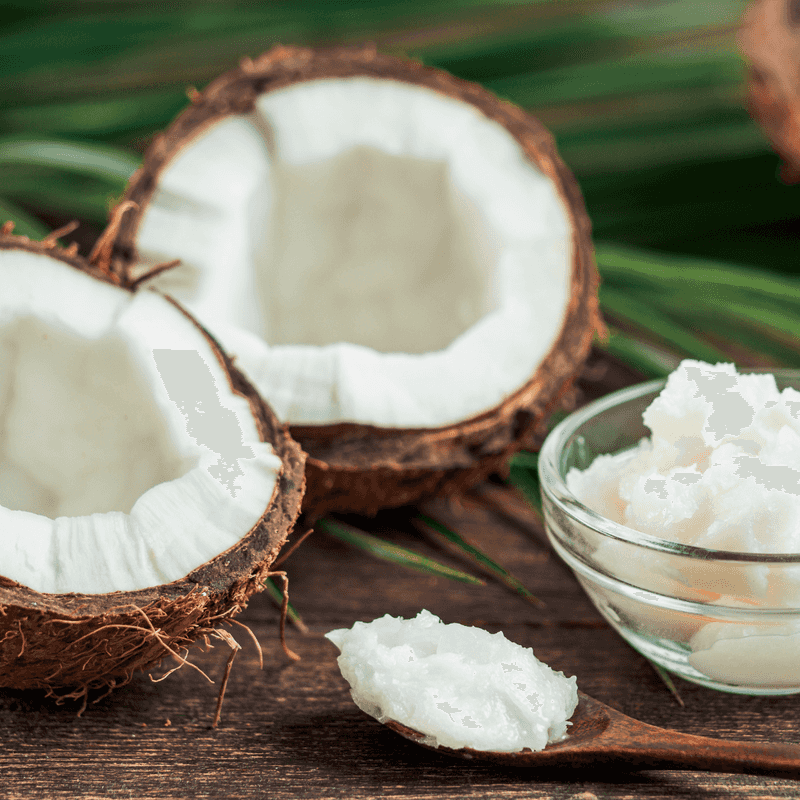
Coconut oil, palm oil, and palm kernel oil have gained popularity in recent years, with some claiming health benefits.
However, these tropical oils are extremely high in saturated fat—even higher than butter in many cases.
Coconut oil contains about 90% saturated fat, making it one of the most saturated fat-dense foods available.
While some research suggests different effects than animal fats, most health organizations still recommend limiting tropical oils for cholesterol management.
Palm oil appears in countless processed foods because it’s cheap and shelf-stable.
Reading ingredient labels and choosing products made with unsaturated oils like olive or canola oil helps protect your heart.
9. Margarine and Partially Hydrogenated Oils
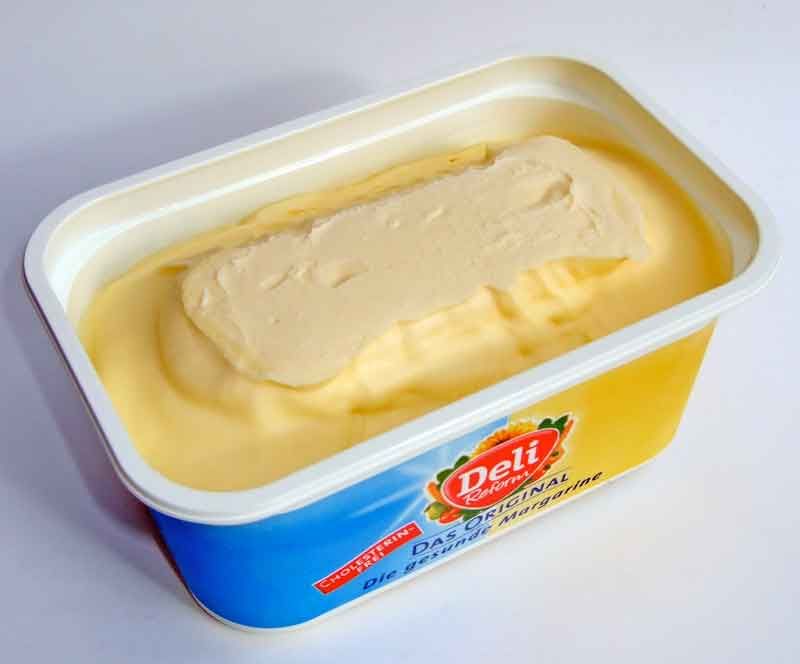
Originally marketed as a healthier butter alternative, margarine and products containing partially hydrogenated oils are actually worse for cholesterol.
These contain artificial trans fats created through hydrogenation, which simultaneously raises bad LDL cholesterol and lowers good HDL cholesterol.
Even small amounts of trans fats significantly increase heart disease risk.
Many countries have banned or restricted these dangerous fats, but they still lurk in some products.
Always check ingredient labels for “partially hydrogenated” oils and avoid them completely.
Soft spreads made from olive or canola oil without hydrogenation offer better alternatives that won’t sabotage your cholesterol-lowering efforts.
10. Highly Processed Packaged Snacks
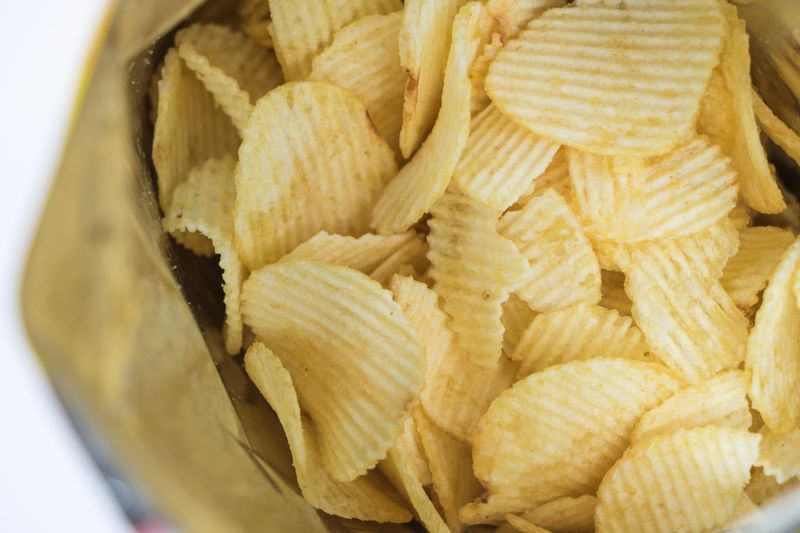
Potato chips, cheese crackers, and other packaged snacks lining grocery store aisles are engineered for addictive taste but wreak havoc on cholesterol levels.
Most contain combinations of saturated fats, trans fats, and excessive sodium that damage cardiovascular health.
Manufacturers use cheap oils and add flavoring chemicals to create cravings.
A single serving—which is usually much smaller than what people actually eat—can contain several grams of unhealthy fats.
The salt content also contributes to high blood pressure, creating a double threat to heart health.
Choosing whole food snacks like nuts, vegetables with hummus, or air-popped popcorn satisfies cravings without the cholesterol-raising consequences.