 MomSkoop

Living alone offers freedom, independence, and the chance to create a home that reflects your lifestyle. However, it also means you’re solely responsible for your safety, finances, health, and daily routines. Small oversights that seem harmless can quickly become bigger problems when there’s no one else around to notice or help.
From neglecting home security to overlooking emergency preparedness, certain habits can make living alone more stressful than it needs to be. By recognizing these common mistakes and making a few simple changes, you can enjoy the benefits of solo living while staying safe, organized, and confident.
1. Ignoring Basic Home Security
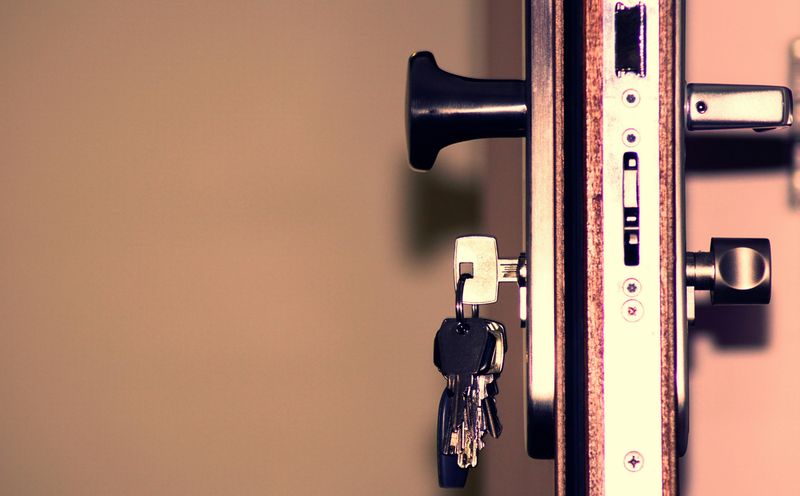
A door left unlocked for just five minutes is all it takes for something to go wrong.
When you live alone, your home security is entirely your responsibility, and that can feel overwhelming at first.
Simple habits like locking your door every time you come in and using a deadbolt can make a huge difference.
Avoid sharing your home address or daily schedule publicly on social media.
Not checking who is at the door before opening it is one of the most common and avoidable risks solo dwellers face.
A peephole, video doorbell, or even a simple chain lock adds a meaningful layer of protection without costing much.
2. Not Having an Emergency Plan
Most people assume emergencies happen to someone else, right up until they happen to them.
When you live alone, there is no one in the next room to call for help if something goes wrong.
Having a clear plan in place before a crisis hits is one of the smartest things you can do for yourself.
Save emergency numbers in your phone and write them down somewhere visible too.
Pick a trusted friend, neighbor, or family member as your go-to emergency contact.
Knowing what to do during a medical issue, fire, or power outage gives you confidence and can genuinely save your life when seconds count most.
3. Letting Maintenance Issues Slide
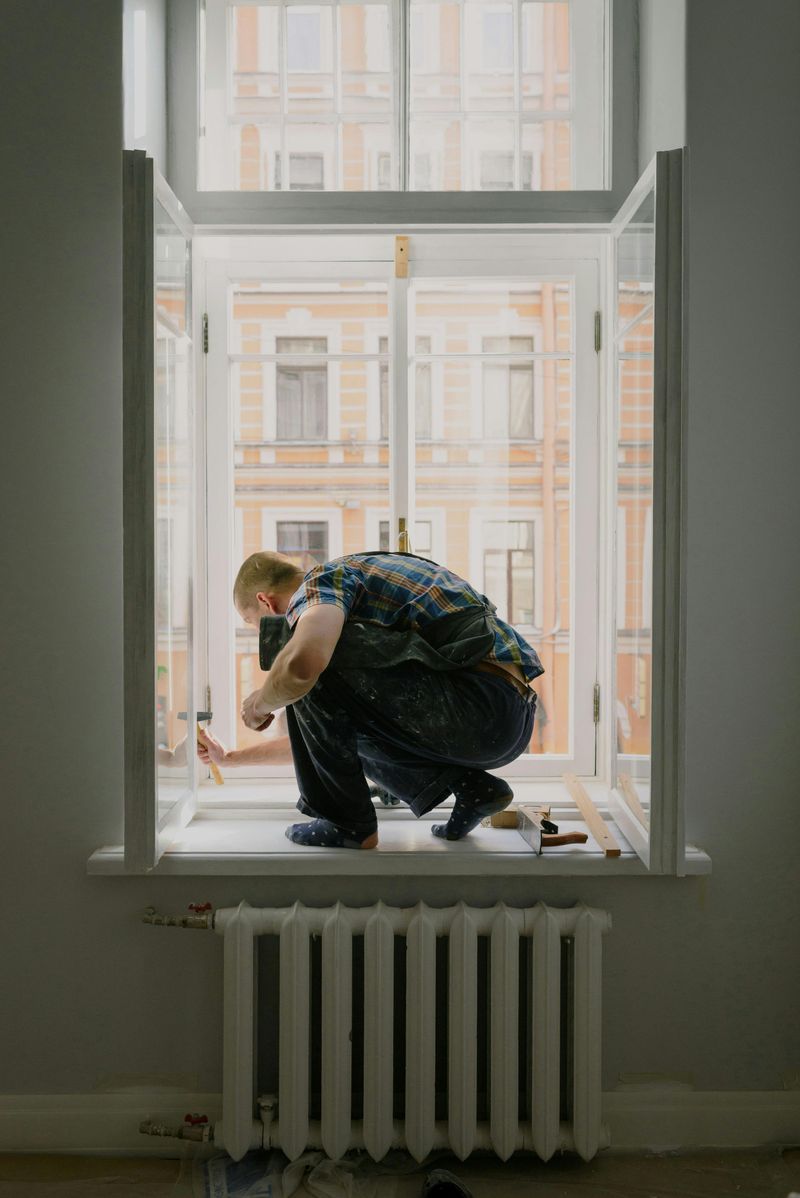
That tiny drip under the sink?
It might not seem like a big deal today, but give it a few weeks and you could be looking at water damage, mold, or a plumbing bill that hurts your wallet hard.
Small maintenance issues almost always grow into larger, costlier ones when ignored.
Living alone means no one else is going to notice or report a broken lock, a flickering light, or a strange smell from the heater.
Make it a habit to do a quick monthly walk-through of your home looking for anything that seems off.
Catching problems early saves money, stress, and sometimes even prevents dangerous situations from developing further.
4. Skipping Regular Cleaning
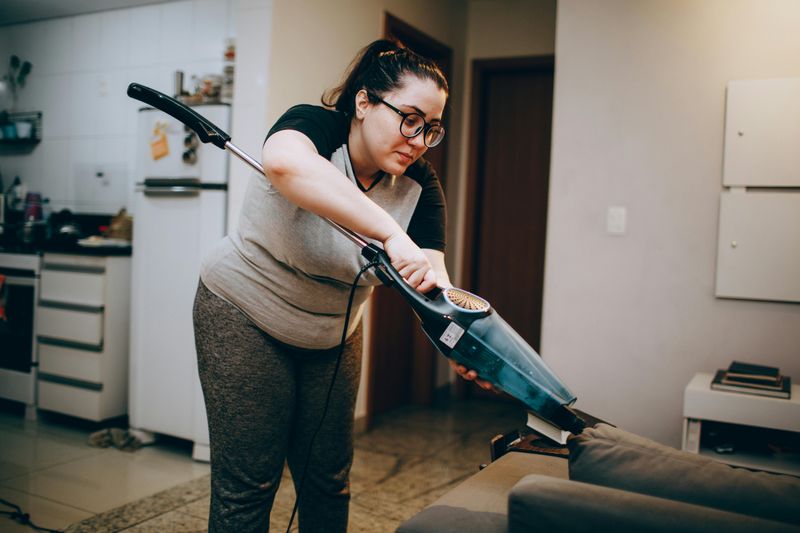
When no one else is coming over, it is surprisingly easy to let the dishes pile up or skip vacuuming for a week or two.
But clutter and mess do more than just look bad.
Studies have found that messy environments can increase stress levels and make it harder to focus or feel at ease at home.
Poor hygiene around the kitchen or bathroom can also attract pests and lead to health problems over time.
Setting a simple weekly cleaning routine, even just 20 to 30 minutes of tidying each day, keeps things manageable without feeling like a major chore.
A cleaner space genuinely supports a clearer, calmer mind.
5. Not Managing Your Finances Carefully

Here is a reality check: when you live alone, every single bill lands in your lap.
There is no splitting rent, no sharing groceries, and no one to cover for you if you overspend one month.
Financial mistakes hit harder and faster when you are the only income in the household.
Late payments can damage your credit score, and living without an emergency fund means one unexpected car repair or medical bill can throw everything off balance.
Track your spending with a simple app or spreadsheet.
Even saving a small amount each month into an emergency fund creates a cushion that can keep a stressful situation from becoming a full-blown financial crisis.
6. Isolating Yourself Too Much
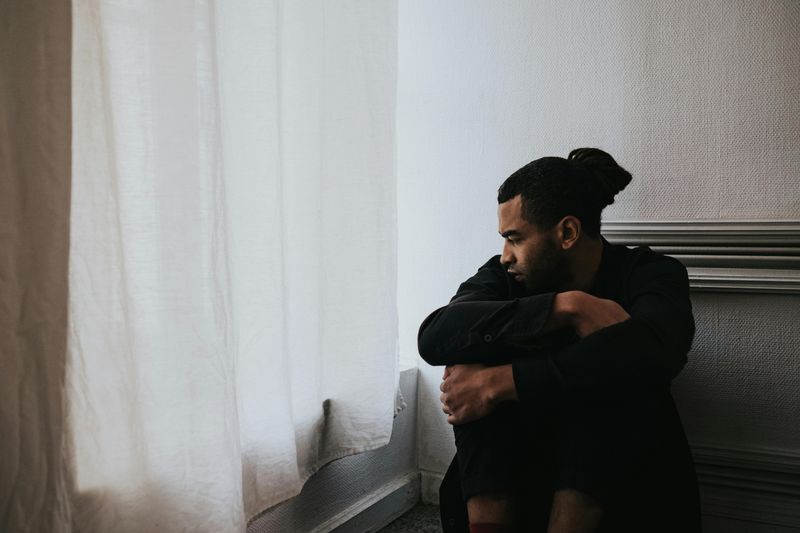
Solitude has its perks.
You can eat cereal for dinner at midnight without judgment, and nobody touches your stuff.
But there is a real difference between enjoying alone time and slowly withdrawing from the world around you.
Too much isolation without meaningful social connection can quietly chip away at your mental health.
Loneliness has been linked to increased anxiety, depression, and even physical health problems over time.
Make a point to reach out to friends or family regularly, even just a quick text or phone call.
Joining a local class, club, or community group is another great way to stay connected.
Human connection is not optional, it is essential.
7. Sharing Too Much Online

Posting a cute photo of your new apartment is totally normal, but sharing your exact address, daily schedule, or the fact that you live alone can quietly put you at risk.
Not everyone scrolling through your feed has good intentions, and oversharing location details is something many solo dwellers do without thinking twice.
A simple rule to follow: never publicly post that you are home alone, and avoid tagging your exact location in real time.
Even turning off automatic location features on your apps adds a useful layer of privacy.
Review your social media privacy settings regularly.
What feels like harmless sharing can occasionally hand the wrong person more information than they should have.
8. Not Stocking Household Essentials
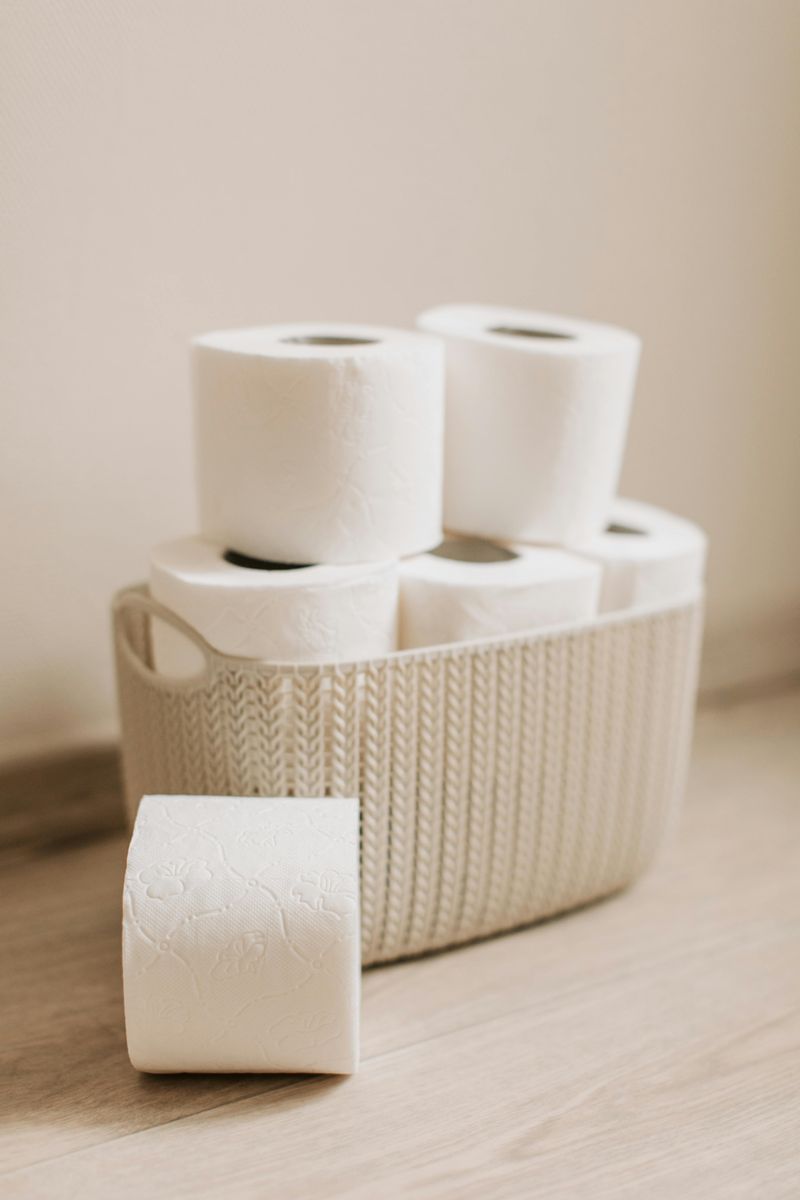
Running out of toilet paper at midnight or realizing you have no fever medicine when you are sick and home alone is genuinely miserable.
When you live solo, there is no one else to make a quick store run on your behalf.
Keeping basic supplies stocked is a small habit that pays off in a big way.
Think beyond food.
A well-stocked medicine cabinet, extra batteries, a flashlight, and basic cleaning supplies can save you during everything from a minor cold to a power outage.
Try doing a quick inventory check once a month.
Building a simple shopping list habit means you are rarely caught off guard by something as fixable as an empty pantry.
9. Ignoring Your Personal Health

When nobody is around to notice, it becomes very easy to skip meals, stay up too late, or blow off exercise for days at a time.
There is no one nudging you to eat something nutritious or reminding you to get to bed at a reasonable hour.
That freedom can quietly turn into harmful patterns.
Poor sleep, irregular eating, and a lack of movement each have real effects on your energy, mood, and long-term health.
Try building a basic daily routine that includes regular meals, some physical activity, and a consistent sleep schedule.
Even small, manageable habits add up over time.
Taking care of yourself is not selfish, it is the foundation everything else rests on.
10. Opening the Door to Strangers
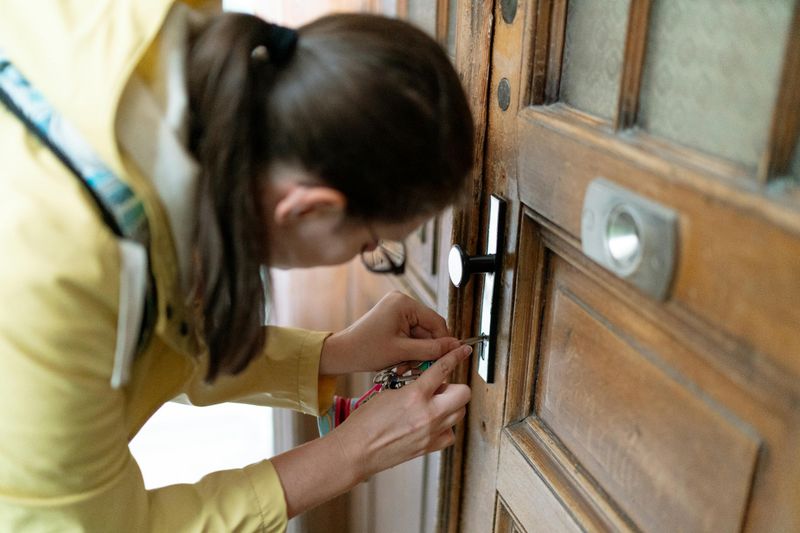
A knock at the door might seem harmless, but opening it without verifying who is on the other side is a habit that carries real risk, especially for solo residents.
Scammers, con artists, and criminals sometimes pose as delivery drivers or utility workers to gain entry into homes.
Always use your peephole or video doorbell before opening the door to anyone you do not recognize.
Ask delivery drivers to leave packages at the door rather than accepting them in person when possible.
Legitimate service workers will always have proper identification and will not pressure you to let them in immediately.
Trust your instincts, and never feel embarrassed for being cautious about who enters your home.
11. Relying on Memory Instead of Routines
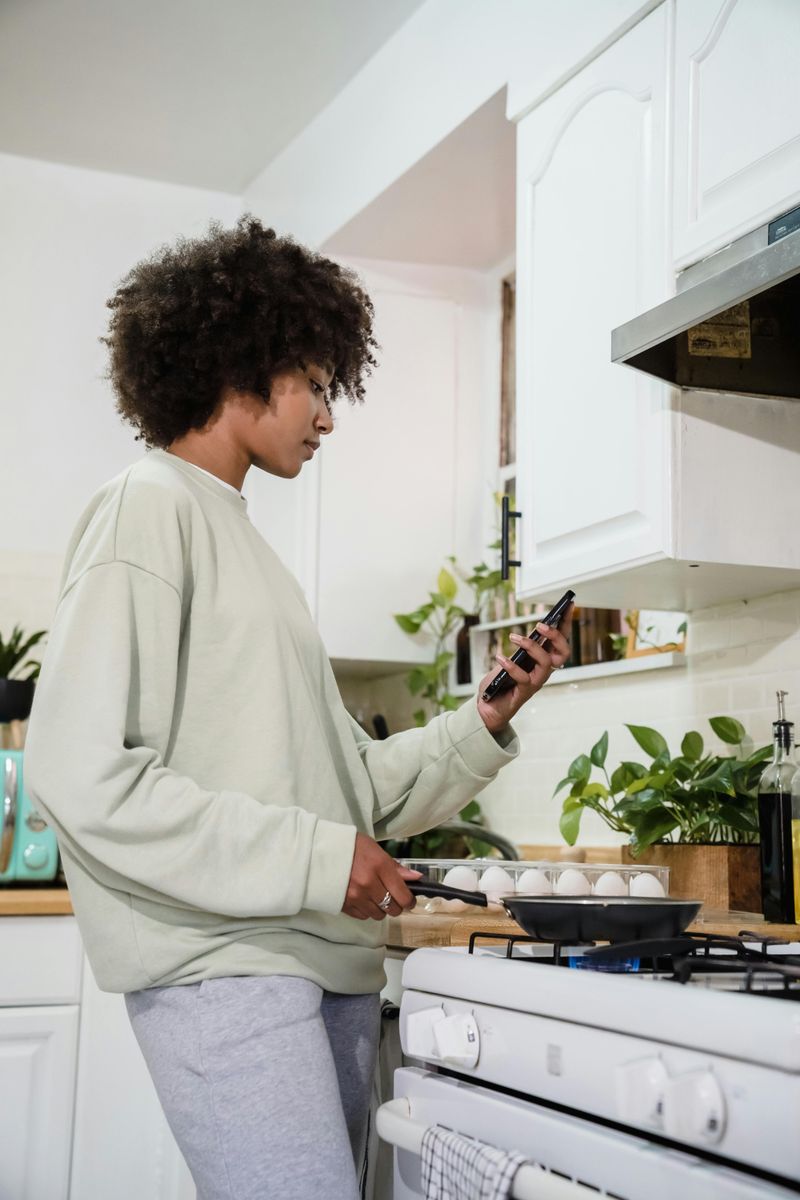
Did you lock the door?
Did you turn off the stove?
When you live alone, there is no one else to double-check the things you might have forgotten.
Relying purely on memory is a gamble that can lead to small disasters, from a flooded bathroom to a safety hazard left unchecked all day.
Building simple, consistent routines takes the pressure off your brain.
Try a quick exit checklist, either written on a notepad or saved on your phone, that covers the basics before you leave each day.
Habits like always placing your keys in the same spot or turning off the stove as a rule before leaving make solo living smoother, safer, and far less stressful overall.
12. Not Checking In With Someone Regularly
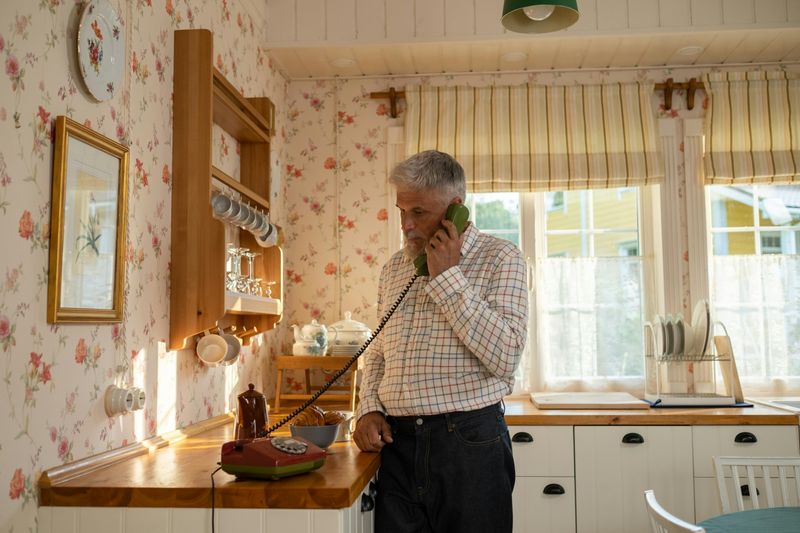
Imagine going three days without anyone noticing you have not responded to messages.
For people living alone, that scenario is more common than most would like to admit.
Without regular contact with someone who cares about your well-being, a medical emergency or accident could go unnoticed for far too long.
Setting up a simple check-in system with a trusted friend or family member does not have to feel dramatic.
A quick daily text, a shared location on your phone, or even a regular scheduled call is enough to create a safety net.
Knowing someone will notice if you go quiet is genuinely reassuring.
It is one of the easiest habits to build and one of the most important for solo living.
13. Forgetting to Back Up Important Documents
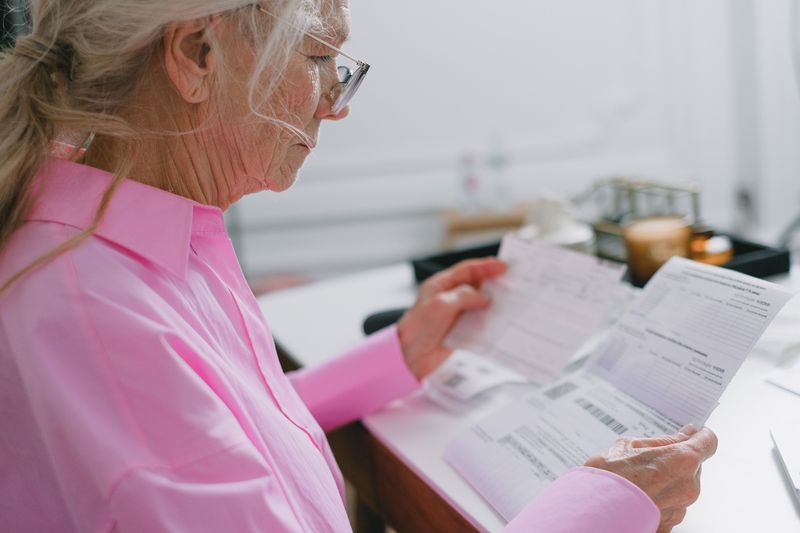
Passport, lease agreement, insurance papers — these documents matter more than most people realize until they are gone.
When you live alone, there is no one else to track down copies or remind you where things are stored.
Keeping digital backups of your most critical paperwork on a secure cloud service or external drive takes less than an hour but can save enormous stress later.
Make it a habit to scan anything new that arrives.
A lost document during a medical emergency or legal situation can create serious delays that are completely avoidable with a little preparation upfront.
14. Not Creating a Healthy Daily Routine
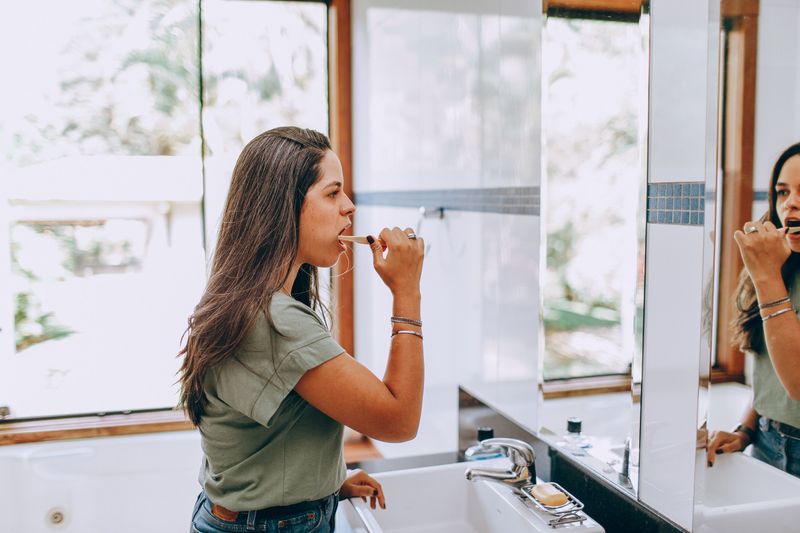
Without someone else in the house to keep things moving, mornings can easily blur into afternoons.
A loose schedule might feel freeing at first, but over time it quietly chips away at your productivity, sleep, and mood.
Setting consistent wake-up times, meal breaks, and wind-down rituals gives your day structure and your mind something to anchor to.
You do not need a rigid planner to make this work.
Even simple, repeatable habits like making your bed each morning or logging off screens by a certain hour can make a real difference in how you feel every day.