 MomSkoop
Living alone comes with a certain kind of freedom that’s hard to beat. You make the rules, set the schedule, and have the whole place to yourself.
But with that independence comes real responsibility, especially when something goes wrong and there’s no one else around to help. Stocking your home with the right essentials can make solo living safer, smarter, and a whole lot more stress-free.
1. First-Aid Kit
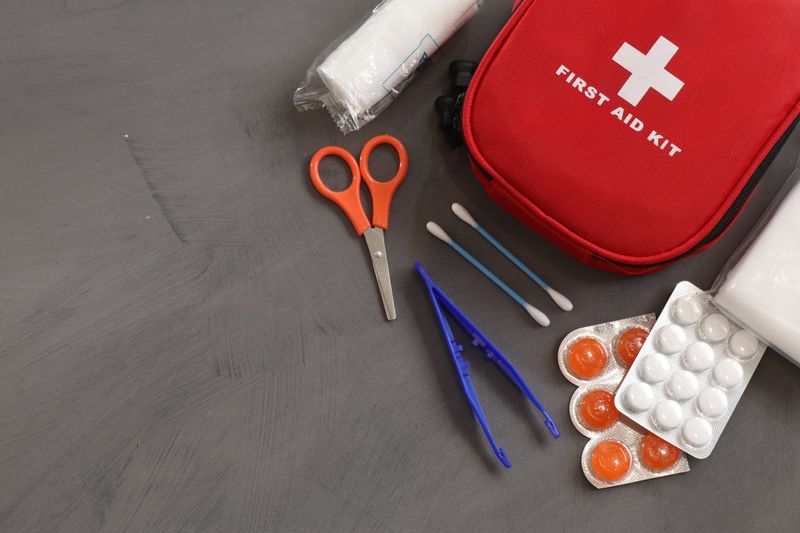
Accidents don’t wait for a convenient time, and when you live alone, you’re your own first responder.
A good first-aid kit is one of the smartest things you can keep at home.
Stock it with adhesive bandages, antiseptic wipes, gauze pads, medical tape, and tweezers.
Keep it somewhere easy to reach, like a bathroom cabinet or kitchen shelf.
Many people forget to check their kits regularly, but expired supplies won’t do much good in a real emergency.
Set a reminder every six months to refresh the contents.
A basic kit costs very little but can handle cuts, burns, sprains, and minor injuries with confidence.
You’ll be glad it’s there the moment you need it.
2. Fire Extinguisher
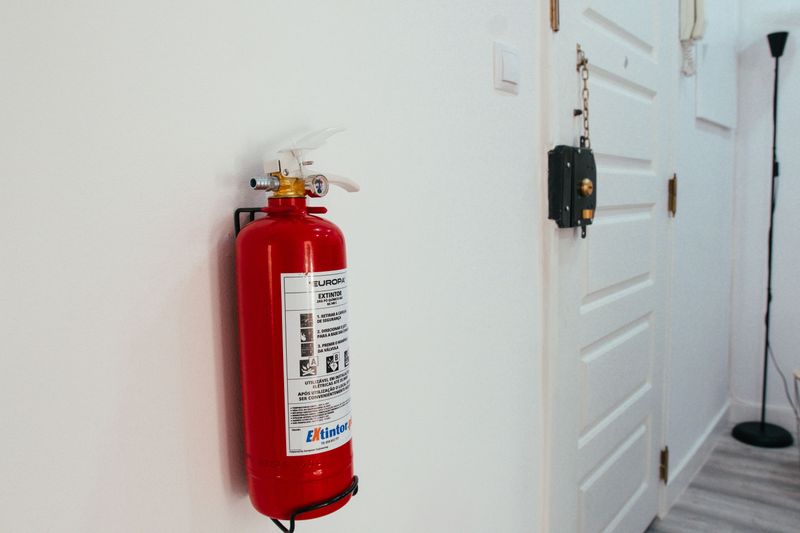
A small kitchen fire can go from manageable to dangerous in under a minute.
Having a fire extinguisher within arm’s reach could literally save your home and your life.
Most apartment fires start in the kitchen, making it the number one place to keep one mounted and ready.
Look for a multi-purpose ABC-rated extinguisher, which handles fires from wood, electrical sources, and flammable liquids.
It’s also worth watching a quick tutorial video so you know how to use it correctly under pressure.
Check the pressure gauge every few months to make sure it’s still charged.
Living solo means no backup plan, so being prepared ahead of time is the smartest move you can make.
3. Flashlight with Spare Batteries
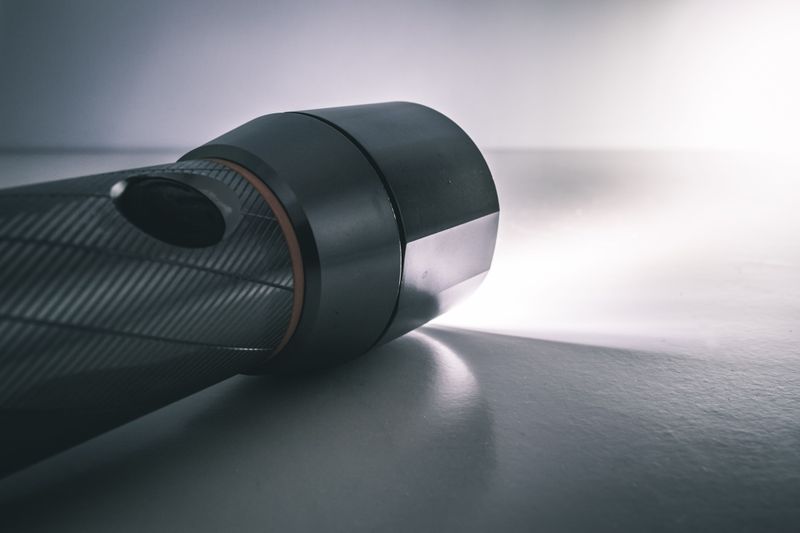
Power outages have a funny way of happening at the worst possible moments, like late at night during a thunderstorm.
A reliable flashlight with fresh spare batteries is a simple tool that makes a big difference when everything goes dark.
Don’t rely solely on your phone’s flashlight since your battery might already be low.
Keep one flashlight in your bedroom and another in a kitchen drawer so you’re never fumbling in total darkness.
LED flashlights are a great choice because they’re bright, energy-efficient, and last a long time on a single set of batteries.
Swap out the batteries at least once a year even if they haven’t been used.
Old batteries can leak and damage the flashlight when you need it most.
4. Portable Power Bank
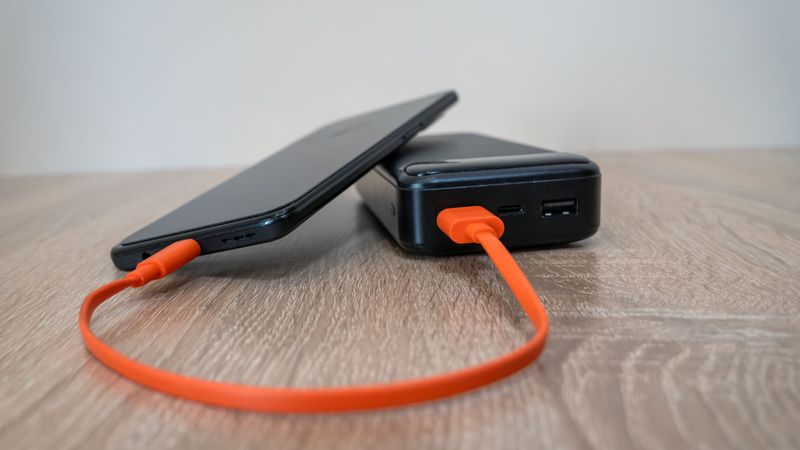
Your phone is your lifeline when you live alone.
It’s how you call for help, look up information, and stay connected with people you trust.
A portable power bank makes sure that lifeline never goes dead at a critical moment.
Choose one with enough capacity to charge your phone at least two or three times.
A 10,000 mAh power bank is a solid starting point for most smartphones.
Keep it charged and stored somewhere you’ll actually remember to grab it, like your nightstand or bag.
Power banks are also incredibly handy during travel, long commutes, or when you’re working away from an outlet.
Think of it as a small insurance policy that fits right in your pocket.
5. Basic Tool Kit
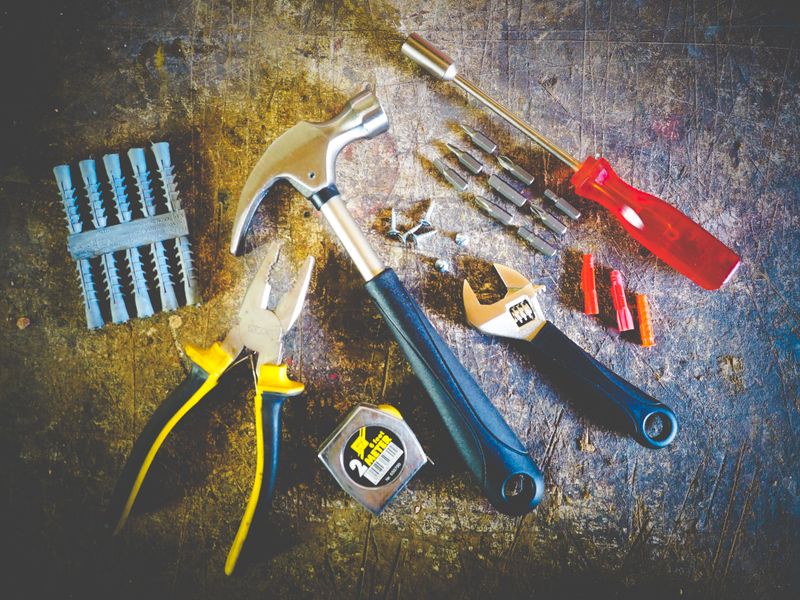
Somewhere between moving in and making a place truly yours, you’ll need to hang a picture, tighten a loose screw, or measure a shelf.
A basic tool kit handles all of that without having to borrow from a neighbor or call someone over.
Your starter kit should include a hammer, a set of flathead and Phillips screwdrivers, needle-nose pliers, and a tape measure.
A level and a utility knife are great additions too.
You don’t need a full workshop setup to handle everyday home fixes.
Knowing how to use basic tools is genuinely empowering, especially when you live solo.
There’s a real satisfaction in fixing something yourself instead of waiting around for someone else to do it.
6. Plunger
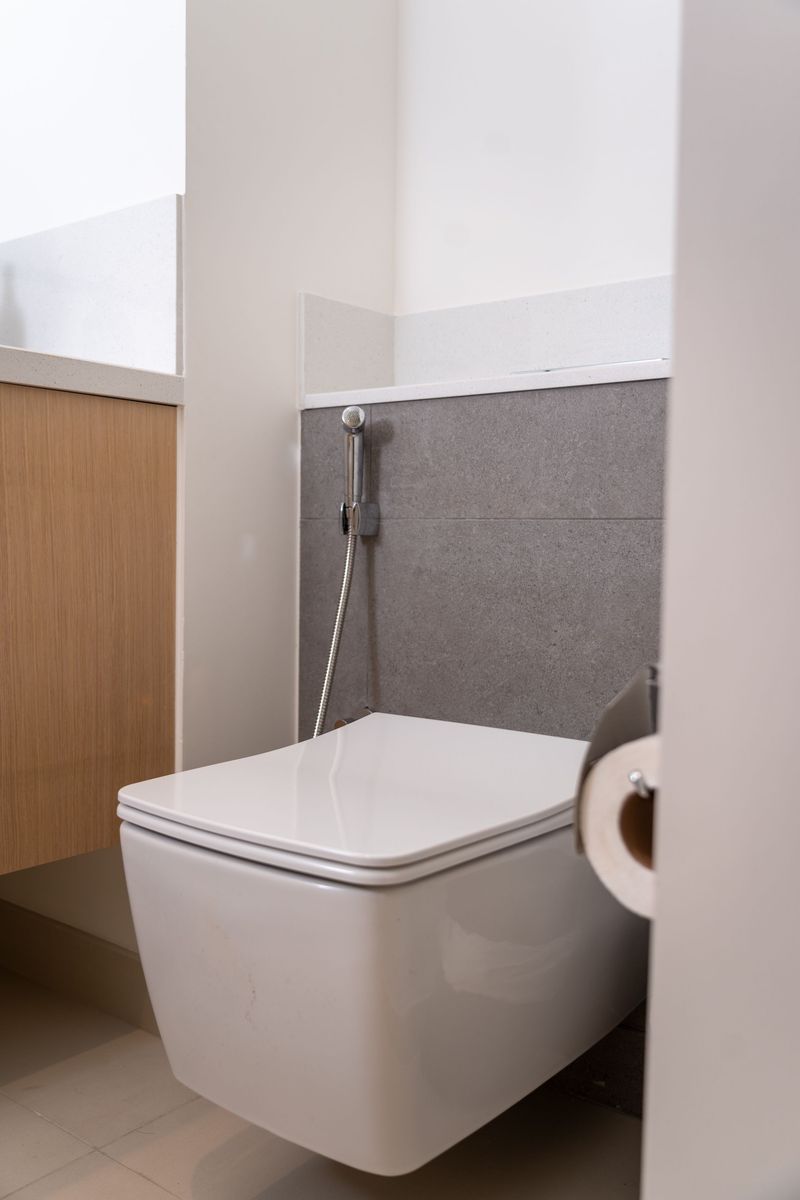
Nobody wants to think about a clogged toilet until they’re suddenly standing in front of one with no help on the way.
A plunger is one of those unglamorous essentials that earns its place the very first time you actually need it.
And trust the process, that day will come.
Keep a standard cup plunger in every bathroom in your home.
If you want to be extra prepared, a flange plunger works better on toilets and is worth the small extra cost.
Store it in a holder or caddy so it stays clean and upright.
Dealing with a clog quickly prevents bigger plumbing problems down the road.
A few dollars spent now can save you a much larger repair bill later.
7. Smoke and Carbon Monoxide Detectors
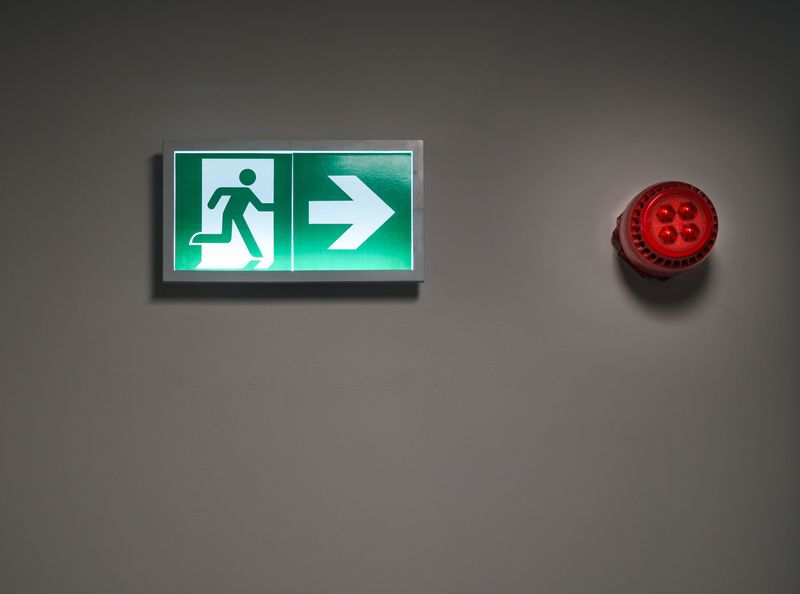
Carbon monoxide is called the silent killer for a reason.
It has no color, no smell, and no taste, yet it can be deadly within hours.
When you live alone, there’s no one else to wake you up or notice something is wrong.
Install a combination smoke and carbon monoxide detector in every bedroom, hallway, and near any gas appliances.
Test them monthly by pressing the test button, and replace the batteries at least once a year.
Many newer models come with 10-year sealed batteries, which makes maintenance even easier.
Some smart detectors now send alerts directly to your phone if an alarm goes off while you’re away.
That extra layer of awareness is priceless when you’re the only one looking out for your home.
8. Extra House Key in a Secure Location
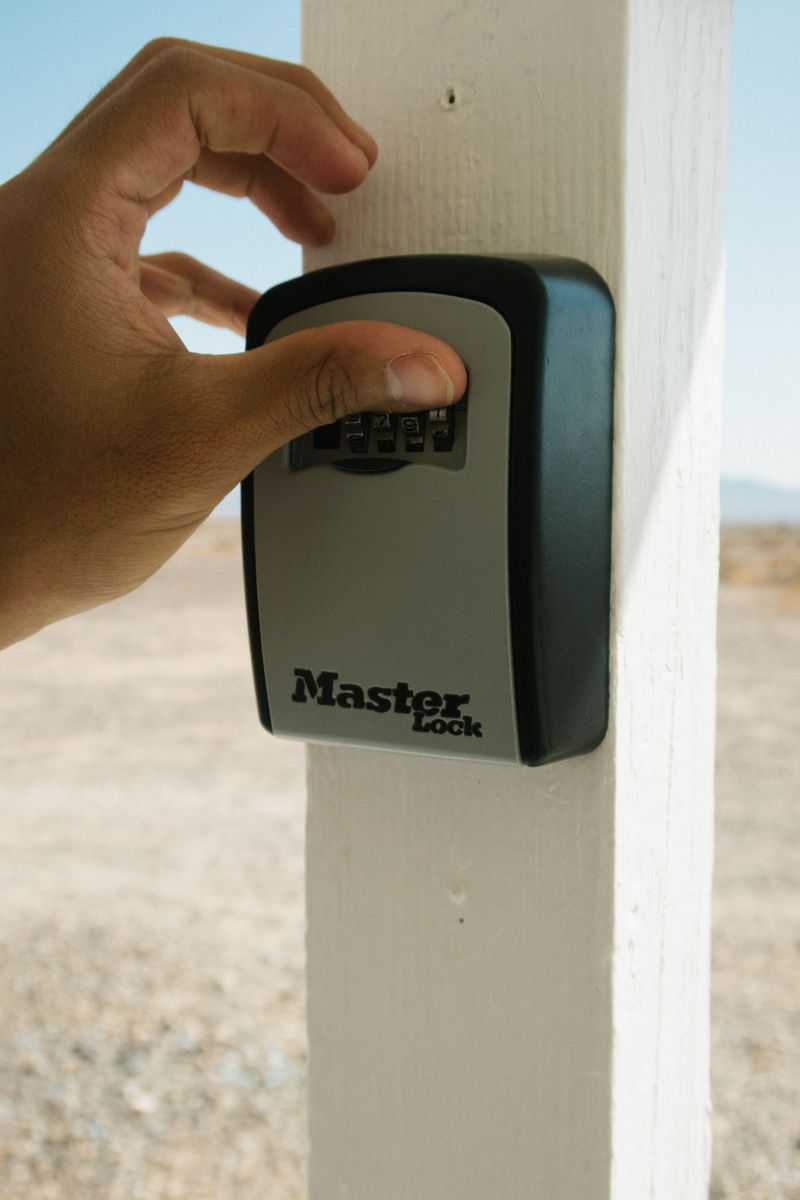
Locking yourself out is one of those things you think will never happen to you, right up until it does.
Having a spare key stored somewhere safe and accessible can save you from a very stressful and expensive situation.
Locksmiths charge a lot more after business hours.
Rather than leaving a key under a doormat or fake rock, which burglars know to check, consider a key lockbox with a combination code.
Mount it somewhere discreet near your entry point.
You can also leave a spare with a trusted neighbor, friend, or family member nearby.
The goal is fast access without compromising security.
Spending a few minutes setting this up now prevents hours of frustration and panic later when you’re locked outside in the cold.
9. Emergency Food and Bottled Water
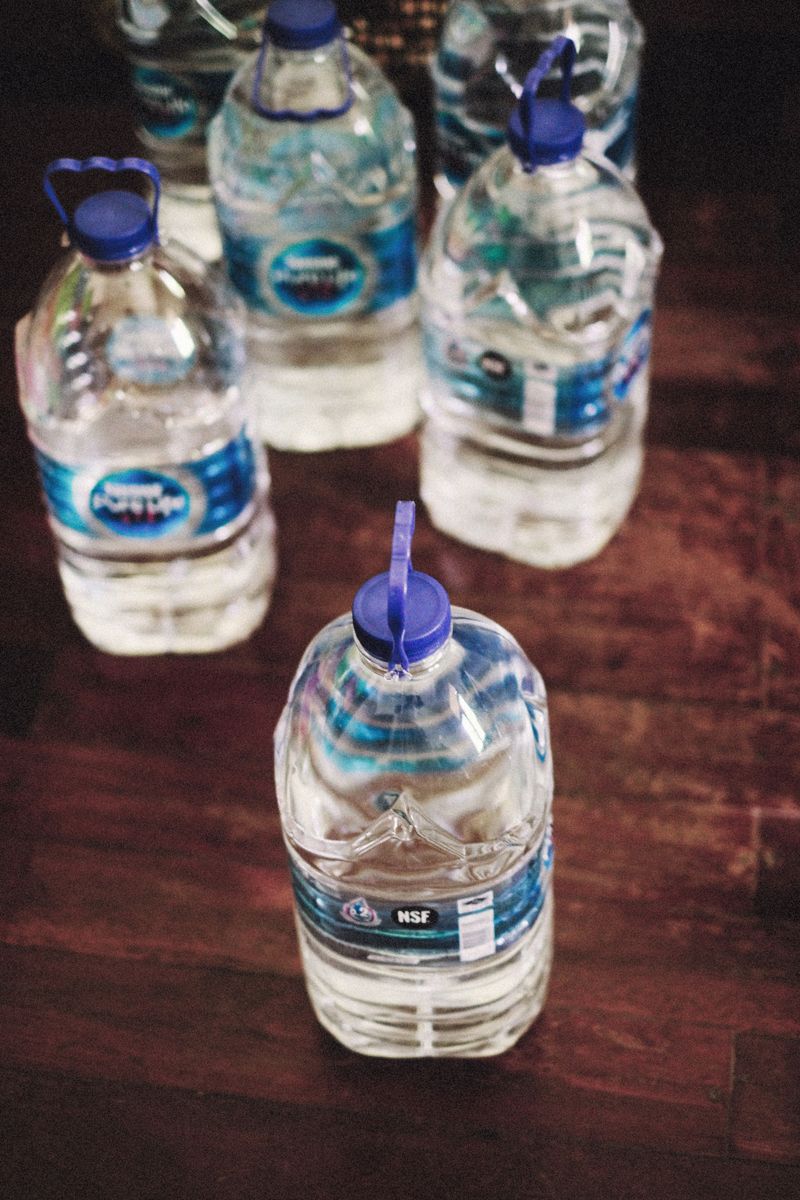
Storms, power outages, illness, or unexpected situations can leave you stuck at home without the ability to run to a store.
Having a small supply of emergency food and bottled water means you’re covered no matter what comes your way.
It’s one of those preparations you’ll be quietly grateful for.
Aim to keep at least three days’ worth of non-perishable food on hand.
Think canned beans, soups, crackers, peanut butter, and granola bars.
Store at least one gallon of water per person per day for the same period.
Rotate your supply every six to twelve months so nothing expires without you noticing.
Keeping a small emergency pantry isn’t about fear, it’s just plain smart living for anyone on their own.
10. Multi-Purpose Cleaning Supplies
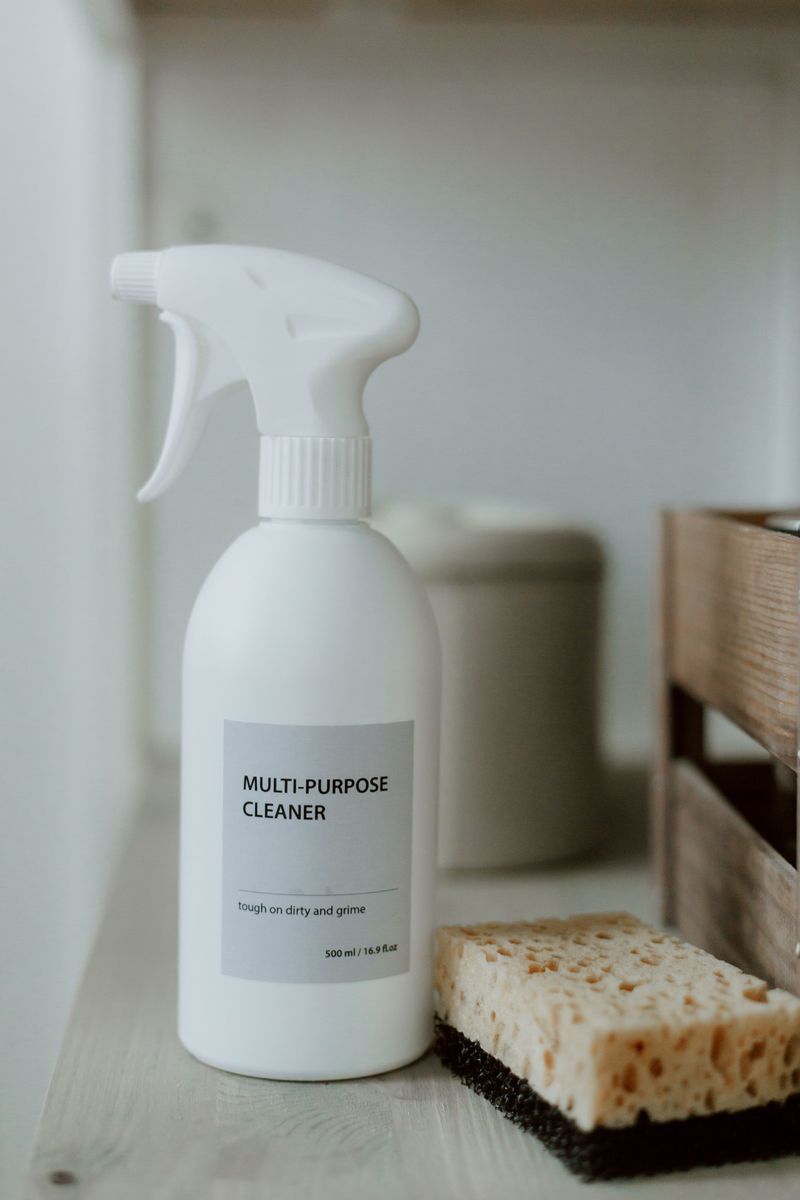
When you live alone, you’re the cleaning crew, the maintenance team, and the household manager all rolled into one.
Having the right cleaning supplies on hand makes keeping your space tidy far less of a chore.
A clean home also does wonders for your mood and mental clarity.
Build a simple kit with an all-purpose spray cleaner, dish soap, a toilet bowl cleaner, glass cleaner, sponges, and microfiber cloths.
A mop and a good vacuum round things out nicely.
Multi-surface products save money and storage space compared to buying a dozen specialty cleaners.
Cleaning regularly in small bursts is much easier than letting messes pile up.
A quick ten-minute tidy-up each day keeps your space feeling fresh without turning cleaning into a weekend-long project.
11. Medication Organizer and Basic Over-the-Counter Medicines
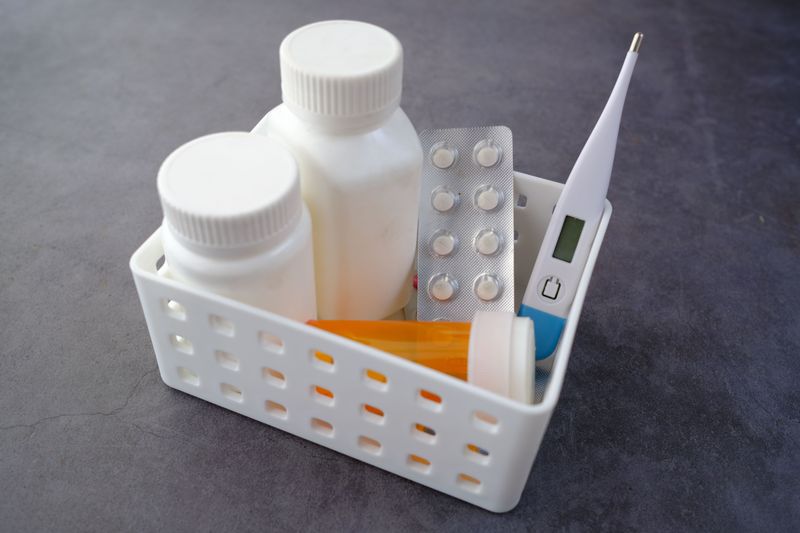
There’s nothing worse than waking up with a splitting headache at midnight and realizing you don’t have a single pain reliever in the house.
Building a small medicine cabinet stash means you’re ready for the most common health hiccups without a late-night pharmacy run.
Stock up on basics like acetaminophen, ibuprofen, antihistamines, antacids, and cold medicine.
A weekly pill organizer is also a fantastic tool if you take any daily vitamins or prescriptions, helping you stay consistent without guessing whether you already took today’s dose.
Keep medicines in a cool, dry spot away from humidity, since bathrooms can actually degrade medications faster than most people realize.
Check expiration dates every few months and replace anything that’s past its prime.
12. Phone Charger in Multiple Rooms
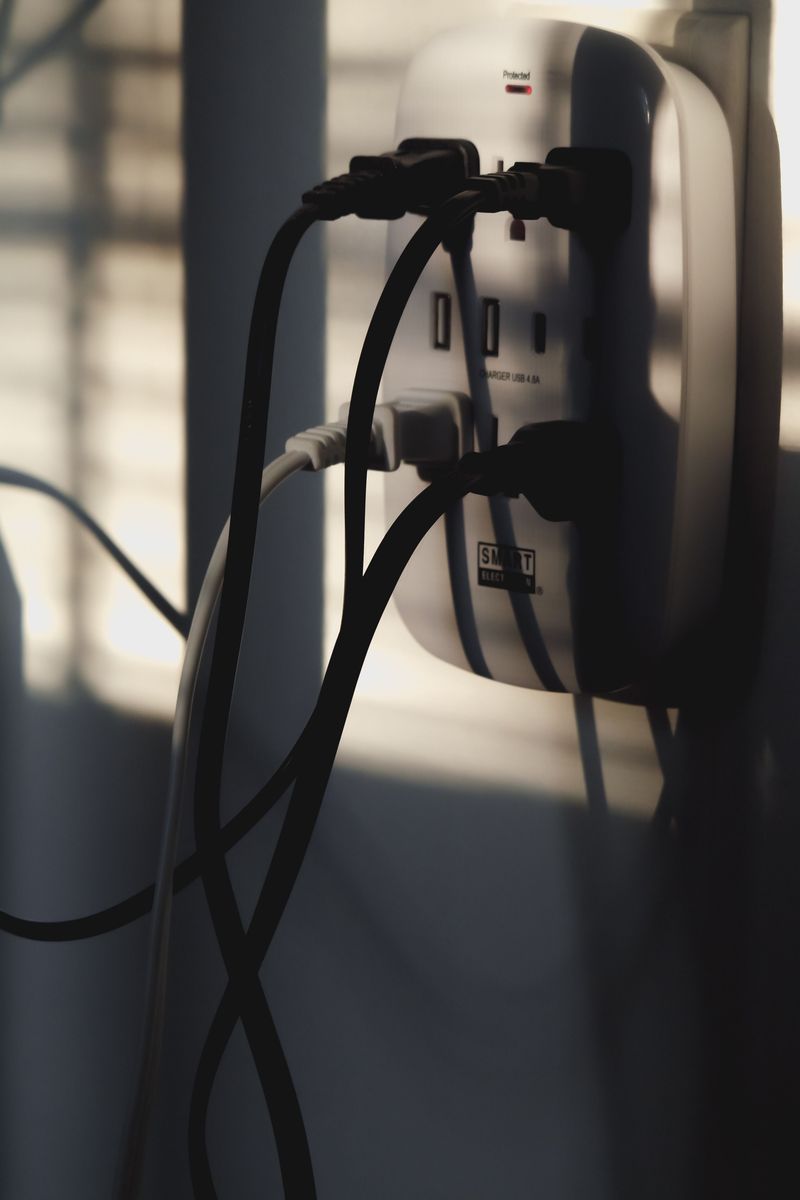
Running from room to room hunting for your charger is a minor inconvenience until the moment it isn’t.
Keeping phone chargers in multiple rooms, especially the bedroom, kitchen, and living area, means your phone is always within reach and powered up when you need it.
This matters most in emergencies.
If something happens in the middle of the night and your phone is charging in the kitchen, precious seconds can be lost.
A bedside charger ensures your phone is always close and ready.
Wireless charging pads are a sleek option that make plugging in effortless.
Buying a few affordable extra cables is a small investment that pays off every single day.
Your future self will thank you for the convenience.
13. Doorbell Camera or Smart Security Device
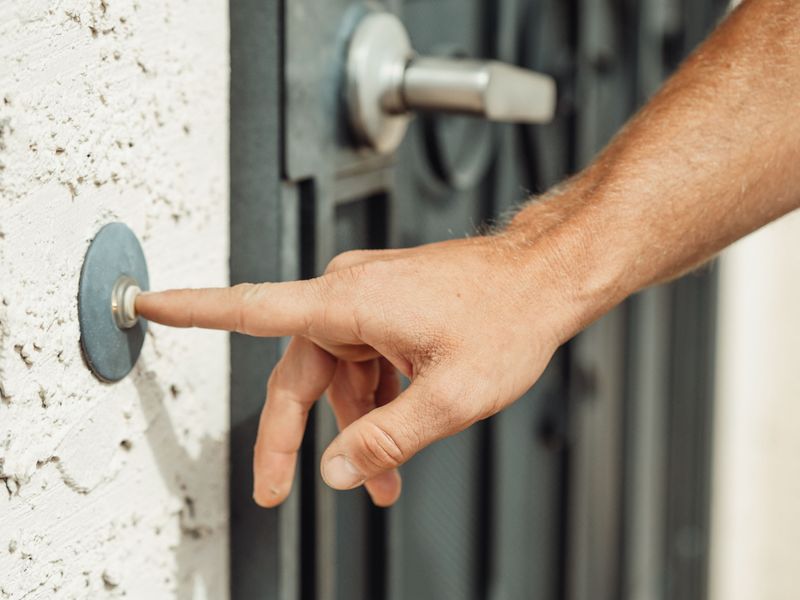
Knowing who’s at your door before you open it is a simple but powerful safety advantage, especially when you live alone.
A doorbell camera lets you see, hear, and even speak to visitors from your phone, whether you’re home or away.
That extra layer of awareness adds real peace of mind.
Many models connect to your smartphone and send instant alerts when motion is detected.
Some store video footage in the cloud, which can be invaluable if anything suspicious ever happens near your home.
Installation is usually straightforward with just a few screws and a Wi-Fi connection.
Even a basic smart security camera pointed at your entry point can deter unwanted visitors.
It’s a relatively small purchase that significantly upgrades how secure and confident you feel at home.
14. Step Stool

High shelves, ceiling smoke detectors, and hard-to-reach light fixtures all become your problem when you live alone.
A sturdy step stool is one of those practical tools that quietly earns its spot in your home every single week.
No more stacking boxes or wobbling on a chair just to reach something up high.
Look for a folding step stool with a non-slip surface and a weight rating well above your own.
Two-step models offer more height and stability than single-step versions.
Many fold flat enough to slip behind a door or under a bed when not in use.
Beyond reaching things, a step stool is just genuinely handy for cleaning ceiling fans, changing bulbs, and organizing upper shelves.
Simple, safe, and surprisingly indispensable.
15. Battery-Powered Lantern or Emergency Light
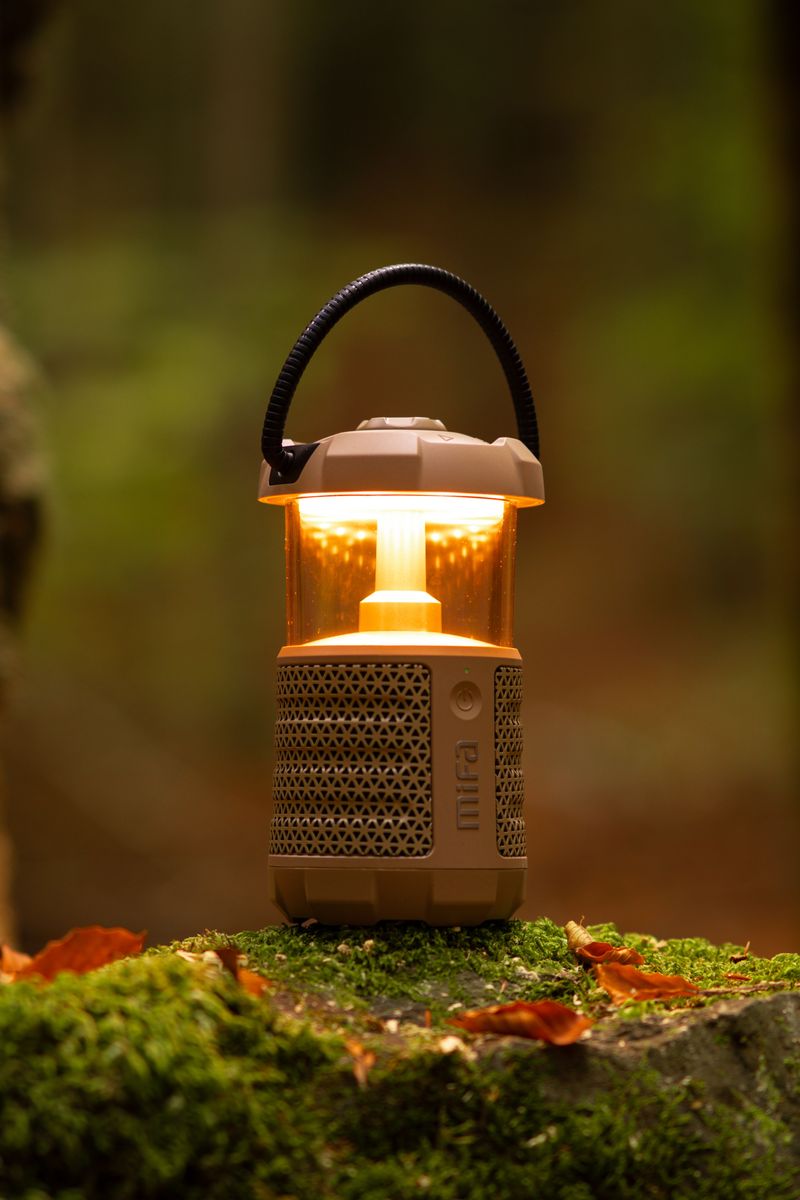
A flashlight is great, but a battery-powered lantern takes emergency lighting to a whole new level.
Instead of pointing a beam in one direction, a lantern fills an entire room with soft, steady light.
That makes it much easier to move around, cook, or just stay calm during an outage.
Modern LED lanterns are incredibly energy-efficient and can run for hours on a single set of batteries.
Some models also double as phone chargers, which makes them even more valuable during extended power outages.
Rechargeable versions are worth the investment if you want a longer-term solution.
Keep your lantern somewhere easy to find in the dark, like a nightstand drawer or a designated shelf.
When the lights go out unexpectedly, you’ll be glad it’s exactly where you left it.
16. Contact List with Emergency Numbers
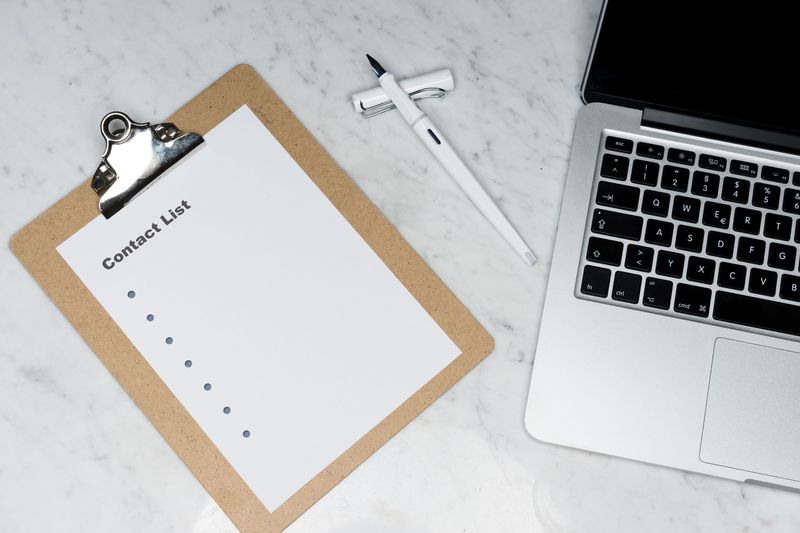
Your phone holds every number you could ever need, right up until the moment it’s dead, lost, or broken.
A written or printed emergency contact list is a backup that never runs out of battery and never needs a Wi-Fi signal to work.
Old-school?
Maybe.
Lifesaving?
Absolutely.
Include numbers for local police, fire, poison control, your doctor, a trusted neighbor, and at least two close family members or friends.
Post it somewhere visible, like the fridge or inside a kitchen cabinet door, where anyone helping you could find it quickly.
If you ever have a medical emergency and a first responder enters your home, that list could provide critical information fast.
It takes five minutes to make and could matter more than almost anything else on this list.