 MomSkoop
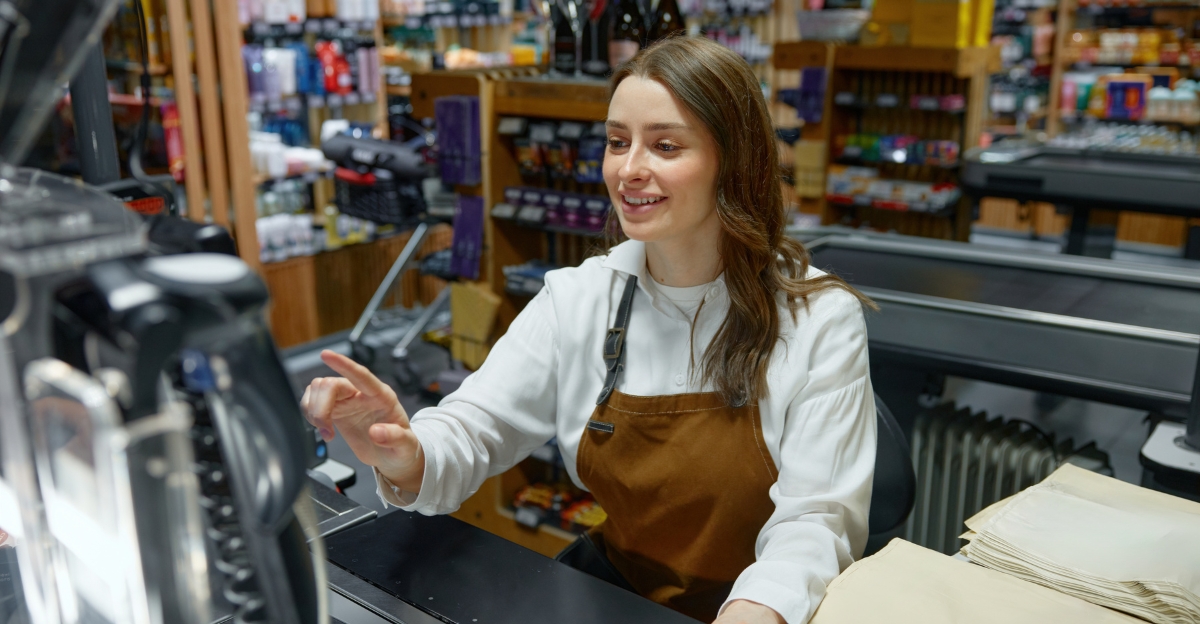
Most people rush through the checkout line without saying a word, but not you.
If you’re the type who chats with the cashier about the weather or compliments someone’s cart snacks, you’re actually showing off something pretty special.
Making small talk in everyday moments isn’t just being friendly — it’s a sign of some genuinely rare qualities most people never develop.
Read on to find out what those quick conversations really say about who you are.
1. Social Attunement

You notice the slight shift in someone’s tone before they even finish their sentence.
That’s social attunement — the rare ability to read subtle signals most people completely miss.
While others are scrolling their phones in line, you pick up on a cashier’s tired eyes or a fellow shopper’s nervous energy.
This sensitivity lets you respond in exactly the right way at exactly the right moment.
You don’t overthink it; it just happens naturally.
People often feel seen and understood around you without knowing why.
That quiet superpower makes even a 30-second checkout feel like a genuine human connection.
2. Human-First Curiosity

Some people ask “How are you?” out of habit.
You actually want to know the answer.
Human-first curiosity means your interest in other people isn’t a social script — it’s a real, living thing that drives you toward connection every single day.
You find strangers genuinely fascinating.
The cashier who grew up in another country, the elderly man buying birthday balloons — everyone carries a story you’d love to hear.
This curiosity makes your small talk feel different from polite noise.
It feels like the beginning of something real, even if it lasts only a minute or two.
3. Emotion Amplification
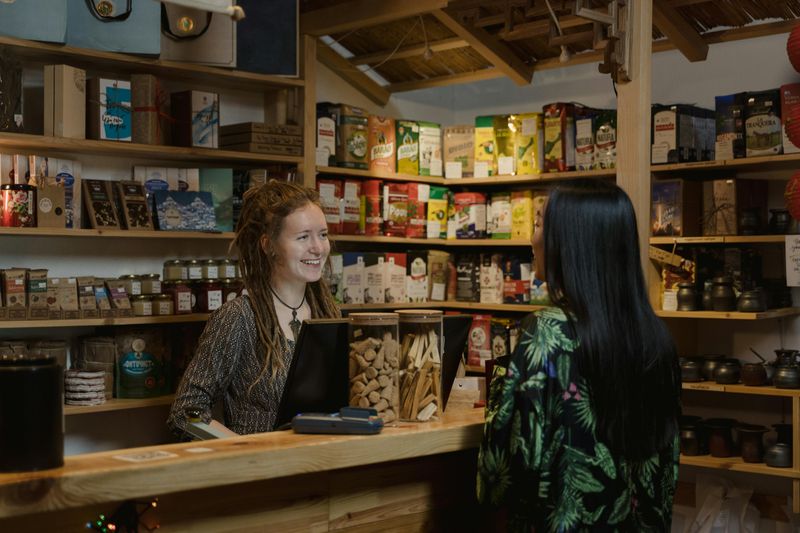
Ever notice how some people just make a room feel lighter the moment they start talking?
That’s emotion amplification at work.
You have a natural ability to take the emotional temperature of an interaction and nudge it upward without forcing anything.
A well-timed joke, a genuine compliment, a shared laugh over something silly — these are your tools.
You don’t manufacture good vibes; you simply reflect and build on what’s already there.
Cashiers, clerks, and strangers often feel noticeably better after chatting with you.
That’s not luck.
It’s a rare emotional skill that makes ordinary moments feel genuinely uplifting.
4. Contextual Presence

Being truly present sounds simple, but it’s actually one of the hardest things to do in a world full of notifications and mental to-do lists.
Contextual presence means you show up fully in the moment you’re in — not the one you just left or the one coming next.
When you chat at checkout, you’re not half-thinking about dinner or tomorrow’s meeting.
You’re right there.
People feel that kind of attention like a warm hand on the shoulder.
It’s rare and it’s powerful.
Your ability to be completely “in the room” — even a grocery store checkout lane — is genuinely extraordinary.
5. Low Social Cost Sensitivity

Most people hesitate before speaking to strangers because they’re worried about being awkward or bothering someone.
You don’t carry that weight.
Low social cost sensitivity means small perceived risks — like starting a random conversation — simply don’t register as threats to you.
It’s not that you’re reckless or unaware; you just have a healthy, grounded sense that most interactions go fine.
That inner calm gives you a kind of social freedom others envy.
You strike up conversations without overthinking it, and that ease is contagious.
People around you relax because you’ve already shown them there’s nothing to fear.
6. Relational Optimism

Where some people see a line at the register as a minor inconvenience, you see a tiny window of possibility.
Relational optimism is the quiet belief that every interaction — no matter how brief — holds some potential for warmth, humor, or connection.
You don’t approach strangers with suspicion or indifference.
You approach them with an open hand, so to speak.
This mindset isn’t naive; it’s actually backed by research showing that brief positive interactions boost well-being for both people involved.
Your glass-half-full attitude toward human connection makes you a genuinely rare kind of person in today’s often-disconnected world.
7. Conversational Generosity
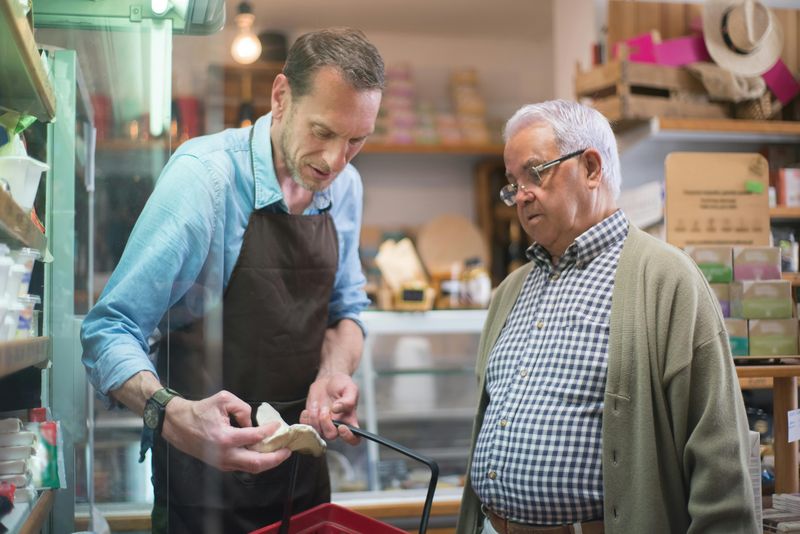
Generosity isn’t just about money or gifts — it shows up in the way some people talk.
Conversational generosity means you freely offer warmth, encouragement, and good humor without keeping score or expecting anything back.
It’s one of the most underrated forms of kindness.
You might tell the cashier their earrings are beautiful, or joke about the price of cereal just to get a laugh.
You give these little gifts of connection without thinking twice.
That open-handed approach to conversation creates a ripple effect you probably never see.
The person you brightened up goes on to brighten someone else’s day too.
8. Adaptive Reciprocity

Great conversation is less like a monologue and more like a dance.
Adaptive reciprocity is your ability to fluidly shift between talking and listening based on what the moment calls for.
You never dominate the conversation, and you never go completely silent either.
If the cashier wants to vent about a long shift, you listen.
If they seem shy, you carry a little more of the load.
This balance feels effortless to you, but it’s actually a sophisticated social skill that many adults never fully develop.
People walk away from conversations with you feeling heard and also genuinely entertained — a rare double win.
9. Micro-Joy Orientation

Did you ever laugh with a stranger about a wobbly cart wheel or a funny product name on the shelf?
That’s micro-joy orientation — the beautiful habit of noticing and celebrating tiny pleasant moments that most people scroll right past.
You don’t need a big event to feel happy.
A shared giggle at the register, a surprisingly perfect song playing overhead, the satisfaction of exact change — these small sparks light you up.
This trait is linked to higher life satisfaction and emotional resilience.
Your ability to find delight in the little things isn’t childish; it’s actually one of the wisest ways to live.
10. Affectionate Equanimity

There’s a special kind of warmth that doesn’t demand anything in return — it’s just there, steady and calm.
Affectionate equanimity means you can be genuinely kind and caring in a brief interaction without clinging to it or over-investing emotionally afterward.
You say something kind, share a laugh, and then move on with your day — no attachment, no disappointment if it doesn’t go anywhere.
That emotional balance is surprisingly rare.
Many people either hold back out of fear or get too wrapped up in brief encounters.
You hit a sweet spot: fully present and caring, but also completely at peace when the moment ends.
11. Energetic Engagement

You know that feeling when someone walks up and the whole vibe of the space just shifts?
That’s energetic engagement — a light, lively quality that turns even a mundane errand into something a little more fun.
You don’t force it; it just comes naturally.
Your energy isn’t loud or over the top.
It’s like a steady, pleasant hum that people gravitate toward without realizing it.
Cashiers who’ve been standing for six hours suddenly smile a little easier.
Fellow shoppers loosen up.
You bring something invisible but very real to brief encounters — a kind of social electricity that makes the ordinary feel just a little bit extraordinary.
12. Impact Awareness

Here’s something worth thinking about: a single kind exchange can shift someone’s entire day.
People with impact awareness understand this on a deep level.
You recognize that your words and attention — even in a 45-second checkout interaction — carry real weight for the person on the other side of the register.
That awareness makes your small talk intentional without being calculated.
You’re not performing kindness; you genuinely understand that connection matters.
Studies show that brief positive interactions reduce feelings of loneliness and improve mood for hours afterward.
You carry that knowledge quietly, and it shapes the way you move through the world — one checkout line at a time.