 MomSkoop

Some people look completely fine on the surface, yet quietly carry a deep hunger for love, reassurance, and safety. Their behavior can seem confusing until you realize it may come from feeling emotionally unseen for a long time.
When you notice these signs, it is often less about weakness and more about old hurt that never got proper care. Understanding them can help you respond with more compassion and maybe even change someone’s day.
1. They apologize constantly

You may notice they say sorry for things that do not need an apology, like asking a question, taking up space, or expressing a simple preference.
It can sound polite at first, but over time it reveals a deeper fear of bothering people.
Constant apologizing often comes from living with criticism, rejection, or unpredictable reactions.
Instead of assuming they are just overly nice, it helps to see the insecurity underneath the habit.
They may believe peace is only kept by making themselves smaller than everyone else.
When someone has lacked steady love and support, apologizing can become their way of staying safe, accepted, and less likely to be abandoned.
2. They avoid conflict at all costs

Some people will do almost anything to keep tension from rising, even when they are clearly being treated unfairly.
You may see them agree too quickly, swallow their feelings, or disappear when hard conversations begin.
This is not always passiveness – sometimes it is fear dressed up as being easygoing.
When rejection feels unbearable, conflict can seem dangerous rather than healthy.
They may have learned that honesty leads to punishment, silence, or losing connection with people they care about.
If someone is desperate for love and support, avoiding conflict can become a survival strategy, because keeping others comfortable feels safer than risking disapproval or emotional distance.
3. They get attached to small kindnesses

A simple compliment, thoughtful text, or small favor may mean far more to them than it seems.
You might notice they hold onto that moment, mention it repeatedly, or become emotionally invested very quickly.
That reaction often points to an emotional life where care has been rare, inconsistent, or painfully limited.
When someone is not used to feeling valued, even basic kindness can feel powerful and unforgettable.
They are not necessarily being dramatic – they may just be deeply touched by something others receive regularly.
If love and support have been missing for a long time, small gestures can land with enormous weight because they answer a need that has been quietly starving.
4. They struggle to accept compliments

When you compliment them, they may brush it off, joke about it, or immediately point out their flaws.
Instead of taking in the praise, they seem uncomfortable, suspicious, or eager to redirect attention elsewhere.
That response can reveal how hard it is for them to believe anything good about themselves.
People who feel unworthy of love often have an inner voice that argues against every positive word.
Even genuine admiration can clash with the painful story they have been telling themselves for years.
If someone has gone without consistent emotional support, accepting compliments may feel almost impossible, because praise highlights a gap between how you see them and how they secretly see themselves.
5. They act tough but feel distant

Some people come across as strong, blunt, or totally unaffected, yet something about them feels emotionally far away.
They may joke instead of opening up, change the subject when feelings appear, or keep every relationship on a surface level.
That tough image can be less about confidence and more about protection.
Emotional walls are often built after tenderness has been ignored, mocked, or used against them.
They may have learned that needing people leads to disappointment, so distance feels safer than closeness.
When someone is desperate for love and support, acting hard can become a shield that hides how deeply they still want comfort, loyalty, and a place where they can finally let down their guard.
6. They constantly seek validation
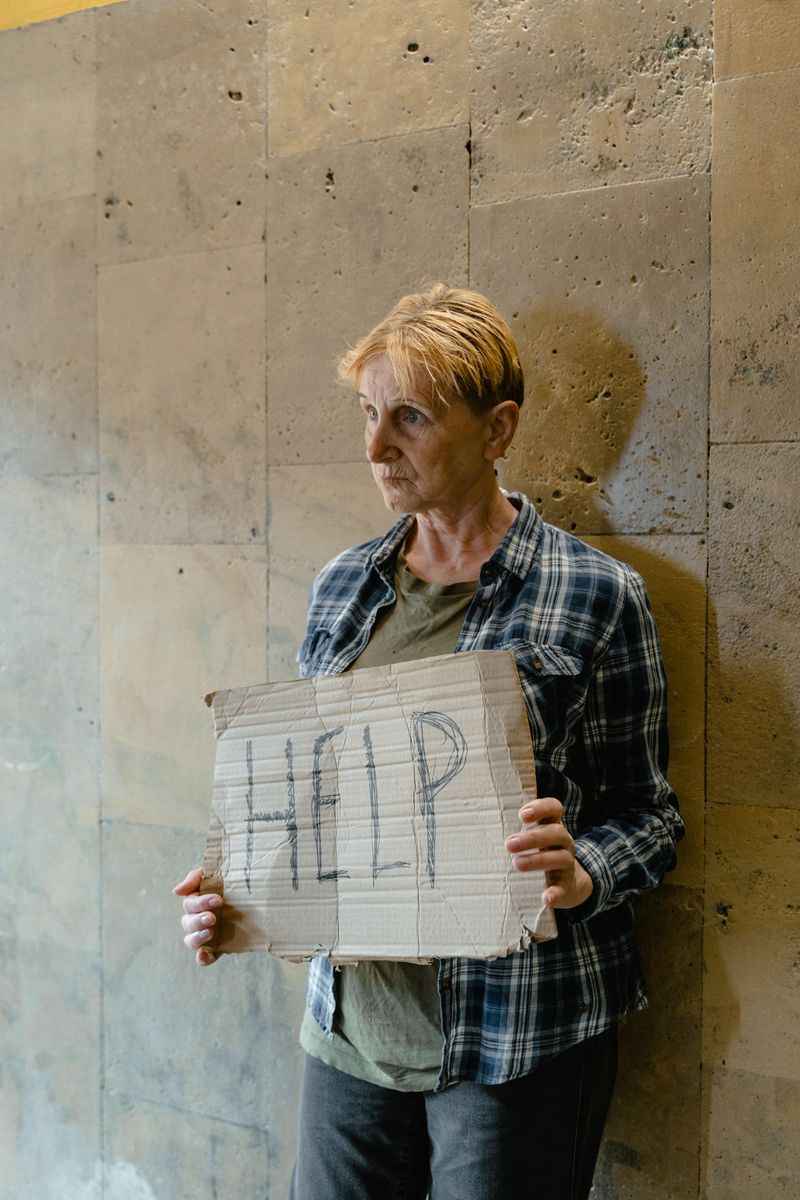
You may notice they depend heavily on reassurance, praise, likes, or repeated confirmation that they are doing okay.
Their mood can rise quickly with approval and crash just as fast when it is missing.
This often happens when self-worth has not had a stable place to grow inside.
Without real support, people sometimes build their identity on whatever feedback the outside world gives them.
Validation becomes more than encouragement – it starts to feel like proof that they matter at all.
If someone seems desperate for love and support, their constant need for reassurance may be less about attention seeking and more about trying to patch an emotional emptiness that never gets full for very long.
7. They have trouble asking for help

Even when they are overwhelmed, they may insist they are fine and handle everything alone.
Asking for help can seem to make them visibly uneasy, as if having needs is somehow embarrassing or dangerous.
That hesitation often comes from learning that support is unreliable, conditional, or simply not available.
Over time, people can stop expressing needs because expecting care only leads to disappointment.
They may believe it is better to struggle quietly than risk being ignored, judged, or made to feel weak.
When someone is desperate for love and support, refusing help does not always mean they do not want it – sometimes it means they stopped trusting that anyone will truly show up.
8. They tolerate unhealthy relationships

One of the saddest signs is when someone stays where they are overlooked, disrespected, or repeatedly hurt.
From the outside, you may wonder why they do not leave, especially when the relationship clearly drains them.
Fear of being alone can make poor treatment feel easier to bear than emptiness.
If love has been scarce, unhealthy attention may still feel better than no attention at all.
They may confuse familiarity with safety, even when the pattern is damaging and deeply painful.
When someone is desperate for love and support, they can settle for relationships that barely nourish them, because part of them believes this is all they deserve or all they are likely to get.
9. They feel lonely around people

Being around others does not always protect someone from feeling alone.
You may see them in a crowd, at work, or with friends, yet they still seem disconnected, as if no one truly reaches them.
That kind of loneliness is often about missing emotional closeness, not physical company.
When people are not understood, supported, or safe enough to be real, togetherness can still feel painfully empty.
They may smile, participate, and keep conversations going while quietly feeling unseen the entire time.
If someone seems desperate for love and support, this hidden loneliness can follow them everywhere, because what they long for is not just presence – it is genuine connection, comfort, and emotional belonging.
10. They downplay their struggles

When something is clearly hurting them, they may laugh it off, say it is no big deal, or quickly change the subject.
You can sense there is more beneath the surface, but they seem determined to make their pain sound smaller than it is.
This often happens when people believe their struggles will not be taken seriously.
They may have learned that vulnerability gets ignored, dismissed, or met with discomfort.
After enough experiences like that, minimizing pain can feel easier than hoping someone will genuinely care.
If someone is desperate for love and support, downplaying their problems may be a quiet way of protecting themselves from one more moment of feeling unimportant, inconvenient, or emotionally alone.
11. They are extremely independent

Independence is usually praised, but sometimes it hides a history of being let down too often.
They may insist on doing everything themselves, avoid leaning on anyone, and seem uncomfortable receiving even basic support.
What looks like strength can actually be a deeply practiced form of self-protection.
When people learn that others are unreliable, they stop expecting care and build a life around needing no one.
It can make them capable, but it can also leave them emotionally exhausted and quietly isolated.
If someone is desperate for love and support, extreme independence may not mean they want distance – it may mean they no longer trust that depending on others will end well.
12. They become emotional when shown real care

Sometimes the clearest sign appears in the softest moment.
A kind check-in, patient listening ear, or sincere gesture of care might bring tears they were not expecting.
When compassion touches an old ache, emotions can rise fast because they have been waiting under the surface for a long time.
This reaction is not weakness, and it is not an overreaction either.
It often means the person has carried pain quietly and is deeply moved to finally feel seen, safe, and valued.
If someone becomes emotional when treated with genuine warmth, they may be more desperate for love and support than they know how to say, and your kindness may matter more than you realize.