 MomSkoop

Most people fill every spare moment with social activities, scrolling through phones, or staying busy with others. But spending time alone is not something to avoid — it is actually one of the most powerful things you can do for yourself.
Solitude can sharpen your mind, lift your mood, and help you grow into a stronger, more confident person. If you have been skipping out on alone time, here are ten surprising benefits you might be missing out on.
1. Greater Self-Awareness

Knowing yourself sounds simple, but it takes real effort.
When you are constantly surrounded by people, it is easy to lose track of what you actually think, feel, or want.
Other voices can drown out your own inner voice before you even realize it.
Spending time alone gives you space to check in with yourself.
You can ask honest questions like: What do I value?
What makes me happy?
Am I living in a way that feels right to me?
These quiet moments help you understand your emotions and motivations on a much deeper level.
Over time, this self-knowledge becomes a compass that guides your choices and helps you live more intentionally.
2. Reduced Stress

Picture this: no notifications, no small talk, no one needing anything from you.
Just silence.
For many people, that image alone is enough to make their shoulders drop with relief.
Social interactions, even enjoyable ones, require mental energy that slowly adds up throughout the day.
Taking time away from those demands gives your nervous system a genuine break.
Your body can shift out of “go mode” and into a calmer, more restored state.
Stress hormones like cortisol actually decrease when you allow yourself quiet, uninterrupted downtime.
You do not need a weekend retreat to feel the difference.
Even thirty minutes of peaceful solitude each day can noticeably lower your stress and improve your emotional balance.
3. Improved Creativity

Some of history’s greatest ideas were born in quiet rooms.
Isaac Newton developed his theory of gravity while sitting alone in a garden.
Many famous writers, musicians, and inventors have credited solitude as their secret creative fuel.
There is a real reason for that.
When you are alone, your brain enters a relaxed but active state sometimes called the “default mode network.” This is when your mind wanders freely, makes unexpected connections, and generates fresh ideas.
Social settings, by contrast, often push your thinking toward what others expect or approve of.
Giving yourself regular alone time can unlock a more authentic, imaginative side of your thinking — the kind that leads to truly original ideas and creative breakthroughs.
4. Better Decision-Making

Group settings can feel comfortable, but they come with a hidden cost when it comes to making choices.
Social pressure, the urge to please others, and the fear of standing out can all push you toward decisions that do not truly reflect what you want or believe.
Solitude removes that pressure.
When you are alone, you can weigh your options honestly without worrying about what someone else will think.
You have the mental space to consider long-term consequences instead of just reacting in the moment.
Research in psychology suggests that people who regularly practice solitude tend to make more thoughtful, value-aligned decisions.
Training yourself to think independently is one of the most useful skills you can ever develop.
5. Stronger Emotional Independence
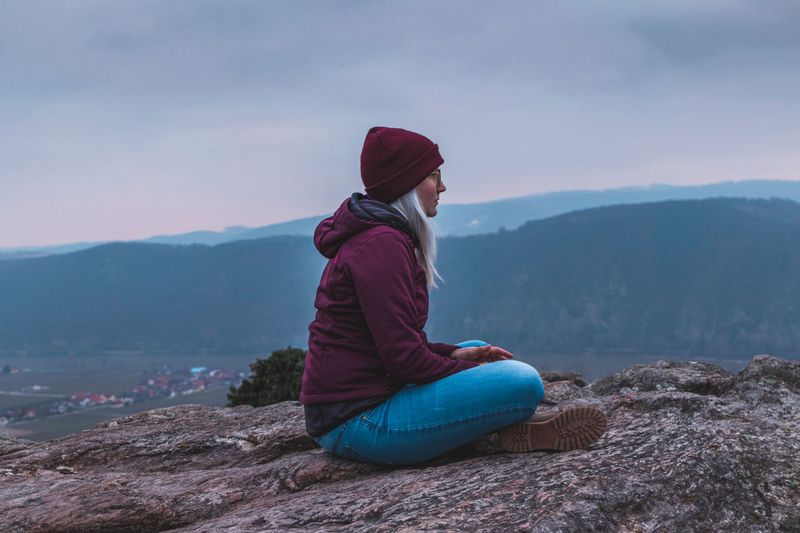
Needing others for reassurance now and then is completely normal.
But relying on constant validation from friends, family, or social media to feel okay is a fragile way to live.
When approval disappears, so does your sense of self-worth — and that is an exhausting cycle.
Spending regular time alone teaches you to sit with your own thoughts and feelings without immediately reaching for distraction or outside comfort.
You start to trust your own judgment more.
You become less rattled when someone disagrees with you or when plans fall apart.
Emotional independence does not mean shutting people out.
It means building an inner stability that stays with you regardless of what is happening around you — a quiet confidence that nobody can take away.
6. Increased Productivity
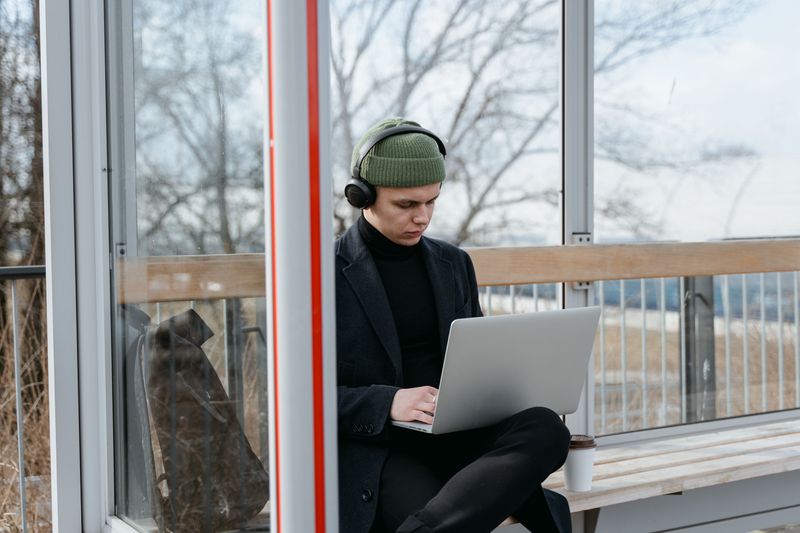
Open offices, group chats, and constant social check-ins might feel collaborative, but studies consistently show that people accomplish more when working alone.
Interruptions are productivity’s worst enemy, and other people are usually the biggest source of them.
When you work in solitude, your brain can enter a deep focus state where complex thinking flows more naturally.
Tasks that might take two hours in a noisy environment can sometimes be finished in half the time when distractions are removed.
The quality of work also tends to improve.
Building dedicated alone time into your daily routine — even just blocking off an hour for focused work — can dramatically change how much you accomplish.
Your to-do list will shrink faster than you might expect.
7. Healthier Relationships

Absence really does make the heart grow fonder — and science backs it up.
When you spend all of your time with the same people, it is easy to take them for granted or become irritable over small things.
A little distance creates room for appreciation to grow back.
Time alone also helps you show up as a better version of yourself in relationships.
When you are rested, self-aware, and emotionally grounded, you listen more patiently, communicate more clearly, and give more generously without feeling drained.
Think of solitude as recharging your social battery.
The connections you return to after meaningful alone time tend to feel fresher, deeper, and more rewarding — for you and for the people you care about.
8. Enhanced Problem-Solving Skills

Have you ever noticed that your best solutions often come in the shower, on a walk, or right before you fall asleep?
That is not a coincidence.
Those are moments of solitude — times when your brain is free to process information without outside interference.
When you are surrounded by others, problem-solving often becomes reactive.
You grab the nearest opinion or go along with the group rather than thinking things through carefully.
Alone, you can analyze a problem from multiple angles, sit with uncertainty, and let a real solution take shape.
Practicing solitude regularly strengthens this mental muscle.
Over time, you become someone who approaches challenges with calm, methodical thinking rather than panic — a skill that pays off in every area of life.
9. Greater Mindfulness
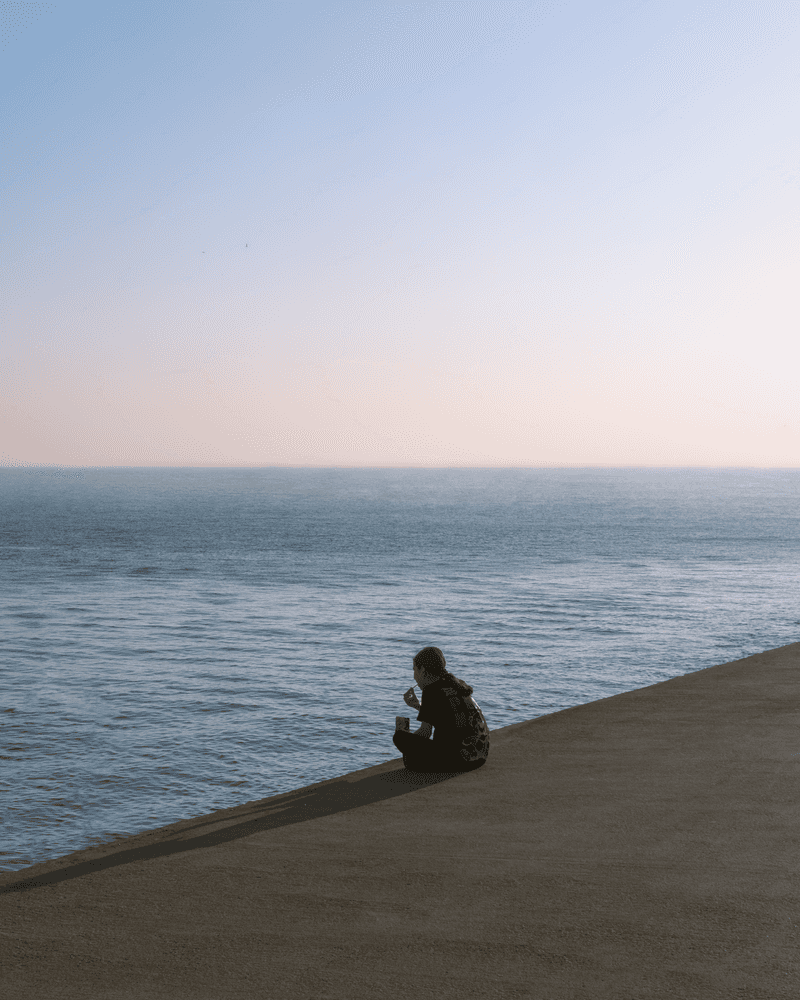
Most of us move through the day on autopilot — eating without tasting, walking without noticing, talking without really listening.
Mindfulness is the practice of snapping out of that fog and actually being present in your own life.
Solitude makes that much easier to do.
Without the noise of conversations and social obligations filling every moment, you start to notice things.
The way light falls across a room.
The rhythm of your own breathing.
A feeling you have been pushing aside for days.
These small awarenesses add up to a richer, more grounded experience of everyday life.
You do not need a meditation cushion or a silent retreat.
Simply spending a few quiet minutes alone each day can meaningfully deepen your sense of presence and inner calm.
10. Personal Growth

Growth rarely happens in comfortable, crowded spaces.
It tends to happen in the quiet moments when you are honest with yourself about where you are, where you want to go, and what is holding you back.
Solitude creates exactly that kind of reflective environment.
When you spend time alone, you naturally begin to learn from your experiences rather than just rushing past them.
You notice patterns in your behavior.
You recognize habits that are not serving you.
You start setting goals that actually mean something to you, not just ones that look good to others.
Every great version of yourself that you can imagine was built through moments of quiet, intentional self-reflection.
Alone time is not wasted time — it is some of the most invested time you will ever spend.