 MomSkoop

Lasting love doesn’t happen by accident—it’s built through intentional choices and healthy habits.
Many people unknowingly sabotage their relationships by repeating the same patterns that push partners away or create distance over time.
The good news is that once you recognize these behaviors, you can change them and create the strong, loving connection you deserve.
1. Ignore Your Own Emotional Needs to Keep the Peace

Constantly putting your feelings on the back burner to avoid conflict might seem noble, but it slowly builds resentment.
When you pretend everything is fine while you’re hurting inside, you’re teaching your partner that your needs don’t matter.
This creates a one-sided relationship where only one person’s comfort is prioritized.
Real peace comes from honest communication, not silence.
Healthy couples make space for both people to express their feelings without fear of judgment or abandonment.
Speaking up about your needs isn’t selfish—it’s essential for building mutual respect and understanding that lasts.
2. Confuse Chemistry or Intensity with Long-Term Compatibility

Butterflies and electric attraction feel amazing, but they don’t guarantee a relationship will work long-term.
Intense passion can mask serious differences in values, life goals, or communication styles.
When the excitement fades—and it always does—you need more than chemistry to stay connected.
Compatibility means sharing similar views on money, family, lifestyle, and how you handle conflict.
It’s about whether you can build a life together, not just enjoy exciting moments.
Pay attention to how someone treats you during ordinary days, not just during romantic highs.
That’s where real compatibility shows up.
3. Avoid Difficult Conversations and Hope Problems Solve Themselves
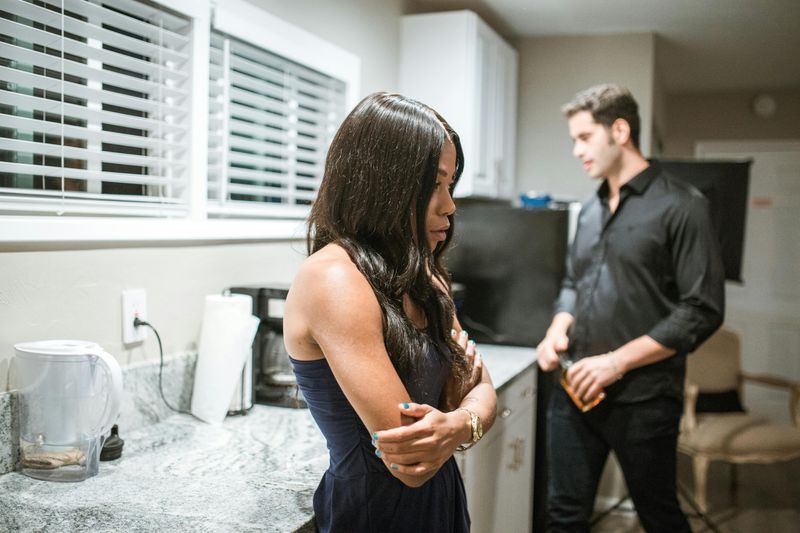
Sweeping issues under the rug feels easier in the moment, but unresolved problems don’t disappear—they grow.
Avoiding tough conversations creates distance and allows misunderstandings to fester into bigger conflicts.
Your partner can’t read your mind, and silence doesn’t lead to solutions.
Addressing problems early, even when it’s uncomfortable, prevents small issues from becoming relationship-ending disasters.
Healthy couples learn to tackle challenges together as a team.
Start with simple honesty: share how you feel and listen without getting defensive.
The temporary discomfort of a hard conversation is worth the long-term connection it builds.
4. Try to Fix, Manage, or Parent Your Partner

Your partner is an adult, not a project that needs fixing or a child who needs constant direction.
When you take on the role of manager or parent, you create an unbalanced dynamic where one person feels superior and the other feels controlled.
This kills attraction and breeds resentment on both sides.
People grow and change when they choose to, not when they’re nagged or micromanaged.
Your job is to love and support, not to control or improve someone else.
Focus on being a partner, not a life coach.
Respect their autonomy and trust them to handle their own responsibilities.
5. Stay in Relationships That Repeatedly Cross Your Boundaries

Boundaries aren’t walls—they’re guidelines that protect your well-being and self-respect.
When someone repeatedly ignores or dismisses your boundaries, they’re showing you that your needs don’t matter to them.
Staying in this pattern teaches people that disrespecting you has no consequences.
Love should never require you to sacrifice your dignity or emotional safety.
Healthy partners honor your limits and work with you to find compromises that respect both people.
If your boundaries are constantly violated, it’s not love—it’s a lack of respect.
You deserve someone who values you enough to honor what matters to you.
6. Romanticize Inconsistency or Emotional Unavailability

When someone is hot and cold, giving you just enough attention to keep you hooked but never fully showing up, that’s not mysterious or exciting—it’s emotionally draining.
Inconsistency creates anxiety and keeps you constantly guessing where you stand.
Real love is steady, reliable, and present.
Emotional unavailability isn’t a challenge to overcome or a sign of depth—it’s a red flag.
You can’t love someone into being ready for a relationship.
Stop mistaking breadcrumbs for a meal.
You deserve someone who is all in, not someone who keeps you in limbo.
7. Lose Your Identity, Friendships, or Goals for the Relationship

Merging your entire life with your partner’s might feel romantic at first, but it creates an unhealthy dependence that suffocates both people.
When you abandon your hobbies, friends, and dreams, you lose the very things that made you interesting and whole.
Your relationship becomes your entire world, which puts enormous pressure on one person to fulfill all your needs.
Healthy love enhances your life—it doesn’t replace it.
Maintaining your own identity keeps you fulfilled and brings fresh energy into the relationship.
Keep nurturing your friendships and passions.
Being a complete person makes you a better partner.
8. Choose Potential Over Proven Behavior

Falling in love with who someone could be instead of who they actually are sets you up for heartbreak.
Potential is just a fantasy you’ve created in your mind—it’s not reality.
You can’t build a lasting relationship on hope and imagination while ignoring consistent patterns of behavior.
People show you who they are through their actions, not their promises.
Believe what you see, not what you wish were true.
Love the person in front of you today, not the version you hope they’ll become someday.
If their current behavior doesn’t align with what you need, move on.
9. Keep Score Instead of Building Trust and Teamwork

Relationships aren’t competitions where you tally who does more or who’s right more often.
Keeping score creates a toxic environment where both people feel undervalued and defensive.
When you’re constantly tracking who did what, you’re focusing on winning rather than connecting.
Healthy couples approach challenges as teammates, not opponents.
They give generously without expecting exact reciprocation and celebrate each other’s contributions.
Let go of the mental scorecard and focus on mutual support.
Trust grows when both people feel appreciated, not when everything is perfectly balanced on a spreadsheet.
10. Expect Love to Heal Unresolved Personal Wounds

No relationship, no matter how loving, can fix your childhood trauma, insecurities, or past hurts.
When you expect your partner to heal wounds they didn’t create, you place an impossible burden on them.
Your emotional healing is your responsibility, not theirs.
Unresolved issues will show up in your relationship as jealousy, neediness, or constant reassurance-seeking.
These patterns push partners away rather than bringing them closer.
Do the inner work before expecting someone else to complete you.
Therapy, self-reflection, and personal growth make you a healthier partner capable of genuine connection.
11. Settle Out of Fear of Being Alone Rather Than Shared Values

Choosing someone because you’re afraid of being single is one of the most damaging decisions you can make.
Fear-based relationships lack the foundation of mutual respect, shared vision, and genuine compatibility.
You end up in a partnership that feels empty rather than fulfilling.
Being alone is better than being with the wrong person.
Solitude gives you time to grow, heal, and figure out what you truly want.
Wait for someone who shares your values and treats you with respect.
The right relationship is worth the wait, and settling only delays finding real love.