 MomSkoop

Words carry real weight, and some phrases can shut down a conversation before it even gets started. Many women across America hear certain comments so often that they’ve become exhausting and even hurtful.
Knowing what not to say is just as important as knowing the right thing to say. Skip these 13 phrases if you want to build genuine respect and real connections.
1. You’d Be Prettier If You Smiled

Nobody owes anyone a smile.
Telling a woman she would look better if she smiled treats her face like a decoration that exists for your enjoyment, not her own expression of how she feels.
This phrase has been used for decades to pressure women into performing happiness they don’t feel.
It sends the message that her natural expression is somehow wrong or unwelcoming.
A woman’s mood and facial expression belong to her alone.
Instead of asking for a smile, try starting a real conversation or simply offering a friendly greeting.
Respecting someone’s emotional space goes a long way toward building trust and showing that you see her as a full human being, not just a pretty face.
2. Wow, You Don’t Look Your Age
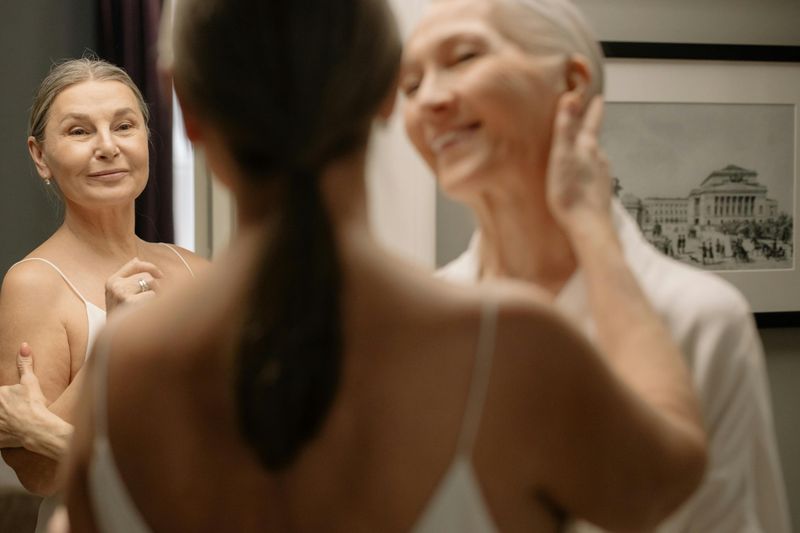
At first, this might sound like a compliment.
But look closer and you will find a hidden message: that looking older is somehow a bad thing worth avoiding.
Aging is a natural part of life, and tying a woman’s value to how young she appears puts unnecessary pressure on her sense of self-worth.
Many women find this comment more uncomfortable than flattering.
Society already pushes women to chase youth through beauty products and procedures.
You don’t need to add to that pressure with a casual remark.
If you want to genuinely compliment someone, focus on something specific and meaningful, like her confidence, her work, or her creativity.
Those compliments actually land well.
3. Are You on Your Period?

Asking this question is one of the fastest ways to dismiss a woman’s feelings without actually listening to them.
It reduces her valid emotions to a biological function, suggesting her thoughts and reactions aren’t worth taking seriously.
Women have real opinions, real frustrations, and real concerns that have nothing to do with their menstrual cycle.
Using this phrase shuts down honest communication and replaces it with mockery.
Historically, this kind of dismissal has been used to undermine women in professional and personal spaces alike.
If someone is upset or frustrated, the respectful move is to listen and engage with what they’re actually saying.
Curiosity and empathy go much further than a snarky question ever could.
4. You’re Not Like Other Women

This phrase is often meant as a compliment, but it quietly insults every other woman in the room.
Saying someone is “not like other women” suggests that most women share some negative trait worth avoiding.
It also puts pressure on the woman receiving the comment to keep performing whatever behavior earned her that label.
That’s not a compliment; it’s a trap wrapped in flattery.
Women are not a monolith, and comparing them to each other as a way to praise one while putting others down is a habit worth dropping.
If you admire something about a person, say exactly what you admire.
Be specific. “I love how passionate you are about your work” beats this tired phrase every single time.
5. Calm Down

Two words, massive damage.
Telling someone to calm down almost never actually helps them calm down.
Instead, it signals that their emotional response is too much, too loud, or too inconvenient for you to deal with.
For women especially, this phrase is used to discredit legitimate anger or concern.
It flips the focus from the real issue to how she’s expressing herself, which is a clever way of avoiding accountability.
Research in communication studies consistently shows that feeling heard reduces emotional intensity far more effectively than being told to suppress it.
Try acknowledging what the person is saying instead.
Something as simple as, “I hear you, let’s talk about this,” creates space for actual resolution rather than more frustration.
6. Who Are You Wearing?

At red carpet events, this question has its place.
But when it shows up in everyday settings or right after a woman has accomplished something meaningful, it sends a clear signal: her appearance matters more than her work.
Reducing a woman’s presence at any event to what brand she’s dressed in can feel dismissive, especially when men standing right next to her get asked about their projects, ideas, or careers.
Fashion is fun, and there’s nothing wrong with appreciating style.
The problem is making it the first and only thing you notice.
Lead with curiosity about her ideas, her role, or her perspective.
Style can come up naturally in conversation without being the headline every single time she walks into a room.
7. You Must Be High Maintenance

Judging someone as “high maintenance” based on how they dress, what they order, or how they carry themselves is a shortcut that skips over actually getting to know them.
It packages a whole personality into a negative label without any real evidence.
This phrase often gets used against women who know what they want and aren’t afraid to ask for it.
That’s not high maintenance; that’s self-awareness.
Clear preferences and high standards are qualities many people admire in leaders and professionals.
The same traits get unfairly criticized when women display them in social settings.
Before making a snap judgment, consider whether you’d think twice about using that label if the person were someone else entirely.
Words shape how we see people, fairly or not.
8. Why Are You Still Single?

Singlehood is not a problem that needs solving, and asking this question implies that it is.
It assumes a woman’s relationship status reflects something missing in her life or something wrong with her character.
Many women are single by choice, by circumstance, or simply because they haven’t met the right person yet.
None of those reasons require explanation or apology to anyone.
This question also tends to sting more when it comes at family gatherings or social events where the pressure to “have it all figured out” already runs high.
Respecting someone’s timeline means trusting that they know their own life better than you do.
Genuine curiosity about a person goes much deeper than asking about their relationship status.
9. That’s Not Very Ladylike

The word “ladylike” comes with a long history of telling women how to sit, speak, laugh, eat, and exist in public spaces.
Using it today still carries that same controlling energy, even if it’s said casually.
Women have spent generations breaking free from rigid rules about how they’re supposed to behave.
Calling out someone’s laugh, posture, or language as “not ladylike” reinforces the idea that there’s a correct way for women to be human.
Authenticity is far more magnetic than performed propriety.
Letting a woman be loud, messy, funny, or direct without attaching a judgment to it shows real respect.
The best relationships, whether friendships or romantic ones, are built on accepting people as they actually are, not as you think they should be.
10. You’re Too Pretty to Be Smart

Beauty and brains are not opposites, yet this phrase treats them like they can’t coexist.
It’s a backhanded compliment that manages to undermine both a woman’s intelligence and her appearance at the same time.
Statements like this are rooted in old stereotypes that have been disproven over and over again.
Studies consistently show no connection between physical appearance and cognitive ability.
Yet the myth hangs around.
Women in science, law, medicine, and technology hear versions of this comment more than you might expect.
It creates a subtle pressure to downplay one quality to be taken seriously in the other.
Complimenting someone’s intellect without dragging their looks into it is not complicated.
It just takes a little more thought and a lot more respect.
11. Relax, It Was Just a Joke

Humor is powerful, but hiding behind it to avoid accountability is a well-worn move.
When someone tells you a comment hurt them, responding with “it was just a joke” shifts the blame onto their reaction instead of examining what was actually said.
This phrase tells the other person that their feelings are the problem, not the words that caused them.
It’s a way of ending a conversation rather than having it.
Good humor brings people together; it doesn’t make one person the target of a laugh.
If a joke lands badly, the grown-up response is to acknowledge it and learn from it.
Being willing to say “I didn’t mean to hurt you, but I hear that it did” builds far more trust than deflecting ever will.
12. You Should Have Kids Before It’s Too Late

Reproductive choices are deeply personal, and yet many women hear this comment from coworkers, relatives, and even strangers.
It assumes that motherhood is a universal goal and that a woman’s biological clock is everyone’s business.
Some women want children and are working toward that goal on their own timeline.
Others have made thoughtful decisions not to have them at all.
Both choices deserve respect, not a countdown reminder.
Medical advancements have also changed what “too late” even means, making this comment feel increasingly outdated.
More than that, it places a woman’s worth squarely in her ability to reproduce, which is a narrow and unfair measure of a full human life.
Trust that she has already thought about this more than you have.
13. Let Me Explain That to You

There’s even a word for this now: mansplaining.
It describes the all-too-common habit of explaining something to a woman who didn’t ask for an explanation and likely already knows the subject better than the person talking.
The frustrating part isn’t just the unsolicited explanation.
It’s the assumption behind it, that she must need help understanding something because of who she is, not because of any actual gap in her knowledge.
Before launching into an explanation, ask yourself whether the other person actually needs it.
A quick “are you familiar with this?” shows basic respect and saves everyone time.
Women in every field, from engineering to finance to medicine, regularly deal with being talked at instead of talked with.
That habit is worth breaking.