 MomSkoop

Not every parent gets it right all the time, but some come pretty close. Great parents do more than just keep you fed and safe — they shape who you become as a person.
Looking back, certain habits and behaviors stand out as signs of truly thoughtful, caring parenting. If your parents did these things, you were lucky to have them in your corner.
1. They Listened to You Seriously
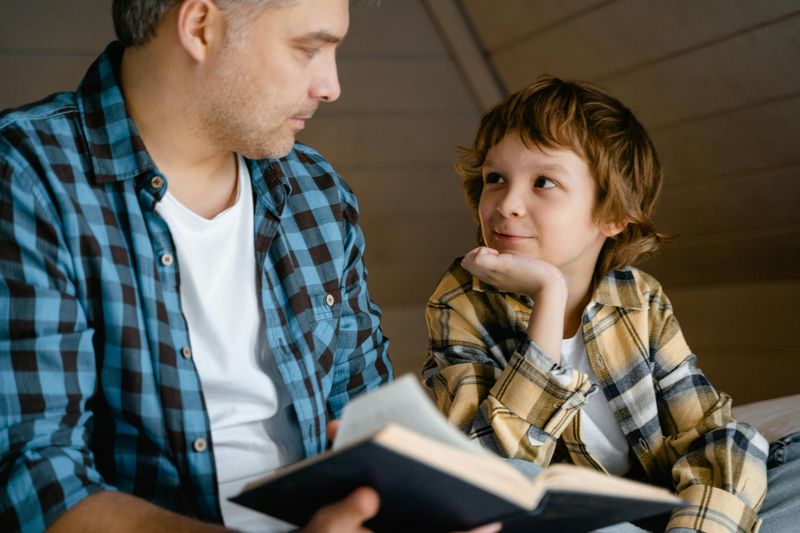
Some kids grow up feeling like their problems are too small to matter.
But great parents know that what feels huge to a child truly is huge to that child.
When your mom or dad put down their phone, made eye contact, and actually listened — that was a gift.
Being heard as a kid builds confidence.
You learn that your voice matters, and that speaking up is safe.
Those early conversations teach you how to communicate in relationships for the rest of your life.
Parents who listen raise kids who feel valued.
That kind of emotional validation is something not every child gets to experience growing up.
2. They Admitted When They Were Wrong
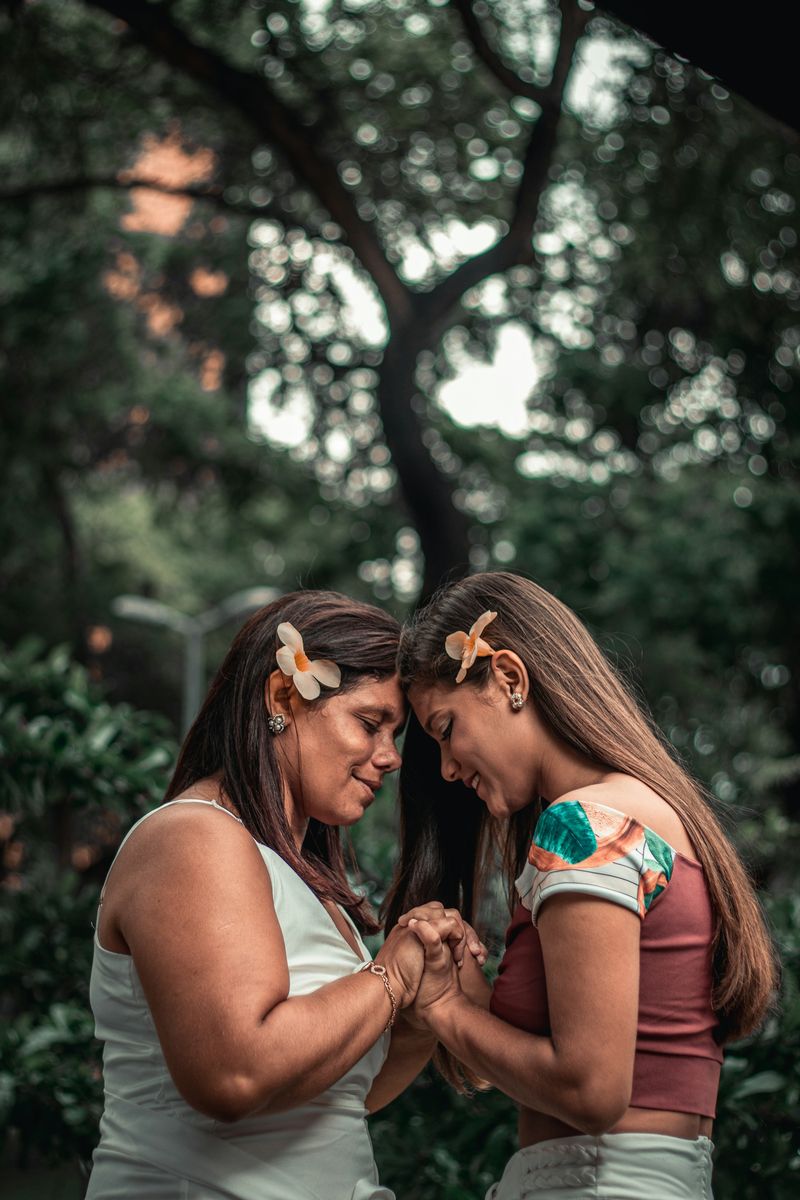
Imagine a parent looking you in the eye and saying, “I was wrong, and I’m sorry.” For many kids, that almost never happened.
But parents who apologized taught something powerful without even realizing it.
Accountability is one of those life skills that is hard to teach with words alone.
Watching a grown-up own their mistakes shows kids that being wrong is not shameful — it is human.
Humility modeled at home sticks with you.
You grow up understanding that strong people do not dodge responsibility; they face it.
That lesson alone can shape how you handle conflict for decades to come.
3. They Set Clear Boundaries
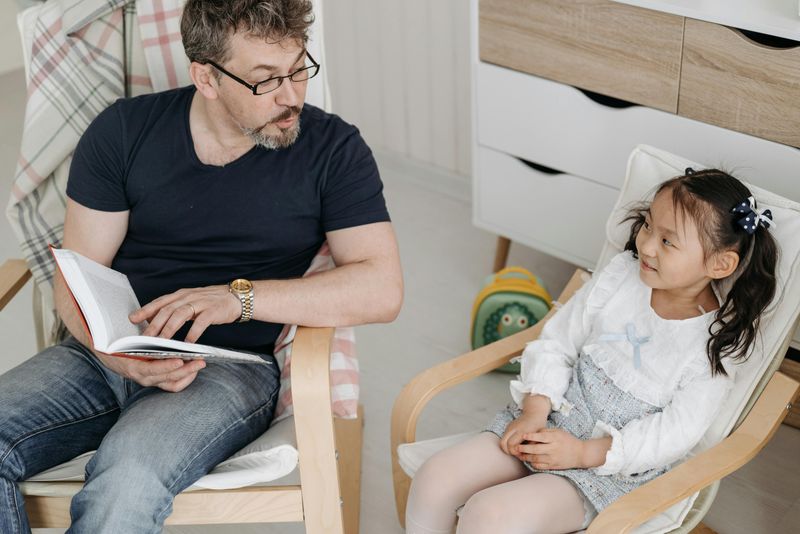
Rules without reasons feel like a cage.
But boundaries explained with love feel more like a safety net.
Parents who set clear expectations — and explained why — gave their kids something most children desperately need: structure.
Knowing what is and is not allowed actually reduces anxiety in kids.
When the lines are clear, there is less guessing and less testing.
Children feel more secure when they understand what is expected of them.
The best part?
Those boundaries were not about control — they were about care.
Looking back, most kids raised with loving structure realize their parents were protecting them, not punishing them for simply being young.
4. They Encouraged You to Think for Yourself
There is a big difference between a parent who says “because I said so” and one who asks “what do you think?” Parents who invited you into real conversations about values, beliefs, and decisions were doing something remarkable.
Critical thinking is not taught in a single class — it grows slowly through practice.
Every time a parent asked for your opinion or challenged you to back up your ideas, they were training your brain to reason rather than just follow.
Kids raised to think independently tend to make more thoughtful choices as adults.
They question things, weigh options, and trust their own judgment — all because someone once trusted them enough to ask.
5. They Supported Your Interests
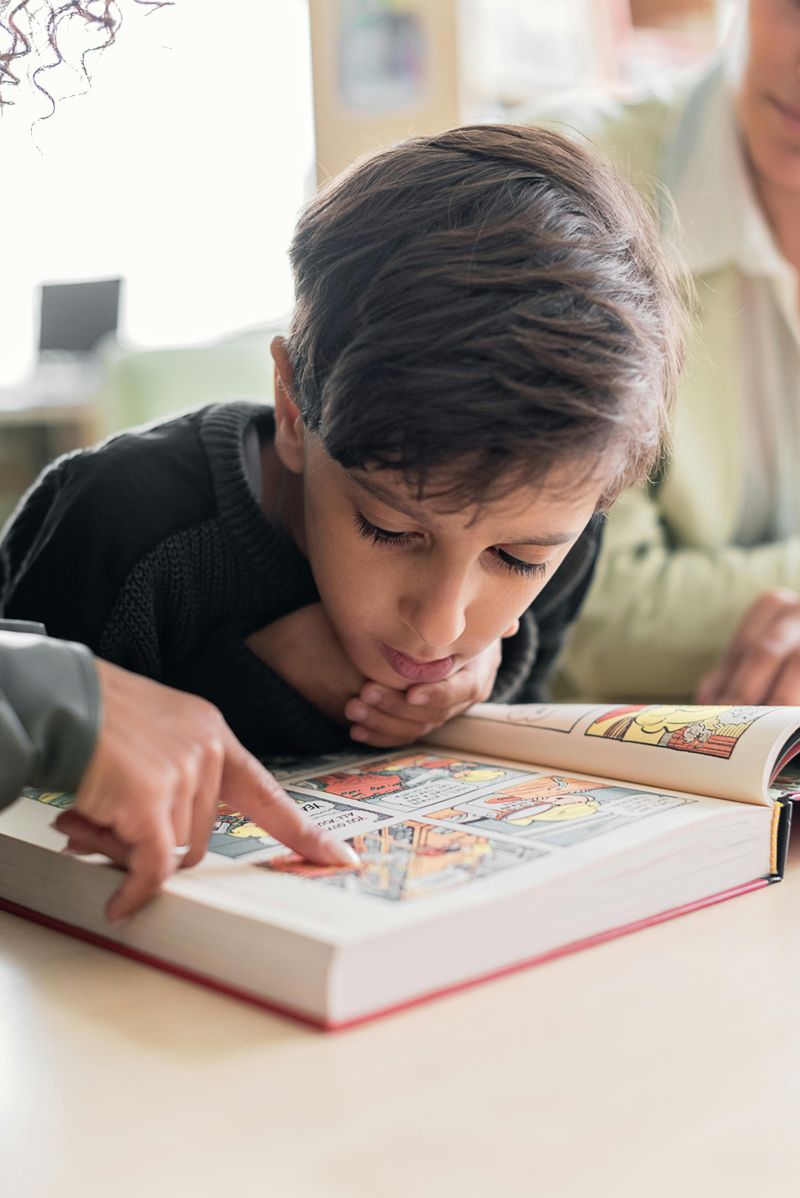
Maybe you were obsessed with dinosaurs, or spent every weekend at the skate park, or filled notebooks with drawings nobody asked to see.
Whatever it was, a truly great parent showed up for it — even if they did not fully understand it.
Support does not always mean signing up for expensive classes or driving across town.
Sometimes it is just asking questions about the thing you love, or sitting beside you while you do it.
That presence communicates: “You matter, and so does this.”
Children whose interests are celebrated grow into adults who pursue passions without shame.
That early encouragement plants seeds of confidence that keep blooming long after childhood ends.
6. They Showed Affection and Appreciation
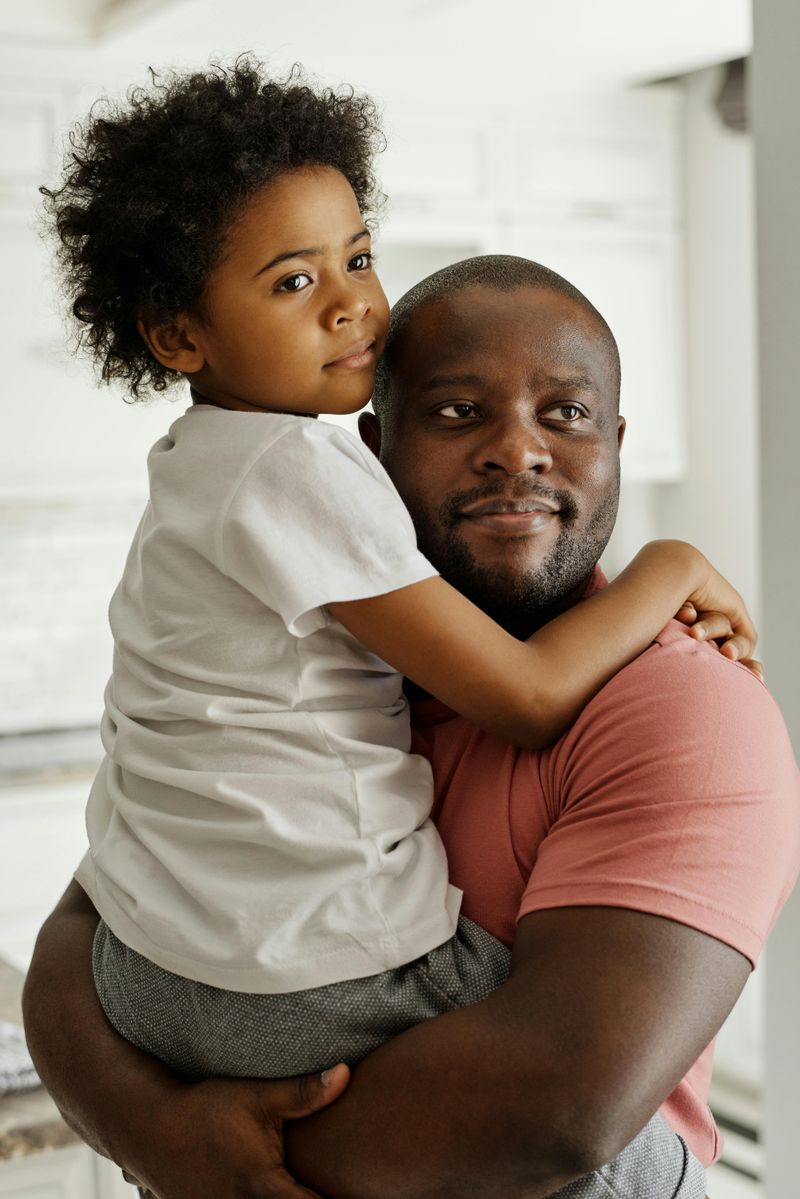
“I’m proud of you.” Three words that can mean everything to a kid.
Parents who said them — and meant them — built something inside their children that no classroom or trophy ever could: emotional security.
Affection does not have to be dramatic to be powerful.
A hug after a hard day, a note in a lunchbox, or a simple “good job” after a tough effort all send the same message — you are loved, and you are seen.
Studies consistently show that children who receive regular warmth and affirmation develop stronger self-esteem.
Growing up knowing you were appreciated is one of the greatest emotional gifts a parent can pass down.
7. They Taught You How to Treat People Well
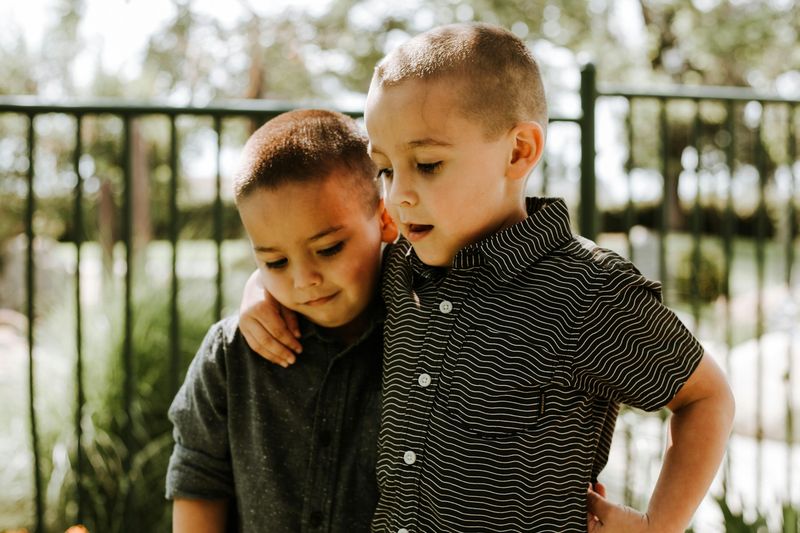
Kindness is not instinctive — it is learned.
And the most effective classroom for empathy is watching your own parents interact with the world around them.
Did they hold doors open?
Say thank you to servers?
Speak respectfully even during disagreements?
Kids absorb everything.
When parents model patience, compassion, and fairness in everyday moments, those behaviors quietly become the child’s default setting.
You do not even realize you are learning — it just becomes who you are.
Adults who treat others well often trace it back to parents who walked the talk.
Preaching kindness is easy.
Living it every single day, in small ordinary moments, is what actually shapes a child’s character.
8. They Allowed You to Fail Sometimes

Falling off the bike hurts.
Losing the game stings.
Getting a bad grade feels awful.
But parents who resisted the urge to fix everything taught their kids something failure-proof: resilience.
Helicopter parenting might feel protective, but it quietly sends the message that you cannot handle hard things.
Parents who stepped back, let you struggle a little, and then helped you reflect on what went wrong gave you a much more useful skill set.
Resilience is built through experience, not protection.
Every stumble you were allowed to recover from on your own added a little more emotional muscle.
The kids who were allowed to fail are often the adults who know how to keep going.
9. They Created a Safe Home Environment
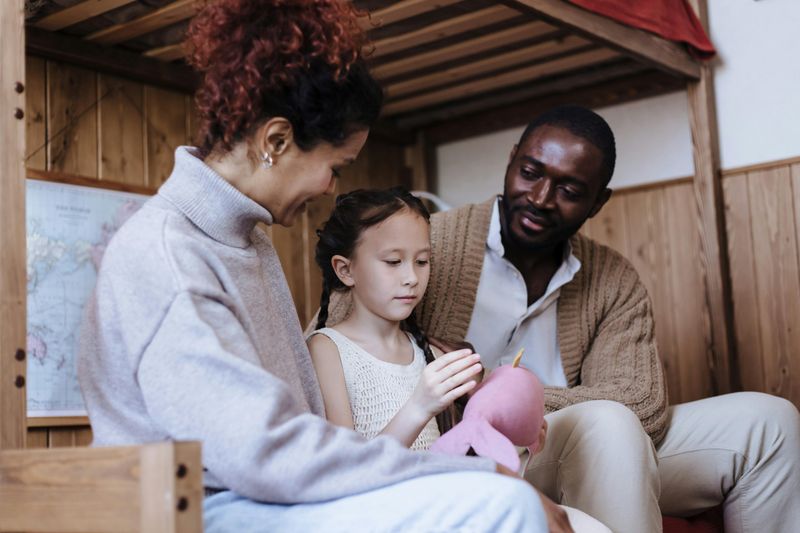
Home should feel like a refuge — a place where you can exhale.
For kids lucky enough to have parents who created that kind of environment, it made all the difference.
You could share your fears, voice your struggles, and ask awkward questions without dreading the reaction.
Emotional safety is not about a perfect house or a conflict-free family.
It is about knowing that even if things got messy, you would not be mocked, dismissed, or punished for being honest.
That trust is priceless.
Children who grow up in emotionally safe homes tend to develop healthier relationships later in life.
They know what respect looks like — because they experienced it first at home, in their earliest and most important relationships.
10. They Led by Example
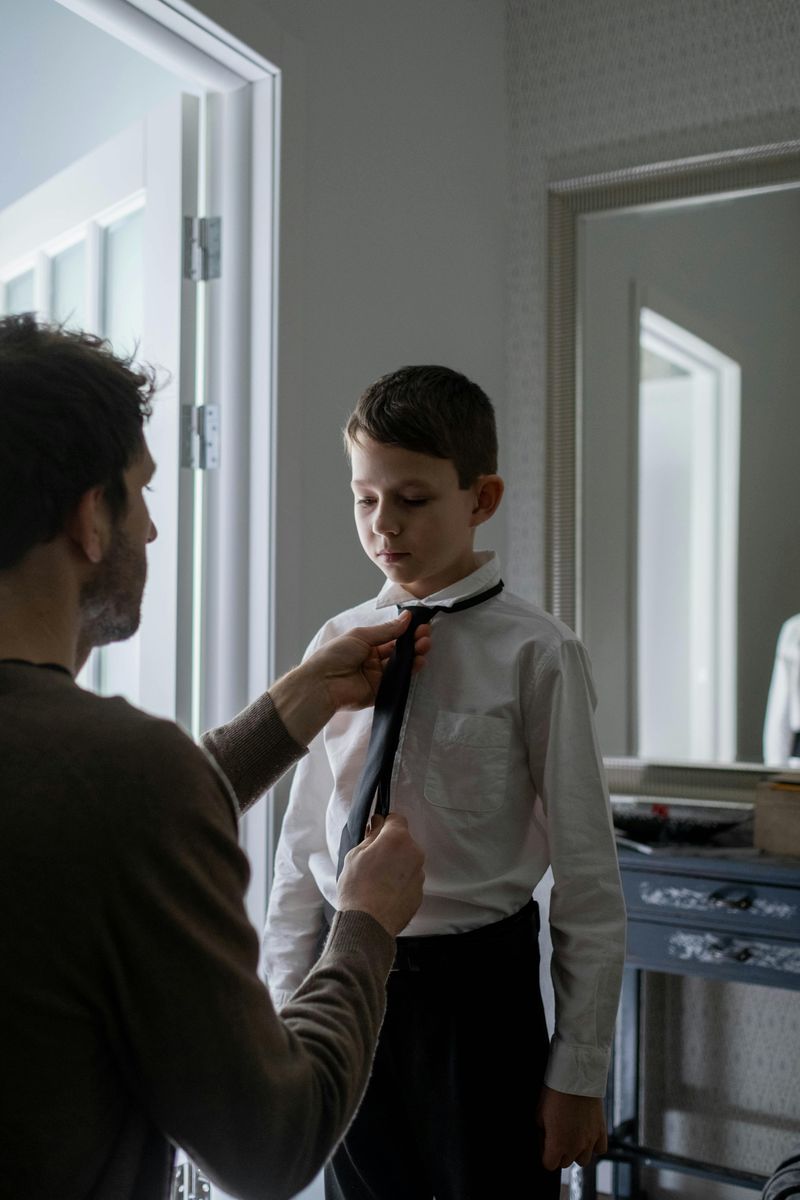
Actions speak louder than any lecture ever could.
Parents who lived with integrity — who paid their bills honestly, treated strangers with dignity, and kept their promises — were teaching life lessons around the clock without ever opening a textbook.
Kids are watching.
Always.
They notice when a parent takes responsibility instead of making excuses.
They notice when someone chooses kindness in a moment when anger would have been easier.
Those quiet choices leave lasting impressions.
Growing up with a role model who actually practiced what they preached is rare and remarkable.
It sets a standard — not a perfect one, but a real one — that shapes how you carry yourself through life for years to come.