 MomSkoop

Wearing mostly black or dark colors says more about you than you might think. Strangers, coworkers, and even friends form quick impressions based on what they see.
Dark wardrobes carry powerful signals, and people read them in surprising ways. Here are eleven common assumptions others make when your closet leans toward the shadows.
1. They Think You Have Strong Boundaries

Dark clothing creates an invisible wall around you that others sense immediately.
People often assume you know exactly where your limits are and aren’t afraid to defend them.
Black and charcoal tones suggest someone who doesn’t let others cross lines easily.
This perception can work in your favor at work or in social settings.
Others may think twice before asking for too much from you.
Your wardrobe sends a message that you value your space and time.
Wearing dark colors consistently makes people believe you’re selective about who gets close.
Boundaries aren’t just about saying no—they’re about self-respect.
2. They Assume You Are More Private

A closet full of dark shades makes people think you guard your personal life carefully.
Dark colors don’t demand attention, so others figure you prefer staying under the radar.
They imagine you as someone who shares details only with a trusted few.
This assumption can protect you from nosy questions and unwanted advice.
People might hold back from prying into your business because they sense you won’t open up easily.
Privacy isn’t the same as secrecy—it’s about choosing what to reveal.
Your wardrobe quietly communicates that not everything is everyone’s business.
Dark tones keep curiosity at bay.
3. They Assume You Are Confident
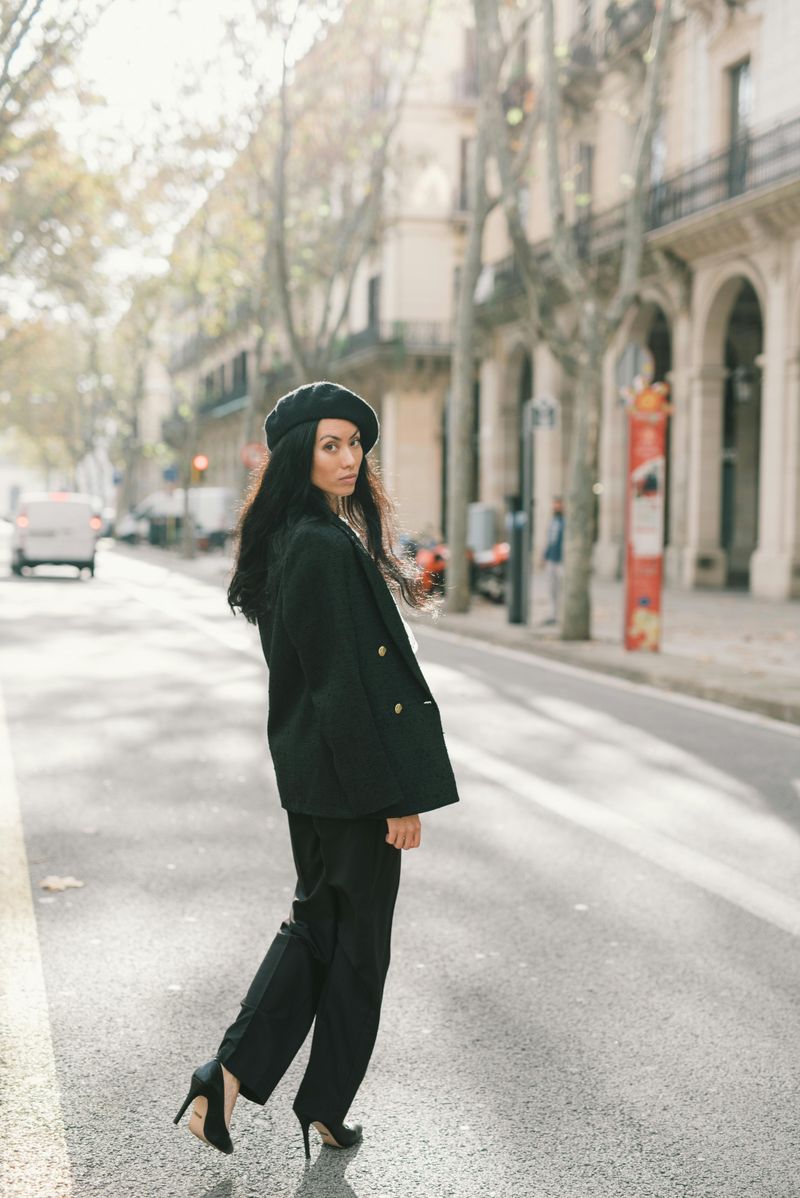
Wearing dark colors regularly signals a certain fearlessness that others pick up on fast.
Black doesn’t apologize or try to please, so people assume you carry yourself with assurance.
They see someone who doesn’t need bright patterns or bold prints to feel noticed.
Confidence shows up in simplicity, and dark wardrobes scream understated self-belief.
Others think you’re comfortable in your own skin and don’t require external validation.
This perception can open doors in professional settings and social circles.
People respect those who seem sure of themselves without shouting about it.
Your clothing choice becomes a quiet power move.
4. They Assume You Are More Dominant

Dark colors carry weight and authority that lighter shades simply don’t match.
People often read someone in all black as more commanding and assertive.
They imagine you’re the type who takes charge in group situations and isn’t afraid to lead.
This perception can influence how others interact with you in meetings or social gatherings.
They may defer to your opinions more quickly or assume you’re in control.
Dominance isn’t about being aggressive—it’s about presence and influence.
Your wardrobe makes people believe you’re someone who gets things done.
Dark tones amplify your natural leadership qualities without saying a word.
5. They Think You Have Taste

Dark colors have long been associated with sophistication and refined style.
When someone sees you in black, charcoal, or deep navy consistently, they often assume you understand fashion on a deeper level.
These shades suggest you care about how you present yourself without being flashy.
People believe you’ve thought carefully about your wardrobe choices.
They see elegance and intentionality rather than randomness.
This assumption can make you seem more cultured and aware of aesthetic details.
Dark tones carry a timeless quality that never goes out of style.
Your closet suggests you value quality over trends and simplicity over chaos.
6. They Read You as More Serious

Bright colors suggest playfulness, but dark shades communicate focus and depth.
When you wear mostly black or dark tones, people assume you’re someone who takes life seriously.
They imagine you as thoughtful, deliberate, and less interested in frivolous matters.
This assumption can be helpful in professional environments where credibility matters.
Others may trust your judgment more quickly because you appear grounded and intentional.
Seriousness doesn’t mean you lack humor—it means you prioritize substance.
Your wardrobe suggests you’re not easily distracted by shallow trends or meaningless chatter.
Dark clothing makes people believe you’re someone worth listening to carefully.
7. They Think You Are Emotionally Controlled

Dark wardrobes suggest someone who keeps their feelings carefully managed.
People often assume you don’t let emotions run wild or make impulsive decisions.
Black and deep tones signal restraint and composure, making others believe you’re steady under pressure.
This perception can make you seem more reliable and trustworthy in stressful situations.
Others may turn to you when chaos breaks out because they think you’ll stay calm.
Emotional control isn’t about suppression—it’s about balance and self-awareness.
Your clothing choice communicates that you’re not easily rattled.
Dark colors make people believe you handle challenges with grace and poise.
8. They Interpret You as More Attractive in a Quiet Way

Dark colors create a magnetic pull that doesn’t scream for attention.
People often find those in black or charcoal intriguing because the look is understated yet powerful.
Your wardrobe suggests mystery and depth, which naturally draws curiosity.
This kind of attractiveness isn’t loud or obvious—it’s subtle and lasting.
Others may find themselves drawn to you without understanding exactly why.
Dark tones flatter almost every body type and skin tone effortlessly.
They create clean lines and focus attention on your face and presence.
Your clothing choice makes you memorable in a way that bright colors rarely achieve.
9. They Read You as More Mature

Youthful wardrobes often burst with color, but dark tones suggest someone who has grown beyond that phase.
People assume you’re more experienced and worldly when you wear mostly black or deep shades.
They see someone who has moved past experimenting with trends and settled into their identity.
This perception can be advantageous in professional and social settings where maturity is valued.
Others may take your opinions more seriously or trust your judgment faster.
Maturity isn’t just about age—it’s about wisdom and self-knowledge.
Your wardrobe suggests you’ve figured out who you are.
Dark clothing makes people believe you’ve earned your confidence through experience.
10. They Assume You Are Protecting Yourself
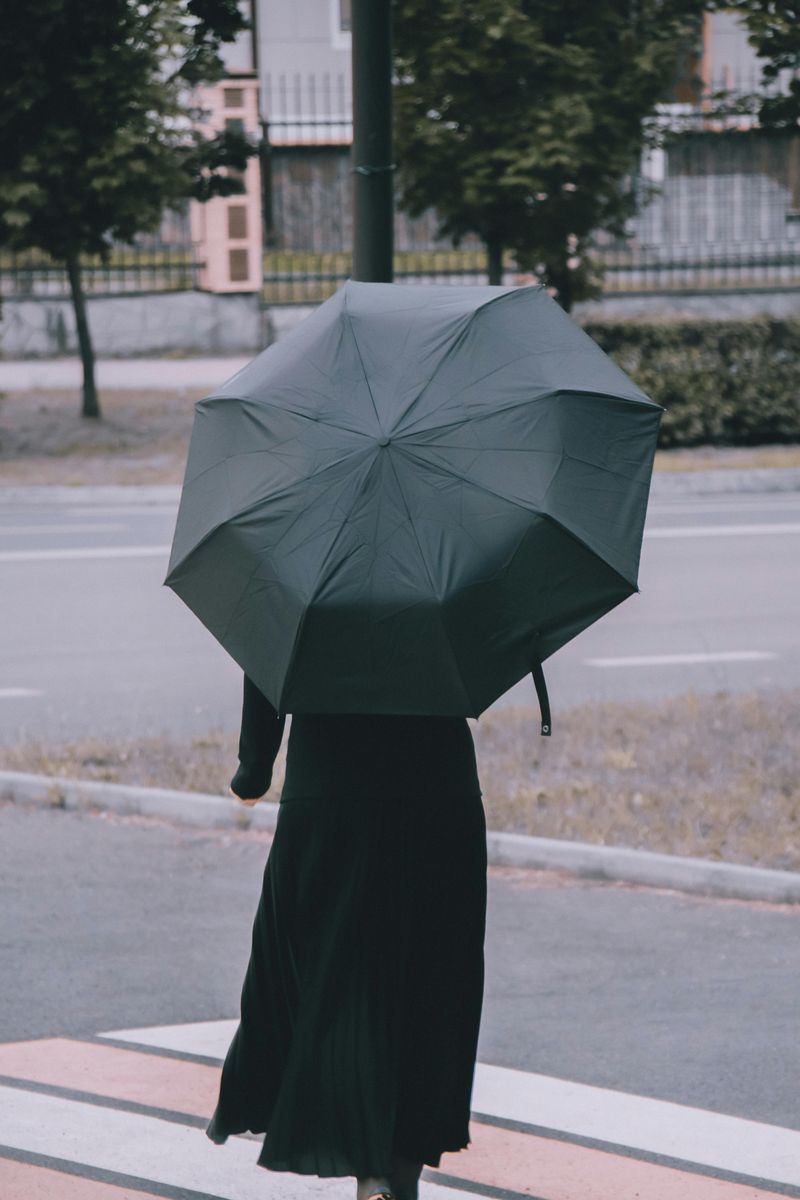
Dark colors can act like armor, shielding you from the outside world.
People often think you’re guarding yourself emotionally when you wear black consistently.
They imagine you’ve been through something that made you cautious about letting others in.
This assumption can create an air of mystery that some find compelling.
Others might approach you more gently, sensing you need space.
Protection isn’t about weakness—it’s about self-preservation and smart boundaries.
Your wardrobe communicates that you’ve learned to look after yourself.
Dark tones send a clear message that you’re selective about who gets access to your inner world.
11. They Expect You to Be Unbothered

Dark wardrobes suggest someone who doesn’t sweat the small stuff or get easily flustered.
People assume you’re the type who stays cool when things go wrong.
Black and deep tones communicate a certain detachment from drama and petty concerns.
This expectation can work in your favor when others look for someone steady during difficult times.
They believe you won’t panic or make situations worse.
Being unbothered isn’t about not caring—it’s about prioritizing what truly matters.
Your clothing choice suggests you’ve mastered the art of letting go.
Dark colors make people think you’re above the noise and focused on bigger things.