 MomSkoop

First dates after 50 can be exciting, refreshing, and full of possibility—but they also come with the benefit of experience. By this stage in life, you likely have a clearer understanding of what you want in a partner and what matters most in a lasting relationship.
Rather than relying on chemistry alone, asking thoughtful questions can help you uncover shared values, lifestyle compatibility, and long-term goals. Before investing your time and emotions, these 13 essential questions can help you build a stronger connection and determine whether your date is truly the right match.
1. What Does a Fulfilling Relationship Look Like to You Now?

Starting with expectations sets the tone for honest conversation.
At this stage, people know what they want—whether it’s adventure, quiet companionship, or something in between.
Understanding their vision helps you see if your paths align before emotions get too involved.
Some folks imagine traveling the world together.
Others picture peaceful evenings at home with a good book nearby.
Neither answer is wrong, but they reveal lifestyle priorities that matter deeply when you’re building something new.
This question also shows whether someone has thought seriously about dating again.
A clear answer suggests they’re ready and intentional.
Vague responses might mean they’re still figuring things out, which could lead to mismatched expectations down the road.
2. What Did Your Past Relationships Teach You About Yourself?

How someone talks about their past reveals volumes about their self-awareness.
Do they blame everyone else, or can they identify patterns they’d like to change?
Growth comes from learning, and the best partners acknowledge their own role in what didn’t work before.
Listen for accountability mixed with kindness toward themselves and others.
Someone who says they’ve learned to communicate better or set healthier boundaries is showing emotional maturity.
That’s the foundation for a relationship that can weather challenges together.
Red flags appear when all the stories paint them as victims or heroes.
Real relationships are nuanced.
Everyone contributes to both the good times and the struggles, and recognizing that shows readiness for genuine partnership.
3. How Do You Usually Handle Disagreements?

Conflict style matters more than almost anything else in long-term compatibility.
You’re not looking for someone who never disagrees—that’s unrealistic.
You want someone who can work through differences without shutting down or lashing out when things get tense.
Pay attention to specific examples they share.
Do they mention taking breaks to cool off?
Using humor to defuse tension?
Seeking compromise rather than winning arguments?
These details paint a picture of daily life with this person during tough moments.
Someone who says they avoid conflict entirely might sound peaceful at first.
But avoidance often means issues pile up until they explode.
Healthy relationships need people who can address problems directly while staying respectful and kind.
4. What Role Do Family, Adult Children, or Close Friends Play in Your Life?

Family dynamics don’t disappear when you start dating again.
Adult children, grandchildren, aging parents, and longtime friends form the support network that shapes someone’s daily reality.
Understanding these relationships helps you see where you might fit into their existing world.
Someone deeply involved with grandkids every weekend has different availability than someone whose children live across the country.
Neither situation is better, but they require different kinds of flexibility from a new partner trying to blend into that life.
This question also reveals priorities and values.
How they talk about loved ones shows loyalty, generosity, and boundaries—all qualities that will eventually extend to how they treat you in a committed relationship.
5. Are You Looking for Companionship, Marriage, Living Apart Together, or Something Else?

Not everyone wants the same type of relationship anymore.
Some people crave the security of marriage again.
Others prefer maintaining separate homes while enjoying regular time together.
Both approaches work beautifully for different people, but only when expectations match from the start.
Being direct about relationship structure saves heartache later.
If you dream of sharing a home and they value independence, that’s critical information.
No amount of chemistry can overcome fundamentally different visions for how you’ll structure your lives together.
This conversation also touches on practical matters like finances, property, and estate planning.
These aren’t romantic topics, but they’re essential considerations when both people have established lives, assets, and sometimes obligations to family members.
6. How Independent Do You Prefer to Be Within a Relationship?

Independence looks different at this life stage.
You’ve both built routines, hobbies, friendships, and habits that work.
The question becomes how much you want to share versus maintain separately.
Some people love doing almost everything together, while others need significant personal space.
Financial independence often matters too.
Will you keep money separate or combine resources?
Who pays for what when you go out?
These practical questions stem from deeper values about autonomy and partnership that deserve early discussion.
Understanding independence preferences helps prevent resentment.
If one person feels smothered and the other feels neglected, the relationship struggles.
Finding someone whose independence style matches yours creates natural harmony instead of constant negotiation.
7. What Does a Typical Week Look Like for You?
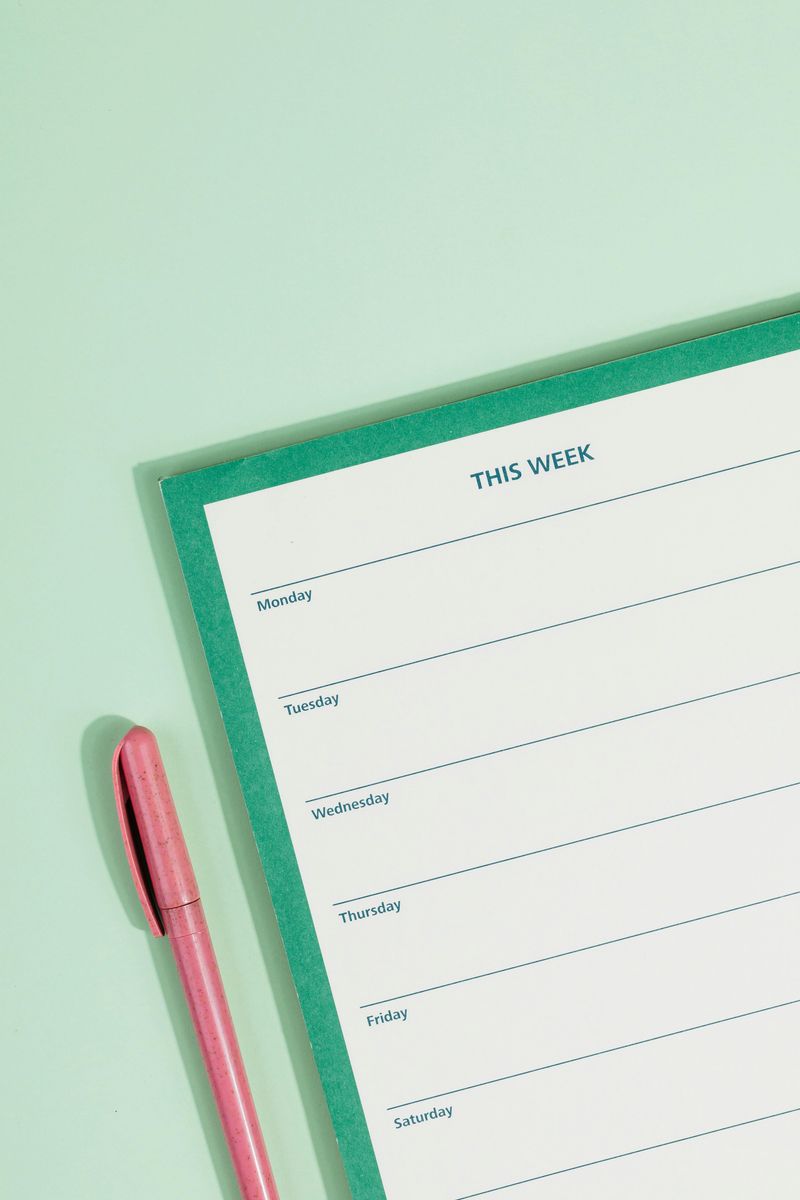
Chemistry matters, but so does logistics.
Someone who works nights and weekends faces scheduling challenges with someone who has a traditional Monday-through-Friday routine.
Understanding their typical week reveals how much time they actually have available for building something new.
Listen for flexibility versus rigid schedules.
Are they willing to adjust routines for someone special, or is their calendar completely locked?
Both extremes can signal potential issues—too rigid means no room for you, while too empty might suggest they lack purpose or structure.
This question uncovers lifestyle compatibility beyond romantic moments.
Do they stay up late or rise early?
Exercise daily or prefer relaxing?
Fill weekends with activities or recharge at home?
These rhythms matter when you’re considering sharing life together.
8. How Do You Like to Give and Receive Affection?

Everyone has a love language, though they might not use that term.
Some people show care through acts of service like cooking or helping with tasks.
Others need words of affirmation, physical touch, quality time, or thoughtful gifts.
Understanding these differences prevents feeling unloved when your partner expresses affection differently than you do.
Physical intimacy deserves honest discussion too.
Comfort levels, expectations, and health considerations change over time.
Having this conversation early—though it might feel awkward—ensures you’re on the same page about an important aspect of partnership.
Notice whether they can articulate their needs clearly.
Self-awareness about how they give and receive love suggests emotional intelligence that will serve the relationship well through all its stages.
9. What Are You Most Excited About in This Next Chapter of Your Life?

Forward-looking people make better partners than those stuck dwelling on the past.
This question reveals whether someone approaches life with enthusiasm or resignation.
You want someone who still has dreams, goals, and things they’re eager to experience—ideally with a partner beside them.
Their answer shows what motivates them.
Maybe they’re planning travel adventures, pursuing new hobbies, or deepening relationships with grandchildren.
Whatever excites them reveals values and priorities that will shape your potential relationship together.
Someone who struggles to answer might still be processing loss or change.
That’s understandable, but it suggests they might not be emotionally ready for a new relationship.
Dating works best when both people can envision a positive future they want to build together.
10. What Would Make You Feel Truly Valued in a Partnership?

Core emotional needs drive relationship satisfaction more than grand gestures or perfect compatibility.
Does this person need consistent communication?
Respect for their opinions?
Support during difficult times?
Understanding what makes them feel valued helps you decide if you can genuinely meet those needs.
This question cuts through surface-level conversation to reach deeper truths.
The answer reveals past hurts and future hopes.
Someone who says they need honesty above all might have experienced betrayal.
Someone who values encouragement might have felt criticized in previous relationships.
Pay attention to whether their needs feel reasonable and sustainable.
Can you imagine meeting them consistently without losing yourself?
The right match happens when what they need aligns naturally with what you enjoy giving.
11. How Do You Approach Money Matters and Financial Planning?

Money conversations might feel awkward, but they’re essential at this age.
Many people have retirement accounts, property, or specific financial goals that need protecting.
Being upfront about spending habits and expectations prevents misunderstandings down the road.
Someone’s attitude toward money reveals their values and priorities.
Do they believe in splitting costs equally, or do they have traditional views?
Are they comfortable discussing budgets and savings?
These details matter when building a partnership.
Financial compatibility doesn’t mean matching bank accounts.
It means sharing similar attitudes about security, generosity, and planning for the future together.
12. What Role Does Health and Wellness Play in Your Daily Life?

Lifestyle habits become increasingly important as we age.
Understanding someone’s commitment to health helps gauge long-term compatibility.
If you love hiking weekends while they prefer lounging indoors, friction might develop over time.
Health priorities also include diet, exercise routines, and how they manage stress or illness.
Someone who takes daily walks might not mesh well with a complete homebody.
Likewise, strict health routines versus relaxed approaches can create tension in everyday life.
This conversation opens doors to discussing energy levels and activity preferences honestly.
You’re not judging their current fitness level—you’re discovering whether your lifestyles complement each other naturally and sustainably.
13. What Are Your Absolute Deal Breakers in a Relationship?

Everyone has boundaries they won’t cross, and identifying them early saves heartache later.
Deal breakers might include smoking, excessive drinking, or specific political views.
Whatever yours are, sharing them honestly shows self-respect and clarity about your needs.
Listen carefully when they answer this question too.
Their deal breakers reveal what they value most and won’t compromise on moving forward.
Mismatched boundaries often lead to resentment, even when everything else feels right between you.
Having deal breakers doesn’t make you inflexible or demanding at all.
At this stage, you’ve earned the right to know what you need and refuse what doesn’t serve you well.