 MomSkoop

Feeling like you don’t quite belong can be one of the loneliest experiences, even when you’re surrounded by people. That nagging sense that everyone else got a handbook you never received is more common than you might think.
Many people walk through life feeling like outsiders, questioning their place and wondering why connection seems so effortless for others but so difficult for them.
1. Everyone else seems to know the rules except me

Walking into social situations can feel like joining a game midway through without knowing how to play.
Other people seem to instinctively understand what to say, when to laugh, and how to act naturally.
You find yourself constantly analyzing conversations, trying to decode unspoken expectations that everyone else appears to grasp effortlessly.
This feeling often leads to overthinking every interaction.
You replay conversations in your mind, wondering if you said the right thing or missed some obvious social cue.
While others move through gatherings with ease, you’re mentally exhausted from trying to figure out the invisible rules.
The truth is, many people feel this way but hide it well.
Social skills aren’t always instinctive for everyone, and what looks natural is often learned through trial and error over time.
2. I don’t really fit into any group—I’m just kind of floating

You’ve tried joining different circles, but none of them ever feels quite right.
Maybe you share some interests with one group but not their values, or you connect with another group’s humor but not their hobbies.
This leaves you drifting between spaces, never fully anchored anywhere.
Being in-between can feel isolating.
You watch others form tight-knit bonds while you remain on the periphery of multiple groups.
It’s like being a puzzle piece that doesn’t quite fit any of the available puzzles, even though you keep trying to make it work.
What you might not realize is that this floating position gives you a unique perspective.
You see connections others miss and understand different viewpoints because you’ve experienced many worlds without being locked into just one.
3. I’m always the odd one out, no matter where I go

Whether it’s at work, family gatherings, or friend hangouts, you consistently feel like the person who doesn’t quite match.
Your interests seem different, your sense of humor lands awkwardly, or your opinions stand out in ways that make you self-conscious.
This pattern follows you everywhere, creating a persistent sense of being mismatched.
You might notice small things that reinforce this feeling.
Inside jokes you weren’t there to witness, shared experiences you didn’t participate in, or references that go over your head.
Each instance adds to the weight of feeling different and separate from those around you.
Remember that being different isn’t a flaw.
Sometimes the odd one out becomes the most memorable, bringing fresh perspectives and authenticity that groups desperately need but don’t always recognize immediately.
4. They’re being polite, but I don’t think I truly belong here

People smile at you, include you in conversations, and seem friendly enough on the surface.
Yet something feels off, like there’s an invisible wall between you and genuine acceptance.
You sense that their kindness comes from politeness rather than real connection, leaving you feeling tolerated instead of wanted.
This thought can make you second-guess every positive interaction.
When someone invites you somewhere, you wonder if they felt obligated.
When people laugh at your jokes, you question whether they’re just being nice.
The uncertainty eats away at your confidence and makes it harder to relax and be yourself.
Sometimes this feeling reflects reality, but often it’s your inner critic speaking louder than the truth.
Many people struggle to express genuine warmth, and their reserved nature might have nothing to do with you personally.
5. If I disappeared, would anyone really notice?
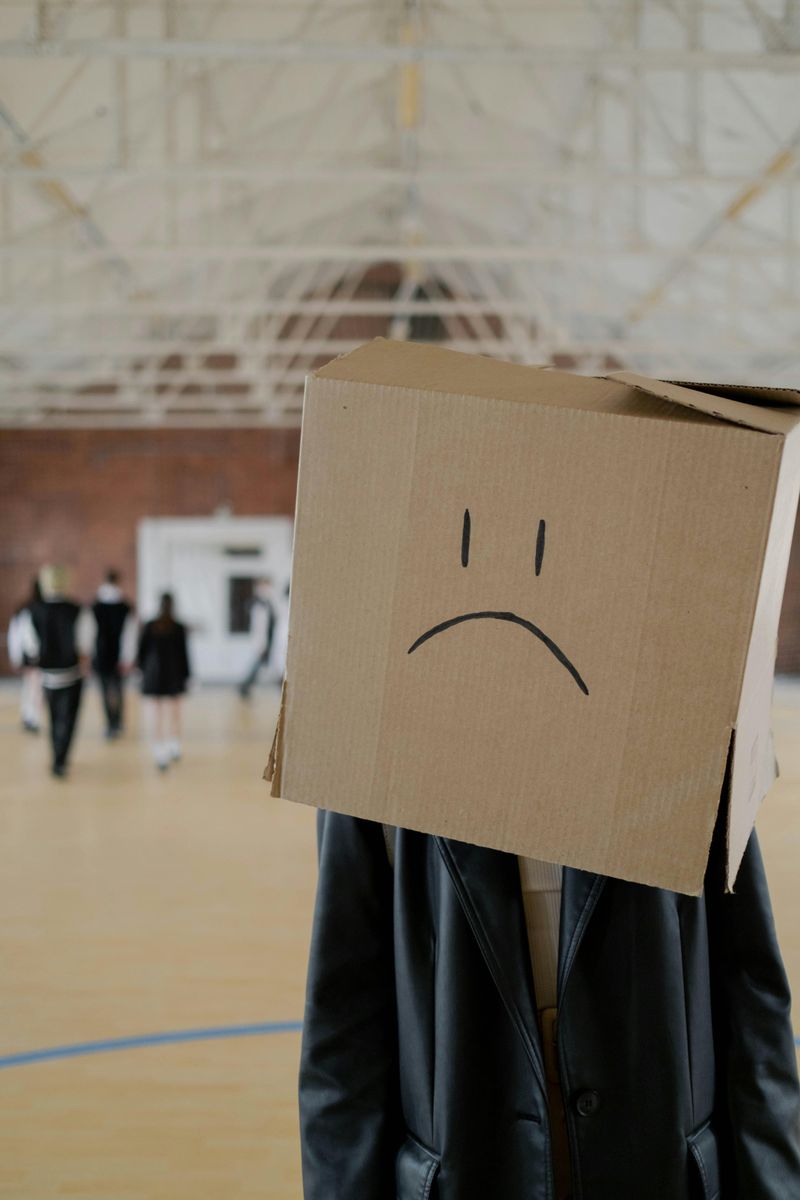
This dark thought creeps in during quiet moments when you feel particularly invisible.
You imagine not showing up to events or work and wonder how long it would take for someone to reach out.
The fear that you could vanish without creating much of a ripple reflects a deep sense of insignificance.
Social media can intensify these feelings.
You see others with countless comments, tags, and messages while your own posts receive minimal engagement.
You skip events and nobody follows up to ask why you weren’t there, confirming your worst suspicions about your importance to others.
The reality is that many people care but express it poorly in our disconnected world.
Your absence would matter more than you think, but people often assume you’re busy rather than checking in, creating a painful silence that feels like indifference.
6. I have to change myself to be accepted

Authenticity feels like a luxury you can’t afford when you’re desperate to belong.
You find yourself adjusting your personality depending on who you’re with, hiding opinions that might be unpopular, and pretending to like things you don’t.
The exhausting performance never ends because you believe the real you isn’t good enough.
You’ve probably experienced rejection when showing your true self, teaching you that conformity is safer.
Maybe your genuine interests were mocked, your honest opinions dismissed, or your natural personality deemed too much or not enough.
These experiences trained you to wear masks rather than risk being seen.
The irony is that changing yourself prevents real connection.
People might accept your performance, but they don’t actually know you, leaving you lonely even when surrounded by others who supposedly like the version you’re pretending to be.
7. I’m always observing, never fully part of the moment

While everyone else seems immersed in experiences, you’re watching from a mental distance.
At parties, you notice the dynamics rather than losing yourself in fun.
During conversations, you analyze patterns instead of simply enjoying the exchange.
This observer position keeps you separated from genuine participation and spontaneity.
Being stuck in your head creates a barrier between you and real experiences.
You’re so busy thinking about how things are going that you forget to actually engage.
This protective stance might shield you from embarrassment, but it also prevents the vulnerability required for meaningful connection.
Some people are naturally more reflective and analytical, which isn’t inherently bad.
However, constantly observing without participating keeps you on the outside looking in, reinforcing the very outsider status you’re trying to escape from in the first place.
8. Why does connecting with people feel so much harder for me?

You watch others form friendships effortlessly while you struggle to move beyond small talk.
What seems natural for everyone else feels like climbing a mountain for you.
You wonder if something is fundamentally broken in you that makes genuine connection so difficult and draining compared to how easy it appears for others.
Maybe you’ve been hurt before, making trust harder to give.
Perhaps you’re more introverted and need recovery time after socializing, while others seem energized by it.
Or you might process emotions differently, making it challenging to express feelings in ways others expect and understand.
Connection difficulties don’t mean you’re defective.
Different people have different social needs, communication styles, and capacities for interaction.
Finding your people often means looking in different places rather than forcing yourself into spaces that naturally don’t suit you.
9. I’m welcome… but not chosen

Nobody actively excludes you, but nobody actively seeks you out either.
You’re allowed to join activities when you show up, but invitations don’t come your way.
People are pleasant when you’re around, yet nobody texts first or makes plans specifically to include you.
You exist in a frustrating middle ground of acceptance without enthusiasm.
This lukewarm reception hurts more than outright rejection sometimes.
At least rejection is clear, while this ambiguous position leaves you constantly questioning where you stand.
You’re the backup friend, the acceptable addition, but never the first choice when someone wants company or support.
Being in this position often reflects timing and circumstance more than your worth.
Established groups have patterns that are hard to break into, and people tend toward familiar connections.
Your value isn’t determined by whether you’re chosen first.
10. Maybe there’s something about me that just doesn’t fit

After countless experiences of feeling different, you start believing the problem is fundamentally you.
Perhaps you’re too sensitive, too quiet, too intense, or too weird.
You’ve heard these labels enough times that they’ve become your internal narrative, convincing you that you’re incompatible with normal social life and belonging.
This belief becomes self-fulfilling when you carry it into new situations.
You approach interactions expecting rejection, which makes you guarded and awkward, which then creates the distance you feared.
The cycle reinforces itself until you’re certain that something inherently wrong with you prevents connection.
The truth is that fitting in isn’t about fixing yourself but finding the right environment.
What doesn’t fit in one context might be exactly right in another.
Your qualities aren’t flaws; they simply need the right people who appreciate them rather than tolerate them.