 MomSkoop

Some experiences quietly shape the way you see the world, and most people never realize how rare they truly are. Being cultured isn’t about being fancy or wealthy — it’s about stepping outside your everyday routine and genuinely connecting with the world around you.
From tasting street food in a foreign city to sitting in a darkened theater watching a story unfold, these moments expand your mind in ways you never forget. If you’ve checked off even a few of the experiences on this list, you’re already ahead of the curve.
1. Visited a World Heritage Site

Standing in front of a place that the entire world has agreed deserves to be protected — that feeling is hard to put into words.
World Heritage Sites are locations recognized by UNESCO for their outstanding cultural, historical, or natural importance.
There are over 1,100 of them scattered across the globe, from the Great Wall of China to the ancient city of Petra in Jordan.
Visiting one means you’ve walked where history actually happened.
You didn’t just read about it or watch a documentary — you stood there, breathed the same air, and felt the weight of centuries beneath your feet.
That kind of experience changes how you think about time, humanity, and your own small place in the world.
2. Watched a Live Orchestra or Classical Concert
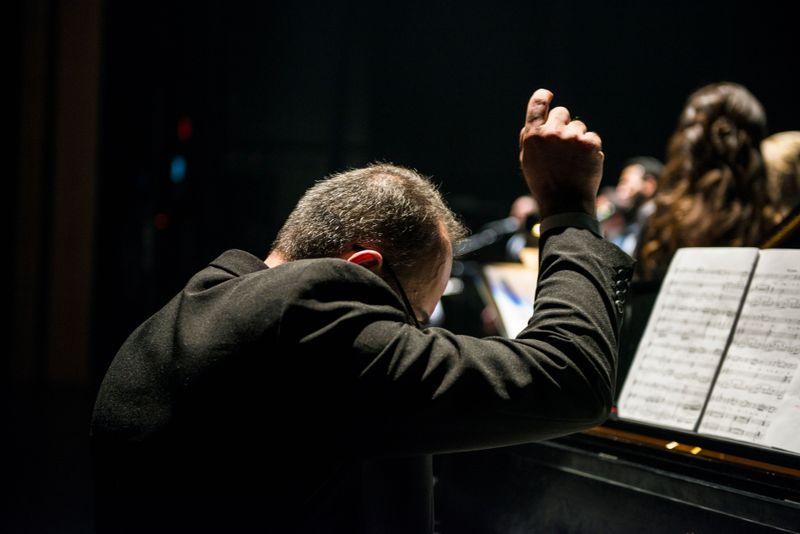
There’s nothing quite like the moment an orchestra fills a concert hall with sound — it wraps around you like something physical, not just something you hear.
Classical music has a reputation for being stuffy or boring, but anyone who’s actually sat through a live performance knows that’s completely wrong.
The energy in the room is electric in a way no recording can replicate.
Watching musicians move together in perfect sync, following a conductor’s subtle gestures, is genuinely mesmerizing.
Whether it was a full symphony or a small chamber ensemble, you’ve experienced an art form that has moved people for hundreds of years.
That puts you in pretty remarkable company — from royalty to revolutionaries, everyone has been touched by live classical music.
3. Explored a Museum Without Rushing Through It
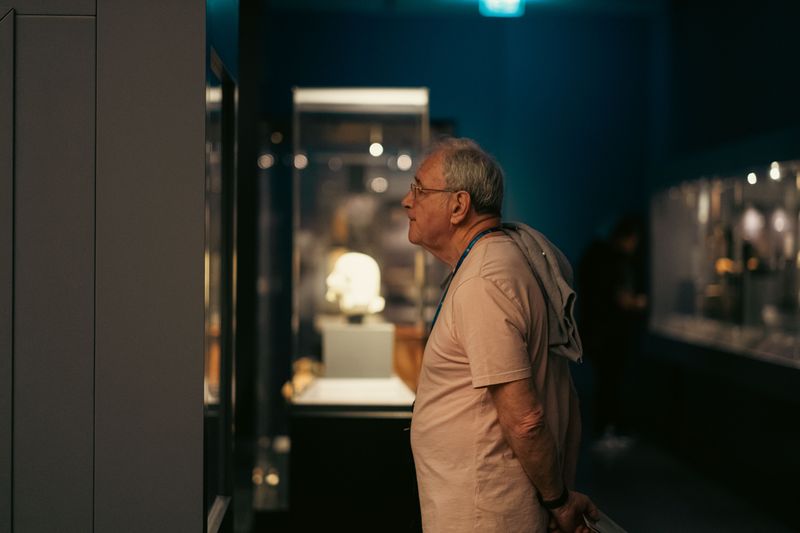
Most people speed through museums like they’re checking items off a grocery list.
But if you’ve ever spent real time in one — pausing, reading, wondering, and actually looking — you know how different that experience feels.
Slowing down in a museum means letting history or art actually speak to you instead of just walking past it.
Museums hold some of humanity’s most incredible stories, inventions, and creative achievements.
When you take your time, you start noticing details that most visitors completely miss — the brushstroke texture of a painting, a tiny artifact with a heartbreaking backstory, or a scientific discovery that changed the world.
That kind of unhurried curiosity is a sign of a genuinely open and thoughtful mind, and it’s rarer than you’d think.
4. Read at Least One Classic Novel From Another Country
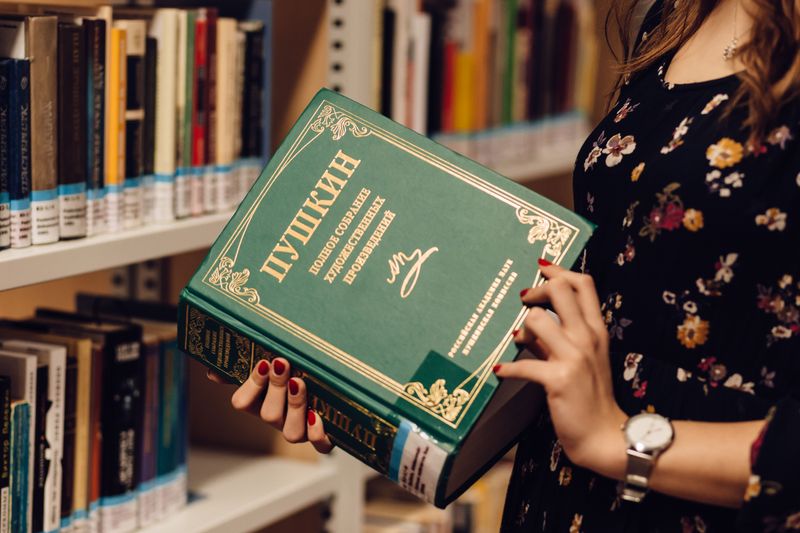
Books have a superpower — they can teleport you into someone else’s life, culture, and way of thinking without you ever leaving your chair.
Reading a classic novel from another country takes that power to a whole new level.
Whether it was Tolstoy from Russia, Garcia Marquez from Colombia, or Natsume Soseki from Japan, you’ve experienced a story shaped by a completely different world than your own.
Classic foreign novels often reveal how people in other cultures think about love, justice, family, and suffering.
They challenge assumptions you didn’t even know you had.
Fun fact: “One Hundred Years of Solitude” by Gabriel Garcia Marquez has been translated into 46 languages and is considered one of the most important novels ever written.
That’s a book worth knowing.
5. Attended a Traditional Festival or Cultural Celebration
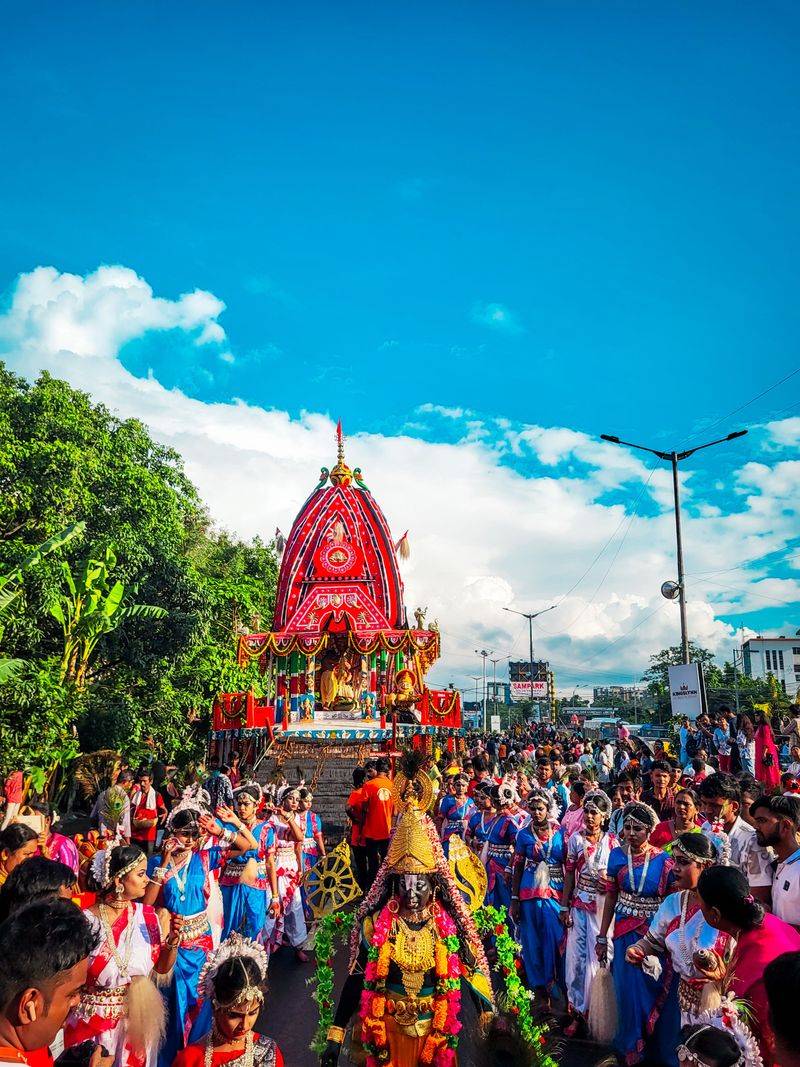
Picture thousands of paper lanterns floating into a dark sky, or streets erupting in color during Holi, or the thunderous beat of drums at a West African festival.
Traditional festivals aren’t just parties — they’re living history, passed down through generations to keep a culture’s identity alive.
Attending one means you’ve witnessed something deeply human and beautifully specific to a community.
These celebrations teach you things no textbook can.
You feel the rhythm of a culture through its food, costumes, music, and rituals.
Even if you didn’t understand every tradition, being present and respectful is itself an act of cultural appreciation.
People who seek out these experiences tend to carry a broader, kinder view of the world wherever they go afterward.
6. Tried Authentic Cuisine in Its Country or Region of Origin
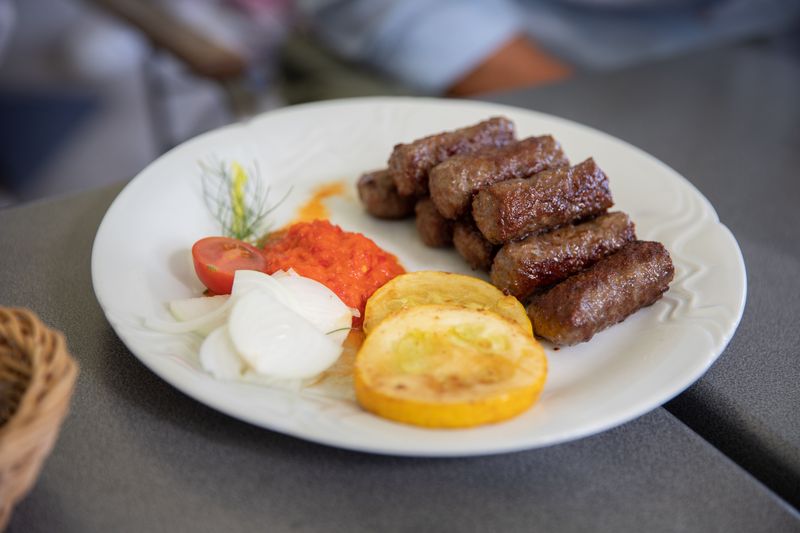
Eating pad thai in Thailand hits completely differently than ordering it at a mall food court back home.
Authentic cuisine — eaten where it actually comes from — is one of the most honest windows into a culture.
The ingredients, the flavors, the way food is served and shared all tell a story about the people who created those dishes over centuries.
Food is culture on a plate.
When you’ve eaten a meal prepared the traditional way in its home region, you’ve participated in something generations of people have shared.
You’ve also trained your palate to appreciate complexity and nuance in flavor.
That experience makes you a more curious, open-minded eater — and honestly, a much more interesting dinner guest at any table.
7. Learned Basic Phrases in a Second Language
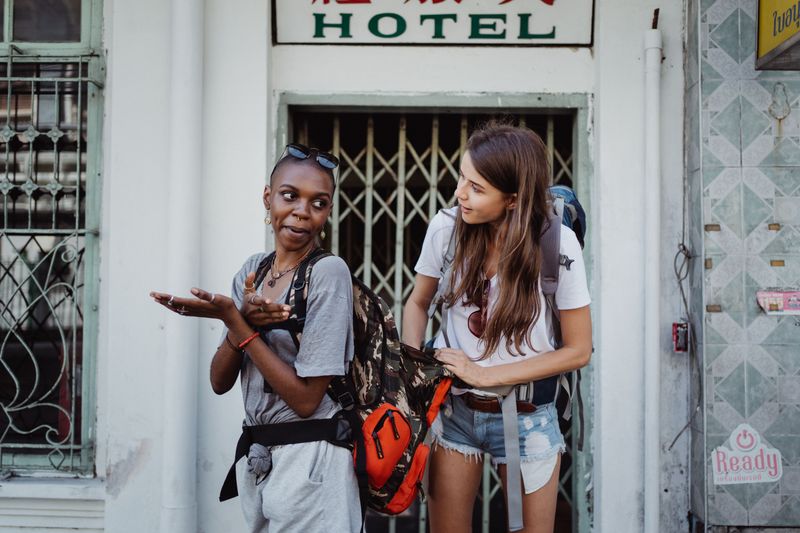
“Bonjour.” “Gracias.” “Arigato.” Three simple words — but in the right moment, in the right country, they open doors that would otherwise stay shut.
Learning even a handful of phrases in another language is one of the most respectful things you can do when engaging with a different culture.
It signals that you’re making an effort, and people notice that.
Studies show that attempting to speak someone’s native language — even imperfectly — builds instant trust and goodwill.
You don’t need to be fluent.
Even knowing how to say hello, thank you, and please in another language shows genuine interest in the people around you.
That small act of humility and effort is something many travelers never bother with, which makes it all the more meaningful when you do.
8. Seen a Historic Landmark With Your Own Eyes
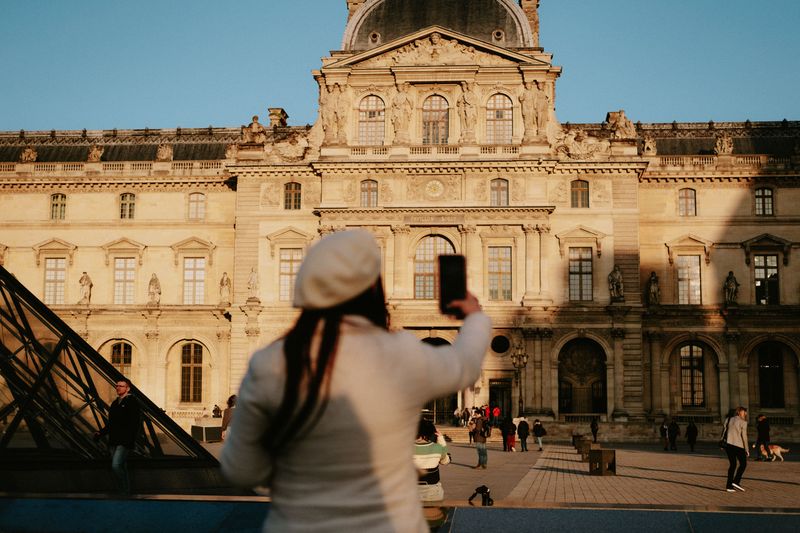
Photos of the Colosseum or the Taj Mahal are everywhere — on phone wallpapers, travel blogs, and postcards.
But nothing prepares you for the moment you actually stand in front of one of these places.
The scale, the texture, the sheer age of it hits you in a way that no screen ever could.
Historic landmarks have a presence that photographs simply cannot capture.
Seeing a landmark in person connects you to the millions of people who built it, lived near it, fought over it, or traveled to see it throughout history.
It makes the past feel suddenly real and close.
Whether it was the Pyramids of Giza or a centuries-old cathedral in your own country, that moment of standing before something truly historic stays with you for the rest of your life.
9. Watched an Award-Winning Foreign-Language Film
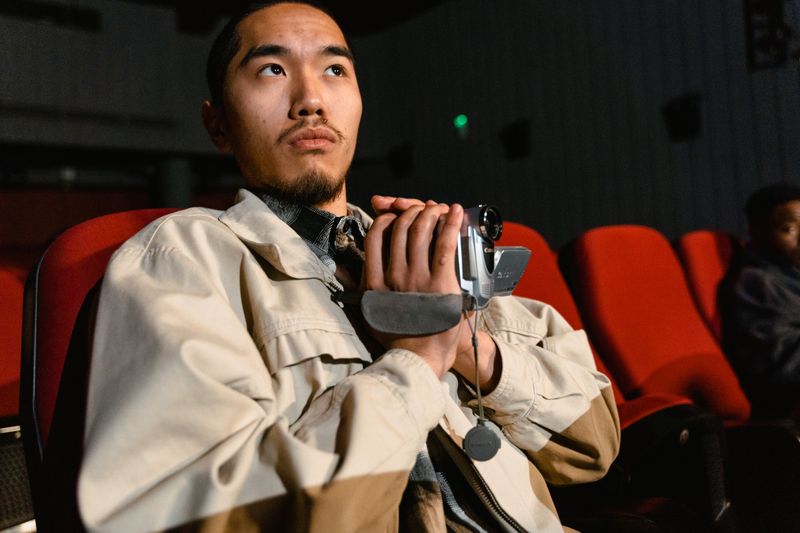
Reading subtitles while watching a film used to feel like a chore to many people — until they actually tried it and got completely hooked.
Award-winning foreign-language films like “Parasite,” “Spirited Away,” or “Roma” have shown audiences worldwide that great storytelling has no language barrier.
Once you watch a few, you start wondering why you ever limited yourself to films from just one country.
Foreign films expose you to different narrative styles, visual approaches, and emotional landscapes.
They challenge the way you think stories are supposed to be told.
The fact that “Parasite” became the first non-English film to win the Oscar for Best Picture in 2020 shows just how powerful these stories can be.
Watching them is a quiet act of cultural curiosity that broadens your perspective in lasting ways.
10. Experienced a Live Theater Performance
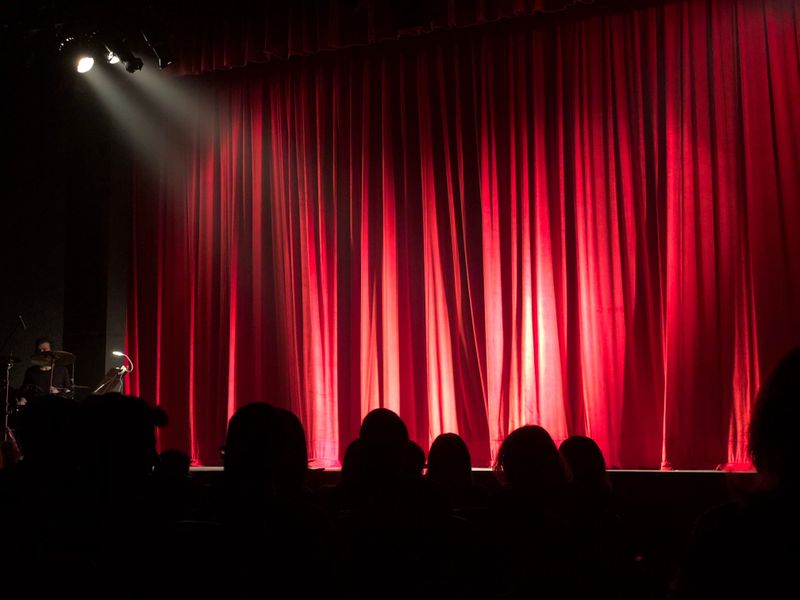
There’s a kind of magic that only happens in live theater — the actors are right there, breathing the same air as you, and anything could go wrong at any moment.
That vulnerability makes every performance uniquely alive.
Whether it was a Shakespeare play, a Broadway-style musical, or a small community production, live theater delivers an emotional punch that recorded entertainment rarely matches.
Theater has been central to human culture for over 2,500 years, starting with ancient Greek performances that explored justice, fate, and the gods.
When you watch a live performance, you’re participating in that long tradition.
You also develop a deeper appreciation for storytelling, acting, and the collaborative effort it takes to bring a story to life on stage.
That appreciation quietly sharpens your emotional intelligence over time.
11. Visited a Place of Historical or Religious Significance
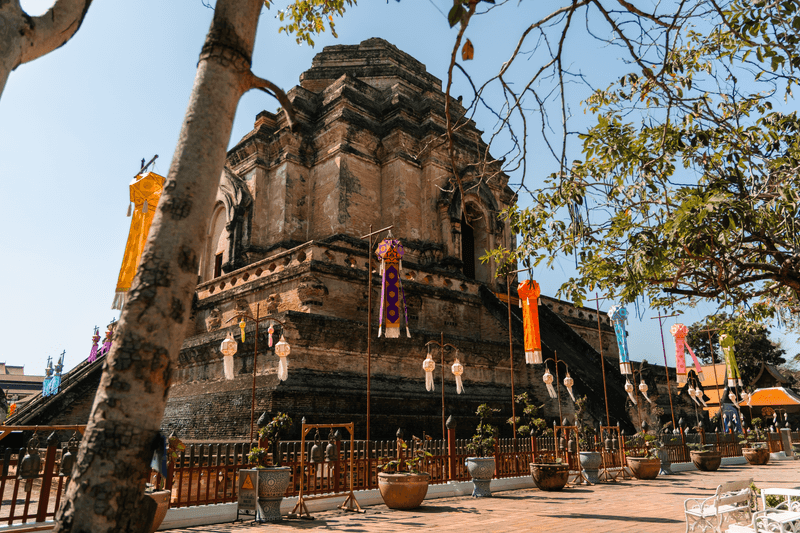
Walking into a centuries-old mosque, cathedral, Buddhist temple, or ancient sacred site has a way of making the noise of everyday life go completely quiet.
These places carry layers of meaning — spiritual, historical, and deeply human.
People have prayed, grieved, celebrated, and sought answers in these spaces for generations, and that energy is palpable when you step inside.
Visiting such a place isn’t just about sightseeing.
It’s about acknowledging that other people’s beliefs and histories matter, even when they’re different from your own.
Approaching these sites with genuine curiosity and respect is a mark of real cultural awareness.
Many travelers walk past these places without truly seeing them.
Those who pause, reflect, and take in the full weight of where they’re standing walk away fundamentally changed.
12. Listened to Music From Cultures Outside Your Own
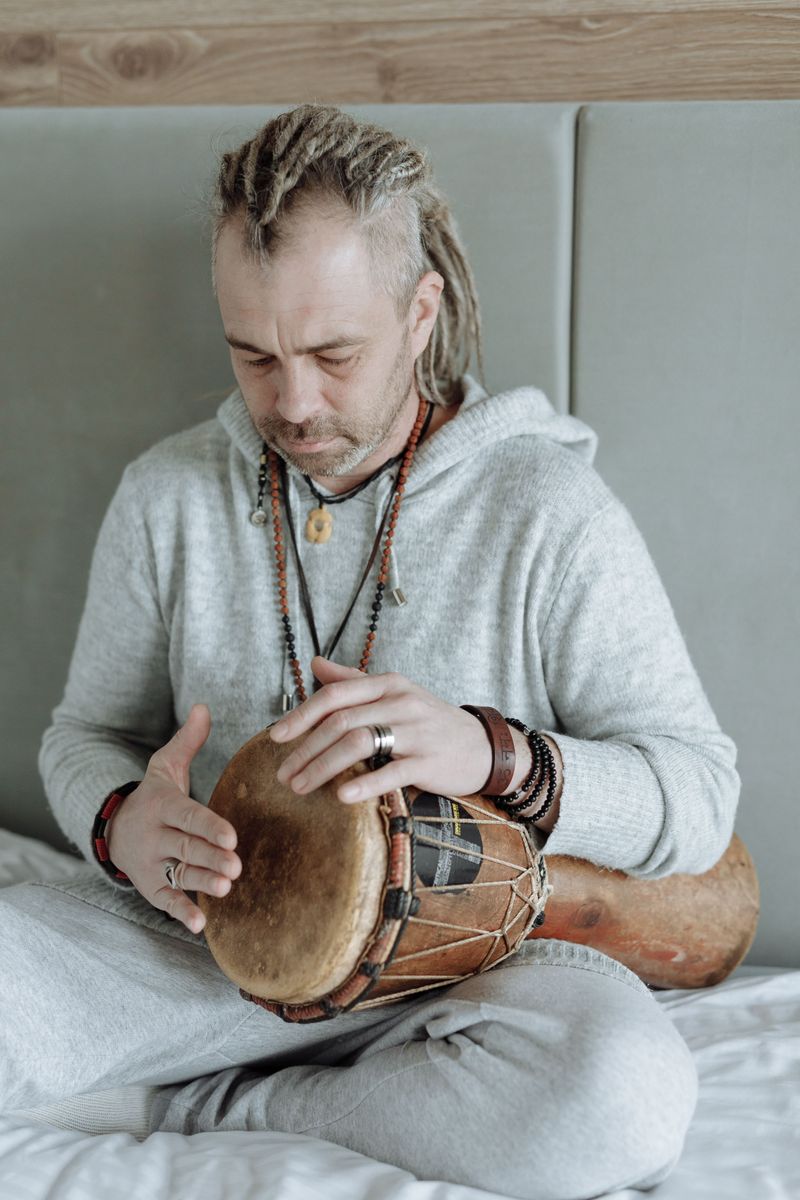
The first time you hear West African kora, traditional Japanese shamisen, or the haunting beauty of Mongolian throat singing, something shifts inside you.
Music from other cultures doesn’t just sound different — it operates on completely different rhythmic, tonal, and emotional systems than what most Western ears are used to.
That unfamiliarity is exactly what makes it so valuable to experience.
Exposing yourself to global music expands your sense of what sound can do and what emotions it can carry.
It also builds a kind of empathy — when you feel moved by music from a culture you know little about, you realize how much all humans share beneath the surface differences.
Playlists from around the world are more accessible than ever, which makes this one of the easiest cultural doors to open.
13. Appreciated Art in a Gallery or Exhibition
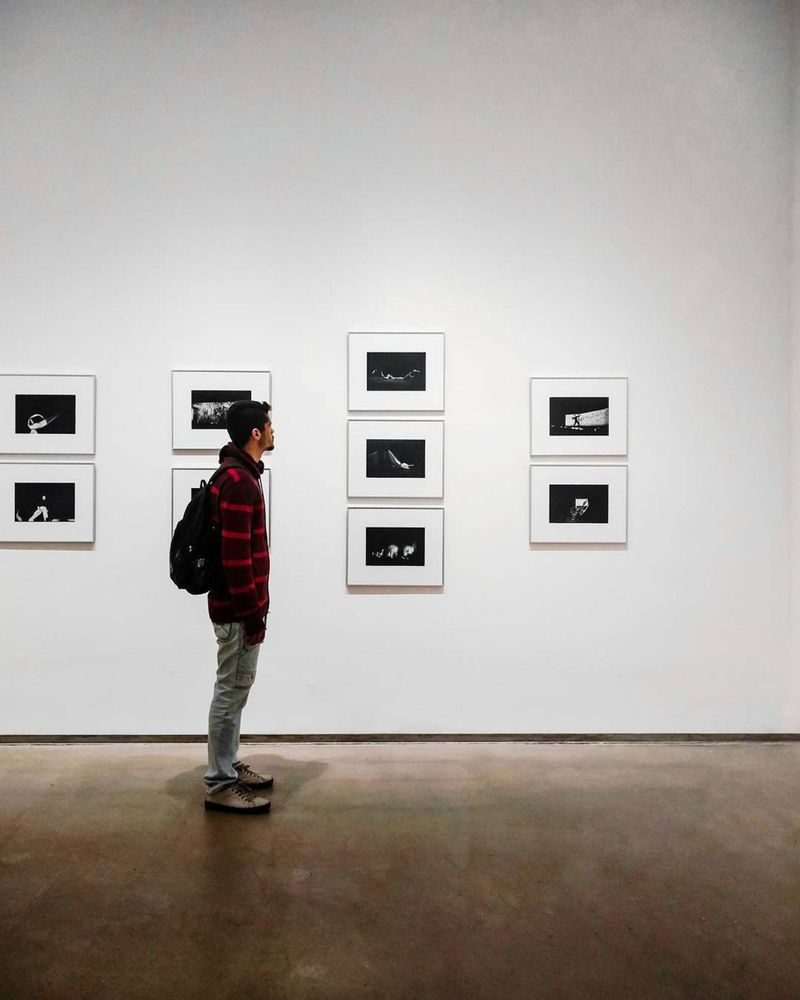
Art galleries can feel intimidating at first — all that silence, all those pieces you’re not sure you “get.” But here’s the thing: art doesn’t require you to understand it.
It just requires you to look.
Really look.
When you’ve spent time in a gallery genuinely engaging with what’s in front of you — even the pieces that confuse or unsettle you — you’ve done something most people avoid.
Art is one of the oldest ways humans have communicated ideas too complex for words.
Paintings, sculptures, and installations carry history, politics, emotion, and imagination all at once.
Spending time with art, especially work that challenges you, trains your brain to sit with uncertainty and complexity.
That’s a skill that quietly improves every other area of your thinking and decision-making in daily life.
14. Traveled Somewhere That Challenged Your Comfort Zone
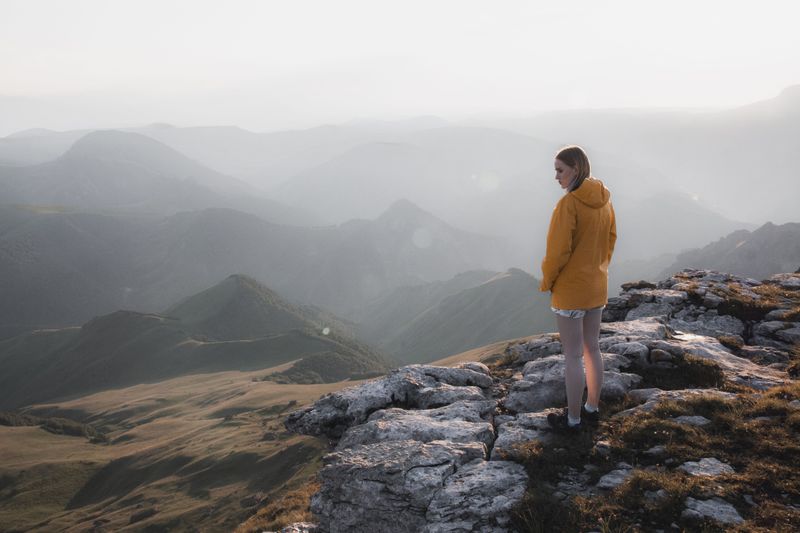
Comfortable travel is great — but transformative travel is something else entirely.
When you’ve gone somewhere that genuinely pushed you, where the language was foreign, the customs were unfamiliar, and nothing worked the way you expected, you’ve done something that builds real character.
Discomfort has a way of teaching lessons that no comfortable vacation ever could.
Challenging travel strips away assumptions and forces you to rely on your instincts, your kindness, and your adaptability.
You learn that most people, everywhere, are fundamentally decent and willing to help a confused stranger.
You also learn more about yourself in two weeks of difficult travel than in years of routine life at home.
The world looks permanently different when you’ve navigated it in a place where you didn’t automatically belong.
15. Had a Meaningful Conversation With Someone From a Completely Different Culture
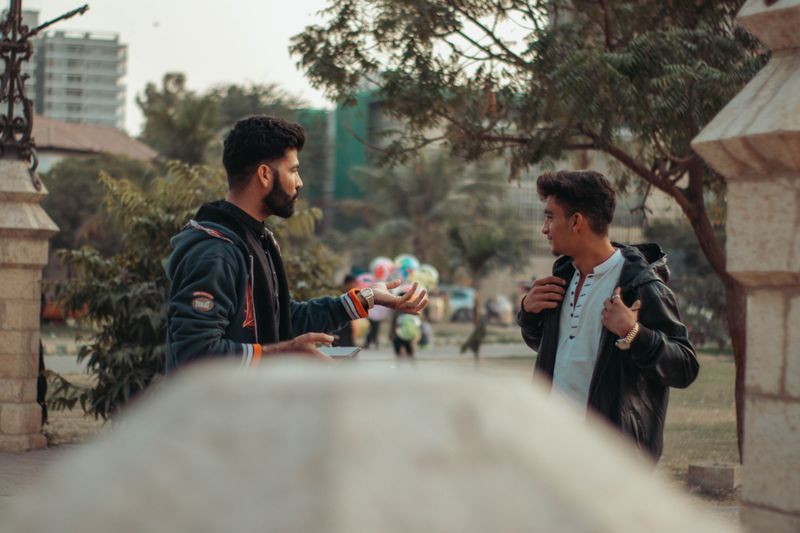
Not a quick exchange at a checkout counter — a real conversation.
One where you asked questions, listened carefully, and walked away seeing something you’d never considered before.
These conversations are rarer than they should be, because most people stick close to those who already share their worldview.
Breaking that habit even once can be genuinely eye-opening.
When someone from a completely different background shares how they see family, success, faith, or fairness, it holds up a mirror to your own assumptions.
You start to realize how much of what you consider “normal” is actually just one way of doing things among thousands of equally valid ways.
These conversations build empathy, reduce prejudice, and quietly make you a wiser, more thoughtful person — qualities that no passport stamp can give you on its own.