 MomSkoop
Food connects us to cultures around the world in ways that travel sometimes cannot. Tasting authentic dishes from different countries opens a window into their history, traditions, and daily life.
If you’ve sampled the dishes on this list, you’ve earned your stripes as a true culinary explorer.
1. Sushi (Japan)
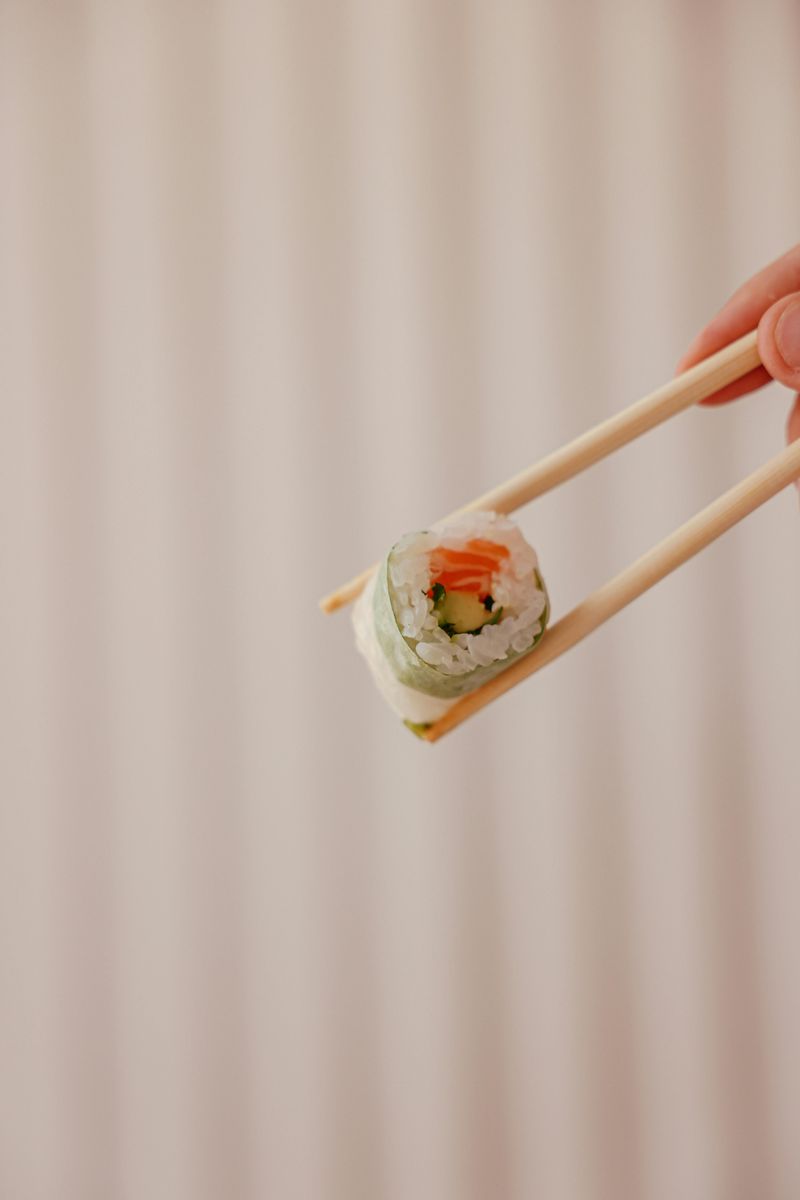
Vinegared rice meets the ocean in this iconic Japanese creation that has captured hearts worldwide.
Fresh fish or colorful vegetables sit atop perfectly seasoned rice, creating bite-sized masterpieces.
Sushi chefs spend years mastering the art of slicing fish and shaping rice with just the right pressure.
Whether you prefer salmon, tuna, or cucumber rolls, each piece delivers a burst of clean, delicate flavors.
The combination of textures—soft rice, tender fish, and crispy nori—makes every bite an adventure.
Trying sushi means experiencing centuries of Japanese culinary tradition in a single mouthful.
2. Paella (Spain)
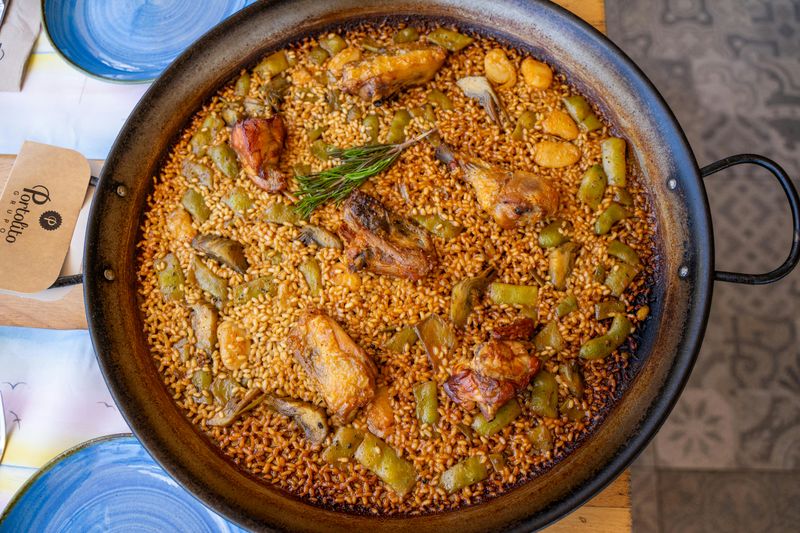
Image Credit: © Wijs (Wise) / Pexels
Golden saffron threads transform ordinary rice into something magical in this Valencian treasure.
Traditionally cooked in a wide, shallow pan over an open flame, paella brings people together for communal feasts.
Seafood versions burst with shrimp, mussels, and clams, while meat variations feature chicken and rabbit.
The crispy layer of rice at the bottom, called socarrat, is considered the most prized part by locals.
Each region in Spain adds its own twist, but the soul of the dish remains the same.
Sharing paella with friends under the Spanish sun captures the essence of Mediterranean living.
3. Ceviche (Peru)
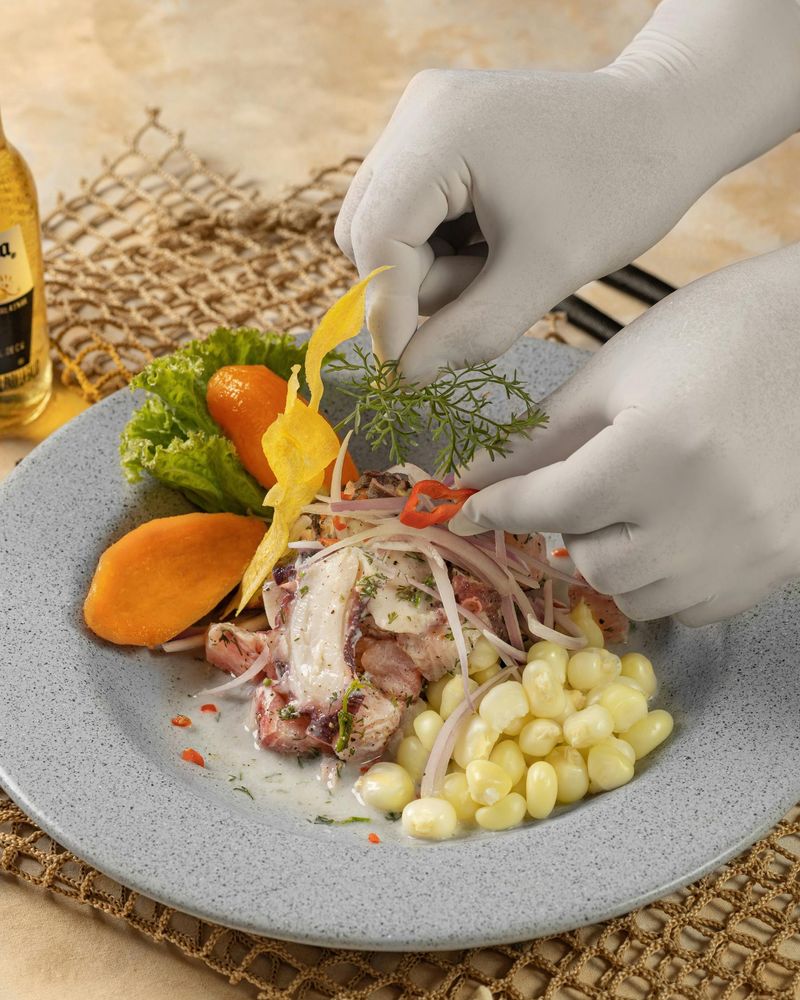
Image Credit: © Kioto Estudio / Pexels
Raw fish transforms into a tangy delight through the power of citrus in this refreshing Peruvian specialty.
Lime juice actually cooks the fish through a chemical process, turning the flesh opaque and tender.
Red onions, cilantro, and fiery ají peppers add layers of flavor that wake up your taste buds instantly.
Coastal communities in Peru have perfected this dish over generations, using the freshest catch of the day.
Sweet potato and corn often accompany ceviche, balancing the acidity with their natural sweetness.
One spoonful transports you straight to the beaches of Lima, where ceviche culture thrives year-round.
4. Rendang (Indonesia)
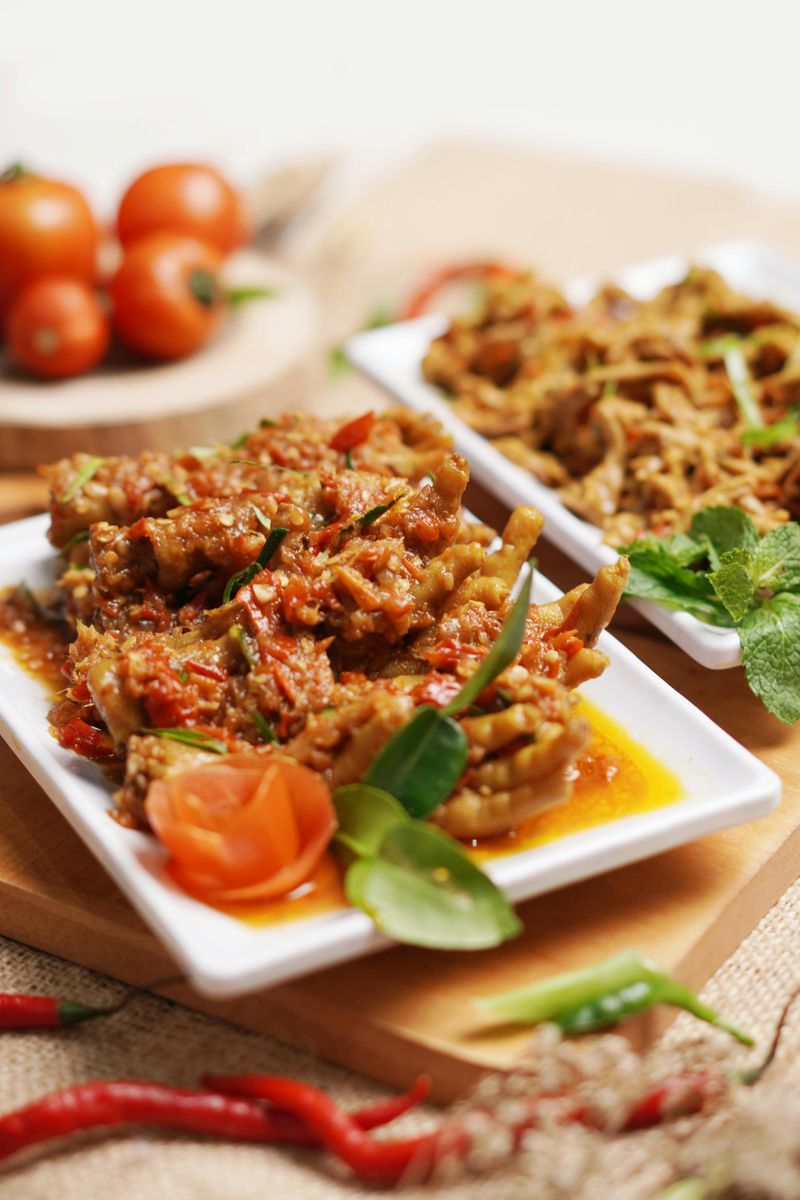
Image Credit: © kelvin agustinus / Pexels
Patience rewards those who cook rendang, as this Indonesian beef dish simmers for hours until fork-tender.
Coconut milk, lemongrass, galangal, and a symphony of spices create a sauce so complex it defies description.
The beef slowly absorbs these flavors while the liquid reduces to a thick, caramelized coating.
Originally from West Sumatra, rendang has been called one of the most delicious foods on Earth by food critics.
Its deep, rich taste combines sweet, spicy, and savory notes in perfect harmony.
Serving rendang at special occasions shows respect and love in Indonesian culture, making it more than just a meal.
5. Poutine (Canada)
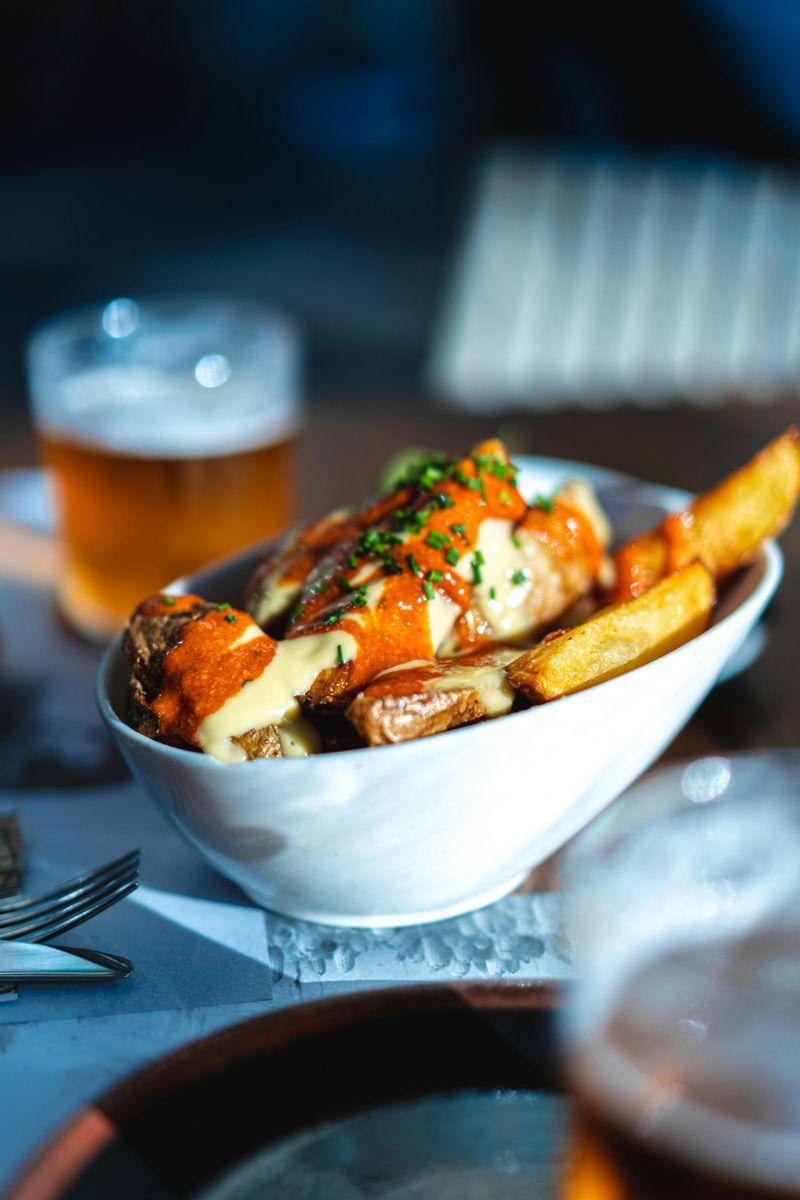
Image Credit: © MikeGz / Pexels
Quebec gave the world this glorious mess of fries, cheese curds, and gravy that defies all diet logic.
Crispy French fries form the foundation, topped with squeaky fresh cheese curds that must be at room temperature.
Hot brown gravy pours over everything, melting the cheese just enough while keeping some curds intact.
What started as humble comfort food in rural Quebec has become a national symbol of Canadian cuisine.
Variations now include pulled pork, bacon, or even lobster, but purists swear by the original trio.
Late-night cravings find their perfect match in this indulgent dish that warms both body and soul.
6. Pho (Vietnam)
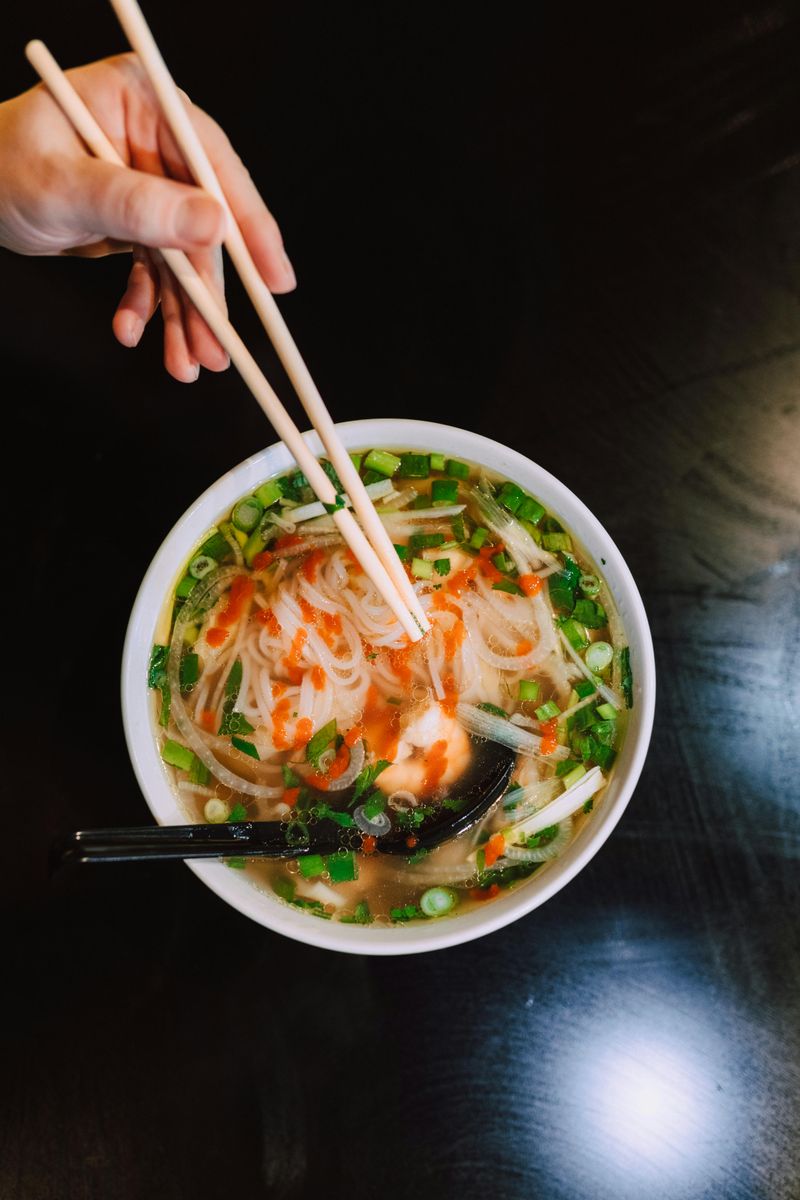
Image Credit: © RDNE Stock project / Pexels
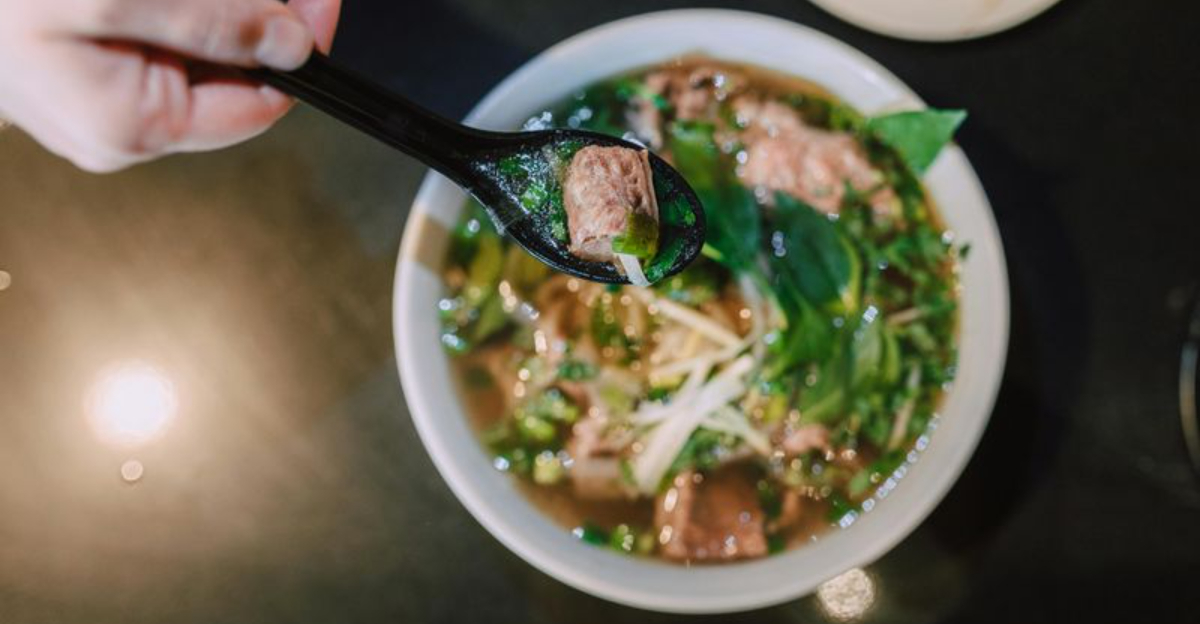
Aromatic steam rises from bowls of pho, carrying the scent of star anise, cinnamon, and slow-simmered bones.
Rice noodles swim in crystal-clear broth that takes hours to achieve its perfect depth of flavor.
Thin slices of beef cook in the hot liquid right at your table, staying tender and juicy.
Fresh herbs like Thai basil, cilantro, and mint arrive on a separate plate for customizing each spoonful.
A squeeze of lime and dash of sriracha let you adjust the taste to your exact preference.
Vietnamese families consider pho essential breakfast food, though Westerners enjoy it any time of day.
7. Tandoori Chicken (India)
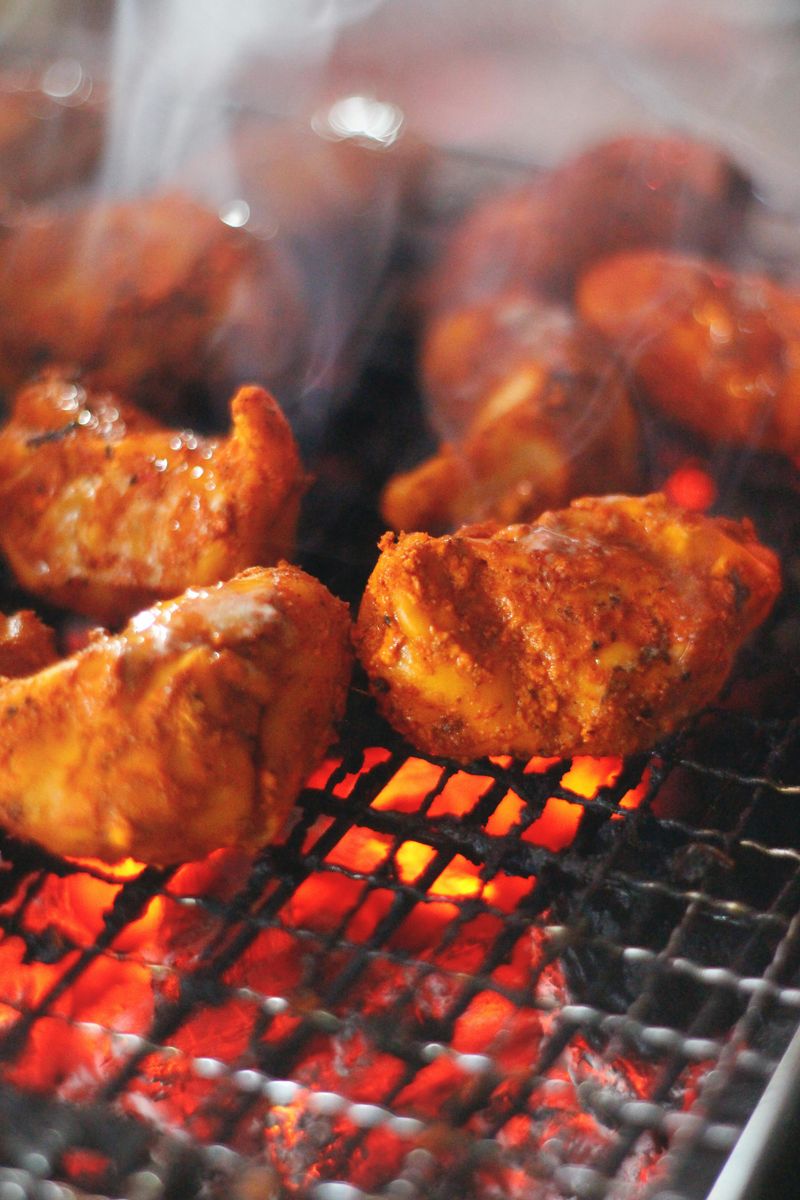
Image Credit: © Mouktik Joshi / Pexels
Brilliant red chicken emerges from clay ovens with a smoky char that makes mouths water instantly.
Yogurt and spice marinades tenderize the meat while infusing it with flavors like cumin, coriander, and garam masala.
The tandoor oven reaches scorching temperatures that seal in juices while creating that signature charred exterior.
This cooking method dates back thousands of years in India, though it gained worldwide fame relatively recently.
Each restaurant guards its spice blend recipe like a precious secret, making every version slightly different.
Tearing off a piece with warm naan bread and cooling it with mint chutney creates the ultimate flavor combination.
8. Moussaka (Greece)
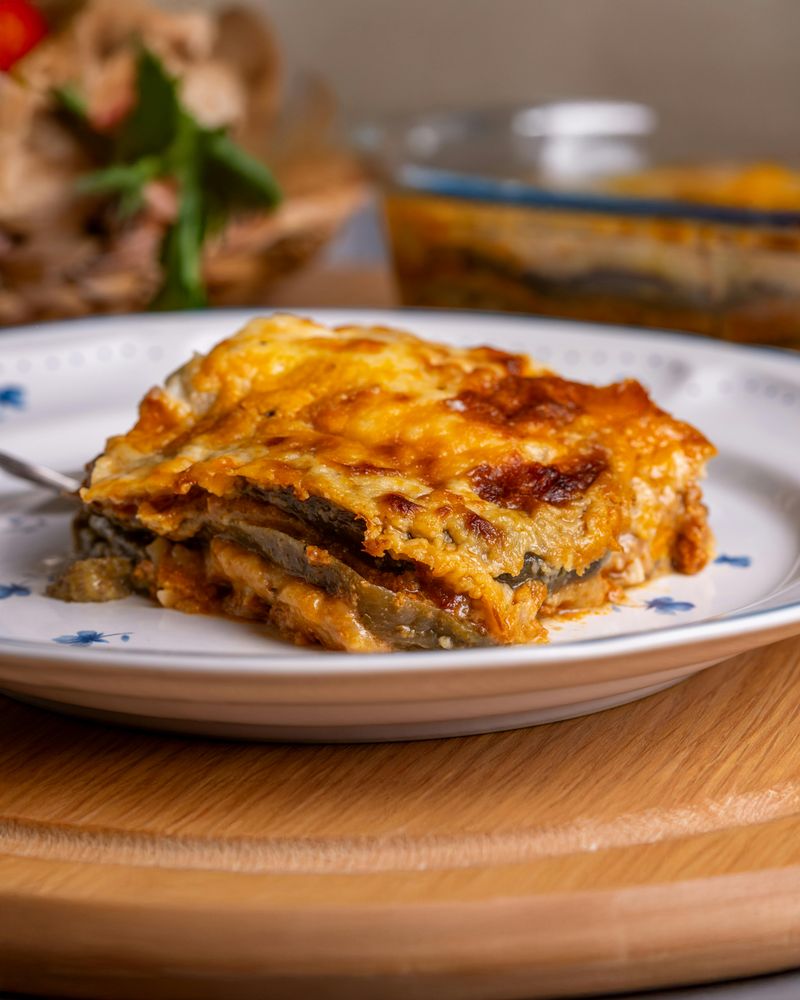
Image Credit: © Nano Erdozain / Pexels
Layers upon layers of eggplant, spiced meat, and creamy béchamel create this Greek comfort food masterpiece.
Ground lamb or beef simmers with tomatoes, cinnamon, and nutmeg for a filling that tastes both familiar and exotic.
Sliced eggplant gets fried or roasted until tender before being stacked in the baking dish.
The crowning glory is thick béchamel sauce that bakes to a golden, slightly crispy top layer.
Greek grandmothers have passed down their moussaka techniques through generations, each family claiming theirs is best.
Cutting through all those layers reveals a cross-section of Mediterranean history and tradition on your fork.
9. Falafel (Middle East)
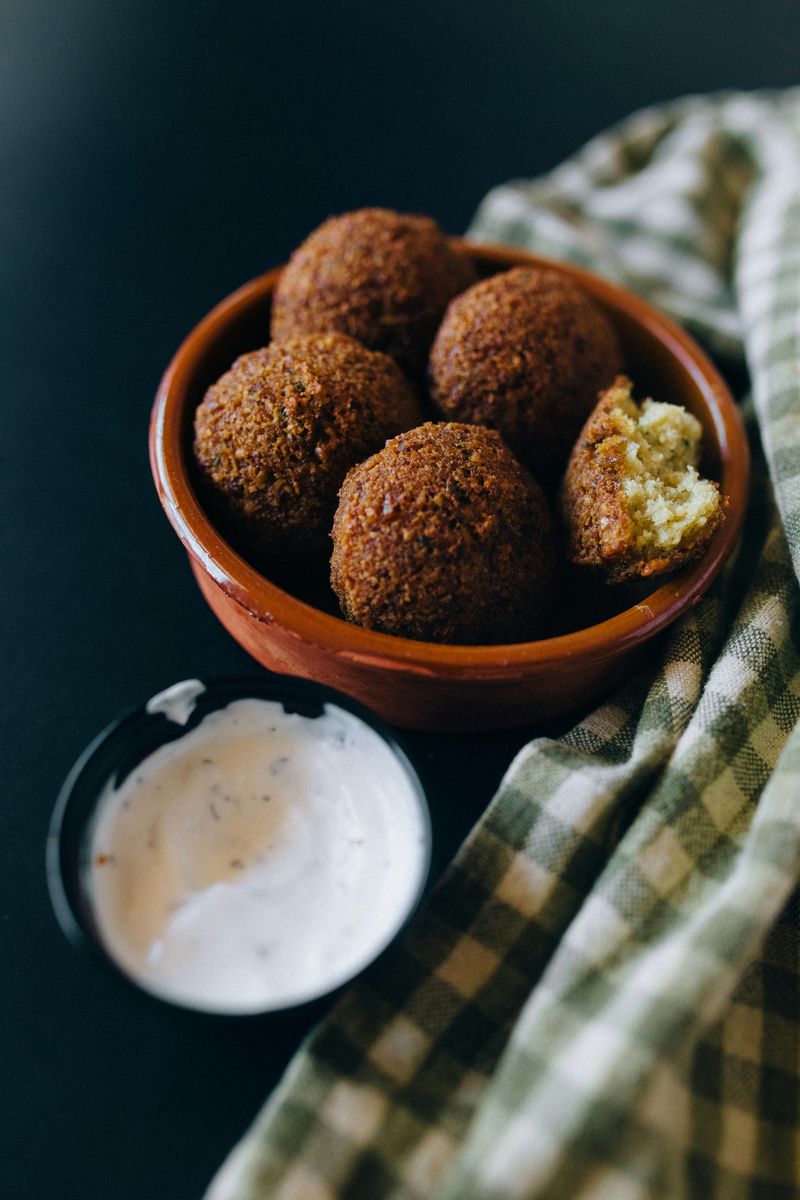
Image Credit: © Nataliya Vaitkevich / Pexels
Crispy on the outside, fluffy on the inside—falafel achieves the perfect texture through careful seasoning and frying.
Ground chickpeas or fava beans mix with fresh herbs, garlic, and spices before being shaped into small patties.
Hot oil transforms these green-tinted balls into golden-brown packages of plant-based protein and flavor.
Tucked into warm pita bread with tahini sauce, pickles, and fresh vegetables, falafel becomes a complete meal.
Street vendors across the Middle East have perfected this ancient food, serving it to hungry crowds for generations.
Vegetarians and meat-eaters alike appreciate how satisfying and delicious these humble chickpea fritters can be.
10. Kimchi (Korea)
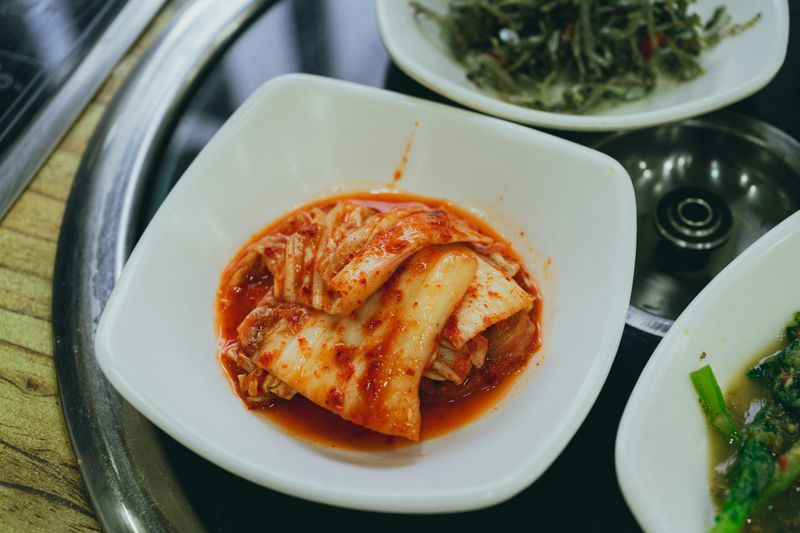
Image Credit: © Theodore Nguyen / Pexels
Fermented vegetables pack a spicy, tangy punch that transforms ordinary meals into something extraordinary in Korean cuisine.
Napa cabbage gets salted, rinsed, then coated with a paste of chili flakes, garlic, ginger, and fish sauce.
Time works its magic as beneficial bacteria ferment the mixture, developing complex flavors and healthy probiotics.
Every Korean household has its own kimchi recipe, with some families aging theirs in special refrigerators for months.
The first crunchy, spicy bite might surprise newcomers, but most people quickly become addicted to its unique taste.
Beyond cabbage, Koreans make kimchi from radishes, cucumbers, and other vegetables, creating endless delicious variations.
11. Goulash (Hungary)
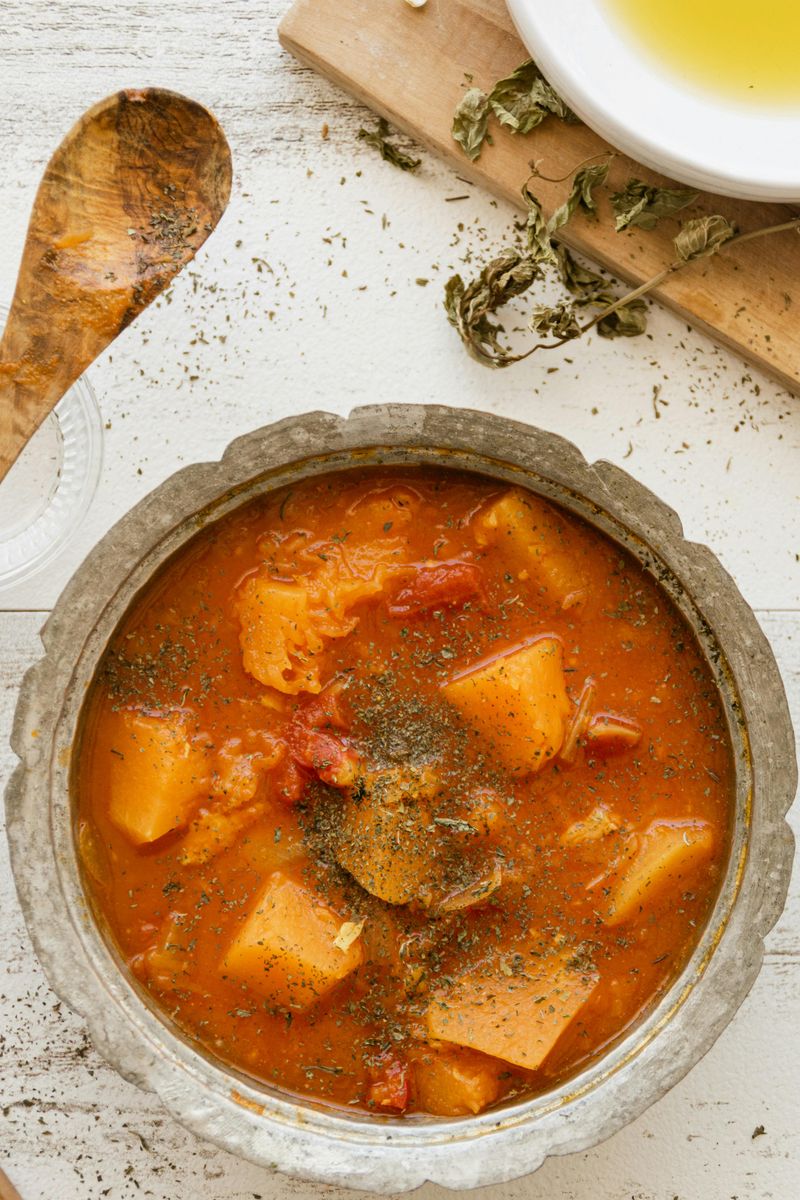
Image Credit: © Angela Khebou / Pexels
Hungarian shepherds created this paprika-rich stew centuries ago, cooking it over open fires in large kettles.
Beef chunks simmer until they practically fall apart, soaking up the deep red sauce flavored with sweet paprika.
Onions, peppers, tomatoes, and potatoes join the pot, creating a complete meal in a single dish.
The secret lies in using authentic Hungarian paprika, which has a sweeter, more complex flavor than regular varieties.
Cold winter days find their perfect antidote in a steaming bowl of goulash served with crusty bread.
This national dish represents Hungarian hospitality and the country’s agricultural heritage in every warming spoonful.
12. Baklava (Turkey/Greece/Middle East)

Image Credit: © Engin Akyurt / Pexels
Paper-thin phyllo dough layers stack impossibly high, separated by butter and crushed nuts in this ancient sweet treat.
Pistachios, walnuts, or almonds provide crunch and richness between the delicate, crispy pastry sheets.
After baking to golden perfection, hot baklava gets drenched in honey or sugar syrup flavored with lemon and rosewater.
The result is almost too sweet, incredibly sticky, and absolutely impossible to eat just one piece.
Turkish, Greek, and Middle Eastern cultures all claim baklava as their own, each adding regional touches.
Sharing baklava at celebrations symbolizes abundance and joy, making every bite taste even sweeter than the last.