 MomSkoop
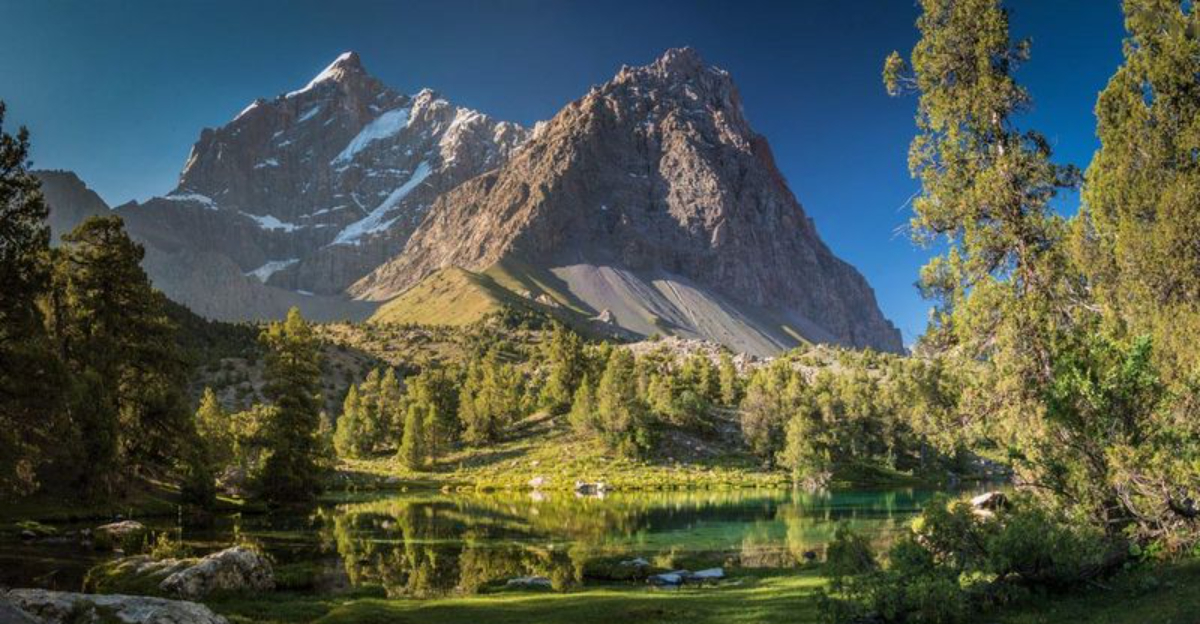
Most Americans stick to familiar vacation spots like Paris, London, or the Caribbean beaches.
But there’s a whole world of extraordinary places that few travelers ever experience.
The countries on this list require extra planning, courage, and a true sense of adventure to visit, making them badges of honor for those who’ve made the journey.
1. Bhutan
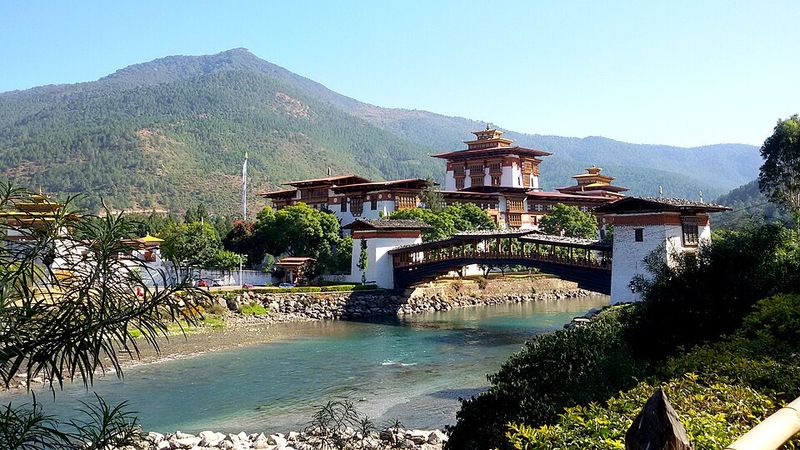
Tucked away in the Himalayas, this kingdom doesn’t measure success by money but by Gross National Happiness.
Getting here isn’t easy since tourism is carefully controlled to protect the culture and environment.
You’ll need to book through approved tour operators and pay a daily fee that covers most expenses.
Prayer flags flutter everywhere while monks in crimson robes walk ancient fortress-monasteries called dzongs.
The famous Tiger’s Nest monastery clings impossibly to a cliff face 3,000 feet above the valley floor.
Hiking there takes your breath away, literally and figuratively.
Traditional archery competitions happen in villages, and locals wear their national dress daily, not just for tourists.
2. Mongolia
Endless grasslands stretch farther than your eyes can see, broken only by the occasional ger, a traditional felt tent.
Nomadic families still live like their ancestors did centuries ago, moving with their livestock across the steppe.
Staying with these families gives you a window into a lifestyle most modern people can’t imagine.
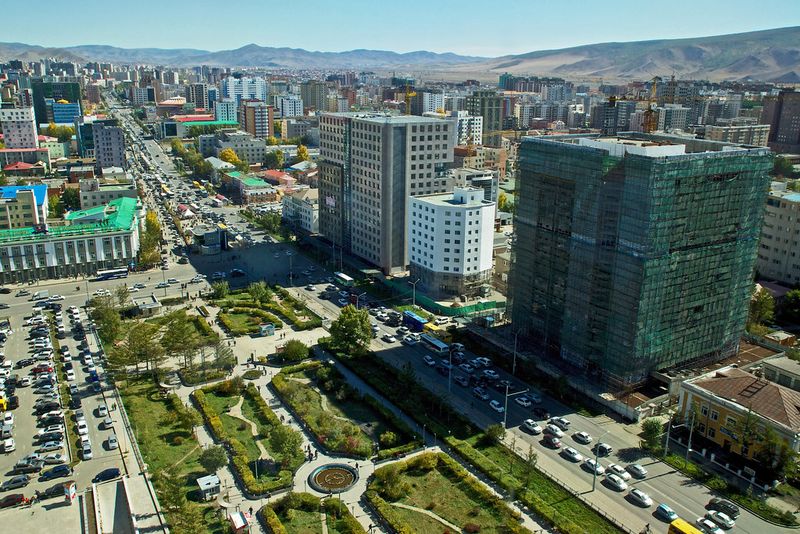
The capital Ulaanbaatar mixes Soviet-era buildings with gleaming new skyscrapers, creating a fascinating contrast.
But the real magic happens outside the city.
You might witness eagle hunters in western Mongolia or explore the Gobi Desert’s singing sand dunes.
Summer brings the Naadam Festival, where Mongolians compete in wrestling, archery, and horse racing.
3. Papua New Guinea
Over 800 languages are spoken across this island nation, making it one of Earth’s most culturally diverse places.
Remote highland tribes maintain traditions that have existed for thousands of years.
Some villages were only contacted by the outside world in the 1930s.
Dense rainforests hide exotic birds of paradise that look like they’re from another planet.
Coral reefs surrounding the islands contain marine life found nowhere else.
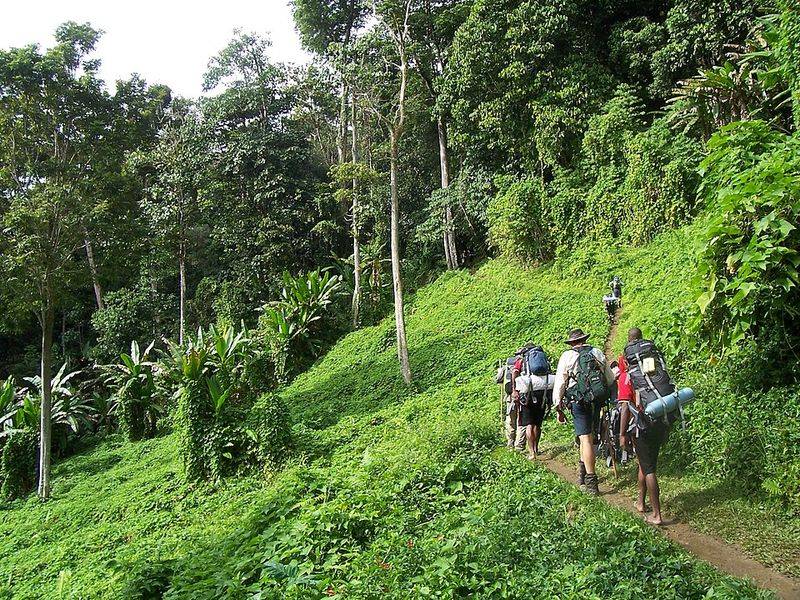
The Kokoda Track, a challenging jungle trail, attracts hikers interested in World War II history.
Visiting requires serious preparation since infrastructure is minimal outside Port Moresby.
Tribal sing-sings, where groups gather in full ceremonial dress, create unforgettable cultural experiences.
4. Timor-Leste
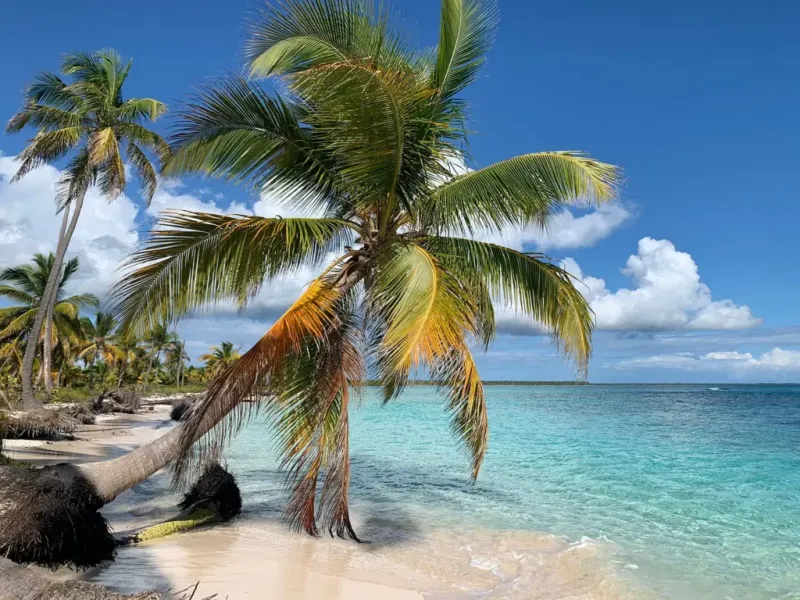
Asia’s youngest country only gained independence in 2002 after centuries of struggle.
Most travelers have never even heard of this half-island nation between Indonesia and Australia.
Portuguese colonial architecture crumbles beautifully in the capital Dili, while pristine beaches remain virtually untouched by tourism.
World-class diving spots feature coral walls dropping into the deep Wetar Strait, where you’ll have entire reefs to yourself.
Mountain villages in the interior preserve ancient animist traditions alongside Catholic influences.
Coffee plantations produce some of the world’s best organic beans.
The warmth of Timorese people, who’ve endured so much hardship, makes every interaction meaningful and memorable.
5. São Tomé and Príncipe
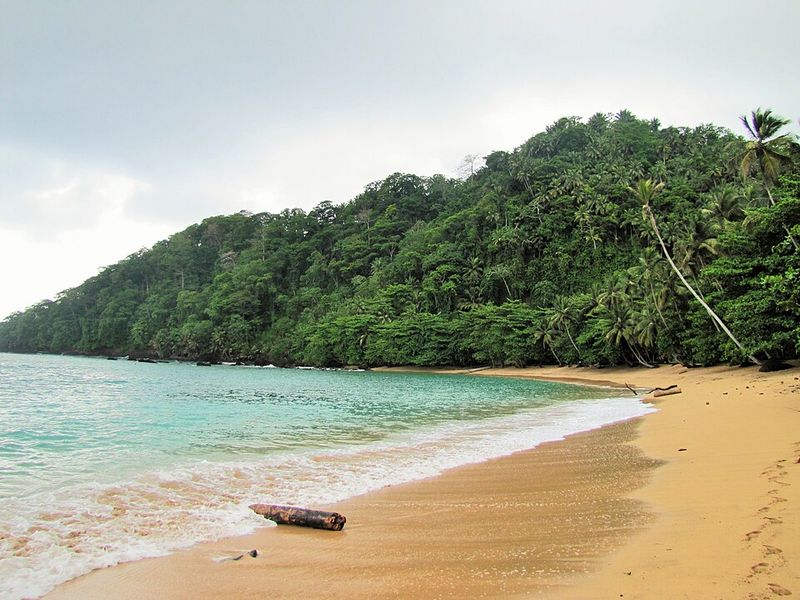
Floating in the Gulf of Guinea off Africa’s west coast, these tiny volcanic islands remain blissfully unknown to most travelers.
Chocolate lovers should know that some of the world’s finest cocoa grows in the misty plantations here.
Crumbling colonial estates called roças tell stories of the Portuguese plantation era.
Rainforests cascade down volcanic peaks to deserted beaches with powder-soft sand.
Rare endemic species like the São Tomé fiscal and the giant sunbird live nowhere else on Earth.
Snorkeling reveals sea turtles gliding through crystal waters.
The laid-back island vibe feels like the Caribbean did fifty years ago, before mass tourism changed everything forever.
6. Comoros
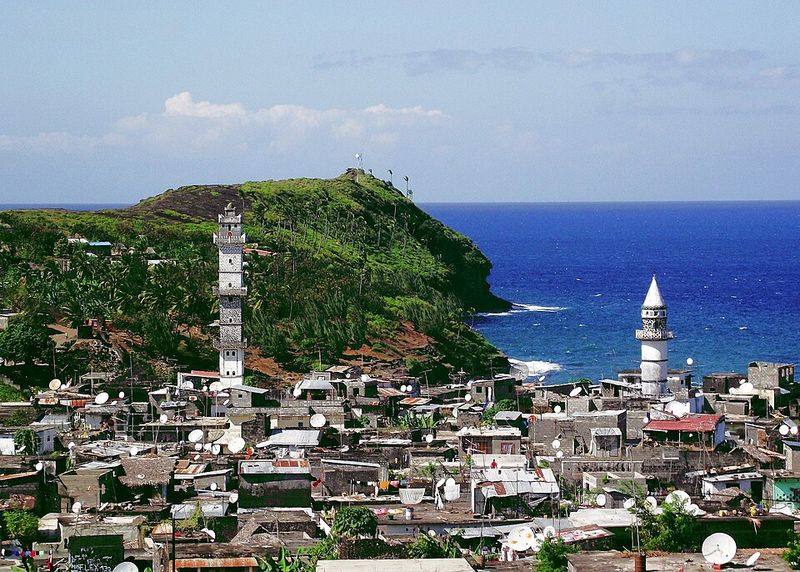
Wedged between Madagascar and Mozambique, this archipelago combines African, Arab, and French influences into something entirely unique.
Active volcanoes rumble beneath your feet while ylang-ylang flowers perfume the humid air.
This plant produces essential oils used in expensive French perfumes.
Traditional dhow boats with triangular sails still carry goods between islands just like centuries ago.
Women wear colorful shiromani masks made from ground sandalwood as beauty treatments.
The old medina in Moroni features winding alleyways and whitewashed mosques.
Political instability has kept tourist numbers extremely low, meaning you’ll experience authentic island life without crowds or resort developments changing the landscape.
7. Kiribati
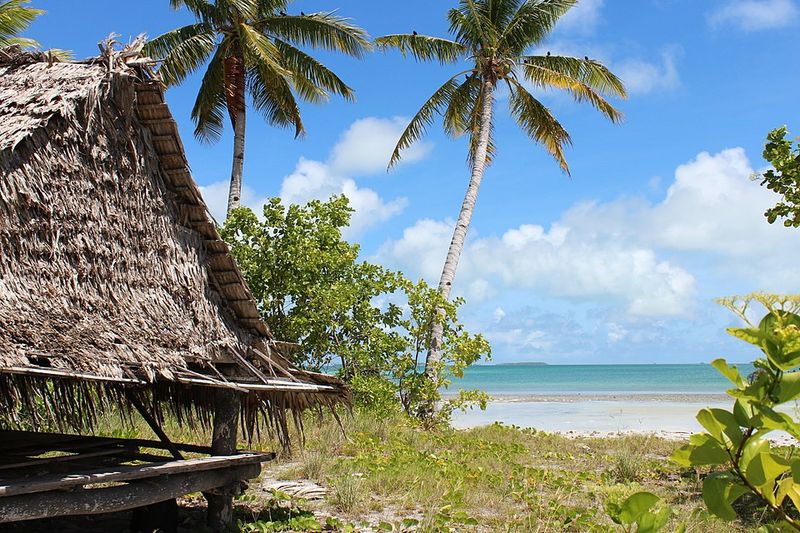
Straddling the equator and the International Date Line, this nation of 33 coral atolls spreads across a mind-boggling expanse of Pacific Ocean.
Climate change threatens to swallow these low-lying islands within decades, making now the only time to visit.
Traditional navigation techniques using stars and wave patterns are still practiced.
Christmas Island hosts the world’s largest coral atoll, where bonefish attract fly-fishing enthusiasts from around the globe.
WWII relics rust peacefully in lagoons, reminding visitors of fierce battles fought here.
The I-Kiribati people maintain customs centered around community and ocean resources.
Getting here requires multiple flights and serious commitment, but the isolation creates magic you won’t find anywhere else.
8. Tuvalu
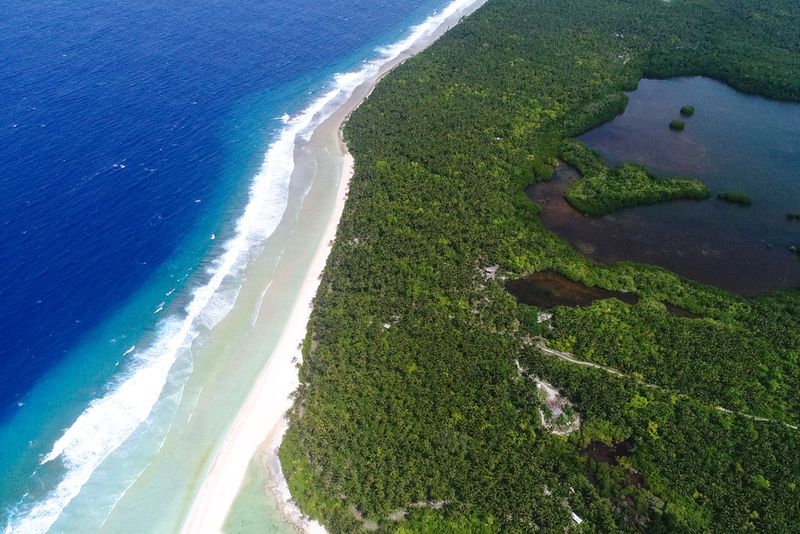
Fewer people visit Tuvalu annually than climb Mount Everest, making it one of Earth’s least-visited countries.
Only nine islands make up this nation, with the highest point barely 15 feet above sea level.
Rising oceans pose an existential threat that residents face with remarkable resilience and dignity.
No ATMs exist here, and only two flights arrive weekly from Fiji.
Locals gather for community activities in traditional maneapas, open-sided meeting houses with elaborate rope decorations.
Fishing and collecting coconuts remain primary activities.
The funafuti conservation area protects stunning marine biodiversity.
Walking the entire length of the main island takes less than an hour, yet the warmth of Tuvaluan hospitality fills every moment.
9. Guyana
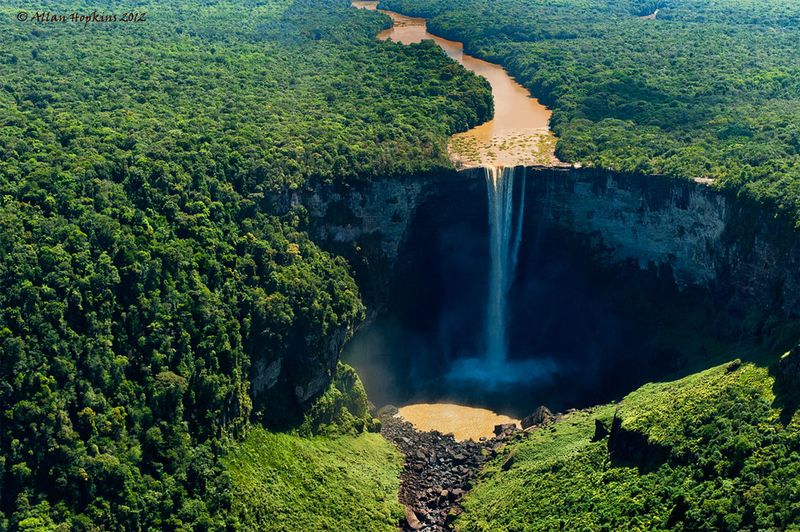
South America’s only English-speaking country hides massive waterfalls, jaguars, and indigenous communities deep in untouched rainforest.
Kaieteur Falls plunges 741 feet in a single drop, five times higher than Niagara, yet remains relatively unknown.
The surrounding jungle teems with wildlife that researchers are still cataloging.
Georgetown’s wooden colonial architecture reflects British, Dutch, and Caribbean influences mixed together.
Rupununi savannas offer completely different landscapes where giant anteaters and capybaras roam.
Indigenous Amerindian villages welcome visitors interested in learning traditional ways.
Adventure here means real adventure, not the sanitized version sold at resorts.
Expect muddy boots, river travel, and experiences that feel genuinely wild and untamed.
10. Suriname
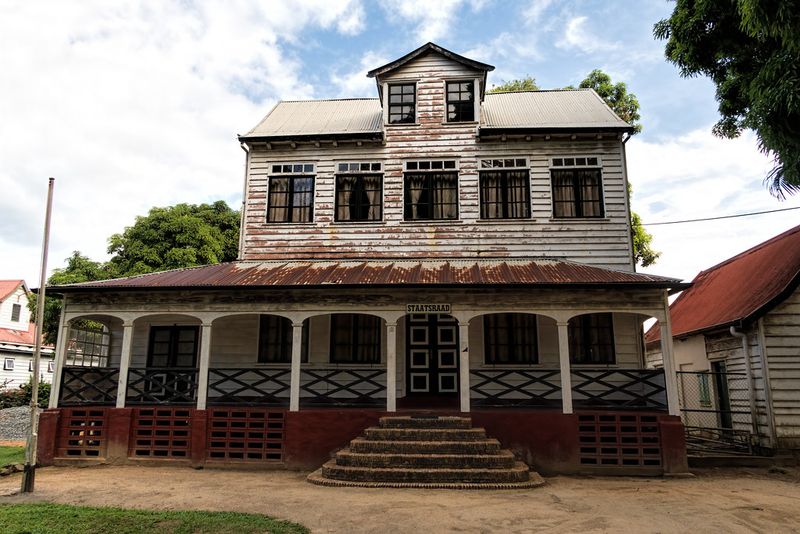
Dutch colonial buildings painted in cheerful pastels line the streets of Paramaribo, a UNESCO World Heritage site that feels completely different from anywhere else.
Suriname’s population includes descendants of African slaves, Indian and Javanese contract workers, indigenous peoples, and Dutch colonizers.
This creates a cultural mix unlike any neighboring country.
Rainforest covers 93 percent of the land, harboring incredible biodiversity and Maroon communities descended from escaped slaves.
Their unique cultures blend African traditions with jungle survival knowledge.
Giant river otters play in pristine waterways while harpy eagles nest in towering trees.
Surinamese cuisine combines Indonesian nasi goreng, Indian roti, and Creole pom into delicious fusion nobody expects.
11. Tajikistan
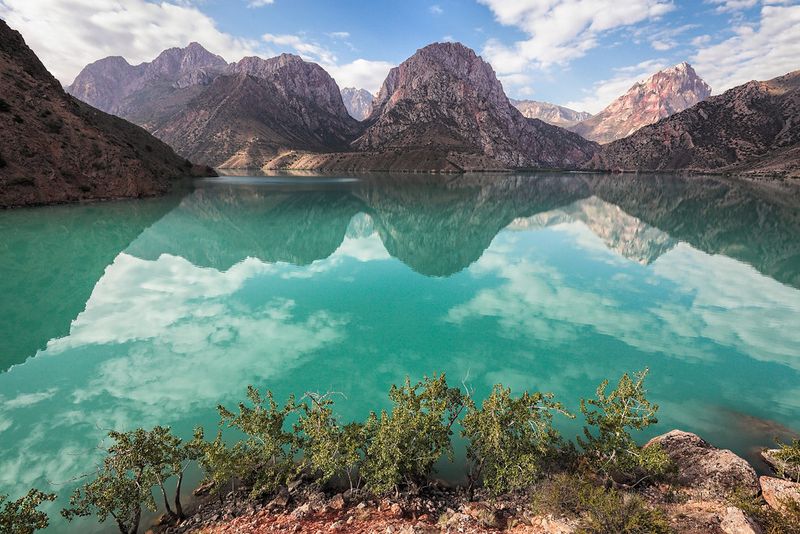
Ninety-three percent of this Central Asian nation consists of mountains, including the legendary Pamir and Tian Shan ranges.
The Pamir Highway ranks among the world’s most spectacular road trips, crossing passes above 15,000 feet with views that leave travelers speechless.
Yurts dot high valleys where Kyrgyz herders tend livestock in summer pastures.
Dushanbe’s parks and monuments reflect Soviet influence, while ancient Silk Road cities like Penjikent reveal pre-Islamic Persian heritage.
Hospitality here follows old traditions where refusing tea offends your hosts.
Lakes like Iskanderkul shimmer impossibly blue against rocky backdrops.
Political tensions and visa complications keep visitor numbers low, but those who make it discover warmth and landscapes that rival anywhere on Earth.
12. Madagascar
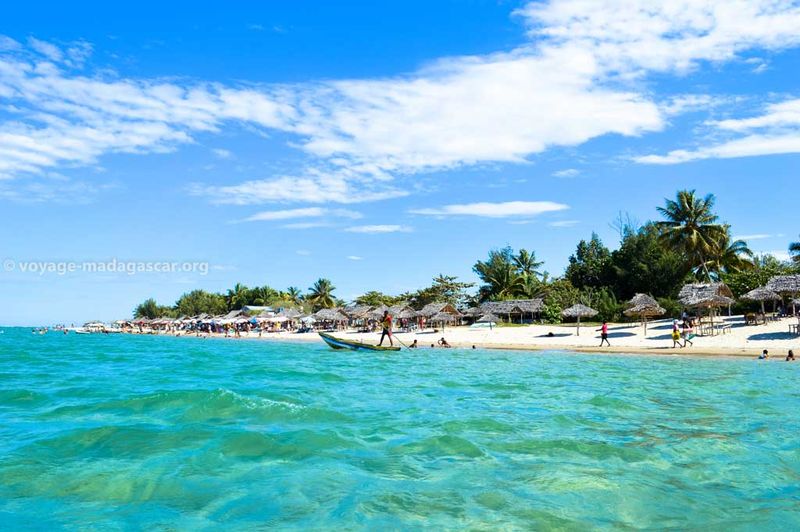
When Madagascar split from Africa 165 million years ago, evolution took a completely different path here.
Ninety percent of wildlife exists nowhere else, from tiny mouse lemurs to fossas that look like miniature pumas.
Baobab trees with massive trunks create surreal landscapes that photographers dream about capturing.
Tsingy de Bemaraha features razor-sharp limestone formations creating a stone forest you navigate carefully.
Rainforests transition to spiny forests to tropical beaches, each ecosystem harboring unique species.
Malagasy culture blends African, Asian, and Polynesian influences into traditions found nowhere else.
Infrastructure challenges mean travel takes patience and flexibility.
Rewards include wildlife encounters and cultural experiences that justify every bumpy ride and cancelled flight you’ll inevitably encounter.
13. Eritrea
Stepping into Asmara feels like time-traveling to 1930s Italy, with art deco buildings perfectly preserved from the colonial era.
Eritrea’s isolation from the modern world has frozen the capital in architectural amber.
Vintage Fiat taxis putter down wide boulevards past espresso bars serving excellent macchiatos.
Getting a visa requires patience and persistence, with tourism tightly controlled by the government.
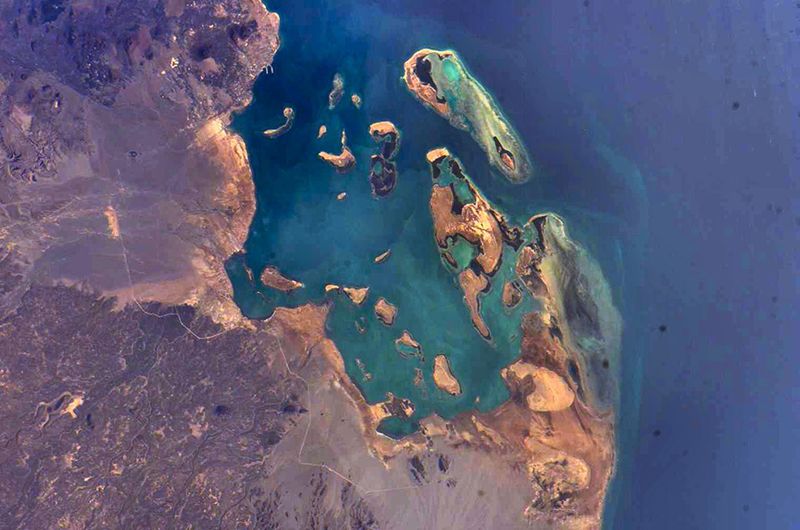
The Red Sea coast offers world-class diving on pristine reefs that commercial tourism hasn’t discovered.
Highland towns feature ancient monasteries carved into cliffsides.
Political restrictions and limited information make this one of Africa’s most challenging destinations.
Those who navigate the complexities discover a fascinating country that globalization hasn’t touched yet.