 MomSkoop
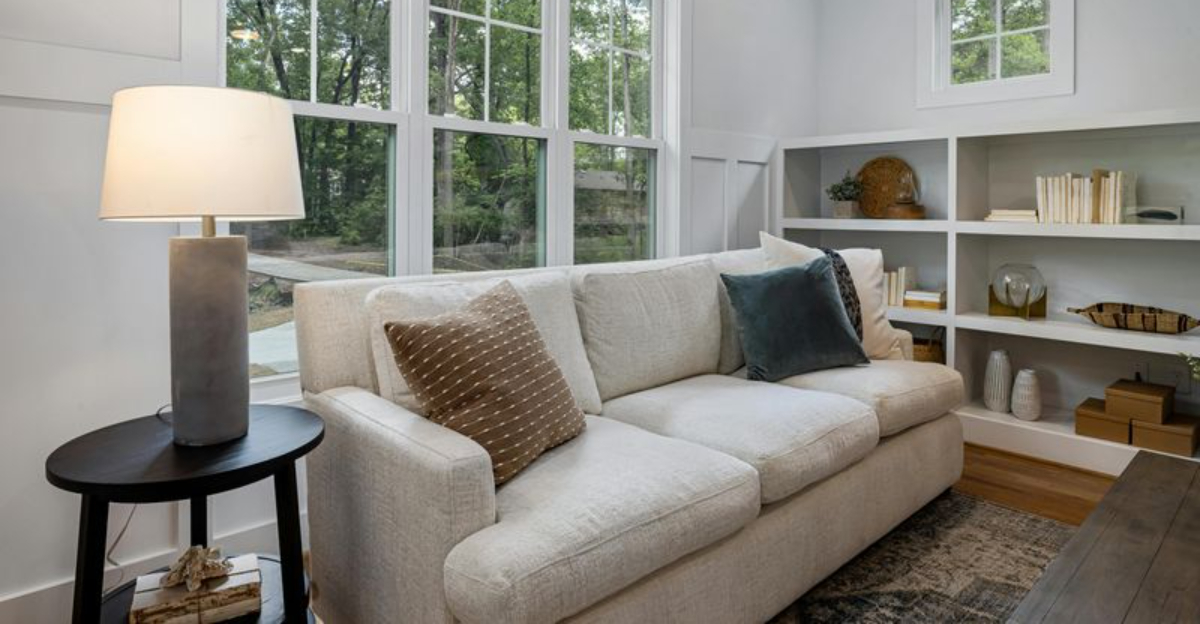
Walk into any room with an interior designer and watch them scan every corner like a detective solving a puzzle. Their trained eyes pick up on details most people miss completely.
From the height of your chandelier to the smell greeting guests at your door, these professionals notice everything that makes or breaks a space.
1. Proper Hanging Heights
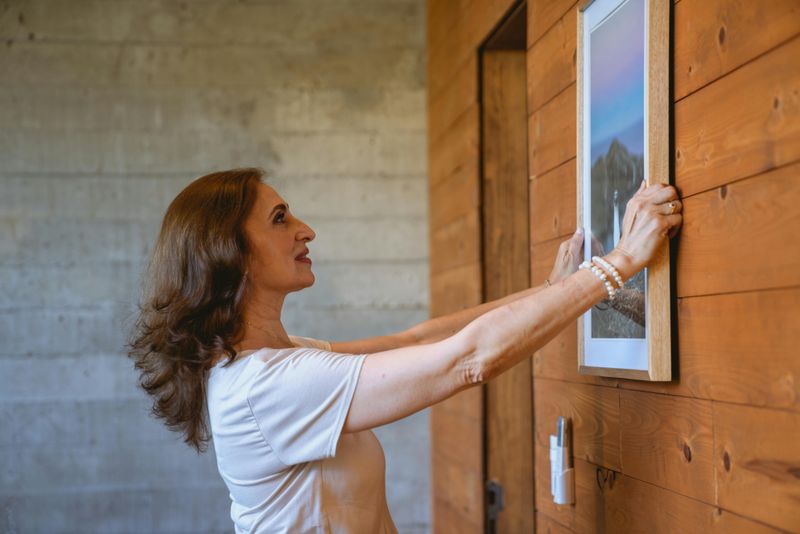
Most homeowners eyeball where to hang their art, mirrors, and light fixtures.
Designers know exact measurements matter more than you’d think.
Art should sit at eye level, roughly 57 to 60 inches from the floor to its center.
Chandeliers need about 30 to 36 inches of clearance above dining tables.
Pendant lights over kitchen islands work best when hung 30 to 40 inches from the counter.
Sconces flanking a mirror should align with eye level too.
Getting these heights wrong throws off the entire room’s balance.
Professionals spot these errors instantly because they’ve studied proper proportions for years.
2. Signature Home Fragrance

Smell creates the first impression before anyone sees your décor.
Designers immediately notice whether a home has a welcoming scent or unpleasant odors.
They often recommend reed diffusers, scented candles, or fresh flowers in entryways.
The right fragrance makes guests feel comfortable and sets the mood for every room.
Stale air, pet smells, or overpowering air fresheners signal neglect to trained noses.
Natural scents like lavender, eucalyptus, or citrus work better than artificial ones.
Professionals understand that scent memory is powerful.
A signature fragrance makes your home memorable for all the right reasons.
3. Statement Light Fixtures
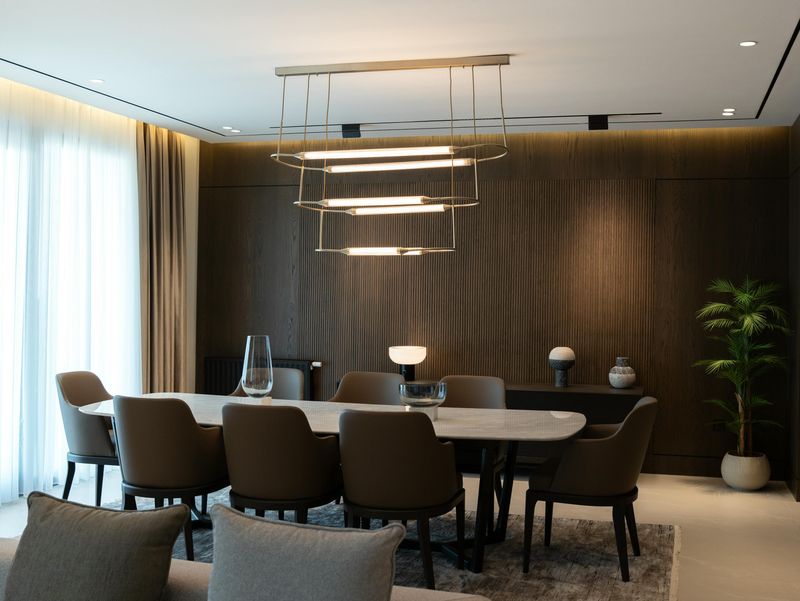
Outdated or builder-grade lighting screams missed opportunity to designers.
They view light fixtures as jewelry for your rooms.
A stunning chandelier, unique pendant, or artistic sconce transforms ordinary spaces into memorable ones.
Cheap fixtures with brass finishes from decades past date your entire home.
Designers gravitate toward statement pieces that match your style while providing proper illumination.
Lighting affects mood, functionality, and how colors appear on walls.
Mixing ambient, task, and accent lighting creates depth and interest.
When professionals enter a room, their eyes go straight to the ceiling to judge your lighting choices.
4. Intentional Color Selections
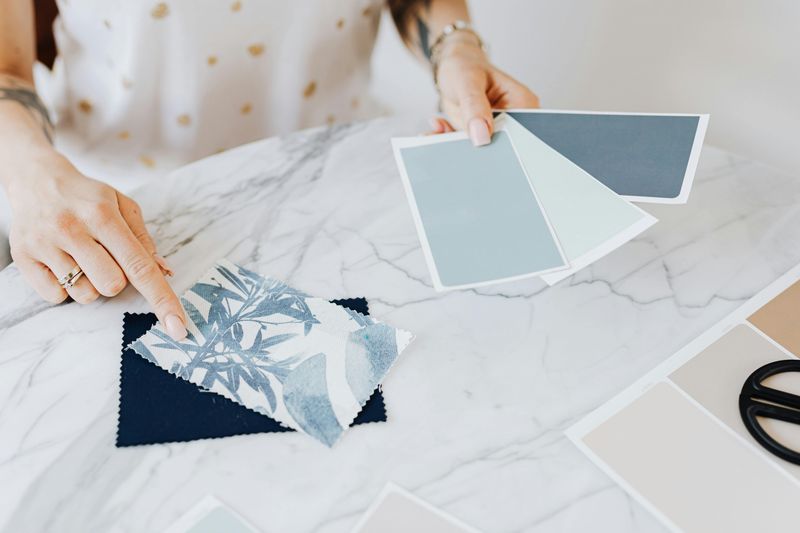
Random paint colors with no connection to each other bother designers deeply.
They notice when homeowners choose colors without considering undertones, lighting, or flow between rooms.
Warm beiges clash with cool grays.
Purple bedrooms transition awkwardly into yellow hallways.
Professionals select colors that complement each other throughout your home.
They understand how natural light changes color appearance during different times of day.
Accent walls should enhance the space, not fight against it.
Color psychology matters too—blues calm, yellows energize, and greens refresh.
Designers spot mismatched or haphazard color schemes from the doorway.
5. Clear Focal Points
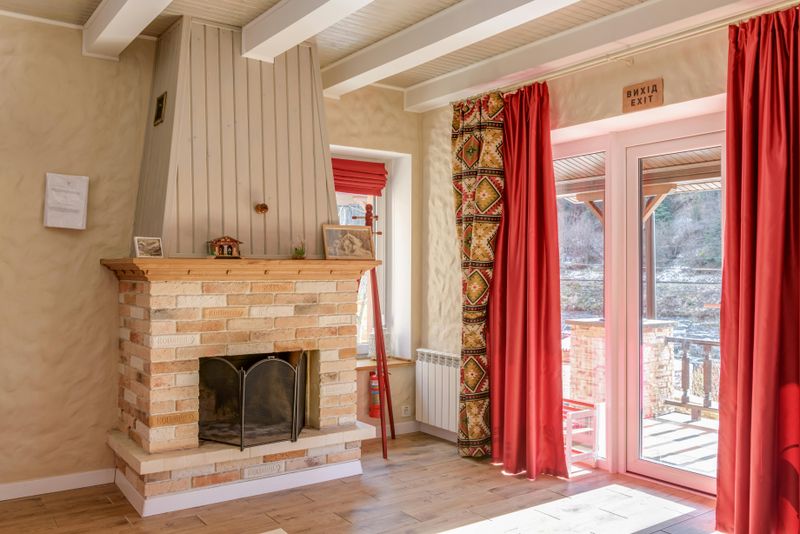
Every room needs something that draws your attention immediately.
Designers scan for that anchor—a fireplace, picture window, accent wall, or piece of art.
Rooms without focal points feel confusing and scattered.
Too many competing elements make spaces feel chaotic.
Professionals arrange furniture and décor to highlight the best feature.
Your eye should know exactly where to look when entering.
Builders often create architectural focal points like coffered ceilings or built-in shelving.
If nature didn’t provide one, designers create it through color, texture, or statement furniture.
Missing this element is the fastest way to create a forgettable room.
6. Furniture Scale and Arrangement
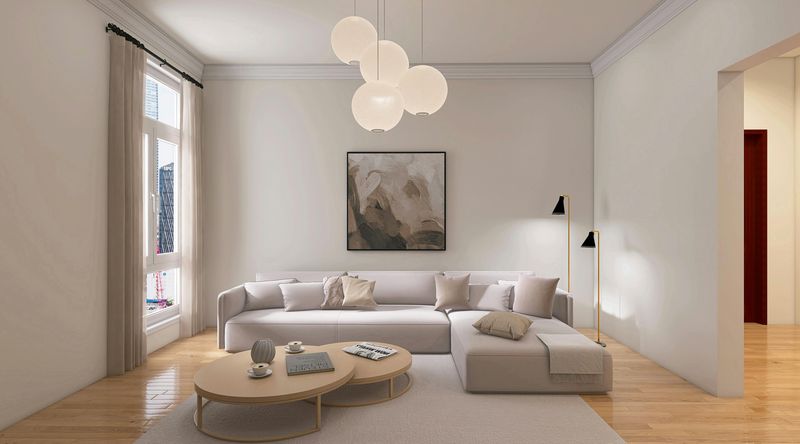
Oversized sofas crammed into tiny rooms make designers cringe.
They immediately assess whether furniture fits the space properly.
A massive sectional in a small apartment wastes valuable square footage.
Tiny chairs in a grand room look lost and awkward.
Furniture should float away from walls in most cases, creating conversation areas.
Traffic flow matters—people need clear paths to walk through.
Professionals measure everything before buying to ensure proper scale.
Coffee tables should sit about 18 inches from sofas.
Rugs need to extend beyond furniture edges.
These mathematical relationships create harmony that untrained eyes miss but everyone subconsciously feels.
7. Layered Textiles
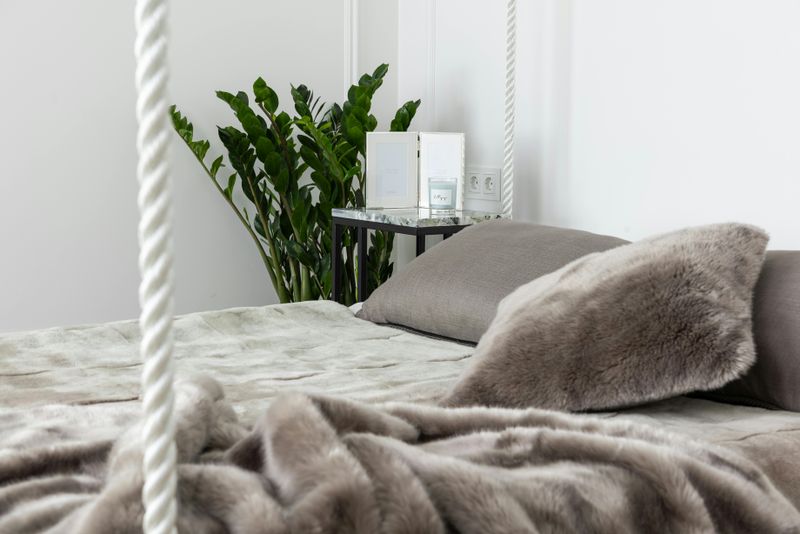
Flat, one-dimensional rooms lack the textiles that create warmth and depth.
Designers notice when homes need more throw pillows, blankets, curtains, or area rugs.
Different fabrics add visual interest—linen, velvet, cotton, and wool each bring unique qualities.
Texture makes spaces feel finished and inviting rather than sterile.
Mixing smooth and rough, shiny and matte, creates sophisticated contrast.
Heavy curtains soften hard windows and improve acoustics.
Layering a throw blanket over your sofa adds casual elegance.
Professionals understand that textiles also serve practical purposes like sound absorption and temperature control while making rooms feel complete.
8. Collected Treasures
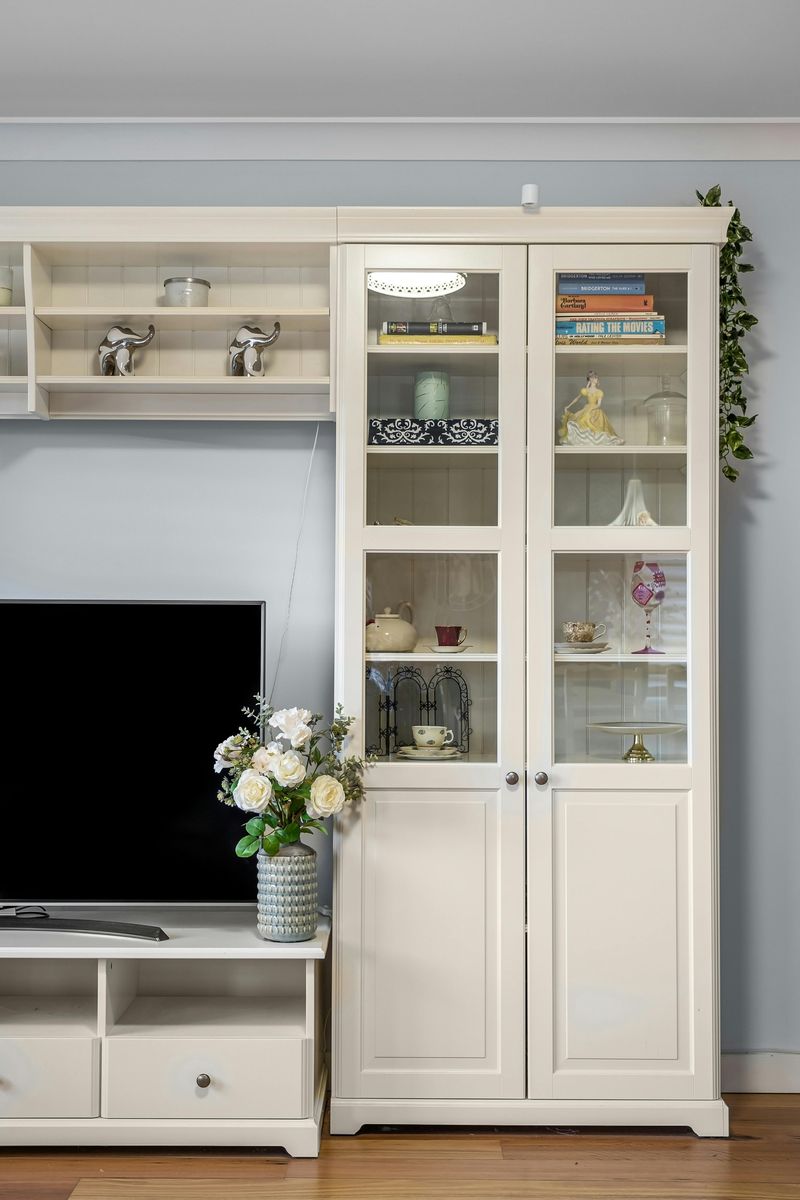
Mass-produced décor from big box stores tells designers nothing about who lives there.
They appreciate homes filled with meaningful objects collected over time.
Vintage finds from flea markets, travel souvenirs, inherited heirlooms, and handmade pieces reveal personality.
These items spark conversations and create authentic spaces.
Designers display collections thoughtfully rather than cluttering every surface.
Grouping similar items in odd numbers looks more natural than even arrangements.
Empty spaces matter as much as filled ones.
Professionals edit ruthlessly, keeping only pieces that add beauty or meaning.
Your home should tell your unique story through carefully chosen treasures.
9. Quality Materials
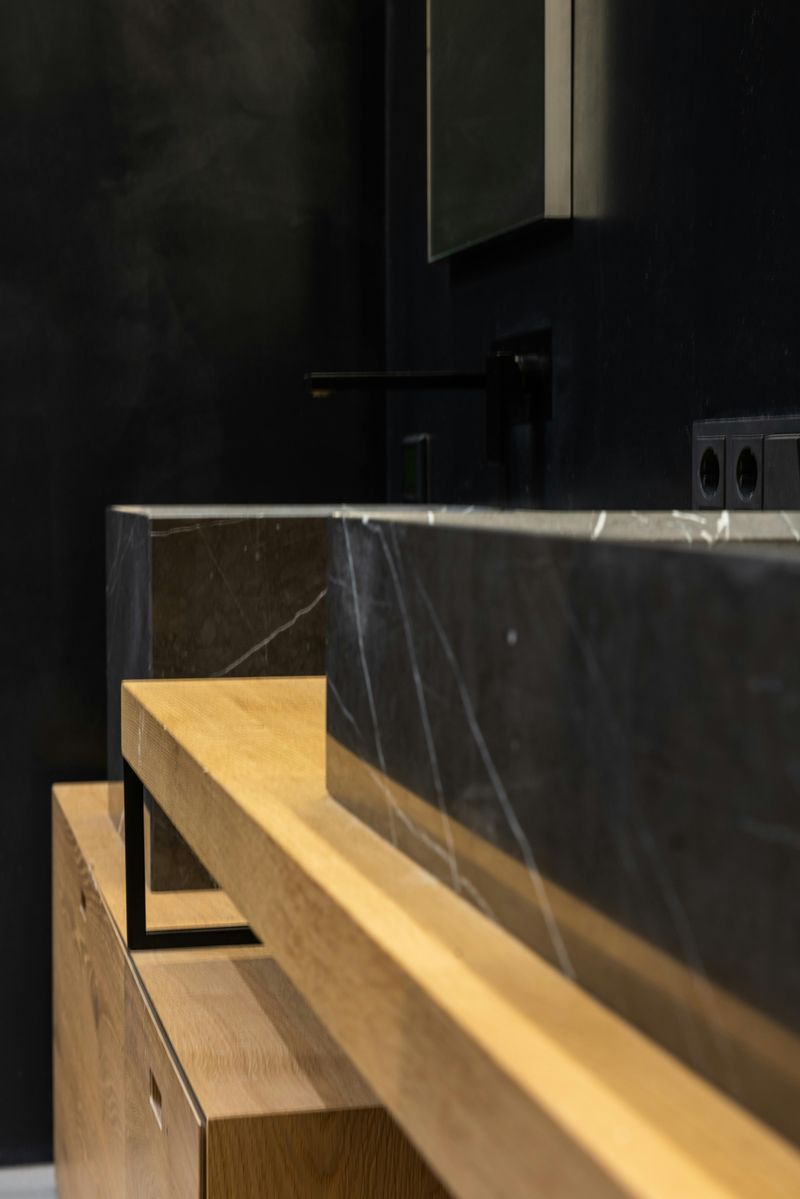
Cheap laminate trying to look like marble fools nobody with design training.
Professionals immediately identify real materials versus imitations.
Solid wood furniture outlasts particle board by decades.
Natural stone, genuine leather, and metal hardware signal quality and longevity.
Vinyl floors pretending to be hardwood lack authenticity.
Designers invest in fewer, better pieces rather than filling spaces with disposable items.
Materials affect how rooms age over time.
Quality choices develop beautiful patinas while cheap alternatives just look worn out.
Touching surfaces reveals truth—real materials feel substantial.
This attention to authenticity creates homes with lasting value and character.
10. Overall Atmosphere
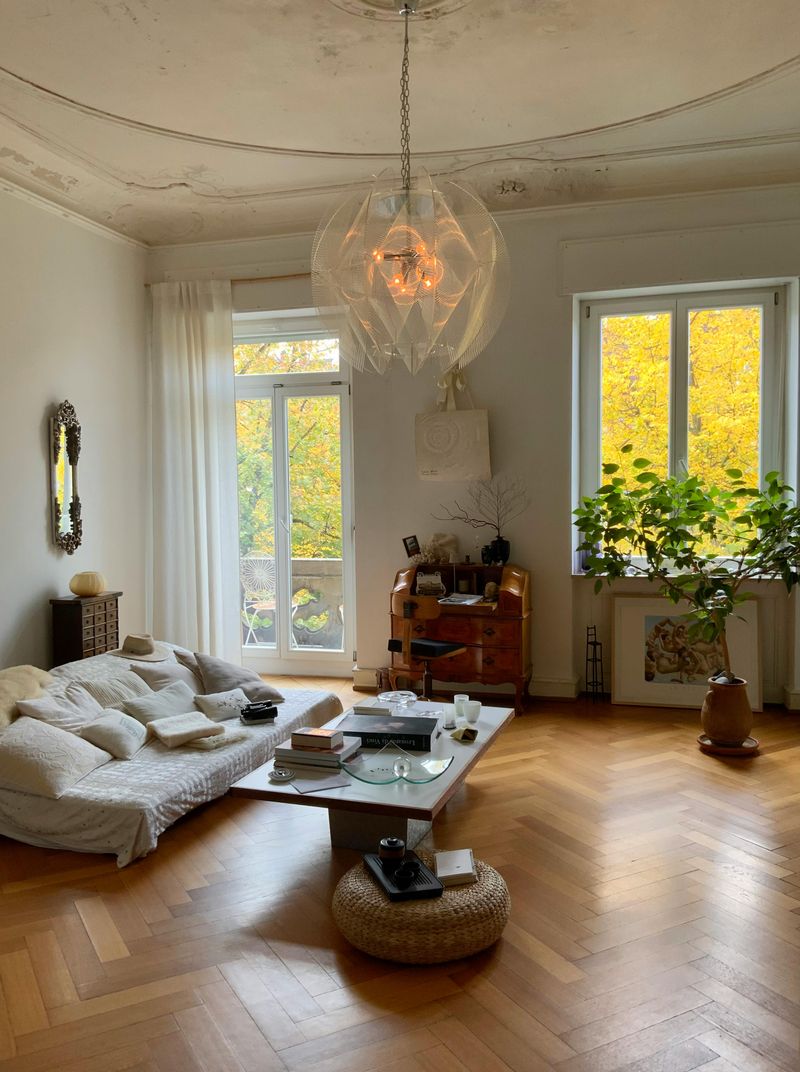
Does your home feel welcoming, energizing, peaceful, or chaotic?
Designers assess the complete sensory experience within seconds.
Every choice—from lighting warmth to furniture comfort—contributes to atmosphere.
Harsh overhead lights create tension while layered lamps provide coziness.
Clutter generates stress even when individual items look nice.
Color temperature affects emotions more than most realize.
Professionals orchestrate all elements to support your desired mood.
A bedroom should feel restful, a kitchen energizing, a living room inviting.
When something feels off but you can’t identify why, designers pinpoint exactly what disrupts the harmony.