 MomSkoop
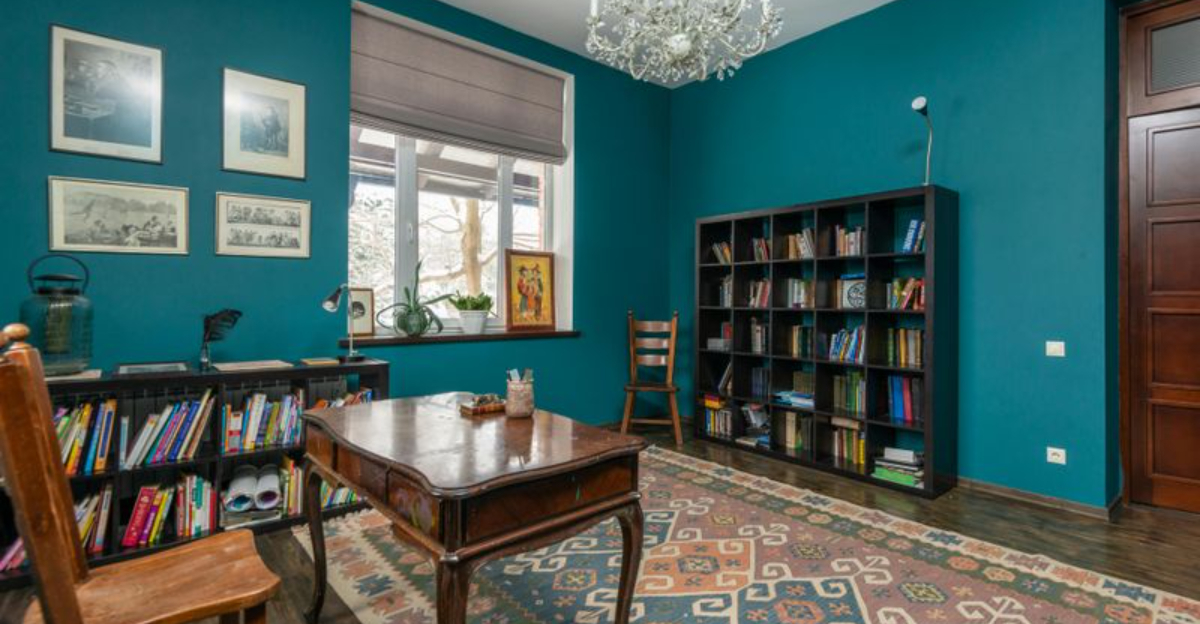
Your home should feel like a calm and welcoming space, but sometimes small mistakes can make it look cluttered and chaotic. Interior designers notice these common problems in many houses, and the good news is they are easy to fix. Understanding what makes a room feel messy helps you create a cleaner, more organized living space that you will love spending time in.
1. Over-Styling Your Shelves
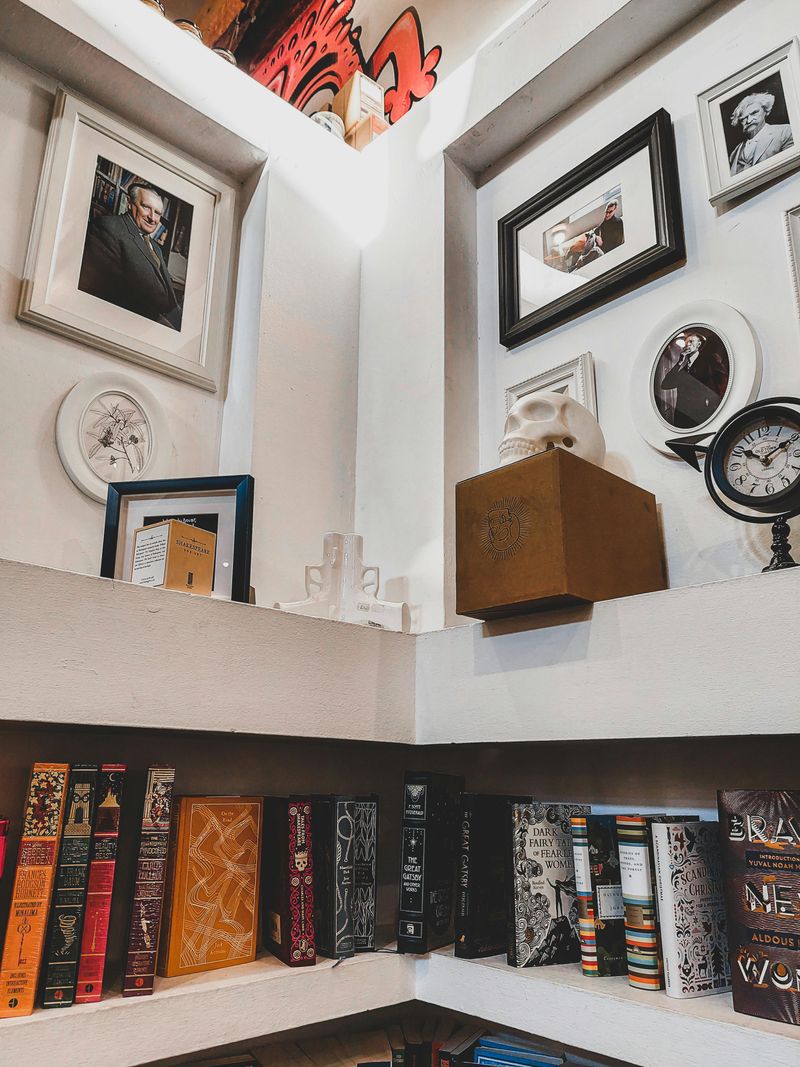
Shelves crammed with too many decorations create visual chaos instead of adding charm to your space.
When every inch gets filled with trinkets, books, and random objects, the eye has nowhere to rest.
Designers recommend following the rule of thirds, leaving some empty space between items.
Group similar objects together and rotate your decorations seasonally to keep things fresh.
Remove half of what you currently display, and you will notice an immediate improvement.
Your favorite pieces will stand out more when they are not competing for attention.
Clean lines and breathing room make shelves look intentional rather than accidental.
2. Too Many Pillows
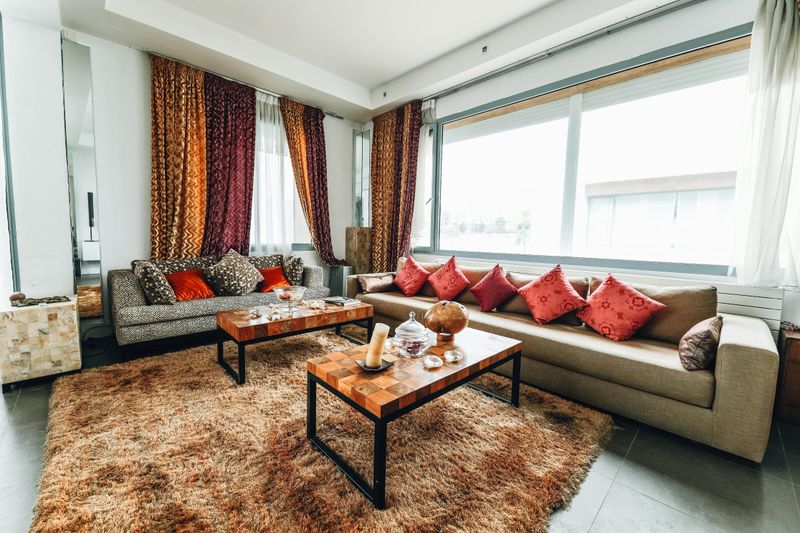
Mountains of throw pillows might seem cozy, but they often make seating areas feel suffocating and unusable.
Nobody wants to spend five minutes removing cushions before sitting down to relax.
Stick to three or five pillows on a couch, using odd numbers for better visual balance.
On beds, limit yourself to sleeping pillows plus two decorative ones at most.
Choose pillows in complementary colors rather than clashing patterns that fight for attention.
Quality matters more than quantity when creating an inviting space.
Your furniture should invite people to sit, not present an obstacle course of cushions to navigate first.
3. Too Many Prints and Patterns
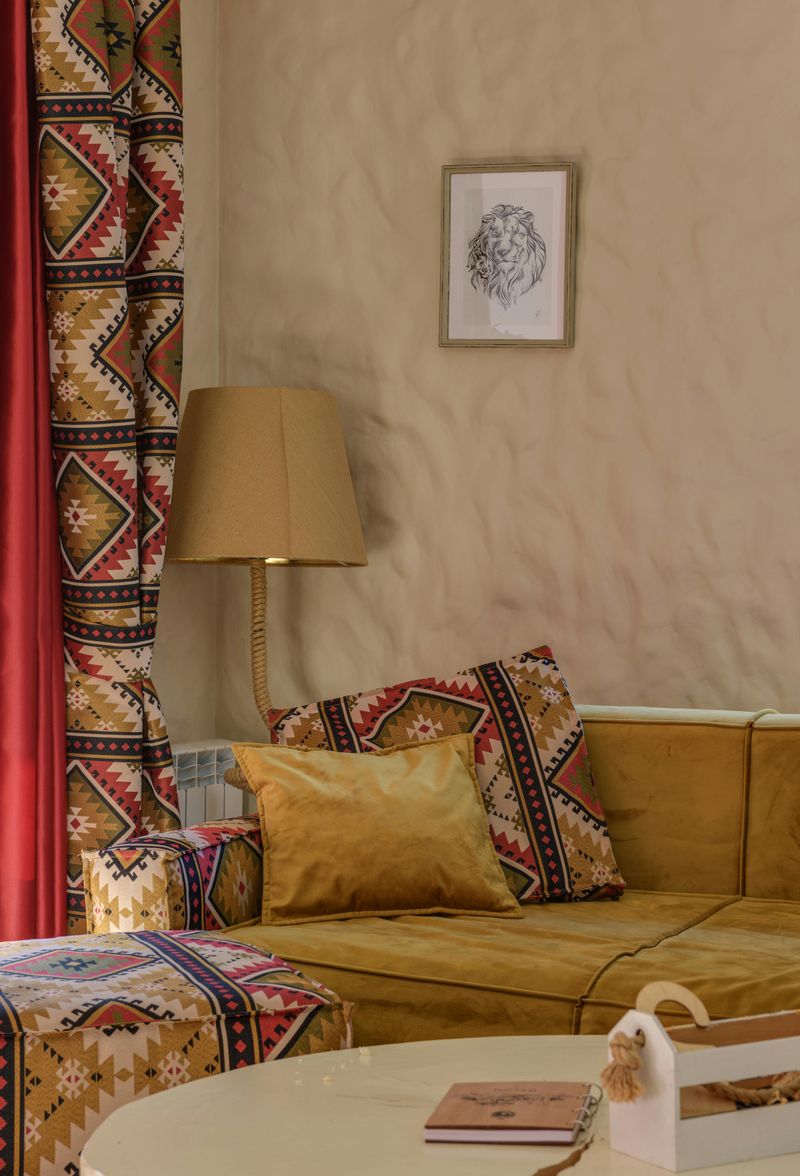
Mixing florals, stripes, geometrics, and animal prints in one room creates a dizzying effect that exhausts the eyes.
While pattern mixing can work beautifully, too much variety makes spaces feel disorganized and busy.
Interior designers suggest choosing one dominant pattern, then adding one or two subtle complementary designs.
Solid colors should anchor your space, giving patterns room to shine without overwhelming.
If your curtains are bold, keep your furniture more subdued.
When everything screams for attention, nothing gets properly appreciated.
A calmer approach with strategic pattern placement creates sophistication instead of sensory overload that makes rooms feel smaller and more chaotic than they actually are.
4. Leaving Wires and Cords on Display
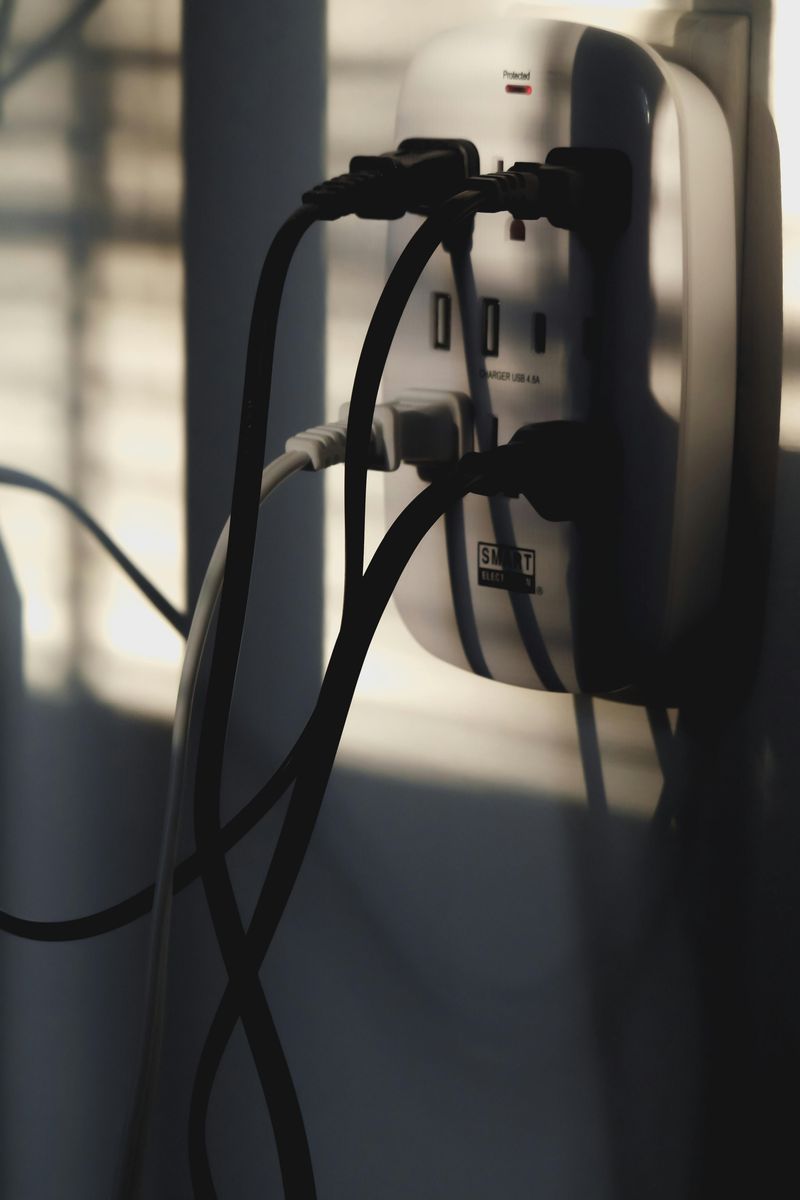
Tangled cables snaking across floors and dangling behind furniture instantly cheapen the look of any room.
These unsightly wires draw attention away from your carefully chosen decor.
Simple solutions like cable management boxes, cord clips, and zip ties can hide most visible wiring.
Route cables behind furniture or along baseboards where they become invisible.
For desk areas, use cable sleeves that bundle everything together neatly.
Wireless options for lamps and chargers reduce cord clutter significantly.
Taking thirty minutes to organize your cables creates a cleaner, more polished appearance.
Your beautiful room deserves better than a spiderweb of black cords stealing the spotlight.
5. Busy Entryways
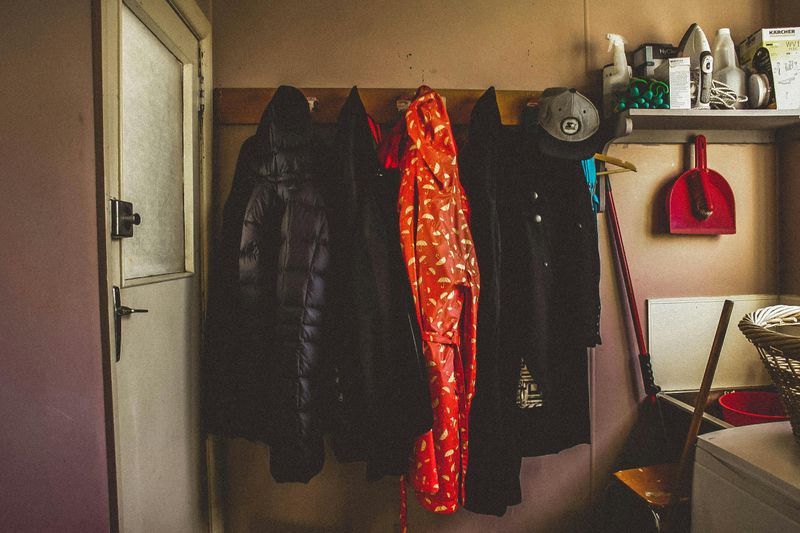
First impressions matter, and a chaotic entryway immediately signals disorder throughout your home.
Shoes piled by the door, coats thrown over chairs, and mail scattered everywhere create instant stress.
Establish specific homes for everything that enters through your door.
Install hooks at different heights for coats and bags, keeping them off furniture.
A shoe rack or closet keeps footwear contained and organized.
Add a small basket or tray for keys, mail, and sunglasses so they do not migrate to other surfaces.
Spending two minutes tidying your entryway daily prevents overwhelming messes.
This small space sets the tone for your entire home.
6. Crowded Countertops
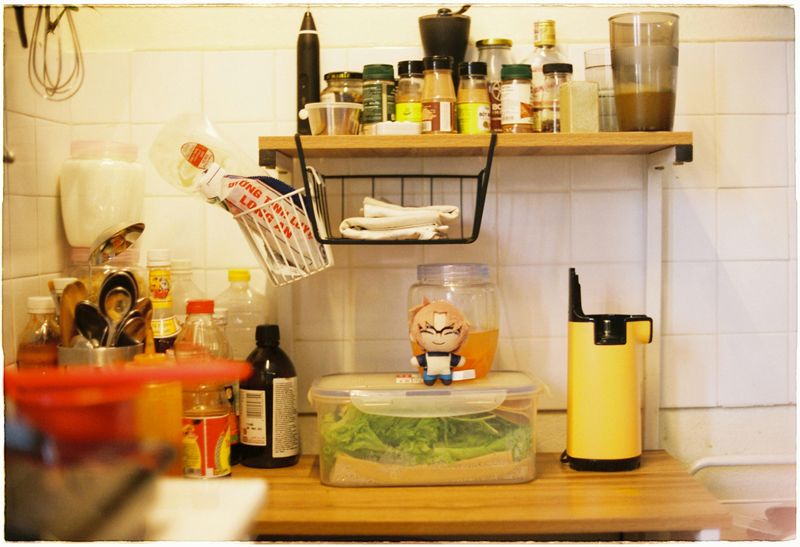
Counters buried under appliances, mail, toiletries, and random objects make kitchens and bathrooms feel cramped and dirty.
Even sparkling clean surfaces look messy when covered with stuff.
Store appliances you use less than weekly in cabinets or pantries.
Bathroom counters should hold only daily essentials, with everything else tucked away.
Kitchen counters need clear zones for food preparation, which becomes impossible when cluttered.
A good rule suggests keeping counters eighty percent clear at all times.
This creates visual calm and makes cleaning much easier.
Open space on counters signals organization and makes your home feel larger and more functional instantly.
7. Too Much Wall Art

Gallery walls gone wild make rooms feel cluttered rather than curated and thoughtfully designed.
When every wall surface gets covered with frames, mirrors, and artwork, spaces lose their breathing room.
Designers recommend treating walls like you would shelves, leaving strategic empty space.
One large statement piece often works better than twenty small ones fighting for attention.
If you love collections, group similar items together rather than spreading them throughout.
Consider the scale of your room when choosing art sizes and quantities.
Less really is more when it comes to wall decor.
Give your favorite pieces room to shine by removing the competition surrounding them.
8. Not Having a Home for Your Belongings
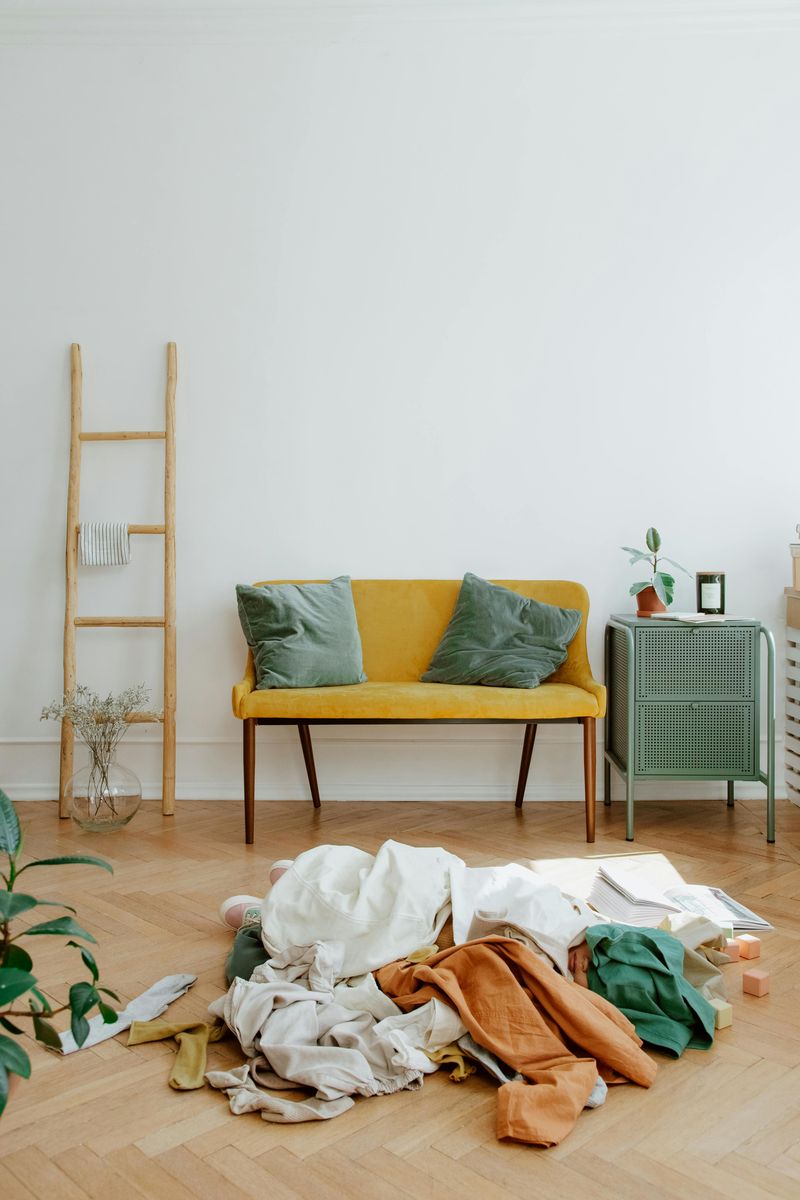
When objects lack designated storage spots, they migrate randomly throughout your house creating constant clutter.
Remote controls end up on kitchen counters, mail spreads across tables, and toys invade every room.
Creating specific homes for categories of items prevents this chaos.
Designate one drawer for remotes, one basket for mail, one bin for toys.
Everyone in your household should know where things belong and can return them easily.
This simple organizational system makes tidying quick instead of overwhelming.
You will stop wasting time searching for misplaced items.
Homes for belongings create order that maintains itself with minimal daily effort required.
9. Not Making the Bed Properly
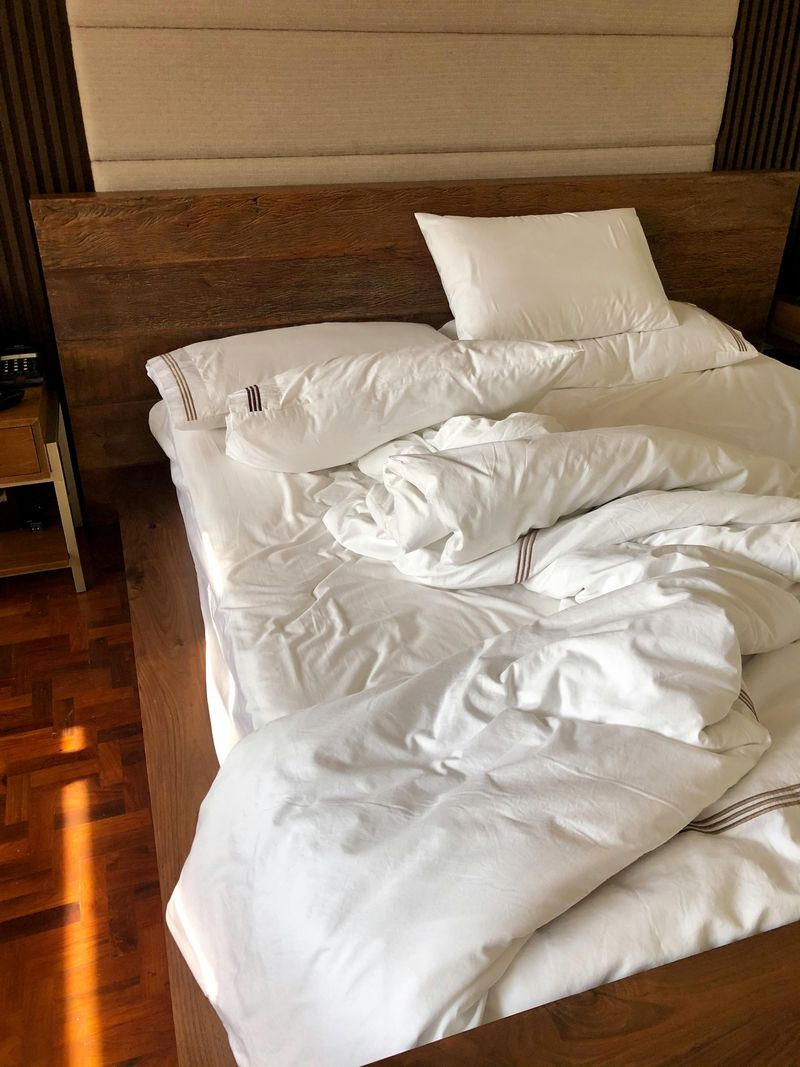
An unmade bed dominates bedroom visual space, making the entire room look disheveled even when everything else is tidy.
This simple five-minute task transforms your bedroom from chaotic to calm instantly.
Pull sheets tight and smooth out wrinkles for a crisp appearance.
Arrange pillows neatly rather than tossing them randomly.
Fold or drape your comforter evenly across the bed without bunching.
Making your bed daily creates a foundation of order that motivates you to keep other areas neat.
Walking into a bedroom with a made bed feels peaceful and put-together.
This small habit delivers disproportionate visual rewards for minimal time investment required.
10. Excessive Furniture
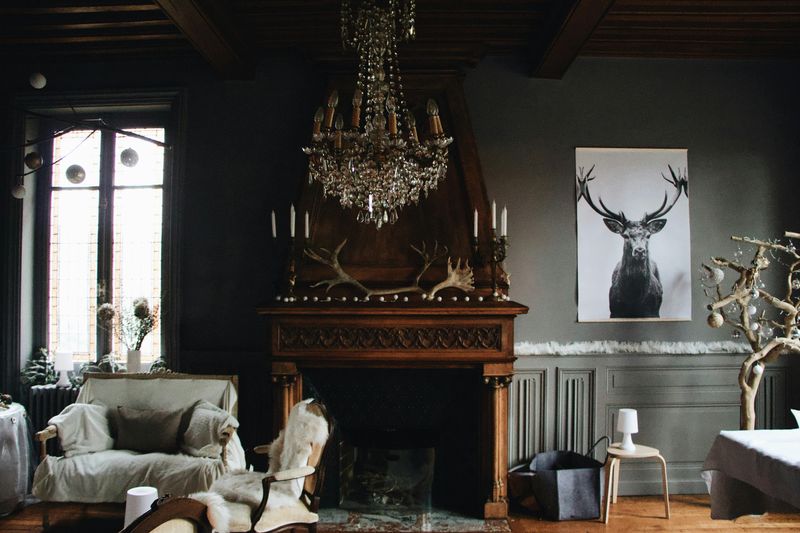
Cramming too many furniture pieces into rooms creates obstacle courses rather than functional living spaces.
That extra chair nobody sits in or the oversized coffee table blocking pathways makes rooms feel smaller and messier.
Evaluate whether each furniture piece serves a real purpose or just takes up space.
Leave enough room to walk comfortably between items without turning sideways.
Fewer, well-chosen pieces create flow and make rooms appear larger.
Consider furniture scale relative to room size when shopping for new items.
Sometimes removing one piece opens up an entire space.
Functional minimalism beats overcrowded chaos every time for creating homes that feel spacious and organized.