 MomSkoop

Not every invitation feels exciting when your energy depends on calm, space, and a little mental preparation. Some social events ask for nonstop talking, instant connection, and cheerful participation long after your battery is already blinking red.
If you have ever wanted to disappear before the name tags, icebreakers, or group photos begin, this list will feel painfully familiar. Here are the gatherings introverts often wish they could politely skip.
1. Large Networking Events
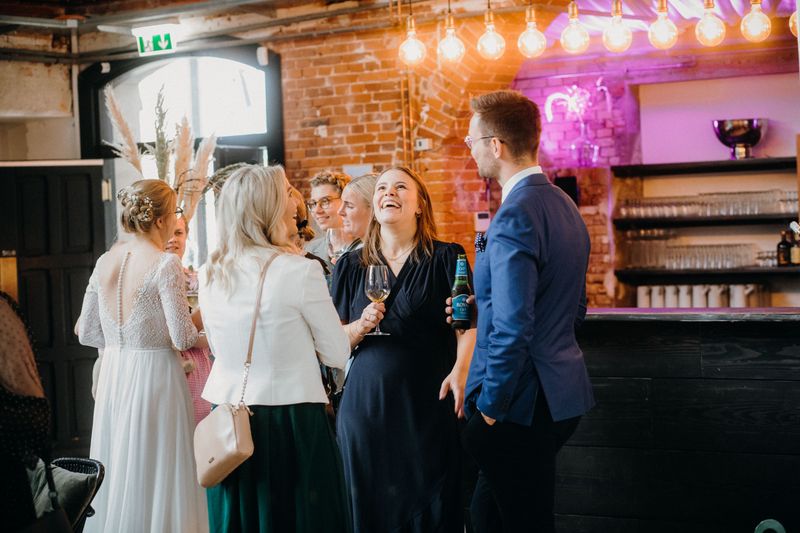
Walking into a networking event can feel like being dropped into a room where everyone already knows the rules except you.
The pressure to smile, circulate, remember names, and sound interesting right away is exhausting before the night even starts.
Instead of making easy connections, you may spend the whole time rehearsing openers in your head.
What drains introverts most is not meeting people itself, but the expectation of constant self-promotion with zero quiet breaks.
Every conversation can feel like a performance, especially when small talk has to turn into opportunity within minutes.
If you have ever stared at your calendar and hoped for a last-minute cancellation, this event probably explains why before you even put on your name tag.
2. Surprise Parties

Surprise parties sound thoughtful on paper, but for an introvert, the missing ingredient is preparation.
There is no time to choose the right mood, conserve energy, or brace for being the center of attention.
You are suddenly expected to react warmly, socialize instantly, and manage everyone else’s excitement at the same time.
What makes it harder is that people usually expect gratitude to look loud and obvious.
If your first instinct is to freeze, smile awkwardly, or search for a quiet corner, that can be misunderstood.
Many introverts would gladly enjoy the sentiment later, after a little warning and a chance to catch up with the moment before talking to twenty people at once that night.
3. Icebreaker Sessions

Icebreaker sessions can be more stressful than the main event because they demand instant vulnerability on command.
Sharing a quirky fact, childhood memory, or personal fear with a room full of strangers rarely feels light or fun when you are put on the spot.
Instead of helping people relax, the exercise can make you more self-conscious with every turn around the circle.
For introverts, comfort usually grows after trust does, not before.
Being expected to perform openness for the sake of group bonding can feel artificial, especially when everyone is pretending not to judge.
You may leave knowing everyone’s favorite snack, yet still wish the facilitator had simply let silence do its job for once.
4. Loud House Parties

Loud house parties can overwhelm you before you even reach the kitchen.
Music blasts, conversations overlap, and every room seems packed with people trying to talk over one another.
Instead of feeling festive, the whole scene can turn into sensory clutter that leaves you searching for the quietest wall.
Introverts often enjoy meaningful conversation, but not when five voices are competing at once and nobody can hear the answer anyway.
You may spend more energy decoding noise, managing your expression, and looking approachable than actually enjoying yourself.
That is why slipping out early, helping in the kitchen, or bonding with the pet can feel like the best part of the night for you, every single time.
5. Team-Building Activities
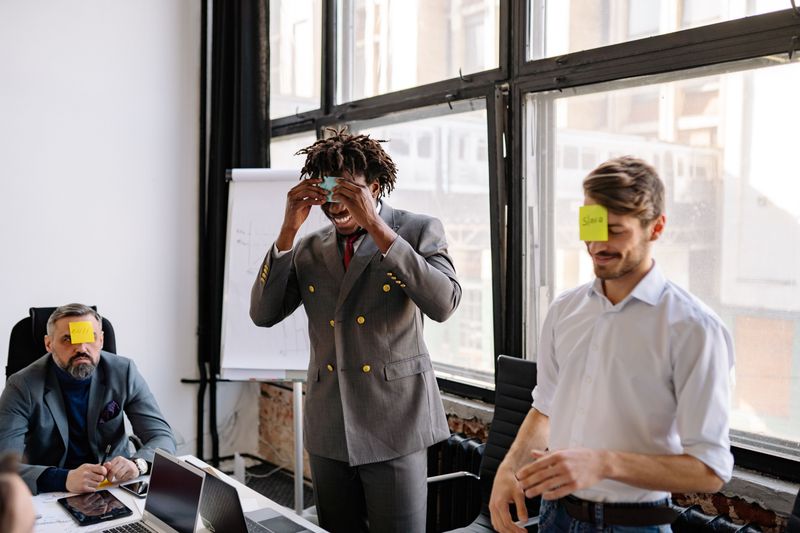
Team-building activities are often sold as fun, but forced interaction has a way of feeling anything but natural.
Whether it is trust falls, scavenger hunts, or improv games, the point usually seems to be proving enthusiasm in public.
For introverts, that pressure can be more draining than the regular workday everyone was trying to improve.
The hardest part is pretending spontaneous collaboration feels energizing when you would rather contribute quietly and thoughtfully.
Being watched for participation, creativity, or team spirit can make every activity feel like a test with snacks.
You might like your coworkers just fine, yet still dread the moment someone says, pair up and share something personal with the whole room listening.
6. Wedding Receptions with Strangers

Wedding receptions can be beautiful, heartfelt, and weirdly exhausting all at once.
After the ceremony, introverts are often seated with strangers and expected to make cheerful table conversation for hours.
Even if everyone is perfectly nice, there is still the mental effort of reading personalities, finding safe topics, and appearing engaged without a real break.
Add loud music, clinking glasses, forced dancing, and endless rounds of small talk, and the social battery drains fast.
You want to celebrate the couple, but that does not automatically make the setting comfortable.
Many introverts count down to the cake, the goodbye, or the peaceful ride home long before the last song, even if the night looks magical in photos.
7. Conferences with No Downtime

Conferences promise growth, ideas, and opportunity, but they can bury introverts under nonstop interaction.
Between keynote sessions, breakout rooms, coffee chats, and evening mixers, there is often no protected space to mentally reset.
Even the parts you enjoy can become tiring when every hour comes with another badge scan, introduction, or group discussion.
What wears you down is not just the schedule, but the feeling that downtime must be justified.
Stepping away to recharge can look antisocial in environments that reward constant visibility and hustle.
By the second day, many introverts are not avoiding people, they are simply trying to recover enough energy to keep listening well through one more ambitious conversation before dinner starts.
8. Group Dinners

Group dinners seem harmless until the table gets loud and every conversation starts crossing over the next one.
For introverts, that setting can feel less like connection and more like trying to tune five radios at once.
You want to follow what people are saying, but the pace keeps shifting before any exchange gets deep.
By the time you choose who to answer, somebody else has launched a new topic, asked a question, or interrupted with a joke.
That constant split attention can make even close friends feel strangely far away across the same table.
Many introverts would rather talk one on one afterward than compete politely for a place in the noise all night.
9. Karaoke Nights

Karaoke nights can be fun to watch, but the possibility of being called up is enough to make many introverts tense all evening.
The room usually runs on playful pressure, and saying no can feel more awkward than participating badly.
Once the microphone appears, your quiet little seat suddenly feels a lot less safe.
What makes karaoke especially draining is the spotlight itself, not just the singing.
Even if nobody cares whether you are good, being watched, cheered, filmed, or teased can send your nervous system into overdrive.
You may spend the whole night hoping your name stays off the list so you can enjoy the music without becoming part of the show for one evening.
10. After-Work Happy Hours

Happy hours after work sound casual, but they often arrive when an introvert has nothing left to give.
After a full day of meetings, messages, and office chatter, the idea of more socializing can feel physically heavy.
You are expected to switch from professional focus to relaxed banter without any real chance to decompress first.
That is why the invitation can feel less like fun and more like an extension of the workday in different lighting.
Even when coworkers are kind, keeping a conversation going after your battery is empty takes effort you cannot fake forever.
Sometimes the best possible evening is going home, changing clothes, and hearing absolutely nothing for an hour before speaking again.