 MomSkoop

Every woman has made at least one purchase she later wished she could take back. Whether it was a trendy bag that fell apart or a fancy gadget still sitting in its box, these buying mistakes add up fast.
Smart spending is not about being cheap — it is about making choices your future self will thank you for. Here are 13 purchases worth skipping before you swipe that card again.
1. Fast-Fashion Clothing That Wears Out Quickly

You know that feeling when you buy a cute top for $12 and it falls apart after three washes?
That is fast fashion in a nutshell.
These clothes are made cheaply and designed to be thrown away just as fast as they go out of style.
Over a decade, the money spent on replacing these low-quality pieces adds up to hundreds — sometimes thousands — of dollars.
Buying fewer, better-made pieces saves money and closet space.
A well-stitched blouse from a quality brand will outlast ten fast-fashion versions easily.
Think of clothing as an investment.
Spending a little more upfront on durable, classic styles means you spend far less replacing them every season.
2. Trendy Handbags Bought Only for the Hype
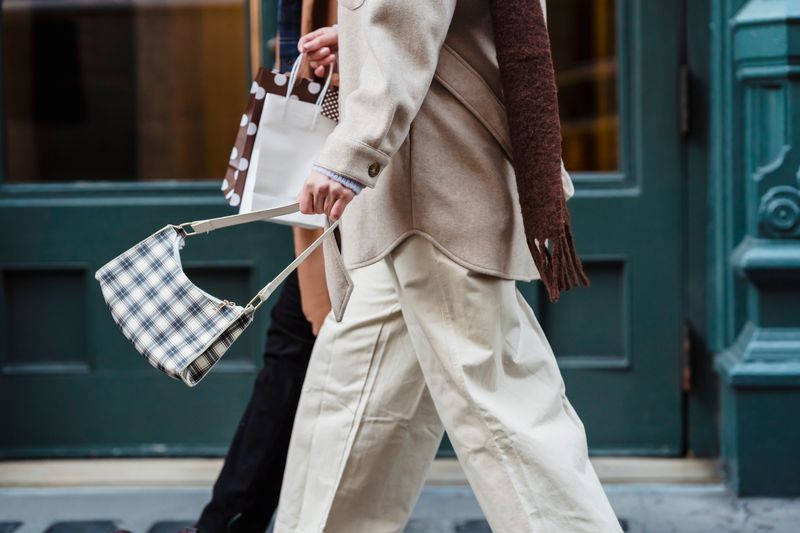
Remember when everyone had to have that one “it” bag?
A year later, it was everywhere — and two years after that, nobody wanted it anymore.
Buying a handbag just because it is trending is one of the quickest ways to waste serious money.
Hype-driven bags often lose their cool factor fast, and resale value drops just as quickly.
A classic structured tote or a well-made leather bag in a neutral color, on the other hand, never really goes out of style.
Before reaching for a bag because your favorite influencer has one, ask yourself: will you still love it in five years?
If the answer is uncertain, put it back on the shelf.
3. Expensive Beauty Gadgets That Collect Dust

Skincare technology sounds exciting — LED face masks, microcurrent wands, ultrasonic cleansers.
The advertisements make them look like magic.
But most of these gadgets get used twice and then shoved into a drawer, never to be seen again.
Studies show that most people abandon specialty beauty tools within the first month of purchase.
The novelty wears off fast, especially when results are slower than promised.
Meanwhile, a solid skincare routine with quality cleanser, moisturizer, and SPF often does more for your skin long-term.
Save the big bucks and stick to proven basics.
If a gadget genuinely interests you, borrow one from a friend or try it at a salon before committing to the full price tag.
4. Designer Shoes That Look Great but Hurt Terribly
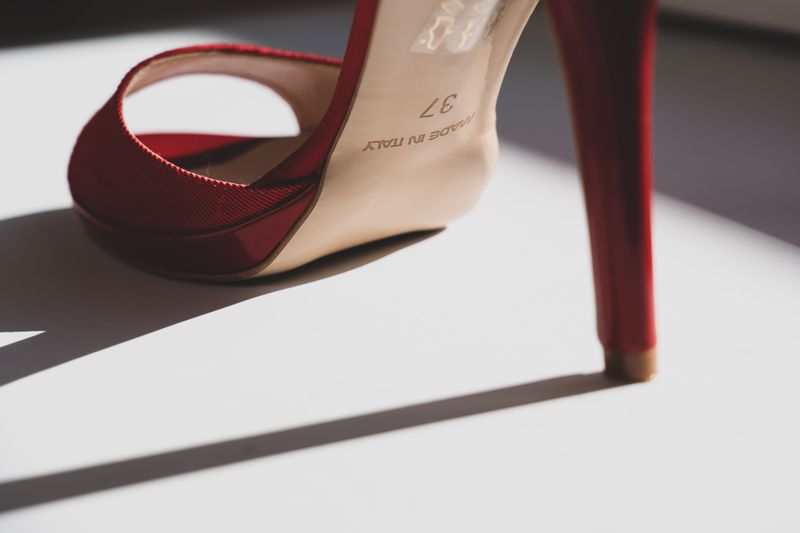
Sky-high stilettos and painfully narrow pointed-toe heels have one thing in common: they are stunning until you actually wear them.
Many women have spent $300 or more on designer shoes that ended up living permanently in their original box.
Foot pain is no joke.
Repeatedly wearing ill-fitting shoes can lead to bunions, blisters, and even long-term joint problems.
A gorgeous shoe that you cannot walk in is essentially a very expensive display piece — nothing more.
Comfort and style can absolutely coexist.
Look for designers who prioritize both, and always try shoes on and walk around the store before buying.
Your feet — and your wallet — will be grateful a decade from now.
5. Impulse Jewelry Buys With No Lasting Value

Costume jewelry can be fun, but spending big money on trendy pieces made from low-quality metals is a purchase you will likely regret.
Gold-plated rings turn green.
Rhinestone necklaces lose their sparkle.
And suddenly that $80 statement piece looks like something from a discount bin.
Jewelry bought on impulse — especially during sales or while traveling — rarely holds sentimental or monetary value.
A decade later, you will likely find it tossed in a drawer or donated to a thrift store.
When spending on jewelry, aim for pieces with real craftsmanship or personal meaning.
Even a simple sterling silver bracelet or small gold stud earrings will outlast a bag of trendy costume pieces both in style and durability.
6. Luxury Cars That Lose Value Overnight
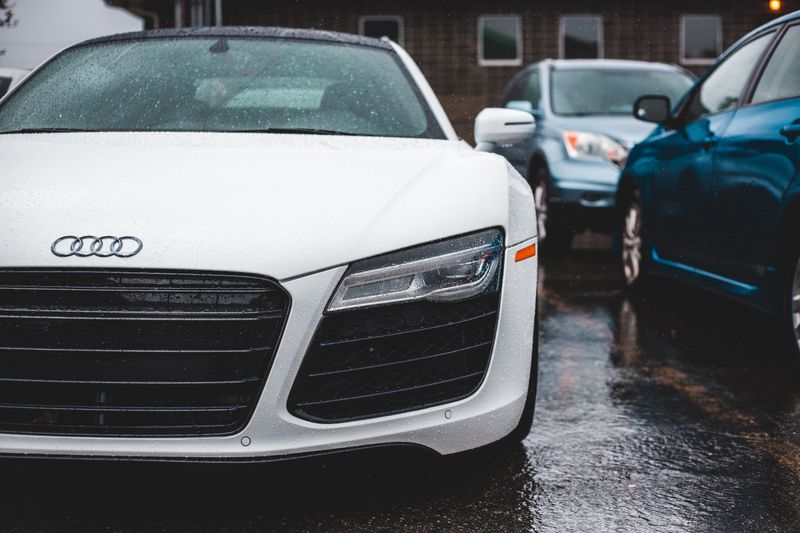
Driving off the lot in a brand-new luxury vehicle feels incredible — for about five minutes.
The moment that car leaves the dealership, it can lose 20% or more of its value.
That is thousands of dollars gone before you even make your first payment.
Luxury vehicles also come with premium insurance rates, higher maintenance costs, and expensive specialty parts.
Over ten years, the total cost of ownership can be staggering compared to a reliable, practical car that simply gets you from point A to point B.
Financial experts consistently recommend buying a gently used car instead of a brand-new luxury model.
You get similar features and comfort at a fraction of the price — and your bank account stays much healthier in the long run.
7. Furniture Chosen for Looks Over Lasting Quality

That blush-pink velvet sofa looked absolutely dreamy in the store — but velvet stains easily, fades in sunlight, and can feel suffocating in summer heat.
Trend-driven furniture decisions often come with serious buyer’s remorse once real life sets in.
Cheap materials like particleboard and hollow frames may look fine in photos but break down quickly under daily use.
A couch that falls apart in three years is not a bargain — it is a double expense when you have to replace it.
Classic, well-built furniture in neutral tones tends to work in any home and lasts for decades.
Before buying, check the frame material, sit on it, and read reviews.
Durability should always beat aesthetic trends when it comes to big furniture investments.
8. High-Interest Buy-Now-Pay-Later Shopping Sprees

Buy now, pay later sounds harmless — even smart — until the payments pile up and the interest kicks in.
Many of these services charge rates that rival credit cards, and missing a payment can hurt your credit score significantly.
What makes it worse is the psychological trick it plays.
Splitting a $400 purchase into four easy payments makes it feel like you are spending $100.
But you are still spending $400 — plus possible fees and interest on top of that.
A decade of habitual BNPL use can leave you with thousands in lingering debt for items you no longer even own.
Paying cash or using a debit card keeps spending real and keeps future-you out of a financial hole.
9. Kitchen Appliances Used Only Once or Twice
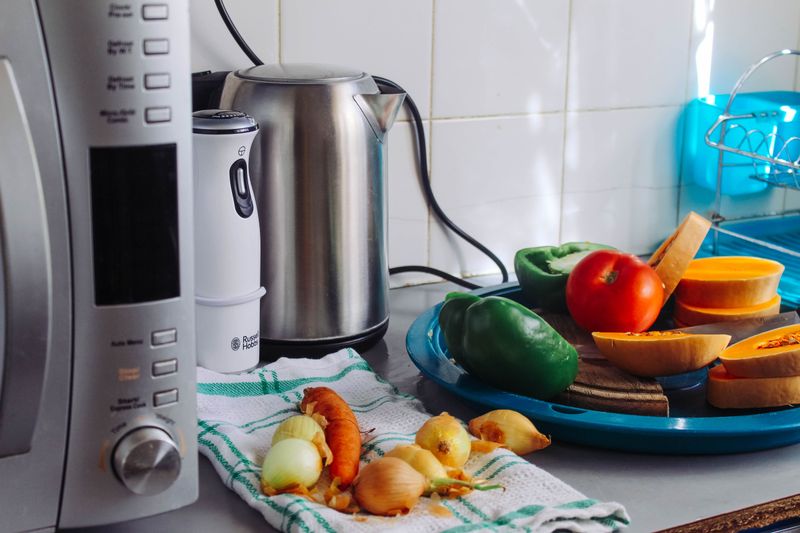
Raise your hand if you own a spiralizer, a panini press, or a single-serve blender that has not been touched in years.
Kitchen gadgets are one of the most common impulse buys, and they almost always end up taking up precious cabinet space.
Marketers are brilliant at making these tools look like life-changers.
A pasta maker sounds amazing until you realize homemade pasta takes an hour and you are usually too tired after work to bother.
The novelty disappears fast.
Before buying any kitchen appliance, ask yourself honestly how often you will realistically use it.
If the answer is “occasionally” or “maybe on weekends,” that is your sign to skip it and keep your counters — and budget — clutter-free.
10. Fitness Equipment That Becomes a Clothes Rack
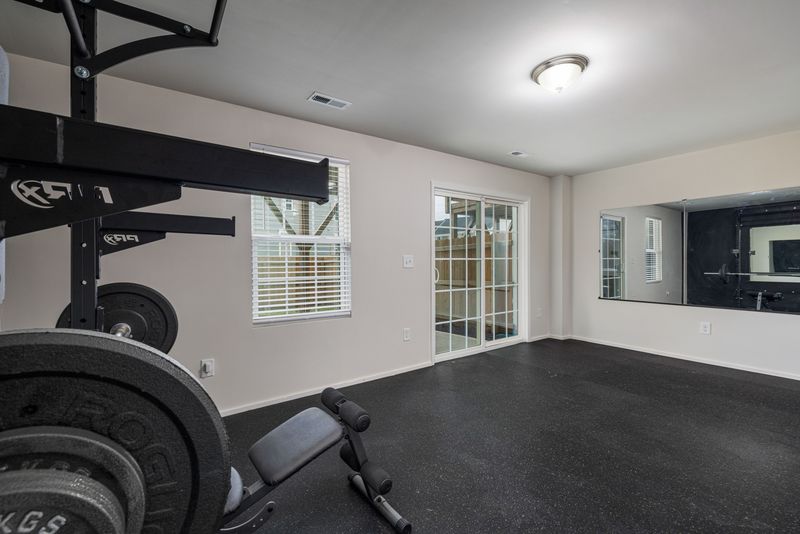
January motivation hits hard.
You picture yourself working out every morning, getting fit, feeling amazing.
So you spend $600 on a treadmill.
By March, it is wearing your winter coats and that scarf you forgot about.
Home fitness equipment has one of the highest rates of buyer’s remorse of any purchase category.
The machines are bulky, expensive, and only useful if you actually use them consistently — which most people, statistically, do not.
A gym membership or a good pair of running shoes is almost always a smarter investment.
Alternatively, try free workout videos online for a few months before committing to any large equipment purchase.
Prove the habit first, then invest in the tools to support it.
11. Constantly Chasing the Newest Smartphone

Tech companies are masters at making last year’s phone feel ancient.
A slightly better camera, a marginally faster processor, a new color option — and suddenly your perfectly working phone feels embarrassing to pull out in public.
Upgrading your smartphone every year or two is one of the sneakiest ways to drain your finances.
A flagship phone can cost $1,000 or more, and trading in your old one rarely covers the full cost of the new one.
Most phones today are built to last three to five years with proper care.
Unless your current device is genuinely broken or dangerously outdated, hold onto it.
That $1,000 saved every couple of years adds up to a vacation, an emergency fund, or a real investment.
12. Home Decor Tied to Short-Lived Trends
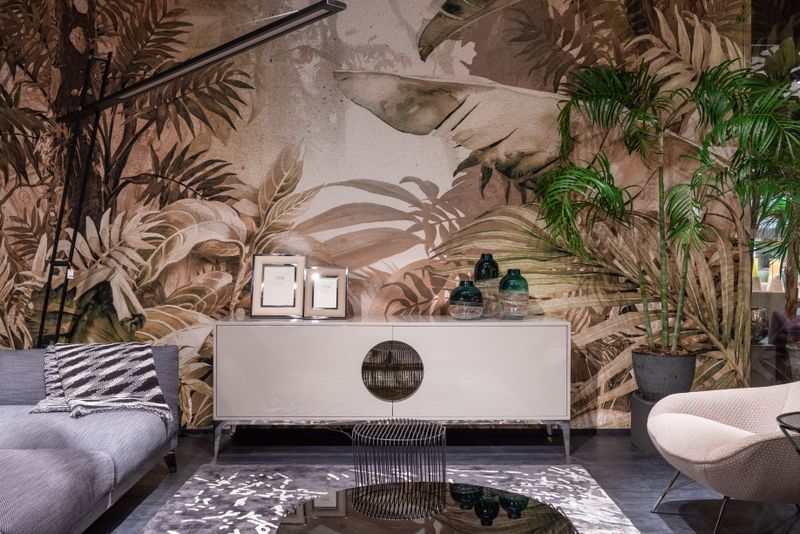
Remember when every home had mason jar lights, chalkboard walls, and chevron everything?
Decorating heavily around a trend feels fresh and exciting — until the trend dies, and your whole living room looks like a time capsule from five years ago.
Trend-based decor is particularly costly because replacing it means buying new items all over again.
Paint, wallpaper, throw pillows, rugs — it adds up quickly when you are chasing whatever Pinterest says is hot this season.
A better approach is building a neutral, timeless base and adding trendy accents through small, affordable items like candles or cushion covers.
That way, when the trend fades, swapping it out costs almost nothing and your home stays stylish without breaking the bank.
13. Subscription Services You Forgot You Were Paying For
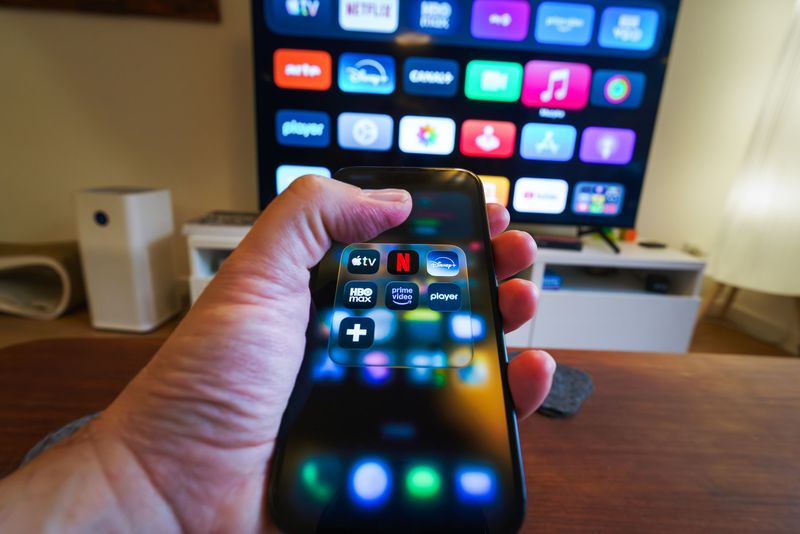
Streaming platforms, meal kit deliveries, app subscriptions, beauty boxes — they each seem small on their own.
But stack five or six of them together and you are quietly losing $80 to $150 every single month without even noticing.
The sneaky part is how easy they are to forget.
Most subscription services are designed to auto-renew with minimal reminders, banking on the fact that canceling feels like effort.
Many people pay for services they have not used in months — sometimes years.
Do a subscription audit right now.
Go through your bank or credit card statement and list every recurring charge.
Cancel anything you have not actively used in the past 30 days.
That small action could free up hundreds of dollars a year with almost no sacrifice.