 MomSkoop

Living alone in America can feel like the ultimate freedom — no roommates, no compromises, and your own rules.
But with that independence comes real responsibility that a lot of first-timers underestimate.
From safety slip-ups to financial blind spots, the mistakes people make when living solo can range from mildly inconvenient to genuinely dangerous.
Knowing what to watch out for can make your solo living experience safer, smarter, and a whole lot more enjoyable.
1. Leaving Doors and Windows Unlocked — Even “Just for a Minute”

That quick trip to the mailbox or a neighbor’s unit might seem harmless, but unlocked doors are an open invitation.
Opportunistic break-ins happen fast — sometimes in under two minutes.
Criminals often target homes that look easy to access, and an unlocked door is basically a welcome mat.
Make locking up a non-negotiable habit, whether you’re stepping out for five seconds or five hours.
Smart locks and deadbolts are affordable upgrades worth every penny.
When you live alone, there’s no backup person to double-check the door — that responsibility falls entirely on you.
2. Posting Your Real-Time Location on Social Media

Sharing a sunny vacation photo is fun, but tagging your exact apartment building or posting “home alone tonight” in real time is a different story.
Strangers — and even distant acquaintances — can piece together your daily routine faster than you’d expect.
Location data embedded in photos can reveal your address without you even realizing it.
Save the travel posts for when you’re back home, and keep your living situation off public feeds.
A little digital privacy goes a long way when you’re the only person in your household watching out for your own safety.
3. Skipping Renters or Home Insurance
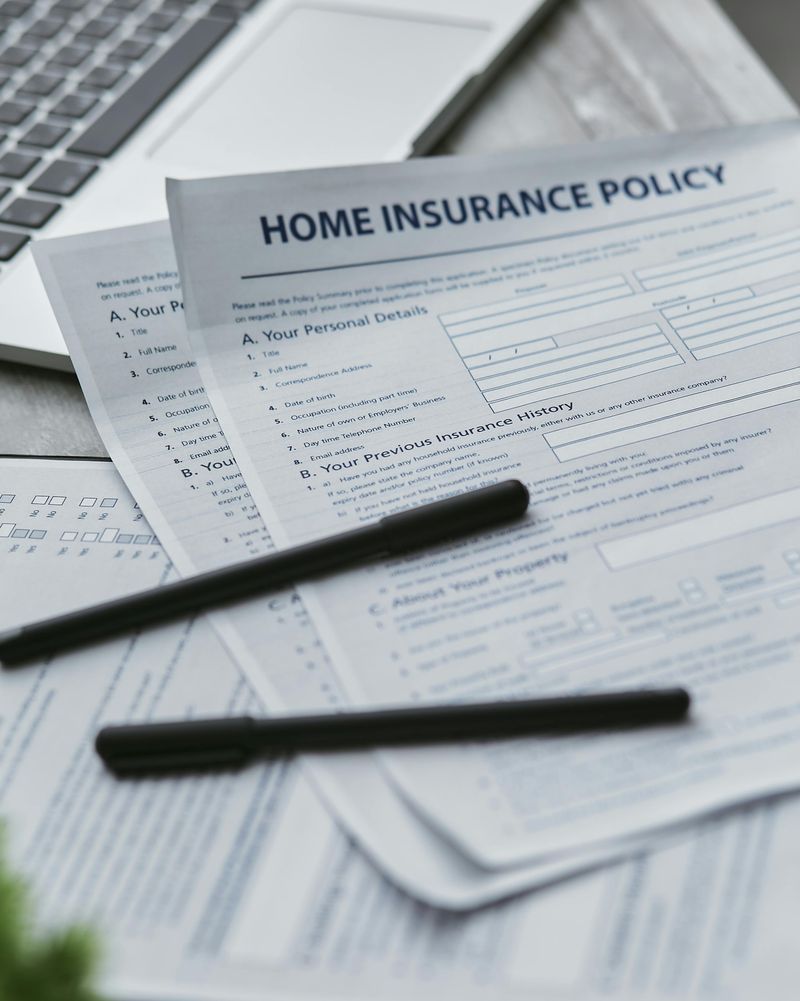
Here’s a number that surprises most people: renters insurance often costs less than $20 a month.
Yet millions of Americans go without it, leaving themselves exposed to major financial loss after theft, fire, or water damage.
Replacing a laptop, a TV, and a few pieces of furniture out of pocket can easily run into thousands of dollars.
When you live alone, there’s no roommate to split the burden.
A basic renters policy covers your belongings and even liability if someone gets hurt in your home.
Skipping it is one of the easiest mistakes to fix — and one of the most expensive to ignore.
4. Ignoring Basic Home Security Upgrades
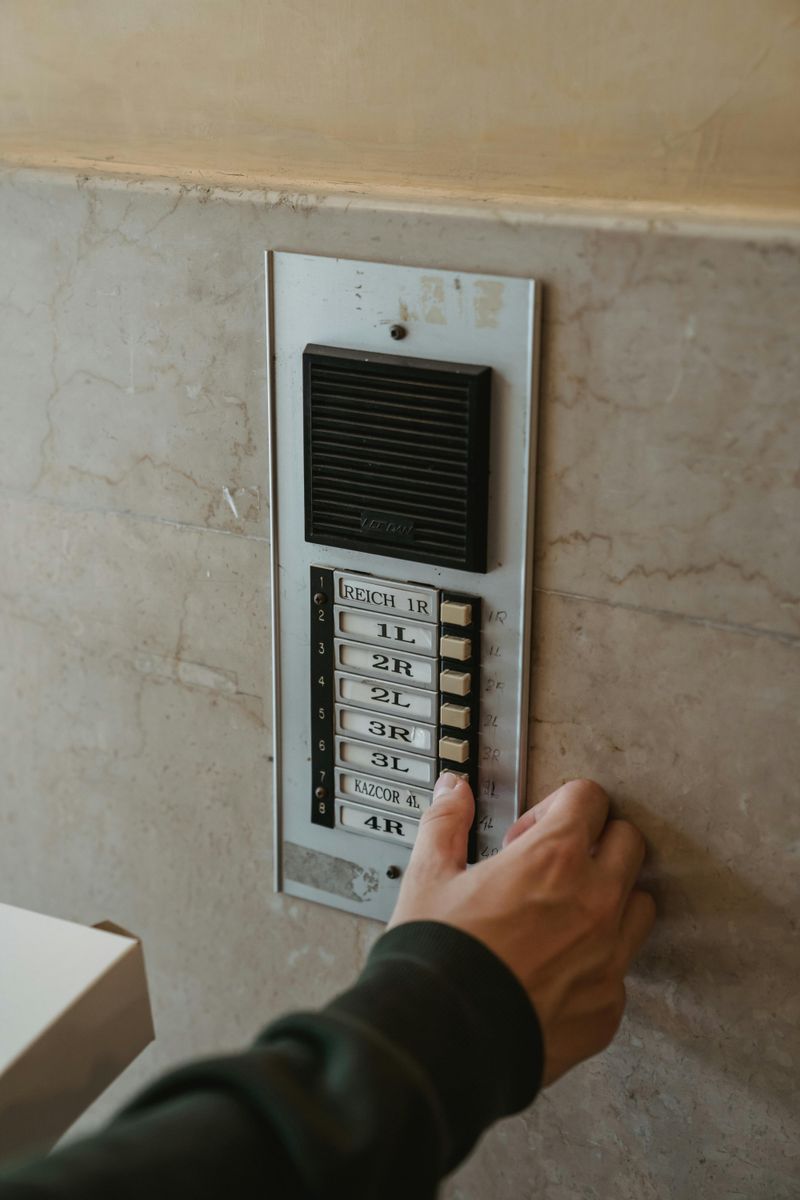
You don’t need a full alarm system to feel safer at home.
Simple upgrades like a video doorbell, motion-activated lights, or reinforced door strike plates can dramatically reduce your risk of being targeted.
Video doorbells let you see who’s at the door without opening it — a genuinely useful tool when you live alone.
Motion lights deter people from lurking near your entryways at night.
Many of these products cost under $50 and take less than an hour to install.
Small investments in security pay off in both real protection and the mental comfort of knowing your space is harder to breach.
5. Letting Maintenance Issues Slide

A slow drip under the sink.
A flickering outlet.
A door lock that sticks.
These problems feel minor until they suddenly aren’t.
Water leaks can cause mold and structural damage within days, and faulty wiring is a leading cause of house fires across the U.S.
When you live alone, nobody else is going to notice the warning signs.
You’re the first — and only — line of defense.
Report issues to your landlord promptly, and don’t put off repairs you can handle yourself.
Staying on top of small maintenance problems prevents them from becoming expensive, dangerous emergencies down the road.
6. Not Having an Emergency Contact Plan

Picture this: you slip in the bathroom, twist your ankle badly, and your phone is across the room.
Who knows to check on you?
When you live alone, an emergency contact plan isn’t paranoia — it’s basic preparation.
Keep at least two trusted contacts updated on your general routine.
A simple weekly check-in text with a friend or family member creates an informal safety net.
Share your building address and a spare key with someone you trust completely.
Medical emergencies, accidents, and unexpected situations don’t come with warnings, and having a plan in place before something happens can genuinely save your life.
7. Living Paycheck to Paycheck Without a Buffer

Solo living means every financial surprise lands entirely on your shoulders.
A car repair, a medical bill, or an unexpected rent increase hits differently when there’s no second income in the household to soften the blow.
Even saving $500 to $1,000 in an emergency fund can be the difference between a stressful week and a financial crisis.
Start small — even $25 per paycheck adds up faster than you’d think.
Budgeting apps and automatic savings transfers make it easier to build a cushion without feeling deprived.
Financial stability isn’t about being rich; it’s about having breathing room when life gets unpredictable.
8. Leaving Cooking Unattended
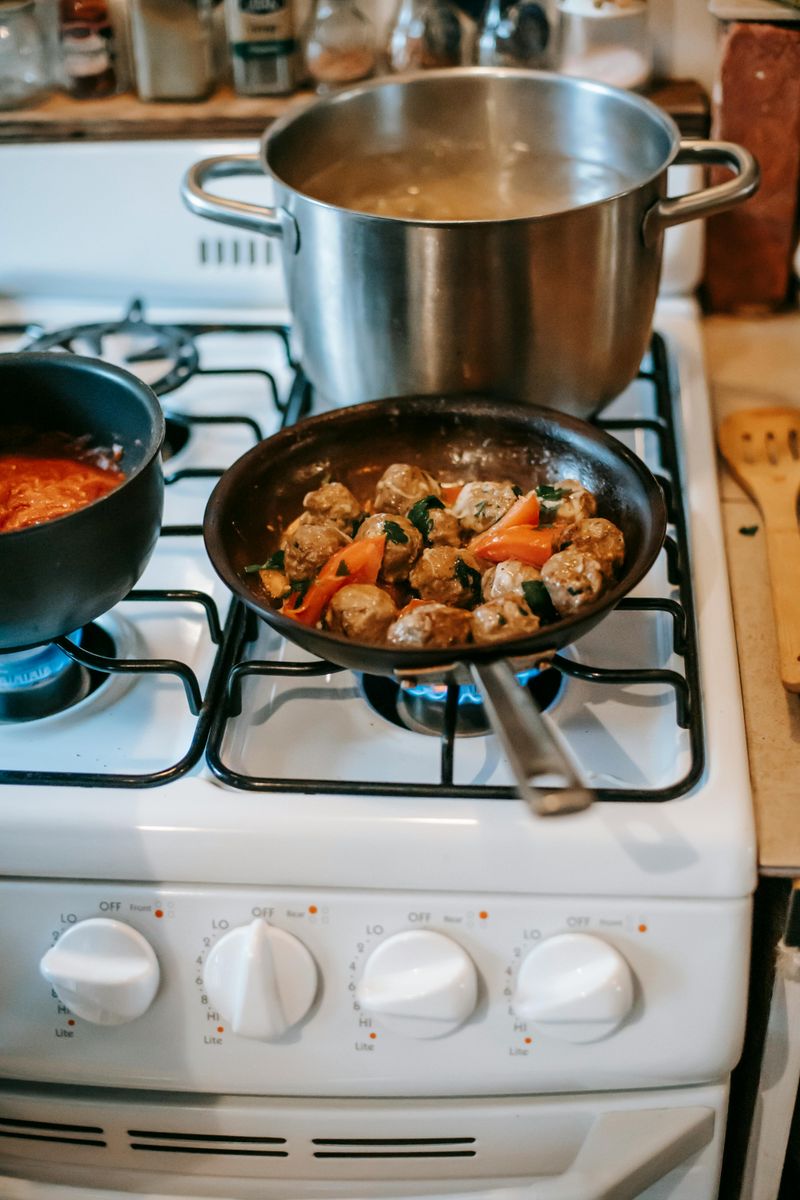
Unattended stovetops cause nearly 50% of all residential fires in the United States — and when you live alone, there’s no one else to catch the problem before it escalates.
That’s a sobering statistic worth remembering every time you step away mid-cook.
If you need to leave the kitchen, turn the burner off.
It takes two seconds and could prevent a disaster.
Keep a fire extinguisher in your kitchen and make sure your smoke detectors work.
Cooking is one of the most common and preventable causes of home fires, and solo dwellers are especially vulnerable when distractions pull them away from the stove.
9. Oversharing Your Routine With Strangers

It can feel natural to make small talk — mentioning you just got home from work, that you live on your own, or that you’re heading out of town this weekend.
But sharing details like these with delivery drivers, rideshare drivers, or online strangers builds a picture of your vulnerability without you realizing it.
Keep conversations light and vague with people you don’t know well.
You don’t have to be rude — just redirect.
Online, be especially cautious with dating app matches or social media connections who ask detailed questions about your schedule or living situation.
Healthy boundaries protect your safety more than you might expect.
10. Ignoring Your Mental Health

Living alone has real perks, but silence has a way of creeping in.
What starts as peaceful solitude can quietly shift into loneliness and isolation — especially during long winters or stressful life periods.
Mental health struggles don’t always announce themselves loudly.
Make intentional plans to connect with others — not just when you feel low, but as a regular habit.
Schedule weekly calls, join a local class, or work from a coffee shop a few times a week.
Movement, sunlight, and social contact aren’t luxuries; they’re necessities.
Your mental well-being deserves the same attention as your physical safety when you live alone.
11. Failing to Prepare for Power Outages
Extreme weather events, aging power grids, and seasonal storms are knocking out electricity across the U.S. more frequently than ever.
When you live alone, a power outage that lasts more than a few hours can go from inconvenient to genuinely uncomfortable — or unsafe.
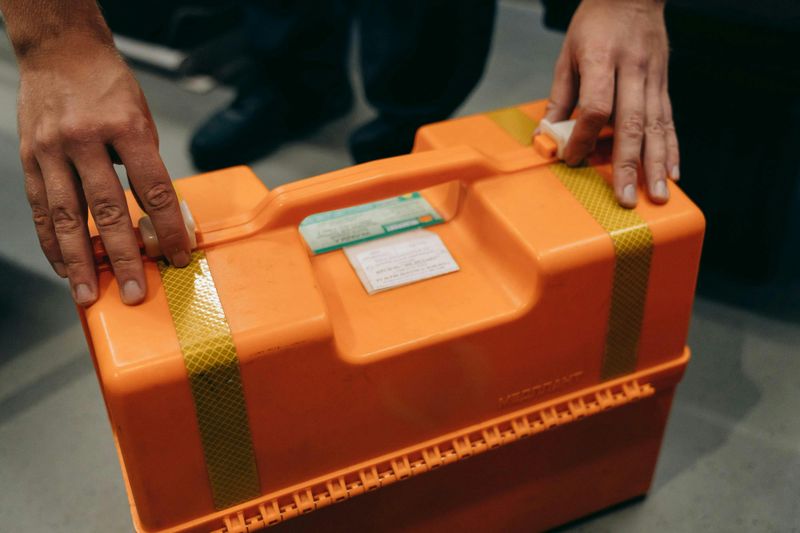
Keep a small emergency kit stocked with flashlights, extra batteries, a portable phone charger, bottled water, and basic non-perishable snacks.
If you rely on medical equipment, have a backup plan ready.
Preparation doesn’t need to be complicated or expensive.
A modest emergency kit tucked in a closet means you’re never caught completely off guard when the lights go out unexpectedly.
12. Assuming “It Won’t Happen to Me”

Optimism is healthy — overconfidence is risky.
Medical emergencies, sudden job loss, car breakdowns, and natural disasters don’t check your schedule before showing up.
When you live alone, the absence of a built-in support system makes preparedness even more essential.
Think of preparation as self-respect, not fear.
Having a first aid kit, a basic savings buffer, an emergency contact list, and a few days’ worth of supplies isn’t excessive — it’s smart adulting.
The people who handle crises best aren’t the ones who expected everything to go wrong; they’re the ones who quietly prepared for the possibility that it might.