 MomSkoop
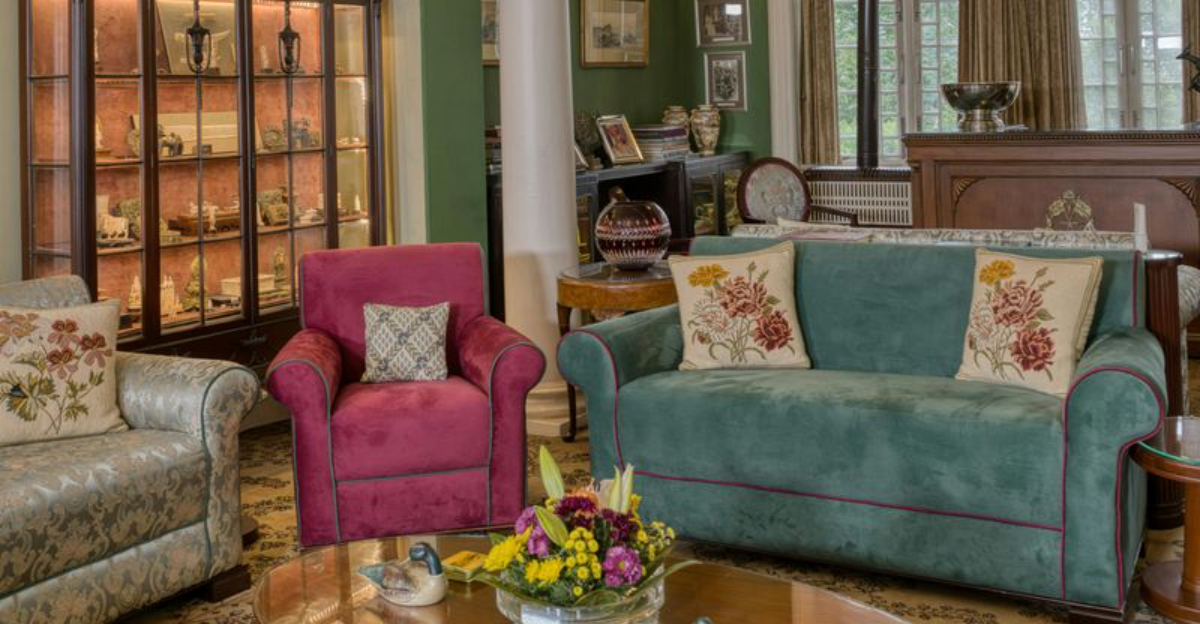
Growing up in a lower-middle-class household often shapes the way we treat our living spaces, especially the living room. This room becomes more than just a place to sit—it turns into a carefully managed zone of comfort, pride, and practicality.
Many habits formed during childhood stick with us into adulthood, revealing values like resourcefulness, respect for belongings, and family togetherness. Here are some common living room habits that people from lower-middle-class backgrounds often recognize and relate to.
1. Visible Fixes and DIY Repairs
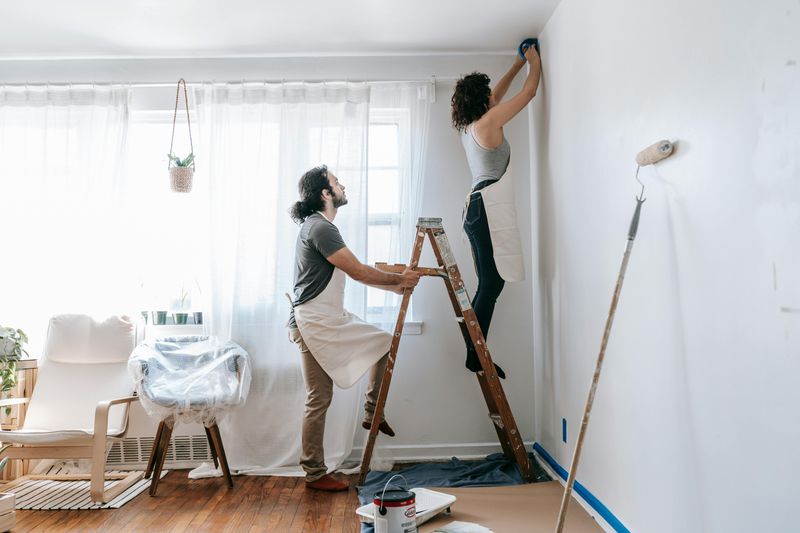
Furniture in lower-middle-class homes often tells a story of careful upkeep and practical fixes.
A wobbly chair leg might be reinforced with duct tape or a wooden shim, while a torn cushion gets patched with fabric or covered with a decorative throw.
These visible repairs aren’t signs of neglect—they’re badges of resourcefulness.
Families learn early on that replacing items isn’t always an option, so they become skilled at extending the life of what they already own.
This habit teaches creativity and problem-solving, turning everyday challenges into opportunities for clever solutions.
Over time, these small acts of maintenance become second nature, instilling a deep respect for possessions.
2. The Protected Sofa Sanctuary
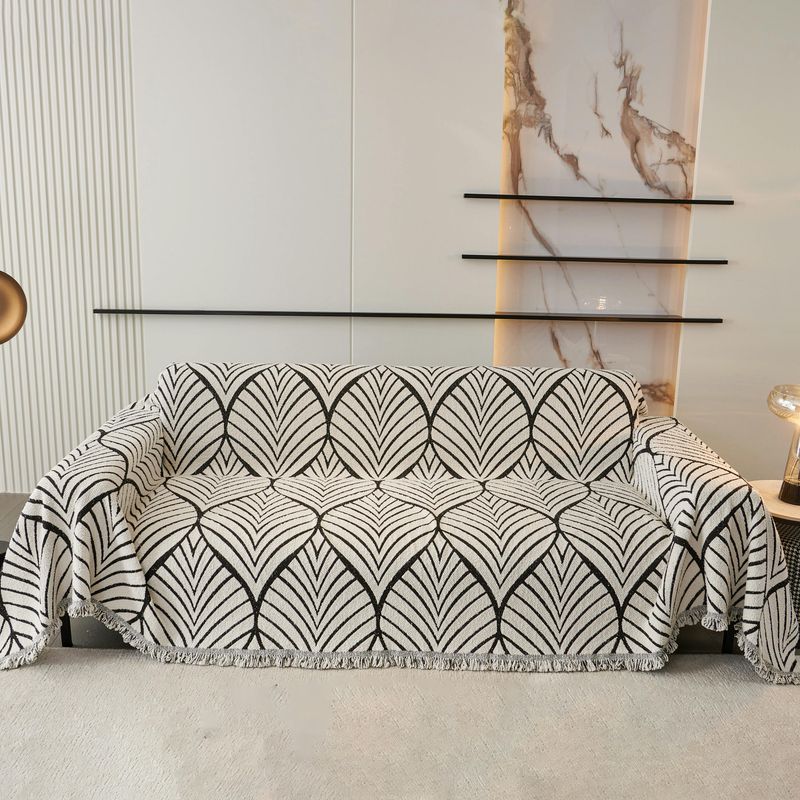
Many lower-middle-income families designate one couch as the special piece—the one reserved for guests or important occasions.
Kids grow up hearing warnings not to jump on it, eat near it, or wear shoes while sitting on it.
Some households go further, draping the couch in plastic covers or layered blankets to preserve its condition for as long as possible.
This practice reflects a deep appreciation for items that represent significant financial investment and family pride.
The protected sofa becomes a symbol of care and intention, teaching children to value what they have.
Even as adults, many people remember the rules surrounding that special couch and carry forward a mindful approach to their belongings.
3. Television as the Centerpiece
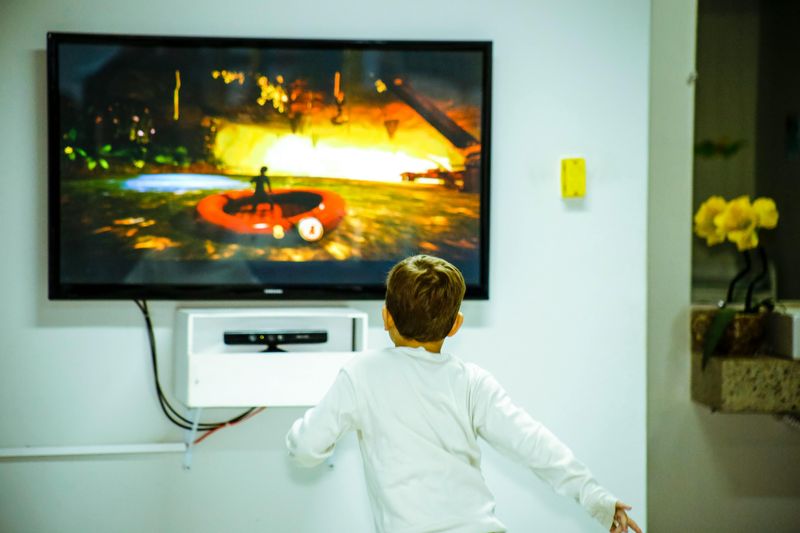
In many households, the television isn’t just entertainment—it’s the heart of family bonding and affordable recreation.
Lower-middle-class families often invest in the biggest screen they can afford because it serves as their primary source of movies, shows, and shared experiences.
Going out to theaters or events can be expensive, so staying home and gathering around the TV becomes a cherished routine.
Movie nights, sports games, and favorite shows create lasting memories without breaking the budget.
The living room transforms into a mini entertainment hub where everyone comes together.
This habit builds strong family connections and teaches the value of simple, home-based pleasures that don’t require spending much money.
4. Mismatched but Functional Seating
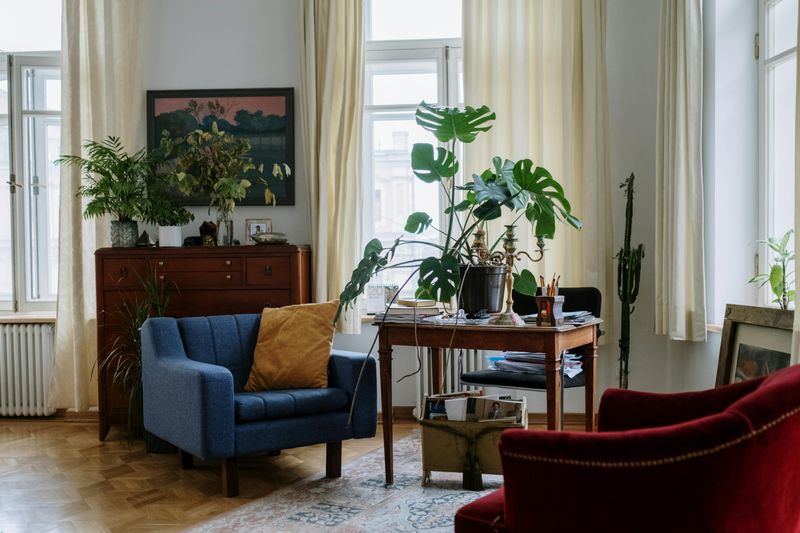
Walk into many lower-middle-class living rooms and you’ll notice furniture that doesn’t quite match but works perfectly together.
A hand-me-down armchair from a relative sits next to a thrift store coffee table, while a couch from years ago anchors the space.
Each piece has its own history and was acquired when it was needed, not necessarily when it matched the decor.
This eclectic mix reflects practicality over aesthetics—function comes first, style comes second.
Families learn to appreciate what they have and make it work, developing an eye for comfort rather than perfection.
This approach fosters gratitude and adaptability, valuable traits that extend far beyond furniture choices.
5. Wall Gallery of Loved Ones
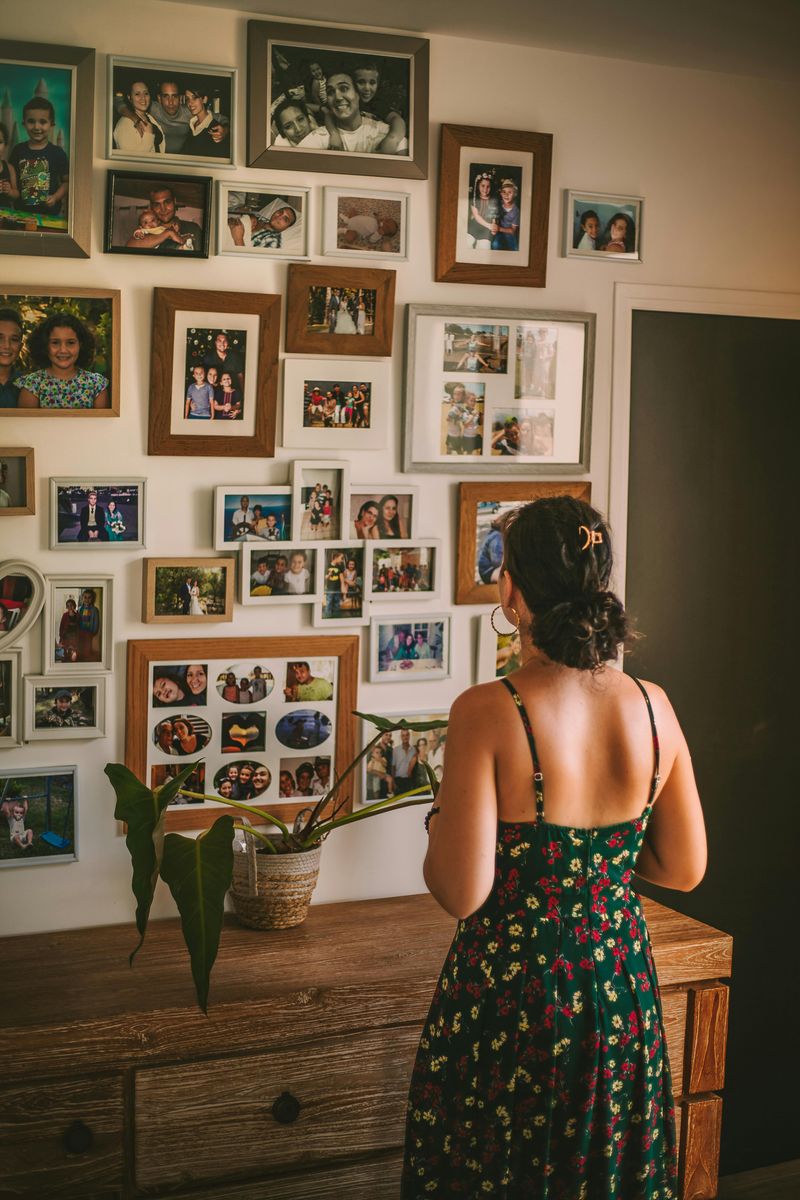
Family photos hold a place of honor in lower-middle-class homes, often covering entire walls or filling multiple shelves.
Graduations, weddings, baby pictures, and holiday gatherings are all proudly displayed for everyone to see.
These images serve as daily reminders of love, achievement, and connection—things that money can’t buy.
The living room becomes a visual celebration of family history and milestones, creating a warm and personal atmosphere.
Guests are often treated to stories behind each photograph, strengthening bonds and sharing memories.
This tradition teaches the importance of relationships and preserving moments that matter most, making the living room feel truly lived-in and meaningful.
6. Curio Cabinets and Treasured Items
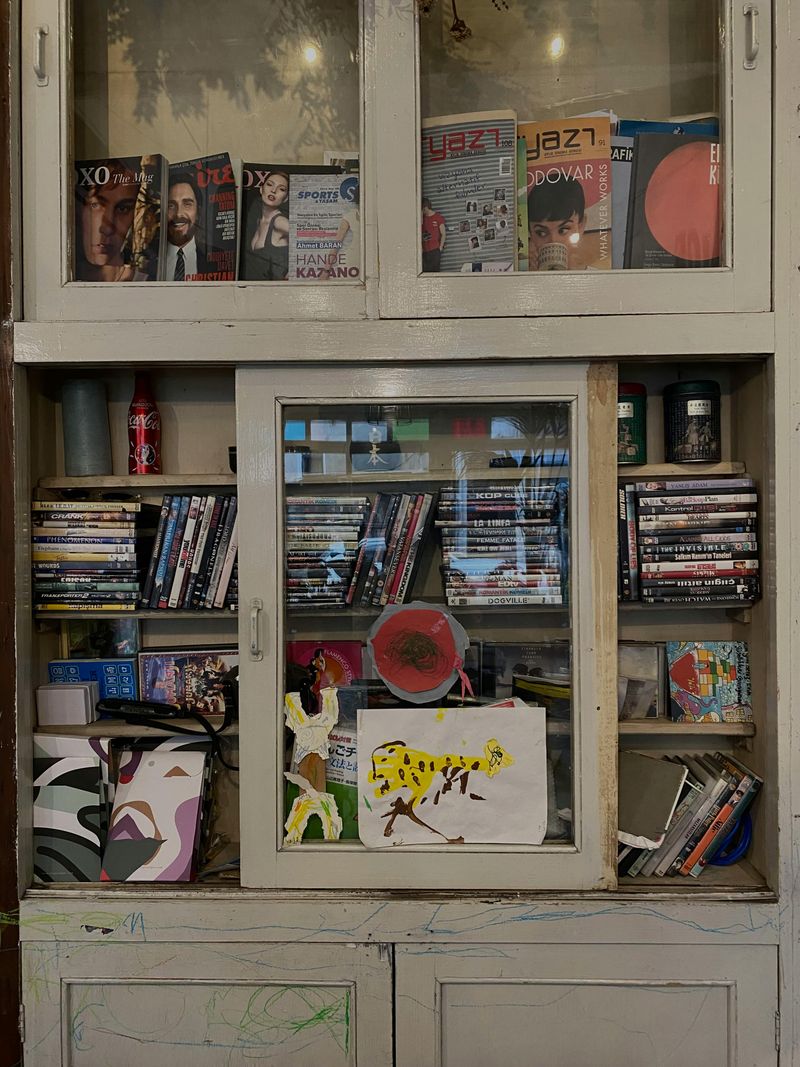
Glass display cabinets filled with collectibles, china, or souvenirs are common sights in these living rooms.
Each item inside holds sentimental value—perhaps a gift from a loved one, a vacation memento, or inherited family heirlooms.
These cabinets showcase what families consider precious, even if the items aren’t expensive by conventional standards.
Dusting and arranging the display becomes a ritual, reflecting care and pride in what’s been accumulated over the years.
Children learn that value isn’t always measured in dollars but in memories and meaning.
The cabinet stands as a testament to family history and personal journeys, making the living room feel both elegant and deeply personal.
7. Furniture That Does Double Duty
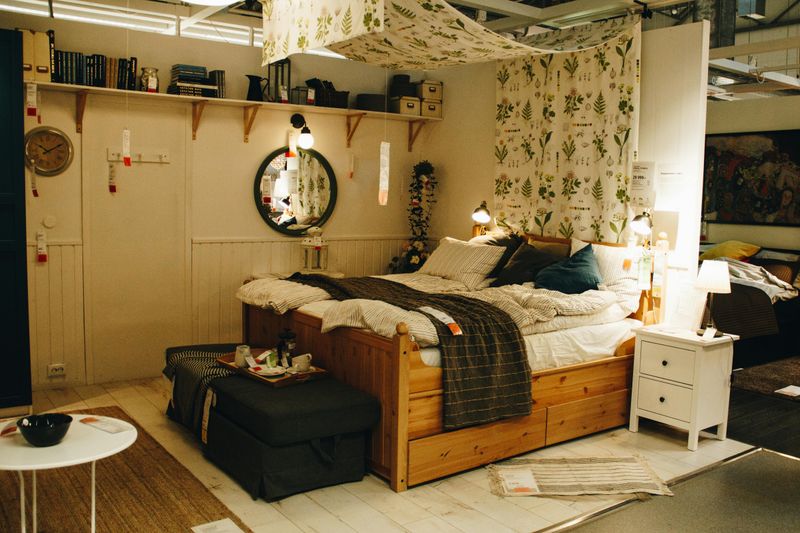
Space and money constraints make multi-functional furniture essential in lower-middle-class homes.
A coffee table might have built-in storage for magazines and remote controls, while an ottoman opens up to hide blankets or board games.
Sofa beds transform the living room into a guest bedroom when relatives visit, maximizing every square foot.
This smart use of furniture reflects careful planning and an understanding that every piece should earn its place.
Families become experts at organization and efficiency, making small spaces feel larger and more versatile.
These habits encourage creativity and thoughtful consumption, proving that you don’t need a mansion to live comfortably and intelligently.
8. Tidy Storage and Assigned Spots
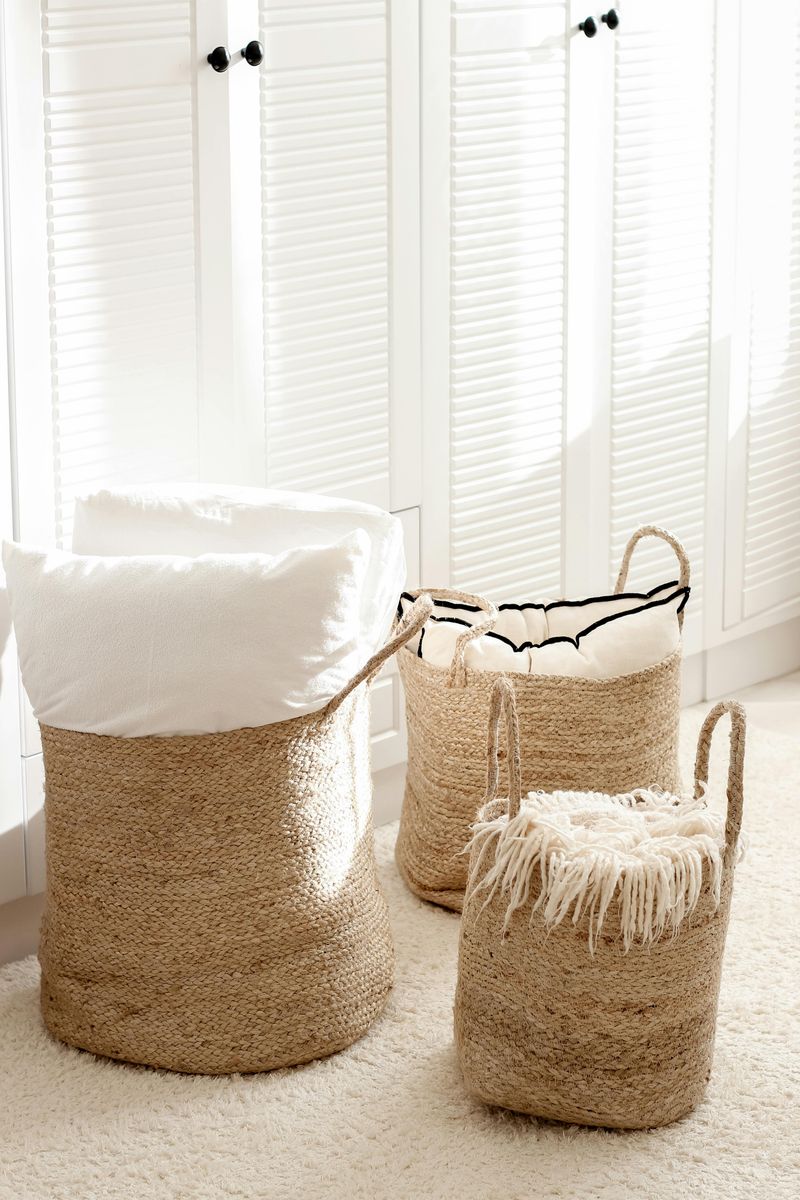
Everything has its place in a well-run lower-middle-class household, and the living room is no exception.
Remote controls live in a specific drawer or basket, magazines stack neatly on the coffee table, and shoes go in a designated spot by the door.
This organized approach prevents clutter and keeps the space feeling calm and welcoming, even in smaller homes.
Kids learn early to put things back where they belong, developing habits that serve them throughout life.
Maintaining order becomes a shared family responsibility, teaching discipline and respect for shared spaces.
This practice shows that a home doesn’t need to be large or expensive to feel comfortable, clean, and well-managed.