 MomSkoop

Growing up shapes who we become, and the way parents treat their children leaves a lasting mark. Many adults carry wounds from childhood that were never acknowledged or addressed.
Sometimes, all it takes is a sincere apology to begin healing those old hurts. These are the moments many adult children silently wish their parents would finally own up to.
1. Not Listening to Their Feelings

Feelings that get brushed aside do not simply disappear.
When a child says they are sad, scared, or frustrated, they need someone to truly hear them.
A parent who responds with “you’re overreacting” or “stop being so sensitive” sends a painful message.
That message tells the child their emotions are a burden.
Over time, this can make kids feel ashamed of their feelings or afraid to speak up.
Many adults still struggle to express themselves because of this pattern.
Acknowledging a child’s emotions does not mean agreeing with everything they feel.
It simply means showing them their inner world matters.
An apology for dismissing those feelings can mean more than most parents realize.
2. Comparing Them to Siblings or Other Children
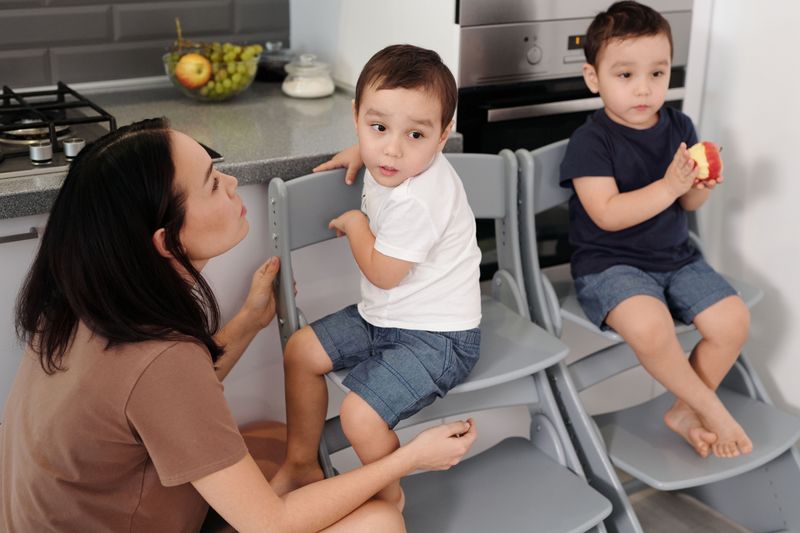
“Why can’t you be more like your sister?” Few sentences sting quite like that one.
Comparisons between siblings or other children might seem like harmless motivation, but they often do the opposite of inspire.
Being measured against someone else teaches a child that who they are is simply not enough.
It plants seeds of resentment, both toward the child being praised and toward the parent doing the comparing.
These feelings can follow people well into adulthood.
Every child is wired differently and grows at their own pace.
Celebrating individual strengths rather than stacking kids up against each other builds confidence instead of tearing it down.
Many adult children still carry the weight of those comparisons today.
3. Being Overly Critical of Their Mistakes

Mistakes are how children learn, but constant criticism turns the learning process into something to fear.
When every error is met with sharp words or disappointment, kids start believing that getting things wrong makes them fundamentally flawed.
A child who grows up under relentless criticism often becomes an adult who is terrified of failure.
They may avoid trying new things, second-guess every decision, or struggle with crippling self-doubt.
The inner critic they carry was often borrowed from someone else’s voice.
Correcting a child with kindness and patience teaches resilience.
Piling on shame teaches avoidance.
Many adult children would feel a wave of relief hearing a parent say, “I was too hard on you, and I am sorry.”
4. Putting Too Much Pressure on Them to Succeed

Ambition pushed from the outside can crush the spark that lives on the inside.
When parents tie their love or approval to grades, trophies, or achievements, children learn to perform rather than grow.
The pressure to always succeed can strip the joy right out of learning and exploring.
Kids who feel like they are only valued for their accomplishments often grow into adults who never feel like enough, no matter how much they achieve.
The finish line keeps moving.
Parents who pushed too hard often meant well, wanting the best for their children.
But good intentions do not erase the damage.
Saying “I put too much on your shoulders” can open a door to real healing between parent and child.
5. Failing to Respect Their Privacy

Privacy is not just a privilege for adults.
Even young children need spaces, thoughts, and belongings that belong only to them.
When parents routinely invade that space, it sends a message that their child’s personal boundaries do not count.
Reading diaries, listening in on phone calls, or going through a teenager’s room without permission can feel like a deep betrayal.
Trust, once broken that way, is not easily rebuilt.
Many adults remember exactly how it felt to have their private world exposed.
Respecting a child’s privacy is part of respecting them as a person.
It shows them that boundaries are real and worth honoring.
An apology for crossing those lines can help restore a sense of dignity that was quietly chipped away over the years.
6. Dismissing Their Mental Health Struggles

“You’re just going through a phase” is one of the most isolating things a struggling child can hear.
Mental health challenges like anxiety, depression, and panic attacks are real, regardless of someone’s age.
Telling a child to simply “cheer up” or “toughen up” leaves them fighting those battles completely alone.
Many adults today trace their most painful emotional patterns back to feeling unseen during their hardest moments growing up.
When a parent dismisses what a child is going through, the child often learns to hide their pain rather than seek help.
Mental health awareness has grown enormously, and parents now have more information than ever.
Still, acknowledging past dismissals with a genuine apology can help adult children finally feel heard in a way they never were as kids.
7. Using Guilt to Control Their Choices

Guilt-tripping is one of the quieter forms of emotional control, but its effects are anything but quiet.
Statements like “after everything I have done for you” or “I guess I just do not matter” are designed to make a child feel responsible for their parent’s emotions.
Children raised with guilt as a tool often grow up struggling to make decisions without a heavy wave of anxiety.
They may find it nearly impossible to say no, set limits, or put their own needs first without feeling selfish.
The habit of putting everyone else ahead of themselves becomes deeply ingrained.
Healthy relationships are built on honest communication, not emotional leverage.
Owning up to the use of guilt as a parenting strategy, and apologizing for it, can give adult children permission to finally start putting themselves first without shame.
8. Not Protecting Them From Harmful Family Members

A parent’s most fundamental job is to keep their child safe, and that includes protection from people within the family.
When a parent looks the other way while a grandparent, uncle, or other relative mistreats a child, the wound cuts especially deep.
Being harmed by someone you are supposed to trust is painful.
But being unprotected by the one person who was supposed to stand up for you can feel like an even greater betrayal.
Many adult children carry that specific hurt for decades without ever naming it.
No family relationship is worth more than a child’s safety and emotional well-being.
Admitting that protection was withheld, and expressing genuine regret for it, can be a powerful first step toward repairing a relationship that was fractured long ago.
9. Making Them Feel Responsible for Adult Problems
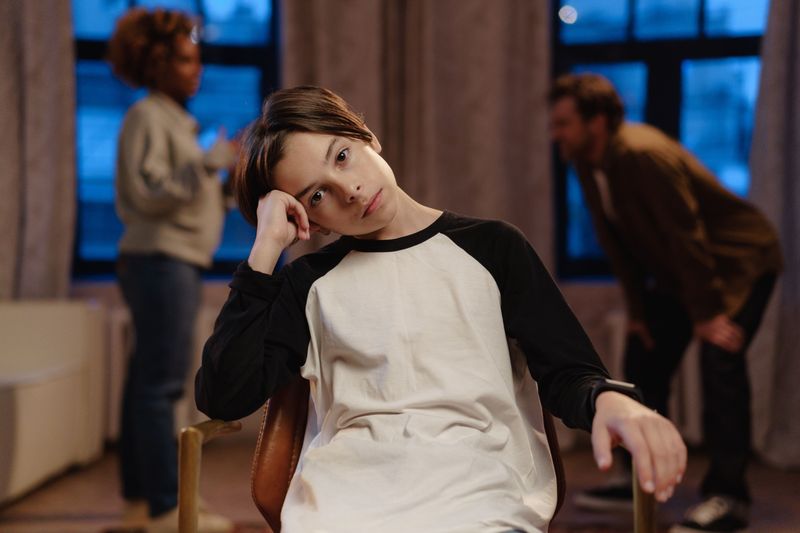
Children should never have to carry the weight of adult worries.
When parents lean on their kids for emotional support, share financial stress in detail, or vent about relationship problems, they place a burden on small shoulders that were never meant to hold it.
This dynamic, sometimes called parentification, can make a child feel like they need to fix things that are completely out of their control.
The constant low-level anxiety of feeling responsible for a parent’s happiness or stability can quietly shape the way that child handles relationships for the rest of their life.
Kids deserve to be kids.
They need the freedom to focus on growing up without worrying about grown-up problems.
Apologizing for pulling a child into adult struggles is a meaningful step toward lifting a burden they have carried far too long.
10. Showing Favoritism Between Siblings

Favoritism does not have to be obvious to be felt.
Even subtle differences in how a parent praises, protects, or invests time in one child over another can leave a lasting mark on the one who always seemed to come in second.
The child who feels less favored often grows up questioning their worth and wondering what was wrong with them.
Resentment toward the favored sibling can follow both children into adulthood, straining relationships that could have been close and supportive.
Most parents believe they treat their children equally, which makes it even harder for the unfavored child to voice their pain.
Hearing a parent say “I did not treat you fairly, and I am sorry” can quietly undo years of self-doubt that built up in silence.
11. Trying to Control Their Choices Into Adulthood

Parenting does not come with an automatic off switch, but the role genuinely needs to shift as children grow up.
When parents continue to dictate career paths, romantic relationships, living arrangements, or lifestyle choices well into their child’s adult years, it stops feeling like love and starts feeling like control.
Adult children who face this often feel trapped between wanting their parent’s approval and needing to live their own life.
The constant push and pull can lead to anxiety, strained relationships, and a lingering sense of not truly owning their own story.
Letting go is one of the hardest parts of parenting.
But it is also one of the most loving things a parent can do.
Apologizing for overstepping into an adult child’s autonomy shows real respect for who they have become.
12. Rarely Admitting When They Were Wrong

There is something quietly powerful about a parent who can look their child in the eye and say, “I was wrong.” Unfortunately, many children grow up never hearing those words.
When parents refuse to admit mistakes, they model a version of strength that is really just pride in disguise.
Children notice when they are blamed for things that were not their fault or when a parent doubles down on a bad call rather than owning it.
Over time, this teaches kids that accountability is optional and that admitting fault is something to avoid at all costs.
Watching a parent take responsibility, even years later, can be genuinely healing.
It shows that growth is possible at any age.
More than almost anything else, a simple honest apology can change the entire temperature of a parent-child relationship.