 MomSkoop
Television was a completely different world for Baby Boomers growing up in the 1950s, 60s, and 70s. Families would gather around the TV set each week, eagerly waiting for their favorite shows to come on.
These programs shaped an entire generation, sparking laughter, tears, and endless conversations around the dinner table. From cowboys to comedians, the shows Baby Boomers loved still hold a special place in pop culture history.
1. The Ed Sullivan Show
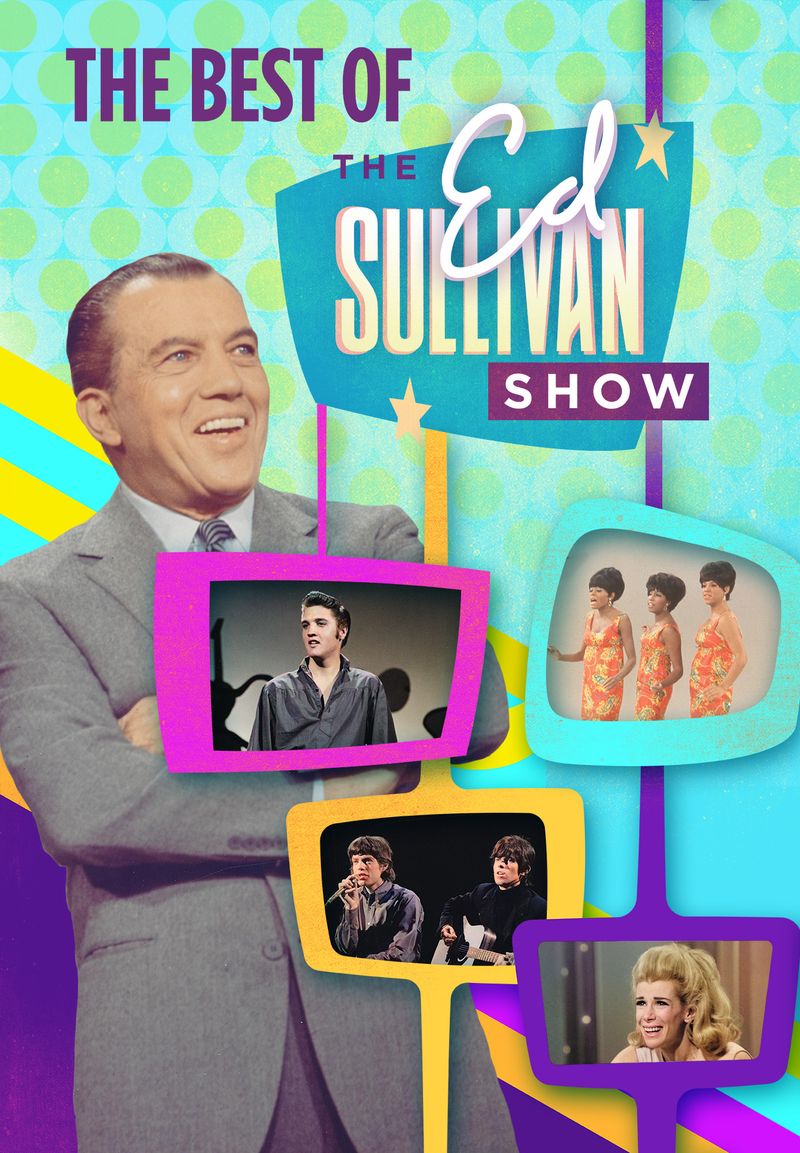
Sunday nights had a certain magic to them when Ed Sullivan took the stage.
For more than two decades, “The Ed Sullivan Show” was the place to be on television.
From 1948 to 1971, Sullivan welcomed performers of every kind, from opera singers to circus acts to rock and roll bands.
The Beatles made their legendary American debut on this show in 1964, drawing an audience of over 70 million viewers.
Elvis Presley also performed here, cementing the show’s place in music history.
Sullivan had a unique talent for spotting what audiences wanted before they even knew it themselves.
No other variety show matched its cultural reach or staying power during the Boomer era.
2. Gunsmoke
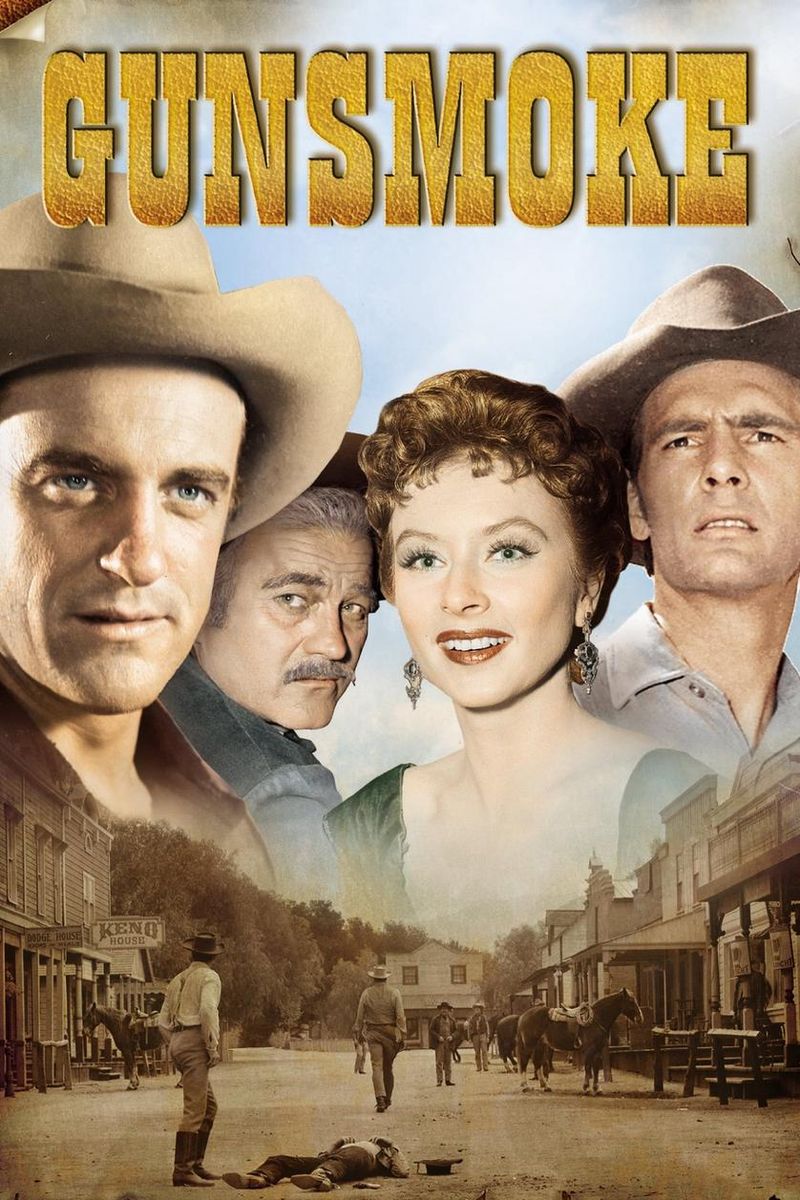
Few shows could claim the longevity that “Gunsmoke” achieved on American television.
Running from 1955 to 1975, it holds the record as one of the longest-running prime-time dramas in TV history.
Set in Dodge City, Kansas, the show followed Marshal Matt Dillon as he kept the peace in a rough-and-tumble frontier town.
James Arness brought a quiet strength to the role that viewers immediately trusted and admired.
The show never shied away from serious topics, tackling themes like justice, morality, and human struggle week after week.
Baby Boomers grew up watching Dillon face impossible odds and always find a way through. “Gunsmoke” made the American West feel both dangerous and deeply human.
3. Bonanza
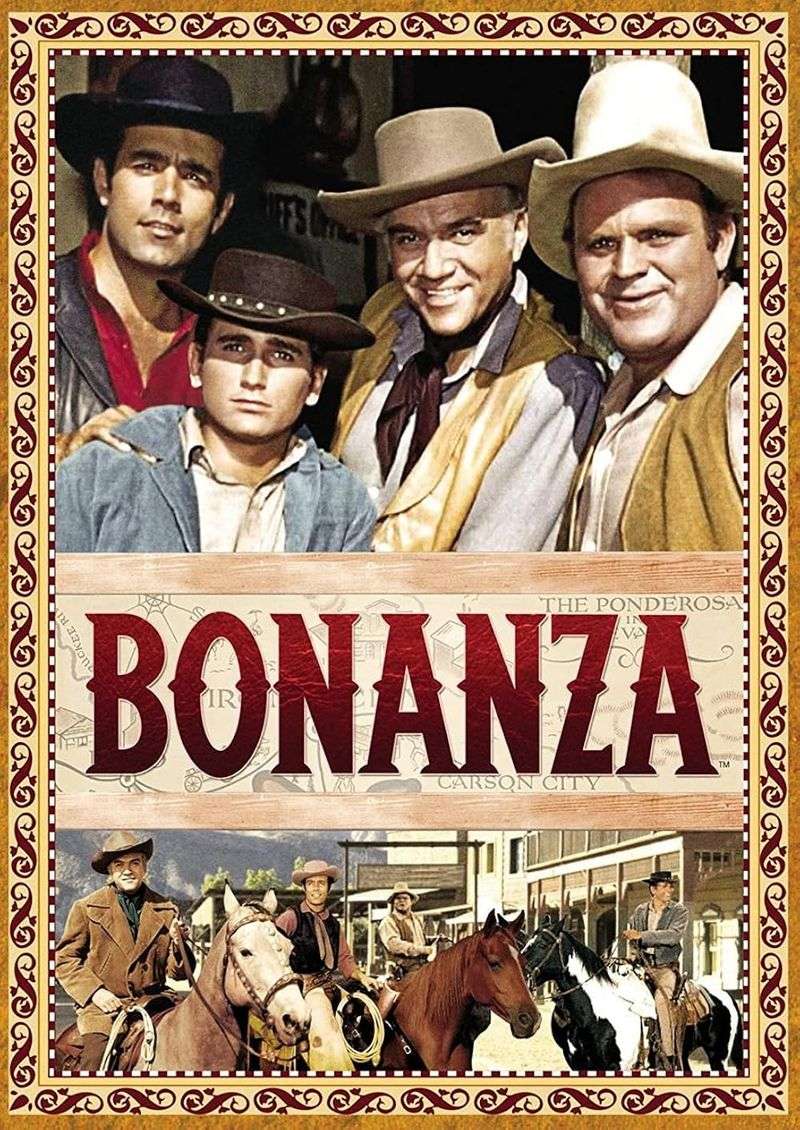
When “Bonanza” premiered in 1959, it became one of the first major TV Westerns to broadcast in color, which was a huge deal for families who had just upgraded their sets.
The Cartwright family, led by patriarch Ben and his three sons, ran the Ponderosa ranch near Virginia City, Nevada.
Their adventures mixed action with heartfelt family values in a way that felt genuine and relatable.
Lorne Greene’s portrayal of Ben Cartwright made him feel like everyone’s ideal father figure.
The chemistry among the cast was undeniable, and viewers tuned in week after week to feel part of the Cartwright family.
At its peak, “Bonanza” was the number one show in America, a title it held for several years running.
4. The Andy Griffith Show
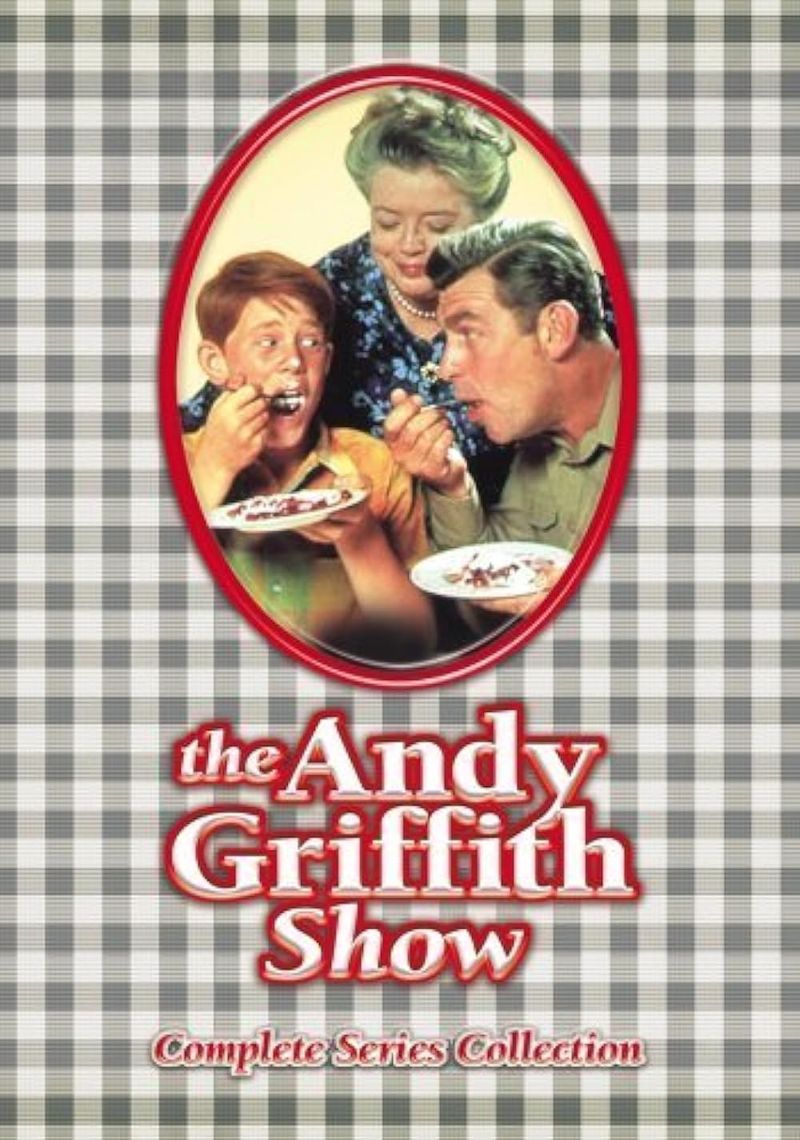
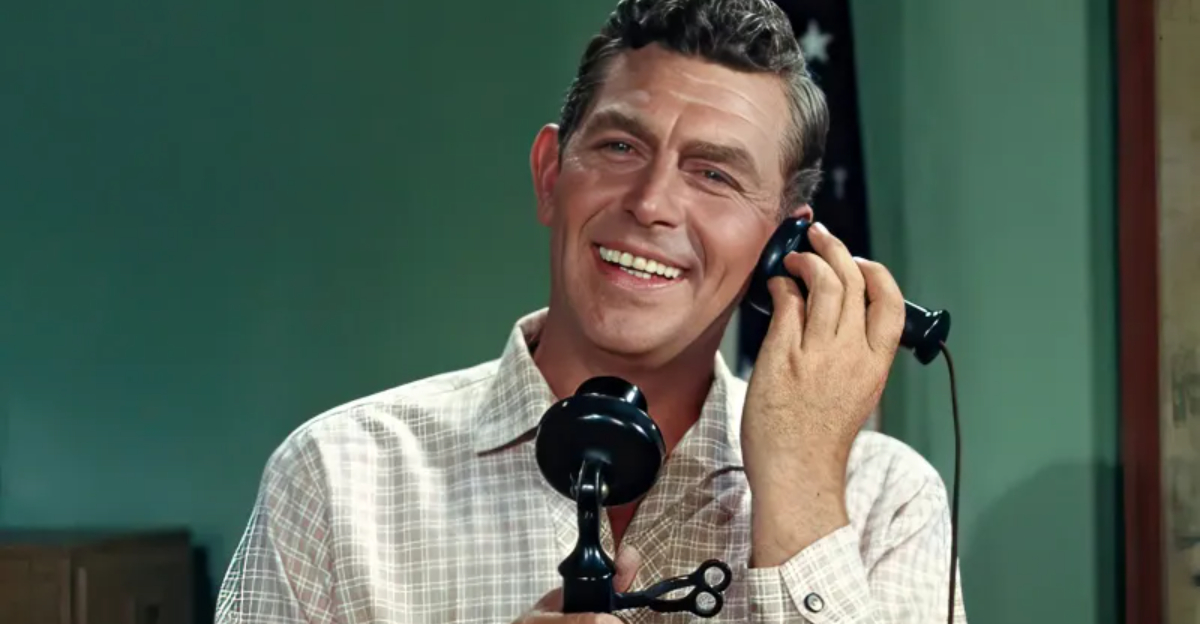
Mayberry felt like the kind of town everyone wished they had grown up in. “The Andy Griffith Show” aired from 1960 to 1968, and its relaxed, wholesome storytelling was a refreshing contrast to the turbulent world outside.
Sheriff Andy Taylor and his bumbling deputy Barney Fife turned everyday small-town life into pure comedy gold.
Don Knotts won five Emmy Awards for his role as Barney, a record that still impresses today.
The show never needed big drama or shocking twists to keep people watching.
Instead, it relied on warmth, wit, and genuine human connection.
Many Baby Boomers still quote lines from the show and say it reminds them of a simpler, kinder time in American life.
5. I Love Lucy
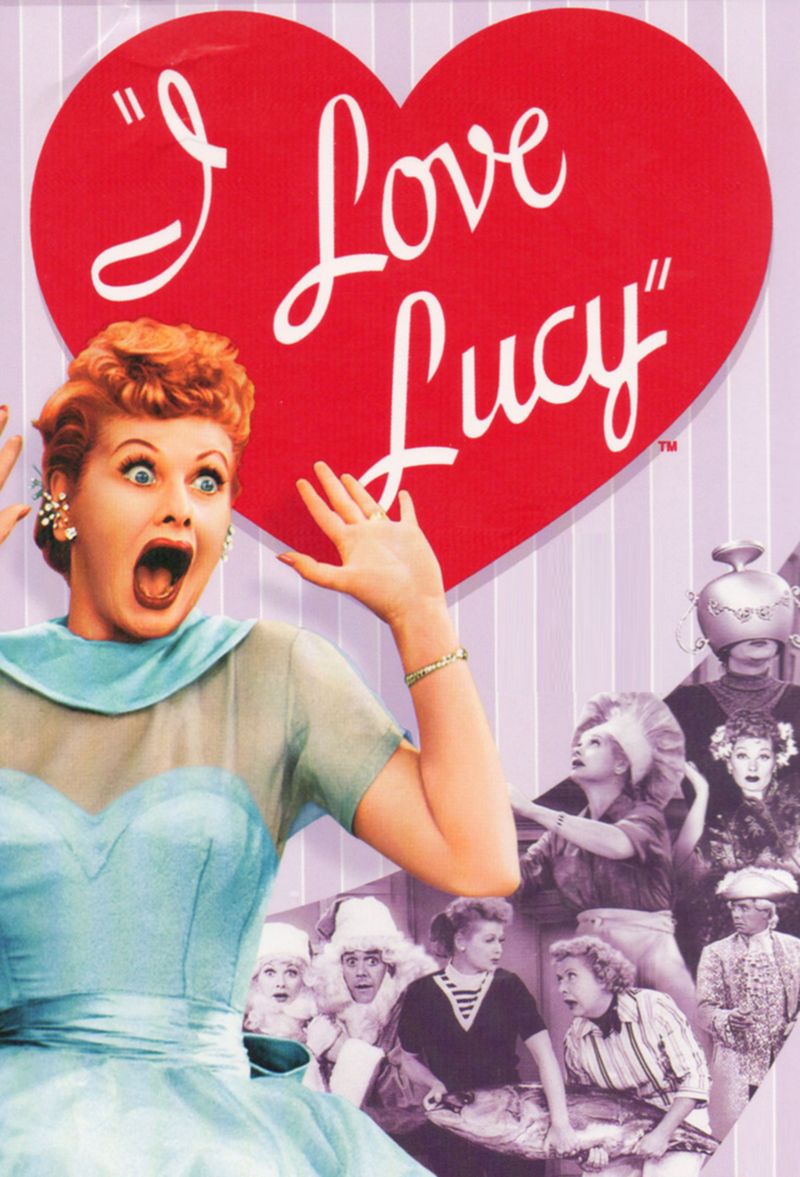
Before “I Love Lucy,” television comedy had never quite seen anything like Lucille Ball.
Her physical comedy, wild timing, and fearless willingness to look ridiculous set a completely new standard for what a sitcom could be.
Premiering in 1951, the show followed Lucy Ricardo’s endless schemes to break into show business while her bandleader husband Ricky tried to maintain order.
The chocolate factory scene and the grape-stomping episode remain some of the most rewatchable moments in TV history. “I Love Lucy” was the first show to be filmed before a live studio audience with three cameras, a format still used today.
Ball’s influence on comedy and television production cannot be overstated.
She was, quite simply, a trailblazer.
6. The Twilight Zone
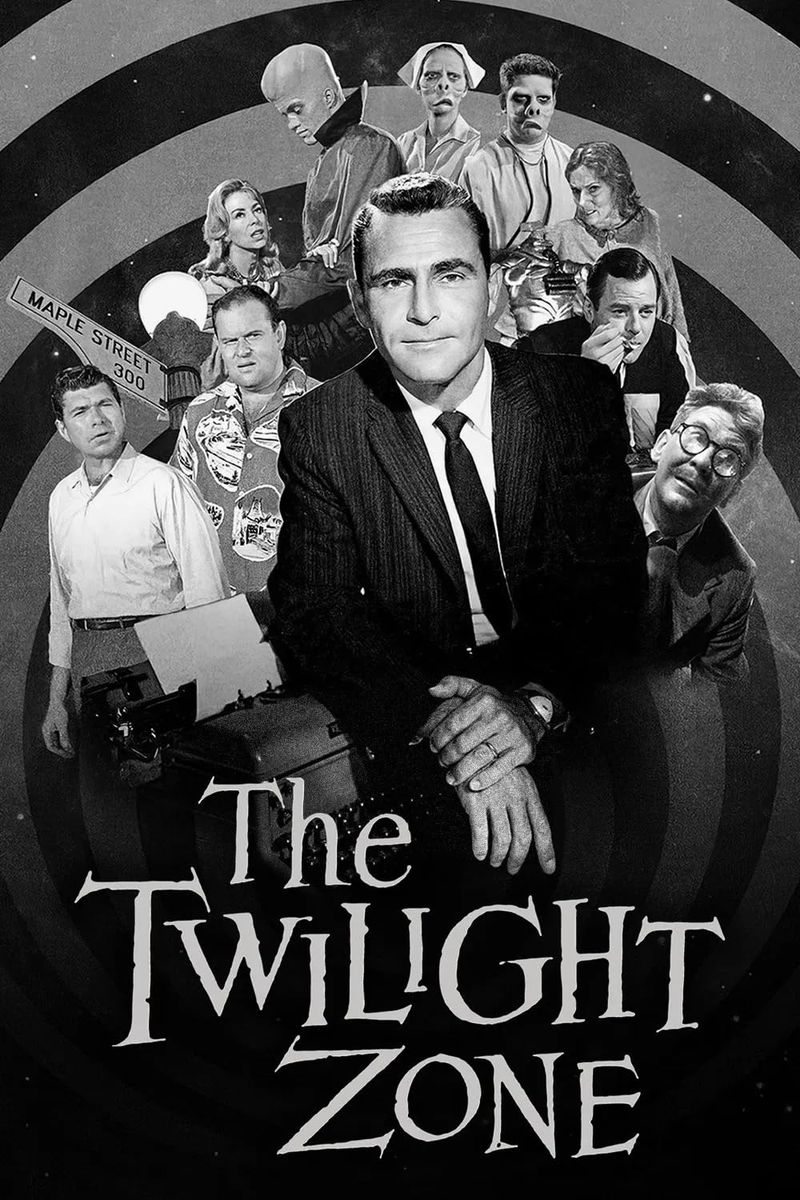
Rod Serling had a gift for making viewers deeply uncomfortable in the best possible way. “The Twilight Zone,” which ran from 1959 to 1964, used science fiction and fantasy to explore the darkest corners of human nature.
Each episode was a self-contained story with a twist ending that left audiences stunned, laughing nervously, or lying awake at night.
The show tackled prejudice, war, conformity, and fear with a sharpness that straight dramas rarely attempted.
Serling’s opening narrations became iconic, instantly signaling that something extraordinary was about to unfold.
Baby Boomers who watched as kids often say certain episodes still give them chills. “The Twilight Zone” proved that thoughtful storytelling wrapped in genre fiction could change the way people think.
7. Leave It to Beaver
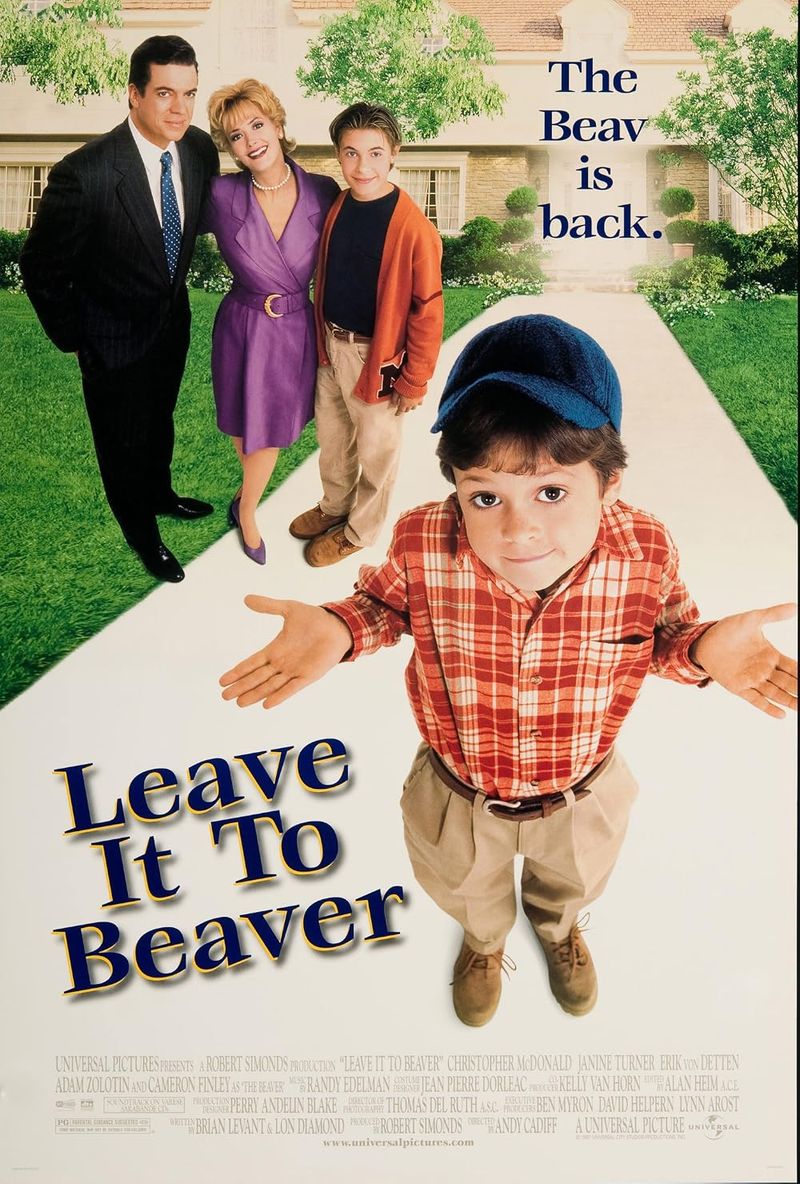
“Leave It to Beaver” captured a version of American family life that felt both idealized and oddly comforting.
From 1957 to 1963, young Beaver Cleaver navigated childhood mishaps while his parents Ward and June offered patient, measured guidance.
The show’s world was tidy, safe, and full of gentle lessons about honesty and responsibility.
Looking back, some aspects of the show feel dated, but the heart of it still rings true.
Beaver’s curiosity and his brother Wally’s protectiveness made the sibling relationship feel genuinely real.
Jerry Mathers and Tony Dow had natural chemistry that never seemed forced or scripted.
For Baby Boomers, watching Beaver fumble through childhood often felt like seeing their own experiences reflected back on screen.
8. The Beverly Hillbillies
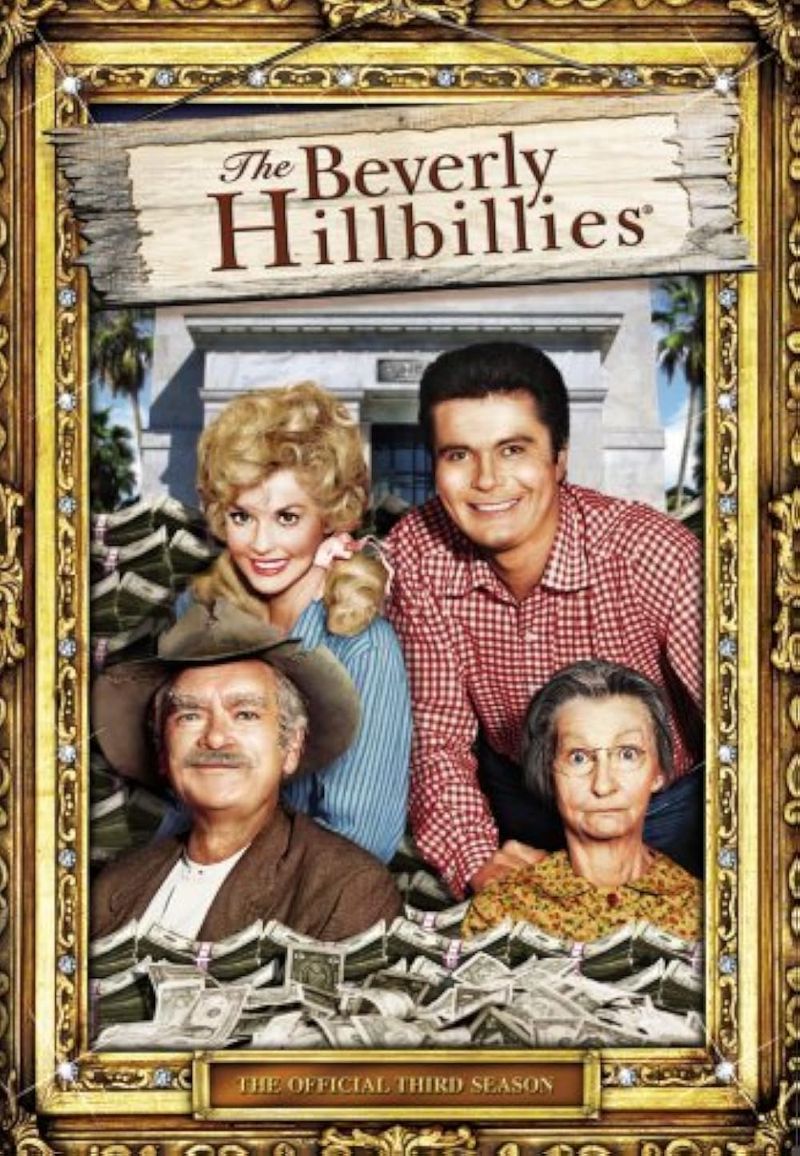
The premise was simple, almost ridiculous, and audiences absolutely loved it.
A poor mountain family strikes oil, becomes fabulously wealthy, and moves to Beverly Hills, where absolutely nothing makes sense to them. “The Beverly Hillbillies” ran from 1962 to 1971 and became one of the highest-rated shows of its era almost immediately.
The humor came from watching the Clampetts interact with a world that was completely foreign to their rural upbringing.
Granny’s cooking, Elly May’s critters, and Jed’s unshakeable common sense made for a combination that never got old.
At its height, the show attracted over 60 million viewers per episode.
Baby Boomers adored its playful poke at class differences and its celebration of plain-spoken, everyday wisdom.
9. Bewitched
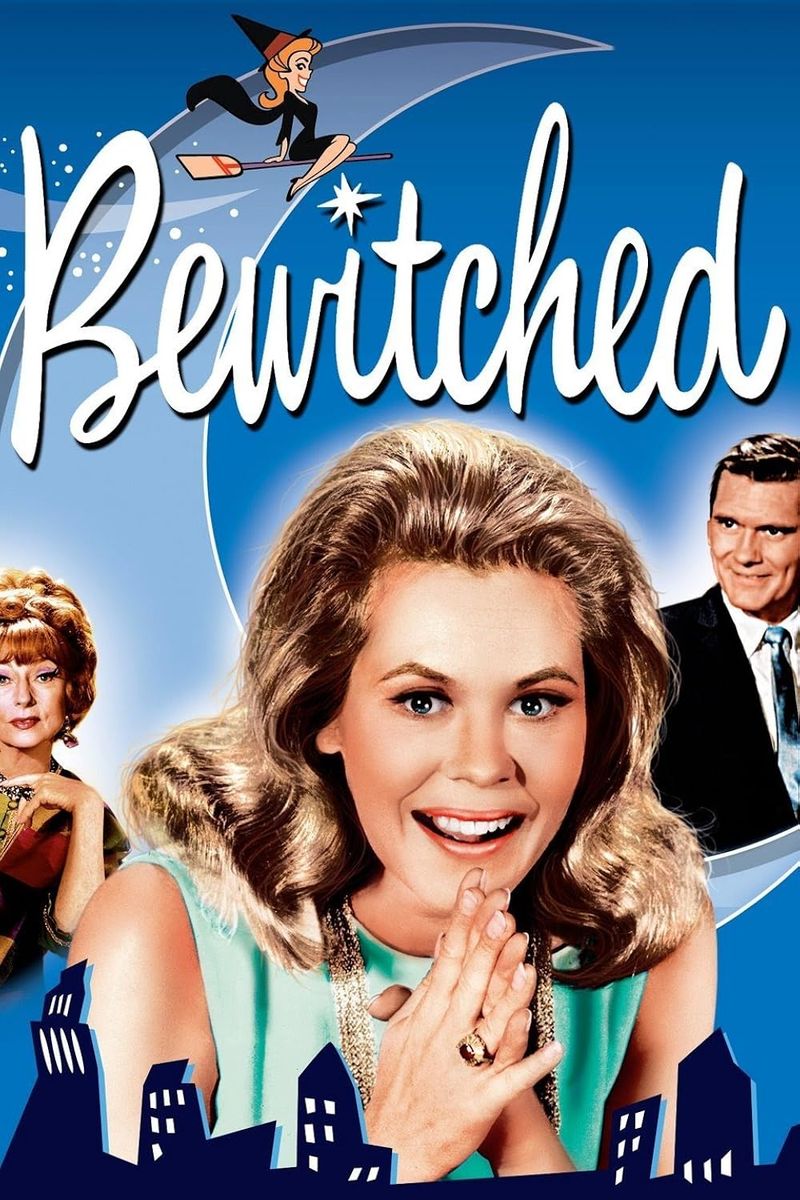
What would happen if a witch married an ordinary advertising executive and tried to live a normal suburban life? “Bewitched” answered that question with six seasons of magical chaos and domestic comedy.
Elizabeth Montgomery’s portrayal of Samantha Stephens was charming, clever, and surprisingly layered for a sitcom of that era.
The show ran from 1964 to 1972, and its central tension, Samantha trying to suppress her powers to please her husband Darrin, actually sparked real conversations about independence and identity.
Agnes Moorehead’s Endora, Samantha’s meddling mother, stole nearly every scene she appeared in.
Baby Boomers who grew up watching “Bewitched” often credit it as one of the first shows that made them think about what it means to hide who you truly are.
10. Gilligan’s Island
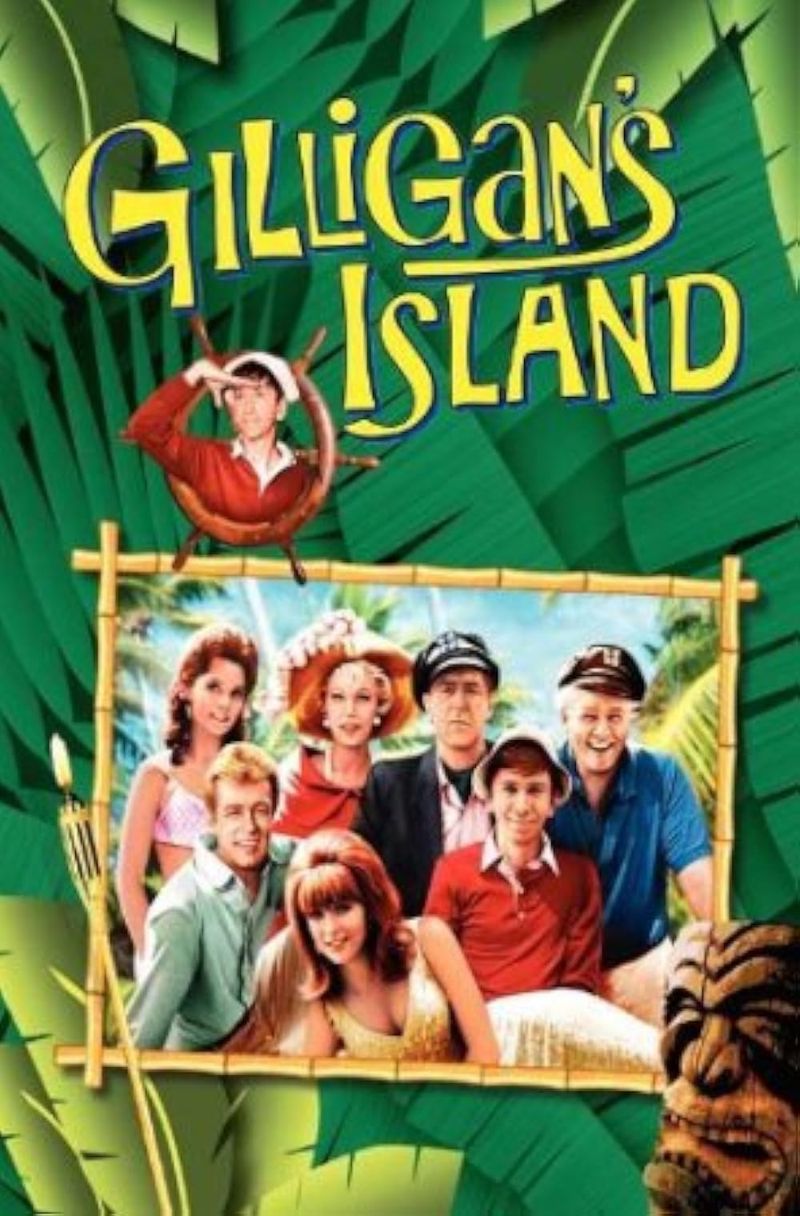
A three-hour tour that never ended gave American television one of its quirkiest and most beloved comedies. “Gilligan’s Island” ran from 1964 to 1967, following seven very different castaways stranded on an uncharted island after a shipwreck.
The show made no pretense of realism, and that was exactly the point.
Each episode featured a new scheme to get rescued, usually derailed by Gilligan’s well-meaning blunders.
The cast chemistry was electric, from the Professor’s endless inventions to Thurston Howell III’s oblivious wealth.
Kids and adults alike found something to laugh at every week.
Even though it only ran three seasons, its cultural footprint is enormous.
Baby Boomers still hum the theme song without even thinking about it, which says everything.
11. The Brady Bunch
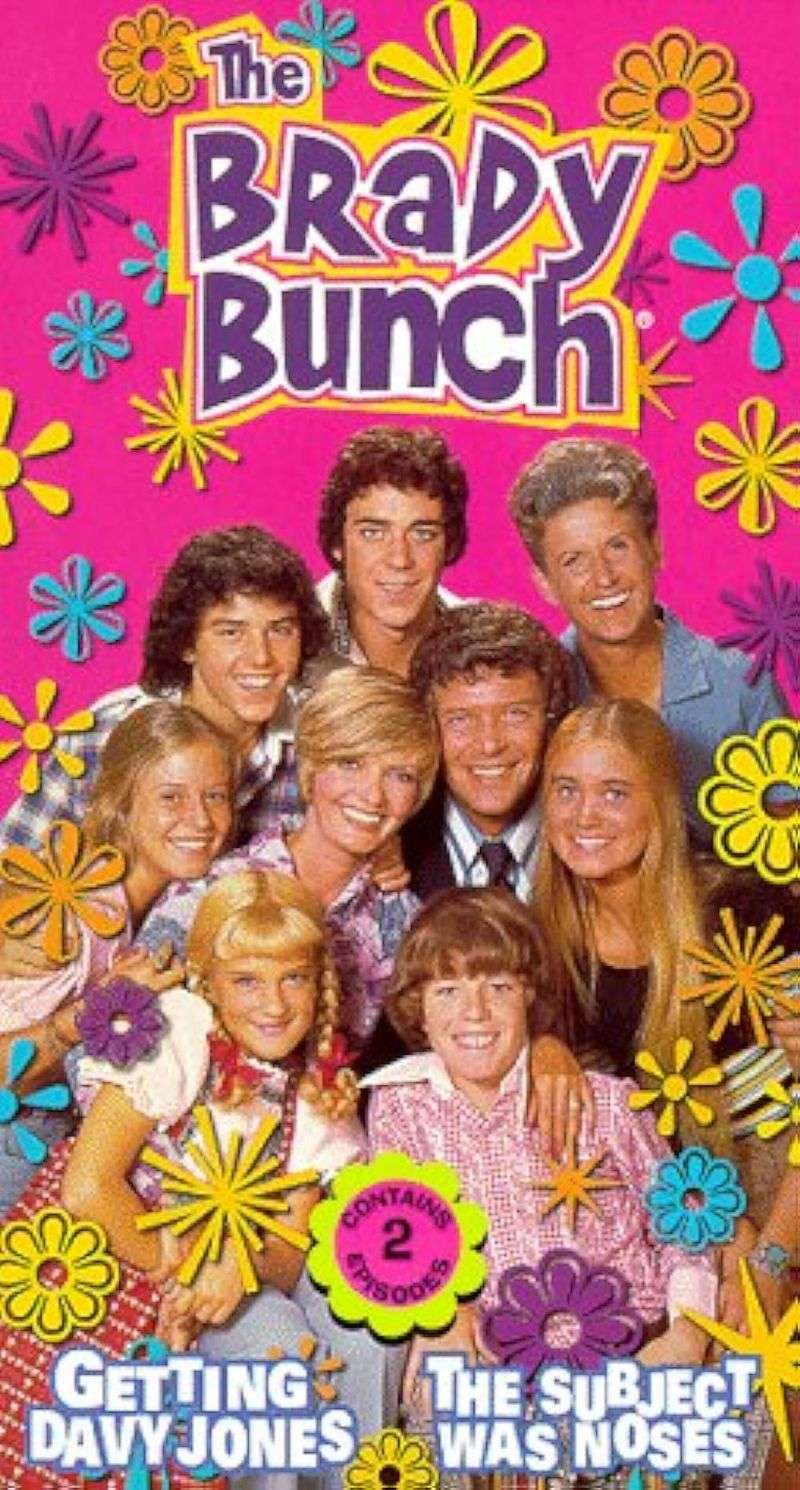
Blended families were not often shown on television in the late 1960s, but “The Brady Bunch” made it look like the most natural thing in the world.
Premiering in 1969, the show followed Mike Brady, a widowed architect, and Carol Martin, a widow with three daughters, as they merged their families and navigated everyday life together.
The show ran until 1974 and became a defining piece of 1970s pop culture.
Bobby’s obsession with Jesse James, Marcia’s endless popularity, and Jan’s famous “Marcia, Marcia, Marcia!” outburst became part of the American cultural vocabulary.
Baby Boomers who watched it as kids passed it down to their own children.
Its cheerful optimism about family life made it endlessly comforting, even during challenging times.
12. The Carol Burnett Show
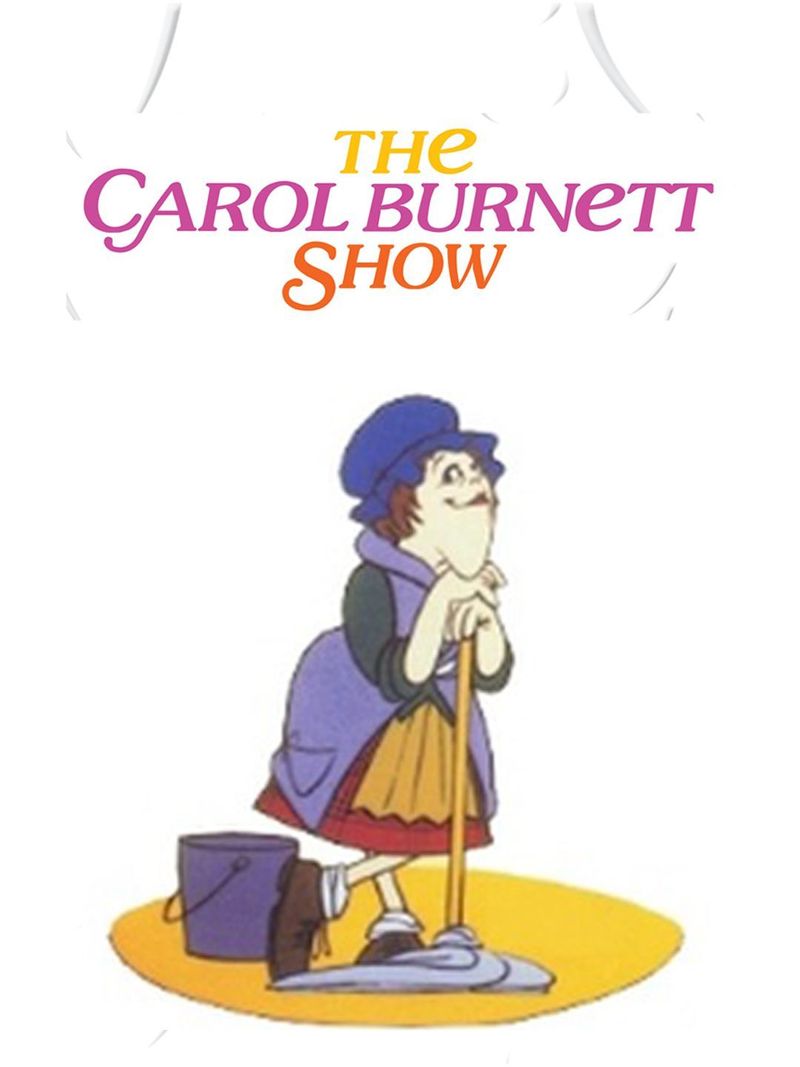
Carol Burnett walked out each week, tugged her ear as a secret signal to her grandmother watching at home, and then proceeded to make everyone forget their troubles for an hour. “The Carol Burnett Show” ran from 1967 to 1978 and set the gold standard for television sketch comedy.
Burnett’s fearlessness as a performer, combined with her extraordinary cast, made every episode feel like a party.
Tim Conway and Harvey Korman’s ability to make each other break character became legendary.
The show’s parody of “Gone with the Wind,” where Burnett wore curtains complete with the curtain rod, remains one of the funniest moments in TV history.
Baby Boomers consistently rank this show among their all-time favorites, and it is not hard to understand why.
13. Happy Days
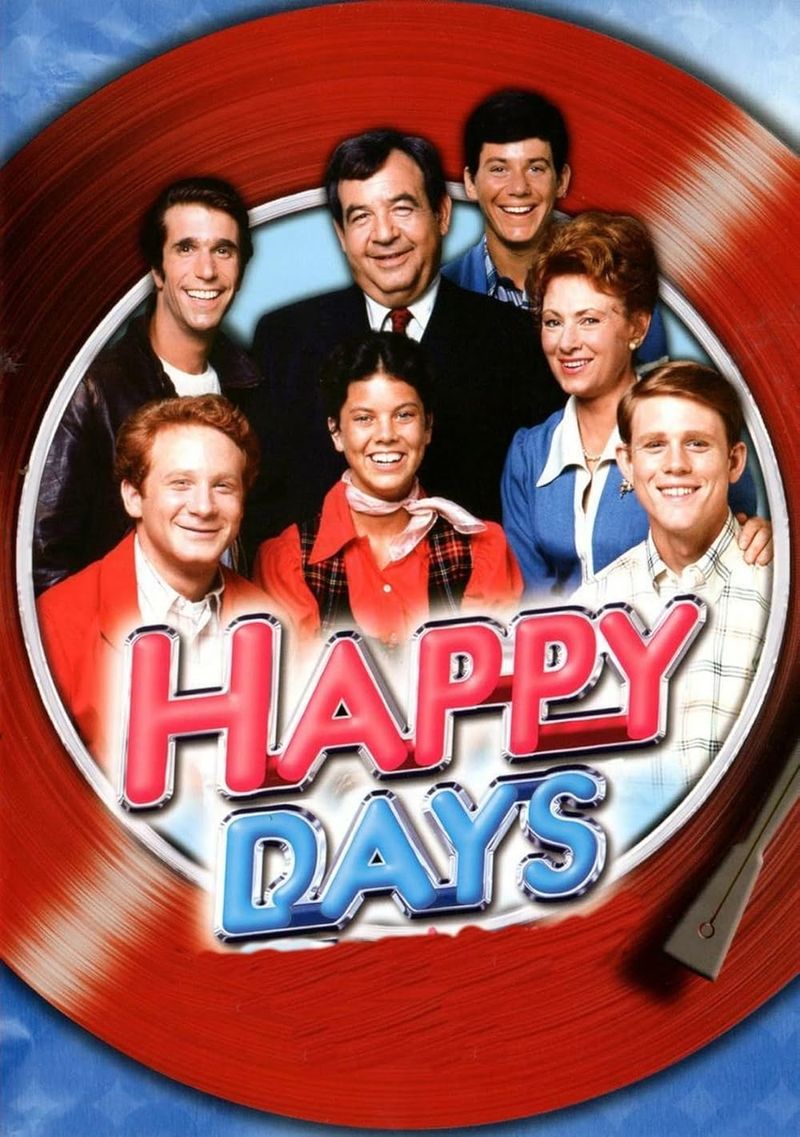
Arthur “Fonzie” Fonzarelli became one of the most iconic television characters of the 1970s, and nobody saw it coming. “Happy Days” premiered in 1974 and was originally centered on Richie Cunningham’s wholesome coming-of-age story in 1950s Milwaukee.
But Henry Winkler’s leather-jacketed, motorcycle-riding Fonzie quickly became the breakaway star.
The show ran until 1984 and introduced phrases like “Sit on it” and “Ayyy” into everyday conversation.
It gave Baby Boomers a warm, rose-tinted look back at their own childhoods through Richie’s eyes.
Ron Howard brought an earnest likability to the role that grounded the show beautifully.
Even the less celebrated later seasons had a loyal audience that simply could not let go of the Cunningham family’s world.
14. All in the Family
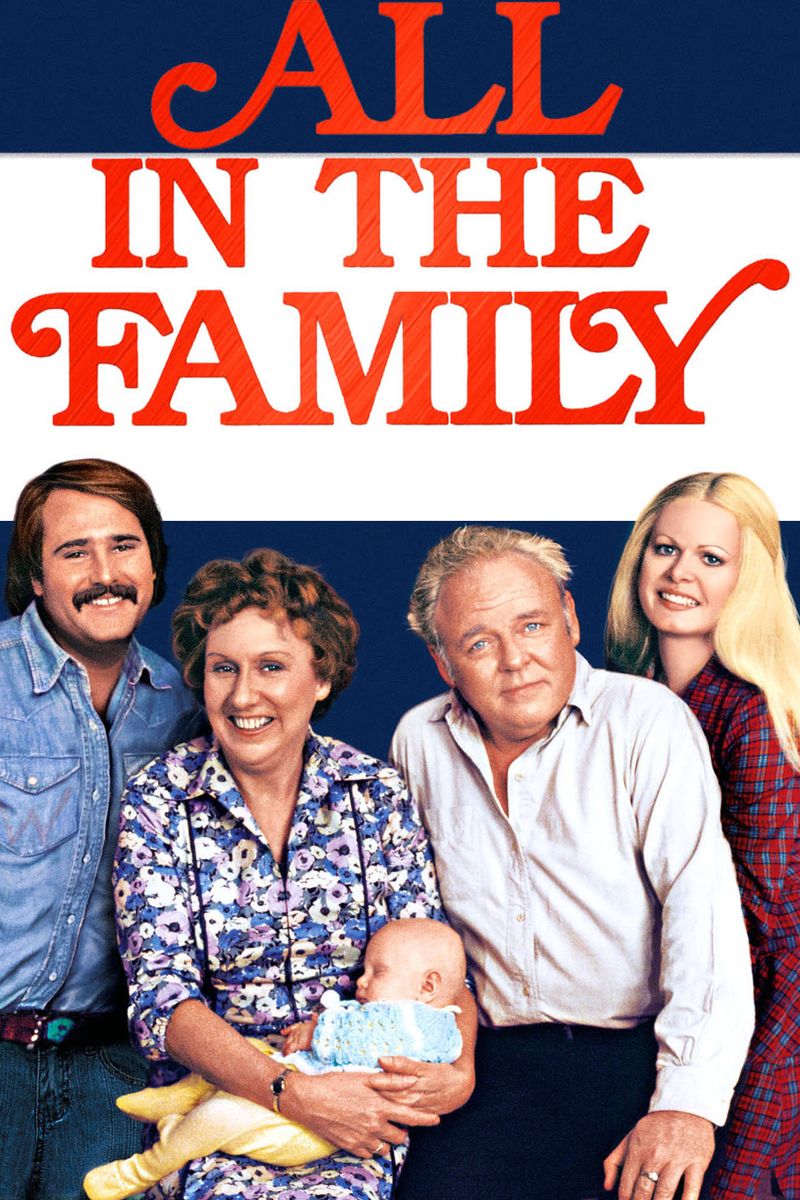
Television had never quite heard anything like Archie Bunker before 1971. “All in the Family” arrived like a thunderclap, introducing a bigoted, loud-mouthed blue-collar worker who said things on television that had never been said before.
Creator Norman Lear used Archie’s prejudices not to celebrate them, but to hold them up to the light and let audiences examine them honestly.
Carroll O’Connor’s performance was so nuanced that viewers who agreed with Archie and viewers who despised him both felt seen.
The show ran until 1979 and won the Emmy for Outstanding Comedy Series five years in a row.
Baby Boomers credit it with changing what television was allowed to address.
It made American audiences look at themselves, which was not always comfortable but was always necessary.
15. M*A*S*H
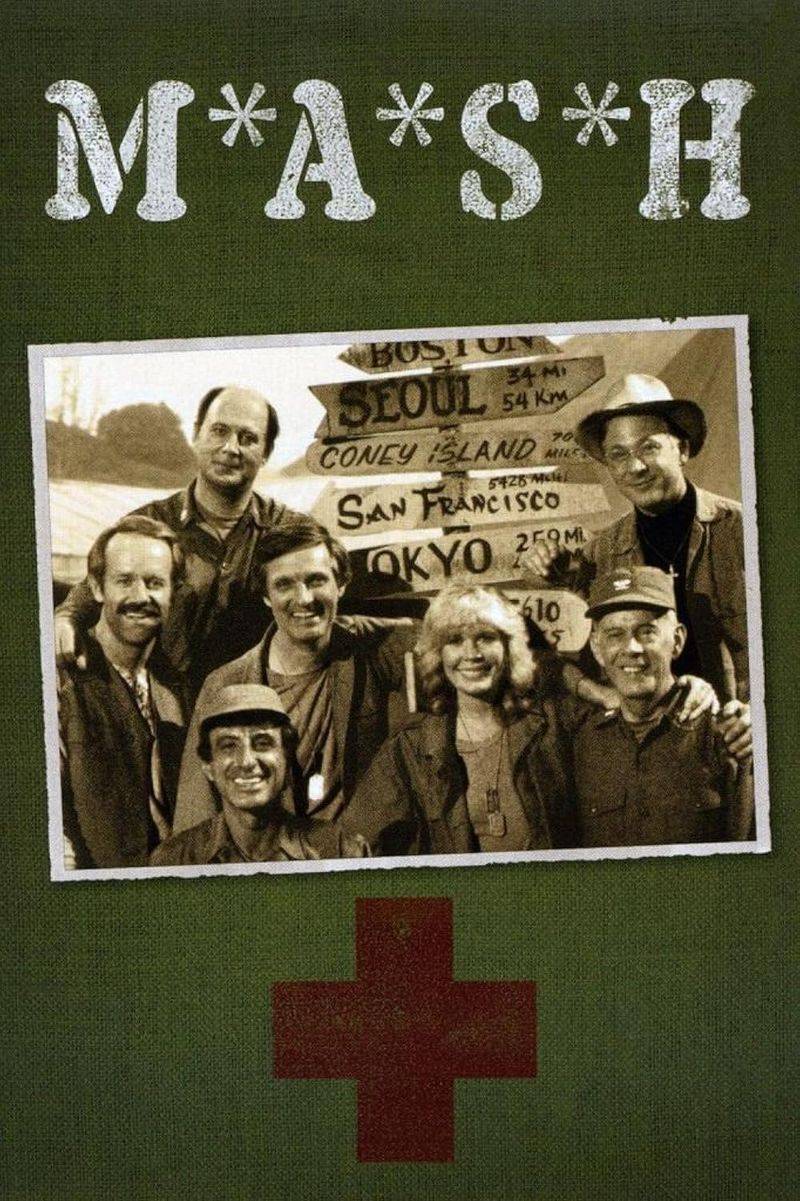
Set during the Korean War but very much speaking to the Vietnam era, “M*A*S*H” managed to be both hilarious and heartbreaking in the same episode.
The show premiered in 1972 and ran until 1983, with its series finale drawing 106 million viewers, still the largest audience in American TV history.
That number alone tells you how deeply people were invested.
Alan Alda’s Hawkeye Pierce became a symbol of the reluctant hero, someone who used humor as armor against the horrors around him.
The show never let viewers forget the cost of war, even while making them laugh.
Baby Boomers who watched it during the Vietnam years say it gave them a way to process feelings they could not always put into words.
16. The Mary Tyler Moore Show
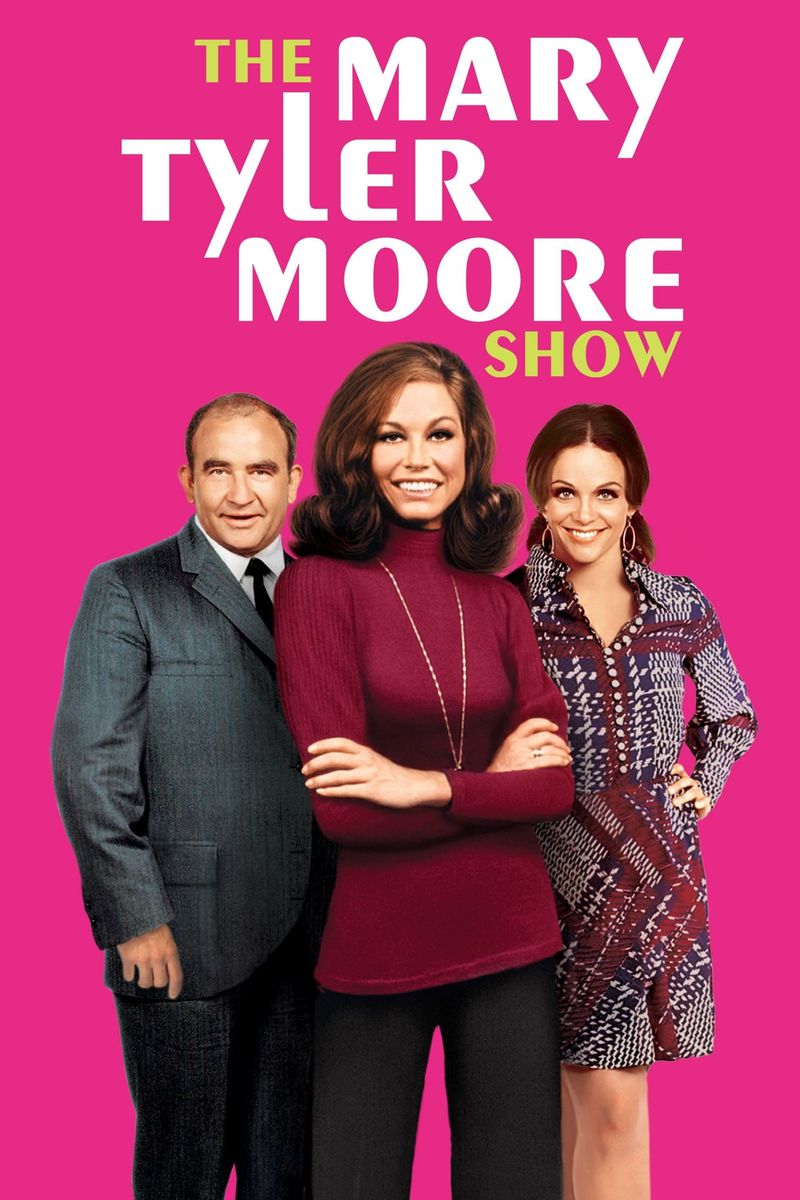
Mary Richards tossing her hat into the Minneapolis sky became one of the most recognizable images in television history, and it perfectly captured what the show was about.
“The Mary Tyler Moore Show” ran from 1970 to 1977 and told the story of a single woman in her 30s building a career in television news without any romantic storyline driving her forward.
That was genuinely radical for its time.
Mary was competent, funny, occasionally flawed, and completely her own person.
The ensemble cast, including Ed Asner’s gruff Lou Grant and Betty White’s delightfully catty Sue Ann Nivens, was among the best ever assembled for a sitcom.
Baby Boomers, especially women, often say this show made them feel like their own ambitions were valid and worth chasing.