 MomSkoop

Getting dressed should feel like an act of confidence, not confusion. After 70, your personal style deserves to shine more than ever, yet a few common missteps can quietly work against the polished look you’re going for.
The good news is that elegance at any age isn’t about spending more money or following every trend. Knowing what to avoid is just as powerful as knowing what to wear.
1. Wearing Every Trend Instead of Choosing a Signature Style
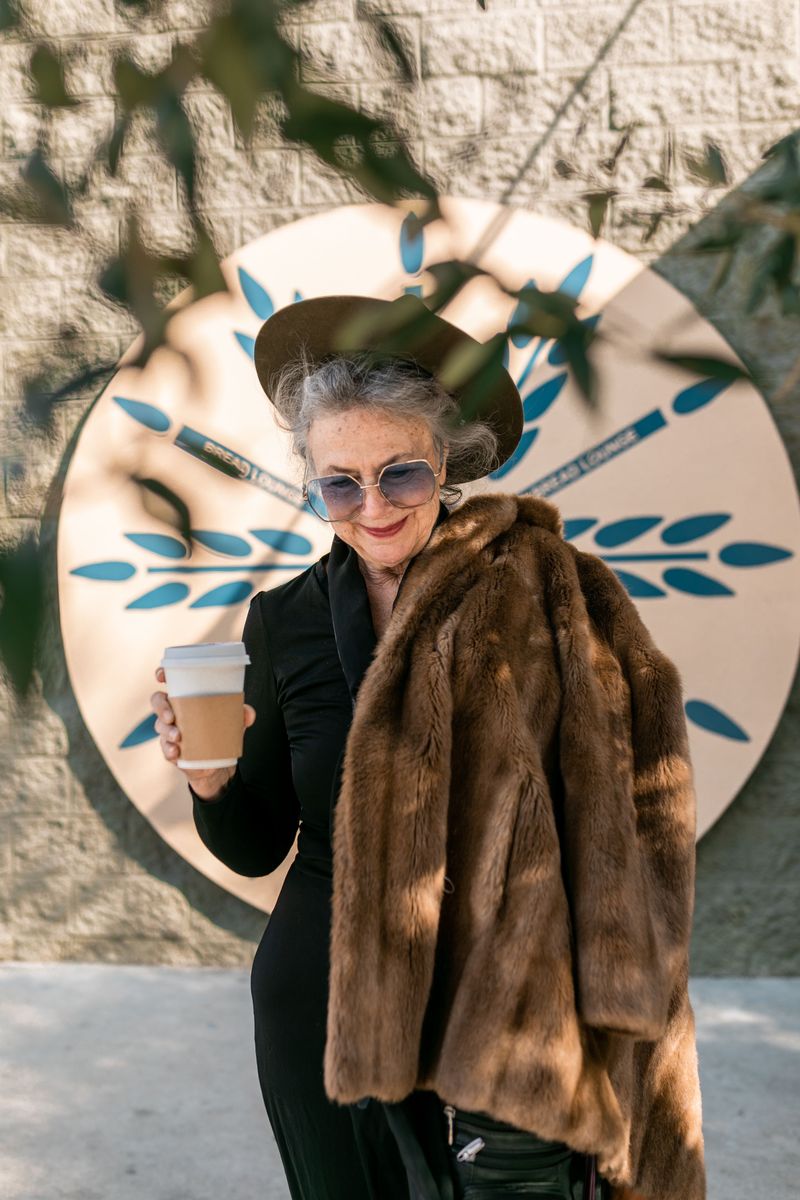
Fashion trends move fast, and chasing all of them at once is a recipe for a closet that feels chaotic.
When your wardrobe lacks a consistent thread, outfits can look scattered rather than intentional.
A signature style, on the other hand, tells the world exactly who you are without saying a word.
Think about the colors, silhouettes, and fabrics that have always made you feel your best.
Build around those.
You can still enjoy a fresh trend now and then, but anchor it to pieces that feel authentically yours.
Elegance comes from intention, not accumulation.
2. Choosing Clothes That Are Too Oversized for Comfort
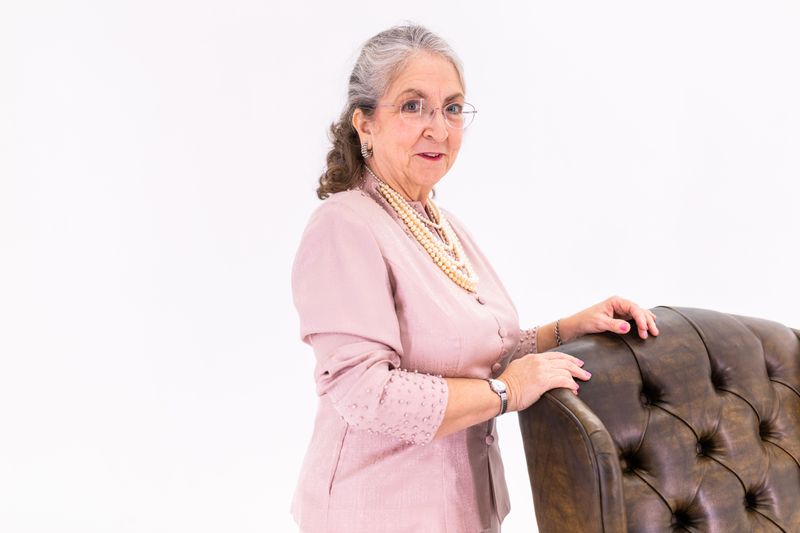
There’s a fine line between relaxed and shapeless.
Oversized clothing has its place in fashion, but when pieces are too large without intentional structure, they can swallow your frame whole.
The result often reads as sloppy rather than comfortable.
Comfort and fit are not enemies.
Many brands now offer relaxed silhouettes that are still tailored at the shoulder and waist, giving you ease of movement without sacrificing shape.
A well-fitting piece in a soft fabric can feel just as comfortable as a baggy one.
The difference shows up immediately in the mirror.
Aim for clothes that follow your body’s lines, even loosely.
3. Ignoring Proper Sleeve Length
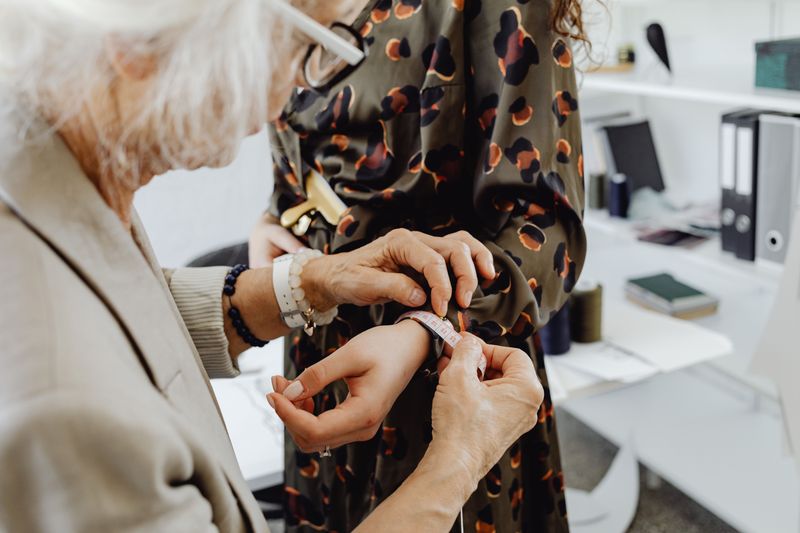
Sleeve length might seem like a minor detail, but it has a surprisingly large impact on how polished an outfit looks.
Sleeves that bunch at the wrist or creep past your hand make even a beautifully made jacket appear sloppy.
Too short, and the look can feel unfinished.
The ideal sleeve length for most tops and blazers hits right at the wrist bone or just above it.
If an otherwise perfect garment has sleeves that don’t quite work, a tailor can fix that quickly and inexpensively.
It’s one of the smallest adjustments with one of the biggest payoffs.
Don’t let a half-inch of fabric undermine an entire outfit.
4. Wearing Shoes That Look Orthopedic When Stylish Comfort Options Exist
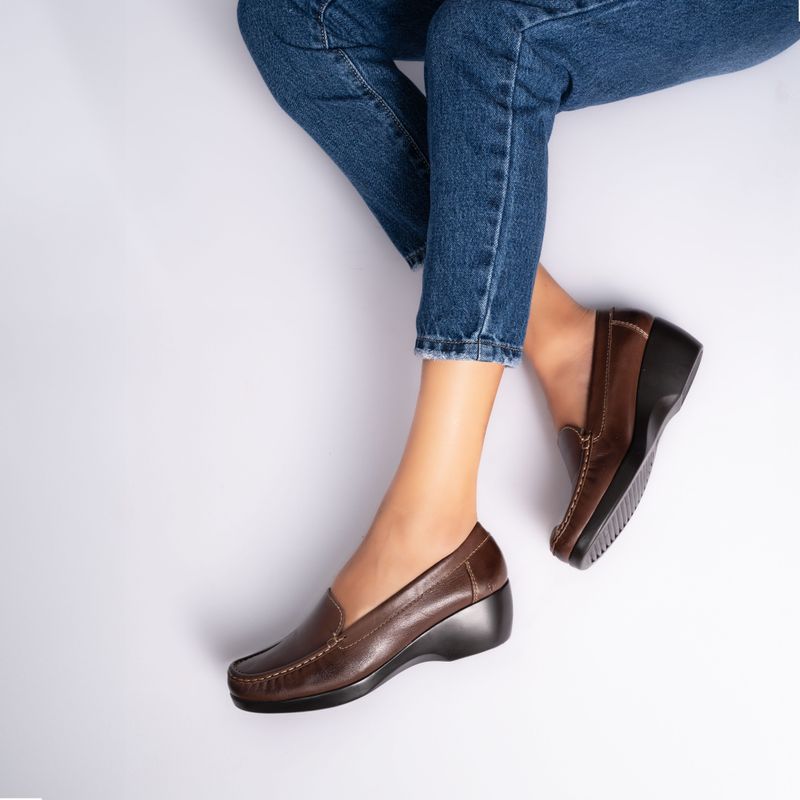
Foot comfort is absolutely non-negotiable, especially as we age.
But here’s something worth knowing: the days of choosing between comfort and style are largely behind us.
Modern footwear brands have made remarkable strides in designing shoes that support your feet without looking clinical.
Block heels, cushioned loafers, stylish walking shoes with arch support, and even elegant slip-ons now come with the kind of engineering that keeps your feet happy all day.
Look for shoes with wider toe boxes, memory foam insoles, and low stacked heels.
You deserve footwear that carries you through the day beautifully.
Clunky orthopedic-looking shoes are no longer your only comfortable option.
5. Letting Handbags Become Overstuffed and Misshapen
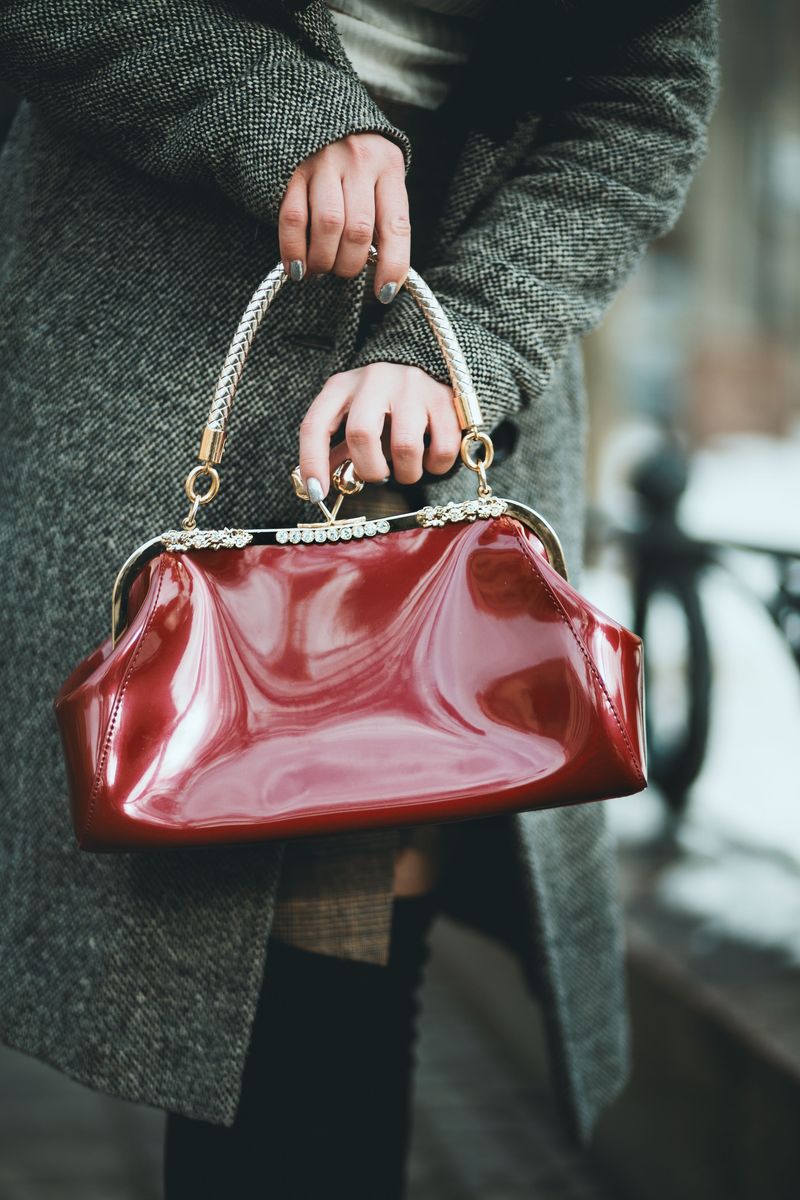
Your handbag is one of the first things people notice about your overall look, whether you realize it or not.
A beautiful bag that’s been stretched, stuffed, and left to sag at the sides can quietly pull an entire outfit down.
It signals disorganization even when everything else is perfectly put together.
Try using a bag organizer insert to keep your essentials neat and your bag’s shape intact.
Rotate between a couple of structured bags rather than loading one to its limit daily.
Cleaning out your bag regularly also helps maintain its form.
A well-kept handbag, even a modest one, adds a layer of quiet sophistication to any outfit.
6. Sticking to the Same Hairstyle for Decades
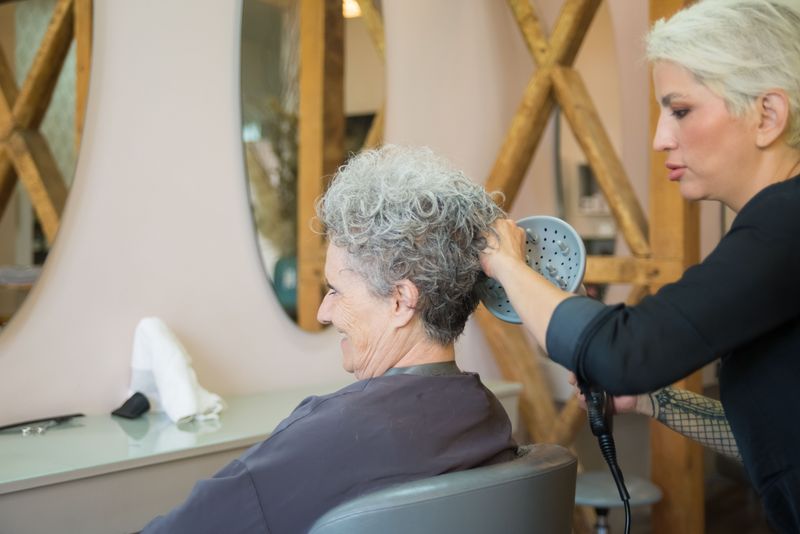
Loyalty to a hairstyle can feel like loyalty to yourself, but sometimes what worked beautifully in your 40s no longer serves your features the same way.
Hair texture, density, and face shape all change over time.
A cut that once felt flattering might now be working against you without you even noticing.
A subtle refresh doesn’t mean a dramatic change.
Soft layers, a slightly different part, or a texture treatment can breathe new life into your look without stepping outside your comfort zone.
Talk to a trusted stylist about what might suit your current features.
A small adjustment to your hairstyle can make your whole face look brighter, younger, and more vibrant.
7. Choosing Heavy, Outdated Eyeglass Frames
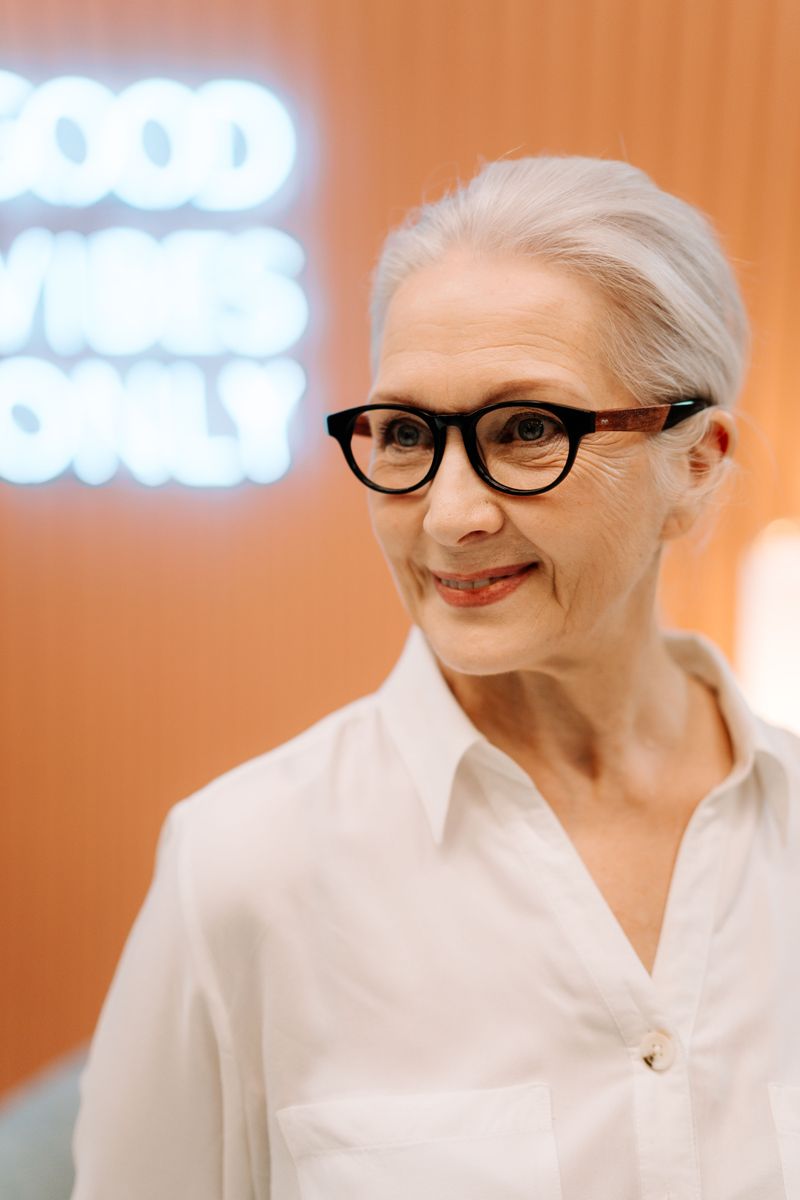
Glasses do more than help you see clearly.
They frame your entire face and can either enhance your best features or compete with them.
Heavy, thick frames in dated styles can add visual weight to your face and make your overall look feel stuck in a previous decade.
Modern frame options are wonderfully varied.
Lightweight metals, thin acetates, and subtle rimless styles can brighten your appearance and feel more contemporary.
The key is finding a shape that complements your face.
Round faces often benefit from angular frames, while square faces soften with rounder shapes.
Ask your optician to show you updated options during your next visit.
Your glasses are worn every single day, so they deserve real attention.
8. Wearing Fabrics That Wrinkle Within Minutes
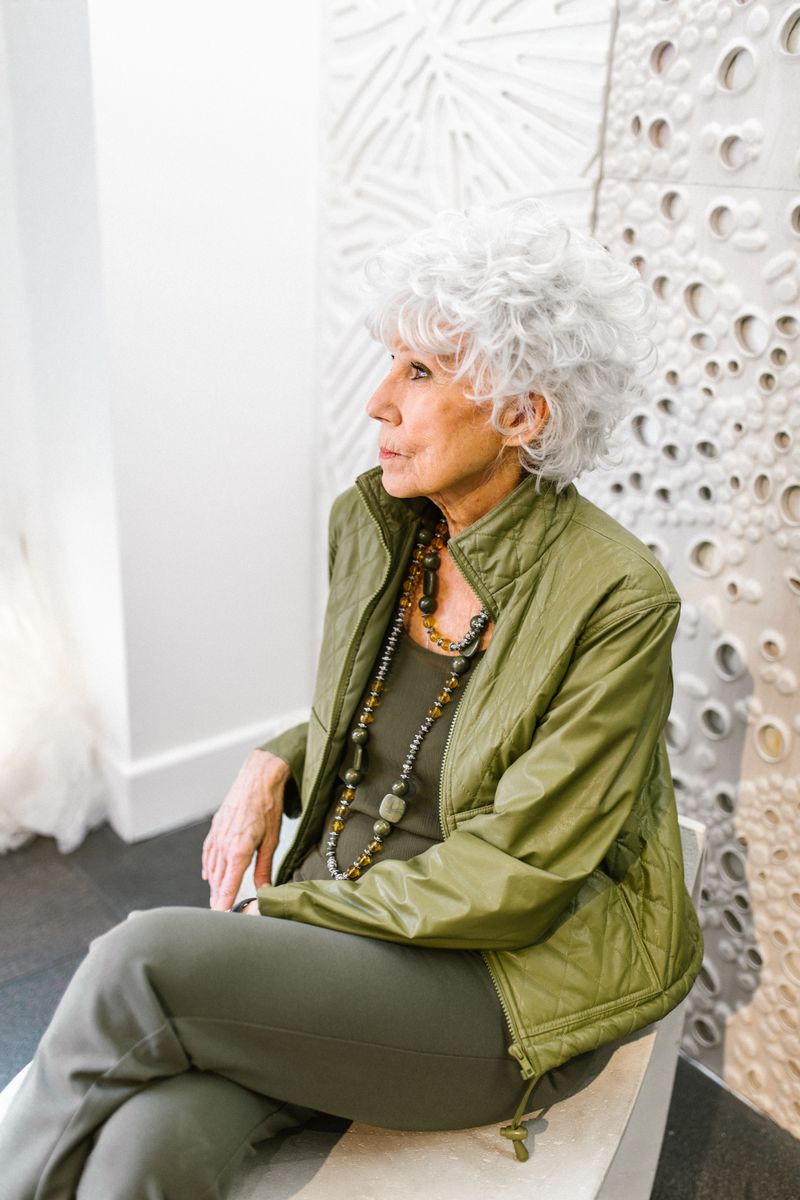
Pure linen and some lightweight cottons are beautiful fabrics, but they have one well-known flaw: they wrinkle at the slightest movement.
Wearing a fabric that creases easily means your outfit can look disheveled by mid-morning, no matter how carefully you started the day.
Linen blends, structured cotton, ponte knits, and quality stretch fabrics tend to hold their shape much longer throughout the day.
These materials offer breathability and comfort while keeping your look polished from morning to evening.
When shopping, do a quick scrunch test with the fabric in your hand.
If it bounces back smoothly, it’s likely a good choice.
Fabric selection is one of the easiest ways to maintain an effortlessly put-together appearance.
9. Forgetting About Clothing Proportions
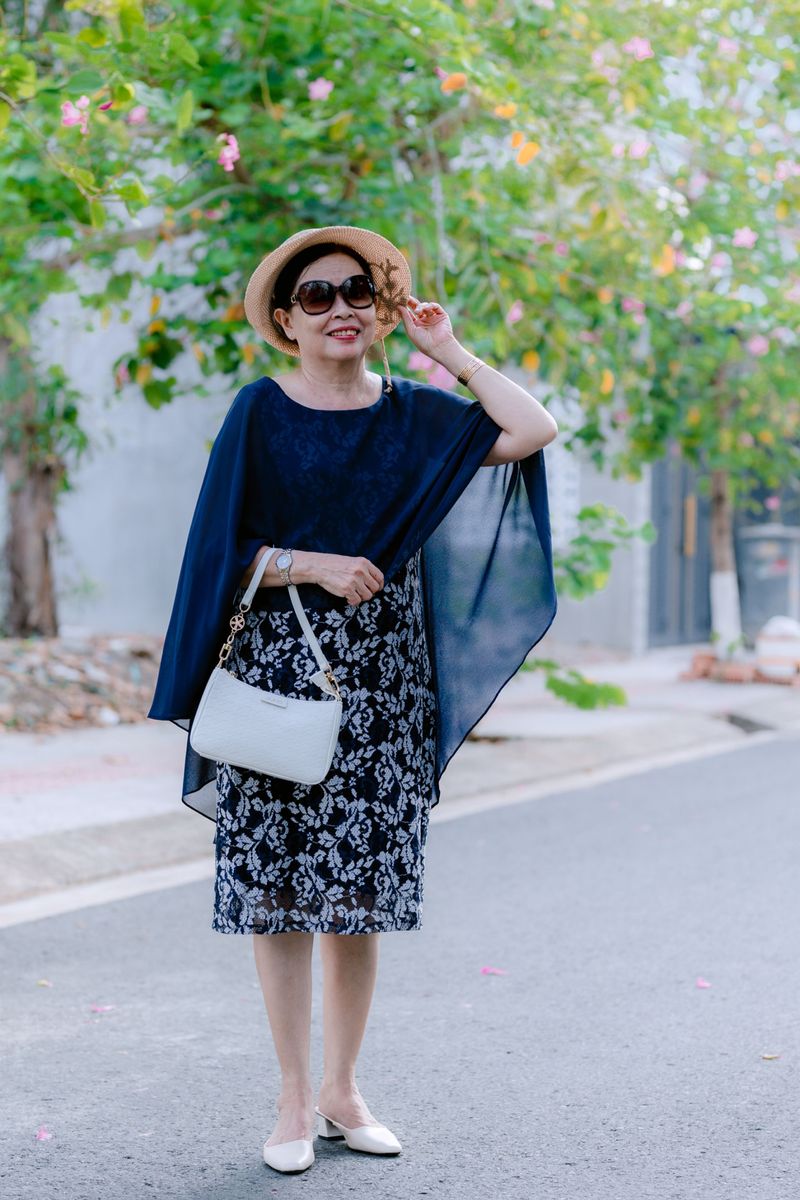
Proportions are the invisible architecture of a great outfit.
When two oversized pieces are worn together without balance, the result can feel heavy and overwhelming rather than relaxed and chic.
This is one of the most common style mistakes across all age groups, but it becomes especially noticeable after 70.
A simple rule of thumb: pair a voluminous piece with something more fitted.
Wide-leg trousers look wonderful with a tucked-in blouse or a tailored top.
An oversized sweater pairs beautifully with slim trousers or straight-leg jeans.
The goal is to create visual balance, so your outfit has a clear sense of shape.
Playing with proportion thoughtfully is actually one of the most powerful style tools available.
10. Neglecting Small Tailoring Adjustments
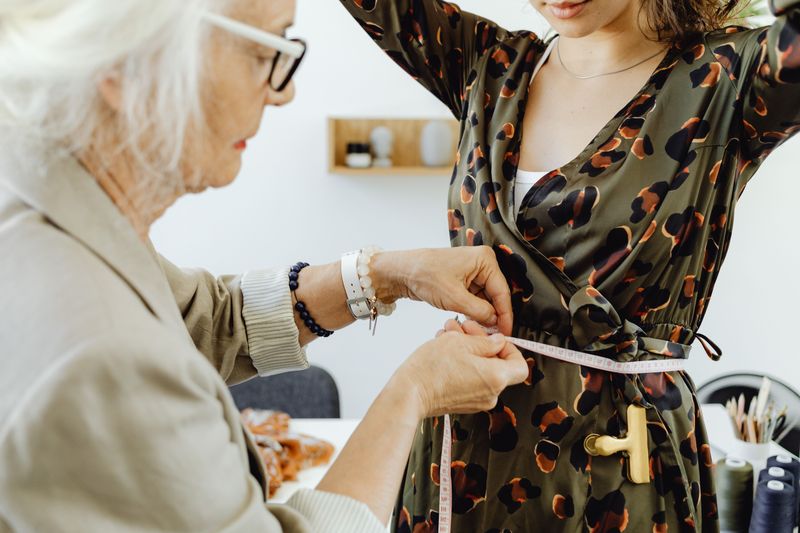
Off-the-rack clothing is made to fit a wide range of body types, which means it rarely fits any one person perfectly.
That’s not a flaw in you.
It’s simply how mass production works.
The secret many well-dressed people share is that they invest in small tailoring adjustments after purchase.
Hemming trousers, taking in a blazer at the sides, or shortening a sleeve can transform an affordable garment into something that looks custom-made.
A good tailor doesn’t have to be expensive, and many alterations cost far less than buying a new piece.
Think of tailoring as the final step in getting dressed, not a luxury reserved for special occasions.
It truly makes that much of a difference.
11. Relying on Statement Pieces in Every Outfit
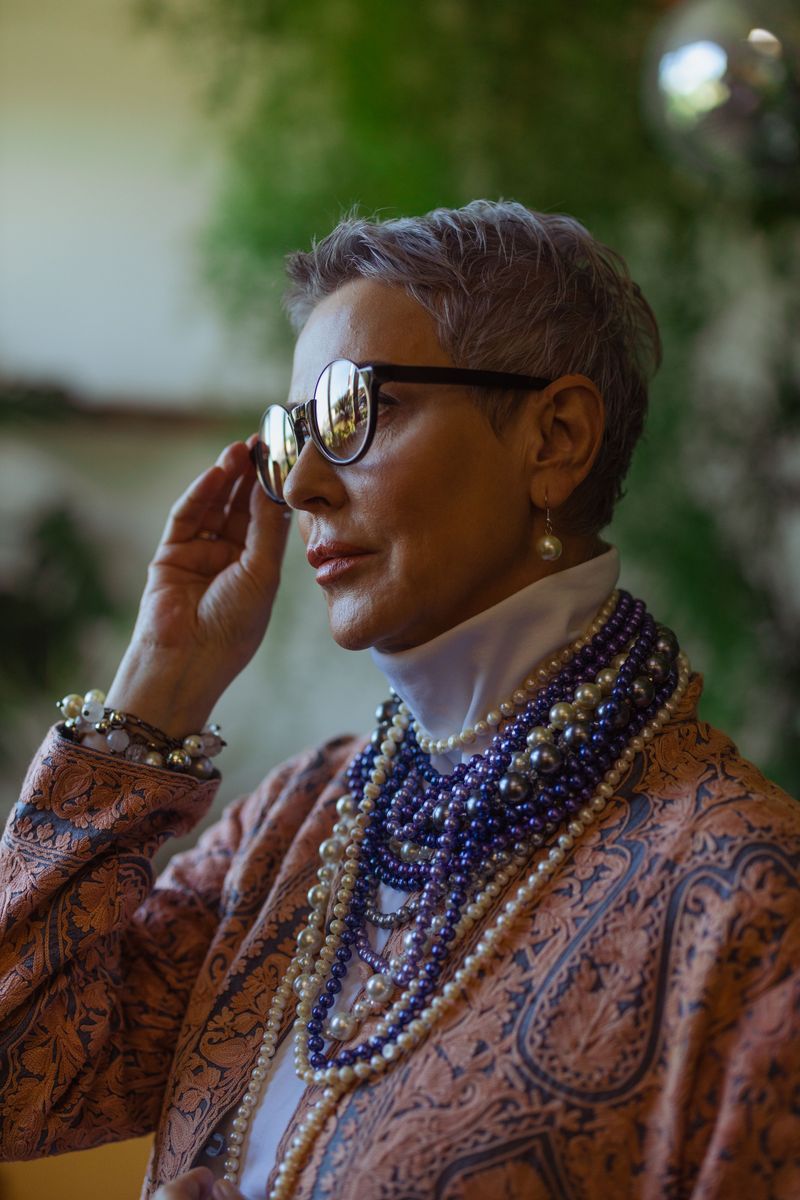
Statement pieces are wonderful.
A bold necklace, a vibrant scarf, or a printed jacket can elevate any outfit instantly.
But when every item in an outfit is competing for attention, the eye doesn’t know where to land, and the overall look loses its sense of calm and sophistication.
The most elegant outfits usually feature one standout element surrounded by quieter, complementary pieces.
Let your favorite bold necklace shine against a simple solid blouse.
Wear that printed skirt with a neutral top that lets the pattern breathe.
Restraint is not boring.
It’s actually a mark of confidence and refined taste.
Choosing one focal point per outfit is a habit that effortlessly elevates your style every single day.
12. Wearing Jewelry Without Considering Necklines
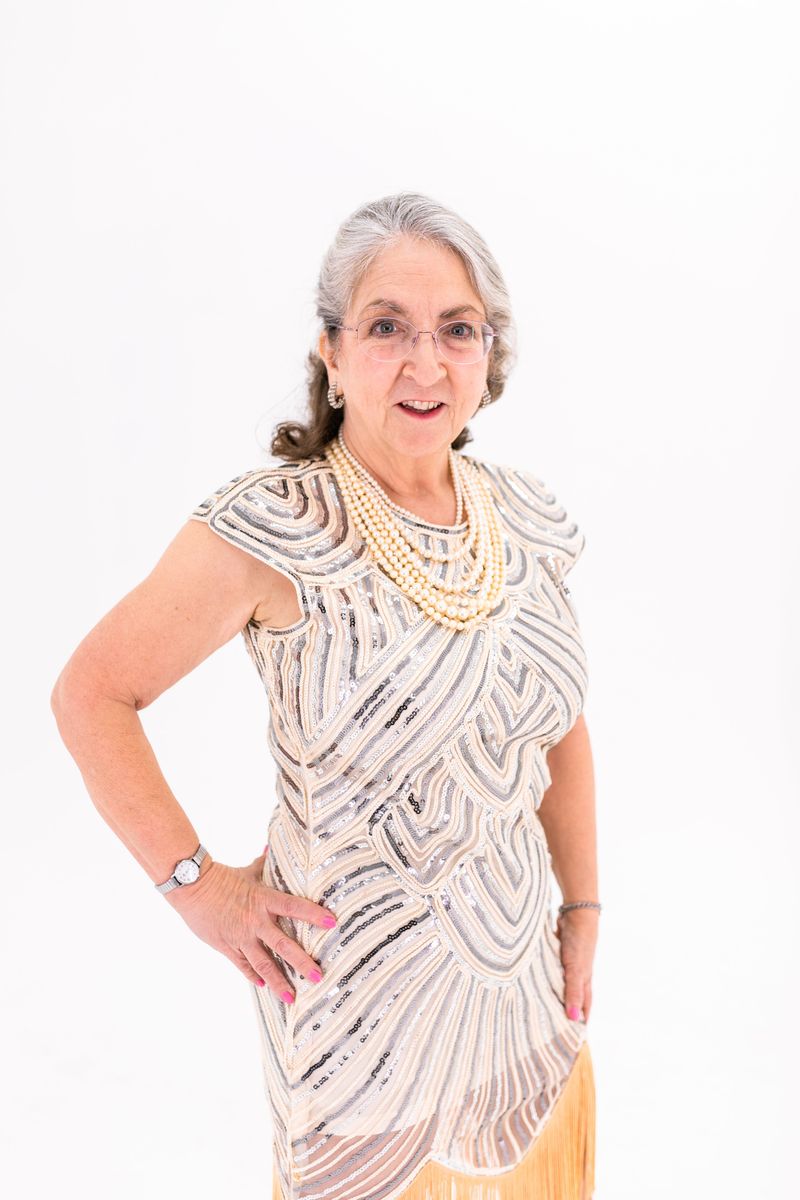
Jewelry and necklines are in a constant conversation, and when they clash, the result can look accidental rather than intentional.
A chunky necklace over a busy turtleneck competes for space.
A delicate chain lost inside a deep scoop neck simply disappears.
Neither outcome does justice to your accessories or your outfit.
Matching your jewelry to your neckline is a simple skill that pays off every time.
V-necks pair beautifully with pendant necklaces that follow the same line.
Crew necks invite statement necklaces that sit just above the collar.
Off-the-shoulder tops shine with chandelier earrings instead of necklaces.
Once you start thinking about necklines and jewelry together, your outfits will immediately feel more thoughtfully put together and refined.
13. Overlooking the Importance of Well-Maintained Clothing
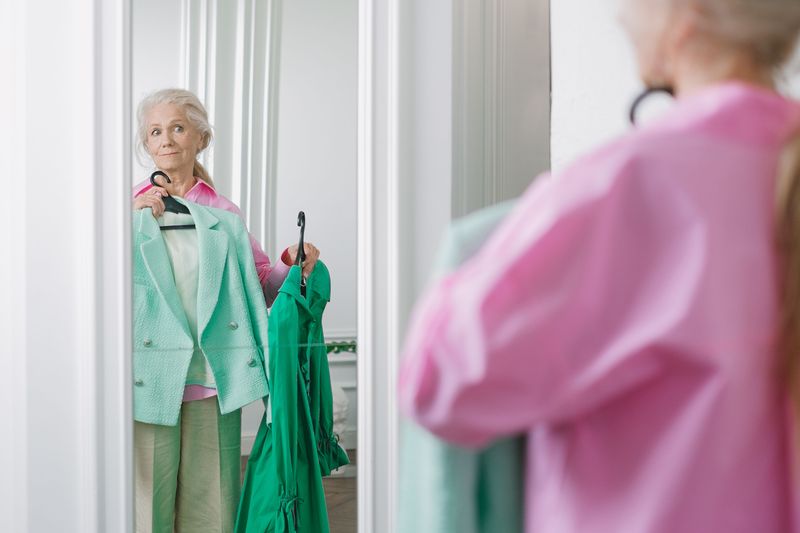
Even the most beautiful garment loses its charm when it’s faded, pilling, or missing a button.
Worn hems, stretched necklines, and dull colors can age an outfit far more than its original design ever would.
Clothing maintenance is one of the most underrated aspects of dressing elegantly.
Make a habit of checking your wardrobe regularly.
Remove pills with a fabric shaver, replace missing buttons promptly, and wash clothes according to their care labels to preserve color and texture.
Store knits folded rather than hung to prevent stretching.
A garment that’s well cared for looks expensive regardless of where it came from.
Elegance isn’t just about what you buy.
It’s very much about how you care for what you already own.