 MomSkoop
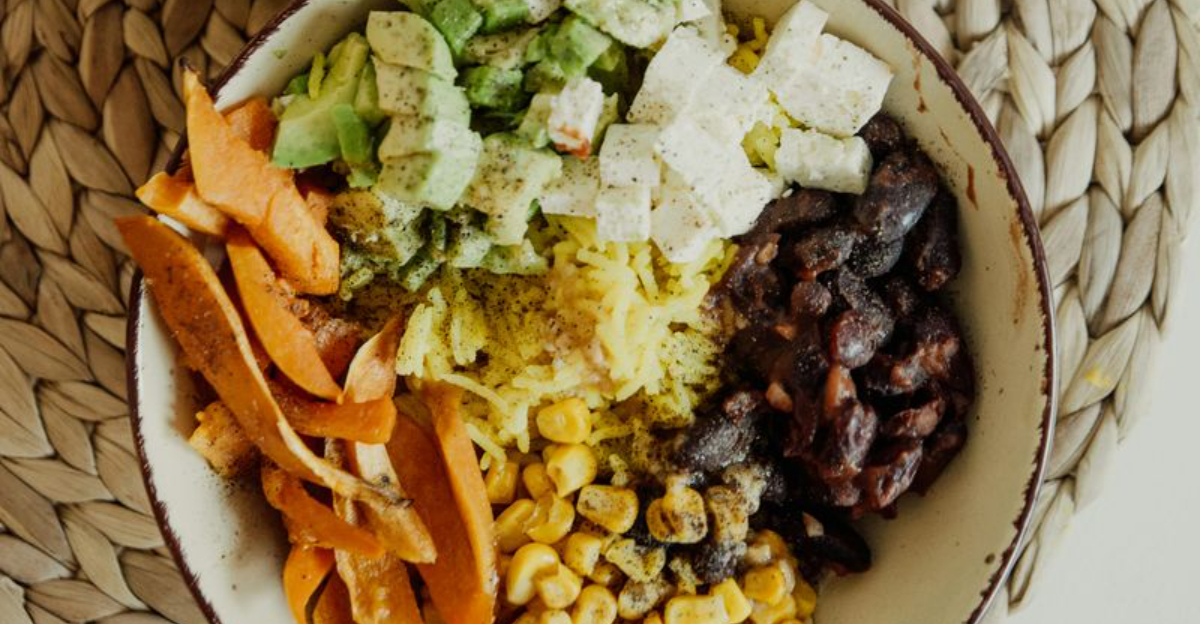
Eggs are often called the gold standard of protein, but they are not the only option on the table. Many other foods pack even more protein per serving, giving you plenty of delicious ways to fuel your body.
Whether you are looking to build muscle, stay full longer, or simply mix up your meals, these high-protein alternatives can help you reach your goals. From plant-based picks to lean meats, you will find something tasty and nutritious to add to your plate.
1. Quinoa

Ancient civilizations in South America treasured quinoa as a sacred crop, and today it stands out as a complete protein source.
Unlike most plant foods, quinoa contains all nine essential amino acids your body needs.
One cup of cooked quinoa delivers about eight grams of protein, which is more than a large egg.
It cooks quickly and has a mild, nutty flavor that works well in salads, bowls, or as a side dish.
You can use it in place of rice or pasta to add extra nutrition to your meals.
Plus, quinoa is naturally gluten-free and rich in fiber, making it a smart choice for many diets.
2. Nuts

Crunchy, satisfying, and surprisingly powerful, nuts are tiny protein powerhouses you can take anywhere.
Almonds lead the pack with about six grams of protein per ounce, while cashews and pistachios are close behind.
They also provide healthy fats that keep you feeling full and energized throughout the day.
Toss a handful into your morning oatmeal, blend them into smoothies, or simply enjoy them as a quick snack.
Keep in mind that portion control matters since nuts are calorie-dense.
A small serving goes a long way in boosting your protein intake while adding a delightful crunch to your routine.
3. Beans

Budget-friendly and incredibly versatile, beans have fueled communities around the world for thousands of years.
Black beans, kidney beans, and chickpeas each offer around fifteen grams of protein per cooked cup, far surpassing eggs.
They are also loaded with fiber, which supports digestion and helps stabilize blood sugar levels.
You can add beans to soups, tacos, salads, or mash them into dips like hummus.
Their hearty texture makes them a satisfying meat substitute in many dishes.
Whether canned or dried, beans are an easy way to boost nutrition without breaking the bank or spending hours in the kitchen.
4. Cottage Cheese

Soft, creamy, and surprisingly filling, cottage cheese has made a comeback as a favorite among fitness enthusiasts.
A single cup can contain up to twenty-five grams of protein, making it one of the most protein-rich dairy options available.
It is also packed with calcium, which supports strong bones and teeth.
Enjoy it plain, mix it with fruit for a sweet treat, or stir in herbs and spices for a savory snack.
The mild flavor pairs well with almost anything you can imagine.
Cottage cheese is perfect for breakfast, lunch, or even a post-workout refuel when you need a quick protein boost.
5. Guava

Who knew a tropical fruit could compete with eggs in the protein department?
Guava packs about four grams of protein per cup, which is impressive for a fruit and rivals the protein content of a large egg.
It also delivers a massive dose of vitamin C, more than four times what you find in an orange.
The sweet, slightly tangy flavor makes guava a refreshing snack on its own, or you can blend it into smoothies and juices.
Its edible seeds add a pleasant crunch and extra fiber.
Next time you are at the market, grab some guava to enjoy a unique protein-packed treat.
6. Canned Tuna

Convenient, affordable, and ready to eat straight from the can, tuna is a lunchbox hero for protein seekers.
A single five-ounce can delivers around twenty-five grams of protein, making it a champion among animal-based options.
Tuna is also rich in omega-3 fatty acids, which support heart and brain health.
Mix it with a bit of mayo and veggies for a classic tuna salad, or pile it onto whole-grain crackers.
You can even toss it into pasta or casseroles for an easy protein boost.
Just be mindful of mercury levels and choose light tuna or limit your intake to a few times per week.
7. Edamame

These vibrant green pods are more than just a tasty appetizer at your favorite restaurant.
Edamame, or young soybeans, contain about seventeen grams of protein per cooked cup, making them a plant-based protein superstar.
They also provide fiber, vitamins, and minerals that support overall health.
Steam them lightly and sprinkle with a pinch of salt for a simple snack, or toss shelled edamame into stir-fries and grain bowls.
Their slightly sweet, nutty flavor pairs well with many dishes.
Edamame is fun to eat and incredibly nutritious, offering a satisfying way to increase your protein intake without any fuss.
8. Greek Yogurt
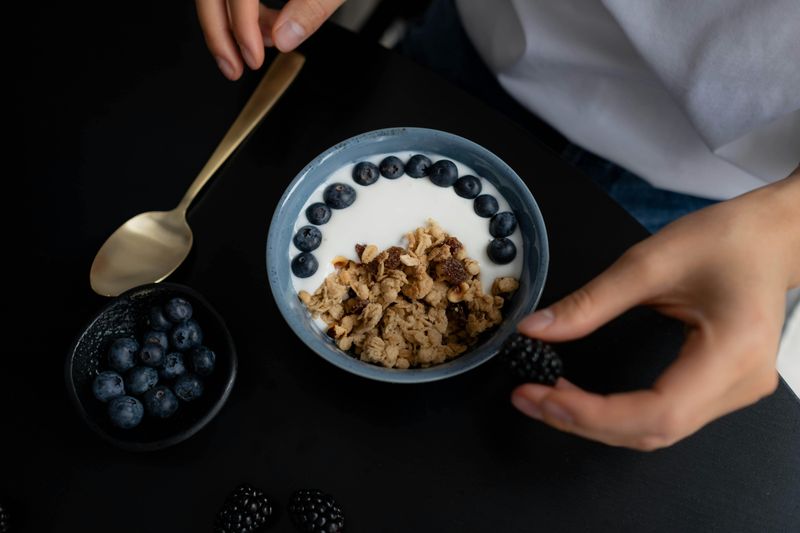
Thick, tangy, and loaded with protein, Greek yogurt has earned its spot as a breakfast staple.
A typical six-ounce serving contains around fifteen to twenty grams of protein, depending on the brand, which easily beats a single egg.
The straining process removes excess liquid, concentrating the protein and creating that signature creamy texture.
Use it as a base for smoothies, parfaits, or dips, or enjoy it plain with a drizzle of honey.
It also works as a healthier substitute for sour cream in many recipes.
Greek yogurt keeps you full and satisfied, making it an excellent choice for any time of day.
9. Tempeh

Originating in Indonesia, tempeh is a fermented soybean cake with a firm texture and earthy flavor.
One cup of tempeh provides about thirty grams of protein, making it a heavyweight champion among plant-based options.
The fermentation process also adds probiotics, which are great for gut health.
Slice it, marinate it, and grill or sauté it to bring out its nutty taste.
Tempeh absorbs flavors beautifully, so it works well in stir-fries, sandwiches, and grain bowls.
If you are looking for a hearty meat alternative that packs serious protein, tempeh is an excellent choice worth trying.
10. Chicken Breast
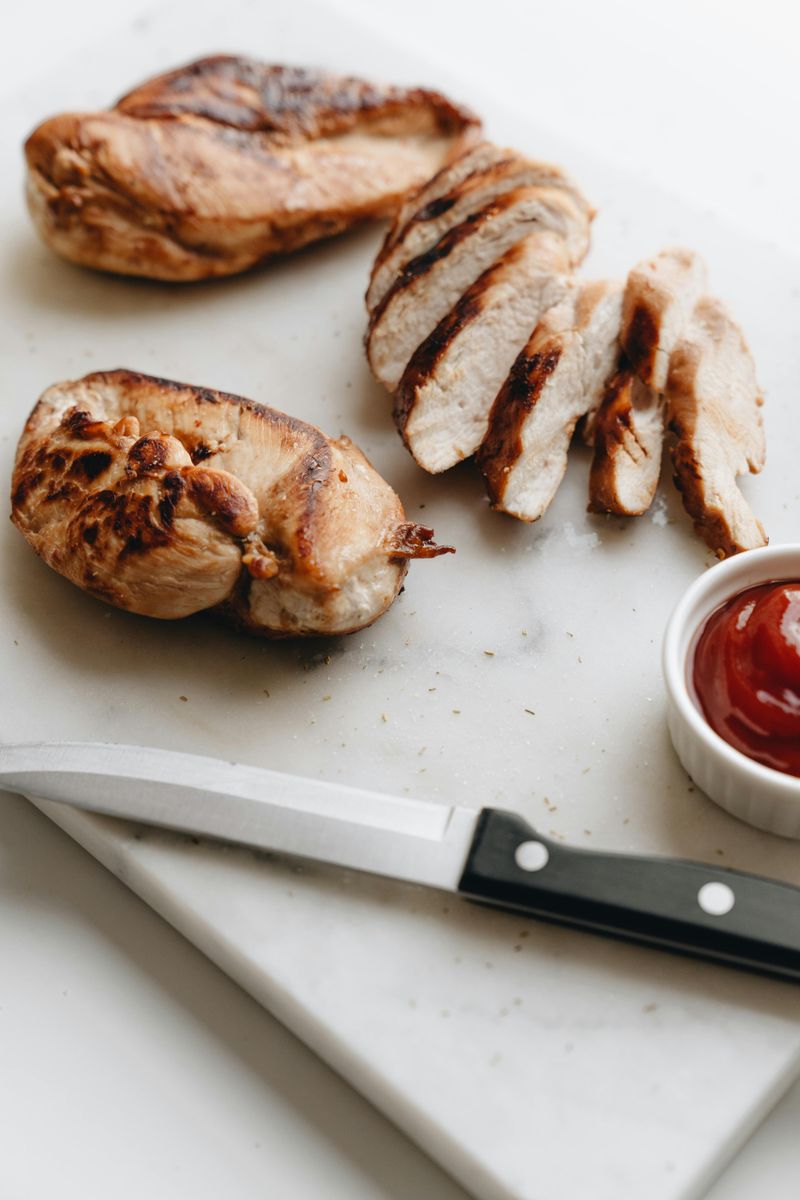
Lean, versatile, and incredibly popular, chicken breast is a go-to protein source for athletes and home cooks alike.
A three-ounce serving contains about twenty-six grams of protein, making it one of the most efficient ways to meet your daily needs.
It is also low in fat and calories, which makes it ideal for many eating plans.
Grill it, bake it, or toss it into soups and salads for a satisfying meal.
Season it with your favorite spices to keep things interesting and flavorful.
Chicken breast is easy to prepare and fits into countless recipes, making it a reliable protein powerhouse for any occasion.