 MomSkoop
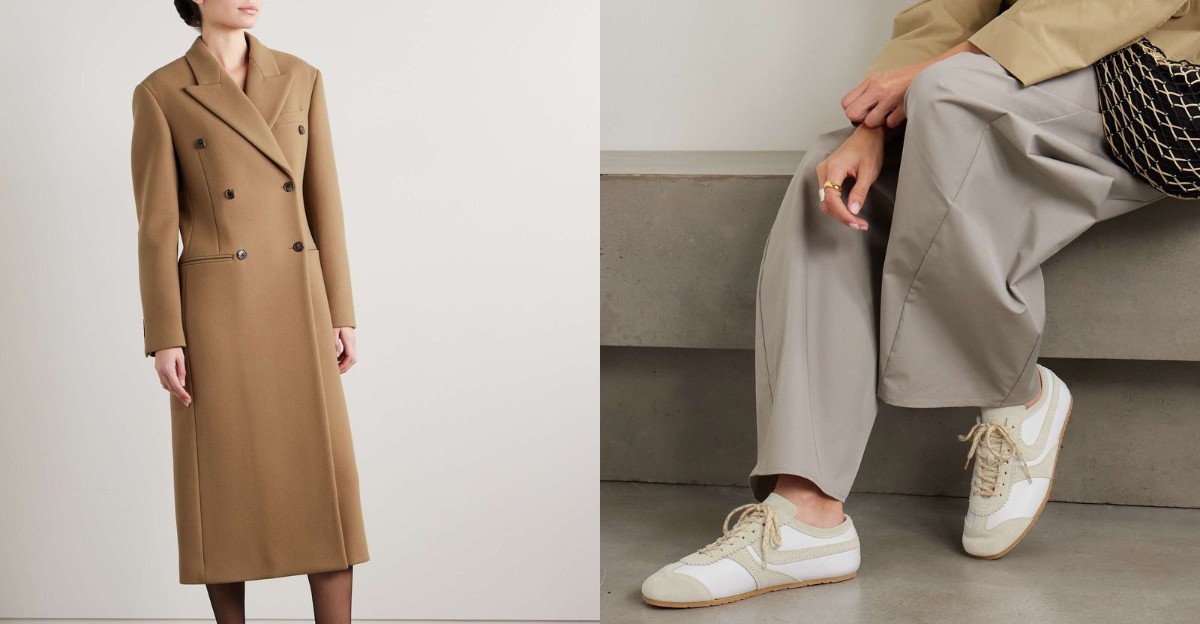
Cost per wear is one of my favorite bits of shopping math, and it only takes one division problem. Take what a piece of clothing cost, divide it by how many times you wear it, and the real price starts to show. A cheap top worn twice can end up costing more per outing than a pricier jacket worn for ten winters. That flip is the part that interests me most, because it changes how a price tag looks in the store.
Smart buying doesn’t have to mean spending more or owning less for the sake of it. A better plan focuses on sturdy fabrics, solid construction, and shapes you’ll reach for again and again. The pieces ahead are the ones that tend to earn their keep, along with tips on spotting quality and caring for them. Your closet might already be hiding a few of them, so how many will you recognize?
1. Classic Trench Coat
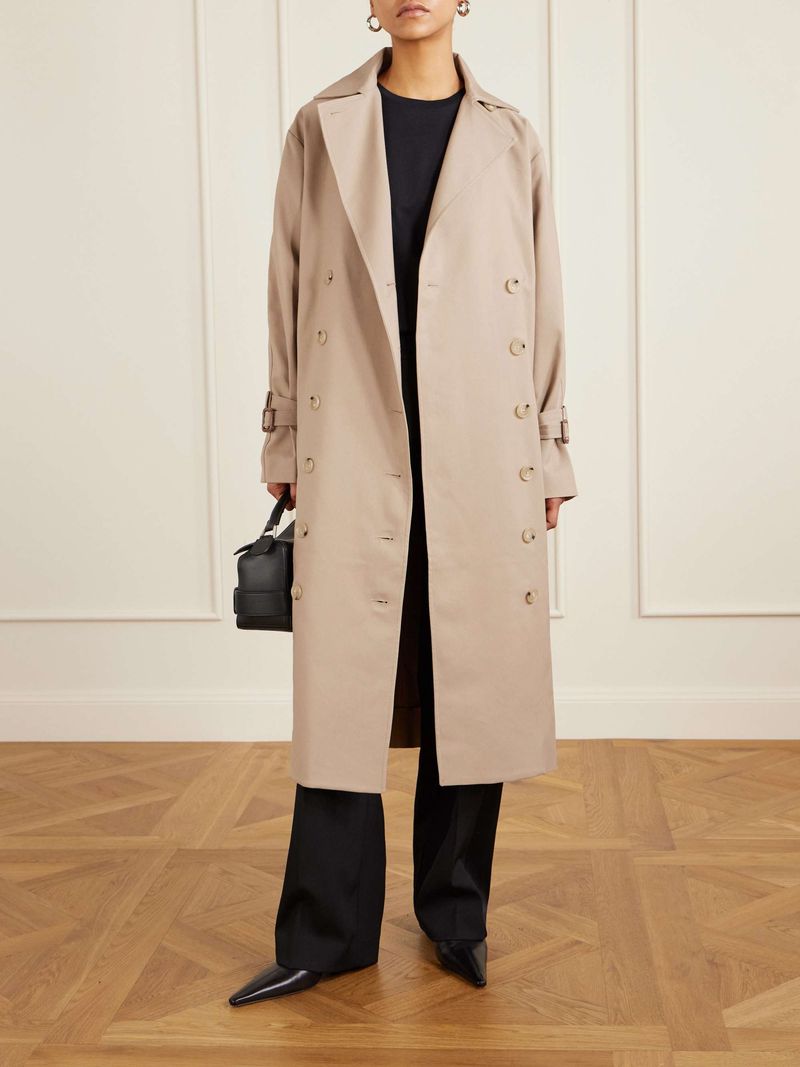
Rain, wind, and a commute that never cooperates are exactly what the trench coat was built for.
Traditional versions use tightly woven cotton gabardine, a dense fabric that repels water while still letting air move through.
Modern options branch out with wool blends for extra insulation, cotton mixed with technical fibers, or lighter polyester and nylon blends.
Those synthetic versions tend to cost less and still shrug off a drizzle.
When you shop, give the coat a quick inspection like a picky detective.
Look for clean, precise stitching, sturdy buttons and buckles, and a collar and lapels that hold their shape instead of flopping.
The belt deserves attention too, since a good one is cut from the same fabric as the coat and slides through solid loops.
Working pockets and vents add everyday practicality, and a smooth interior lining makes it easy to slip over a sweater or blazer.
Care depends on the fabric, so read the label before anything goes near water.
A removable cotton lining can make cleaning much simpler, which is a nice bonus on a coat you might wear for years.
Style it over jeans and sneakers on weekends, or over tailored trousers for work.
The same coat handles both jobs without looking out of place.
2. High-Quality Leather Jacket
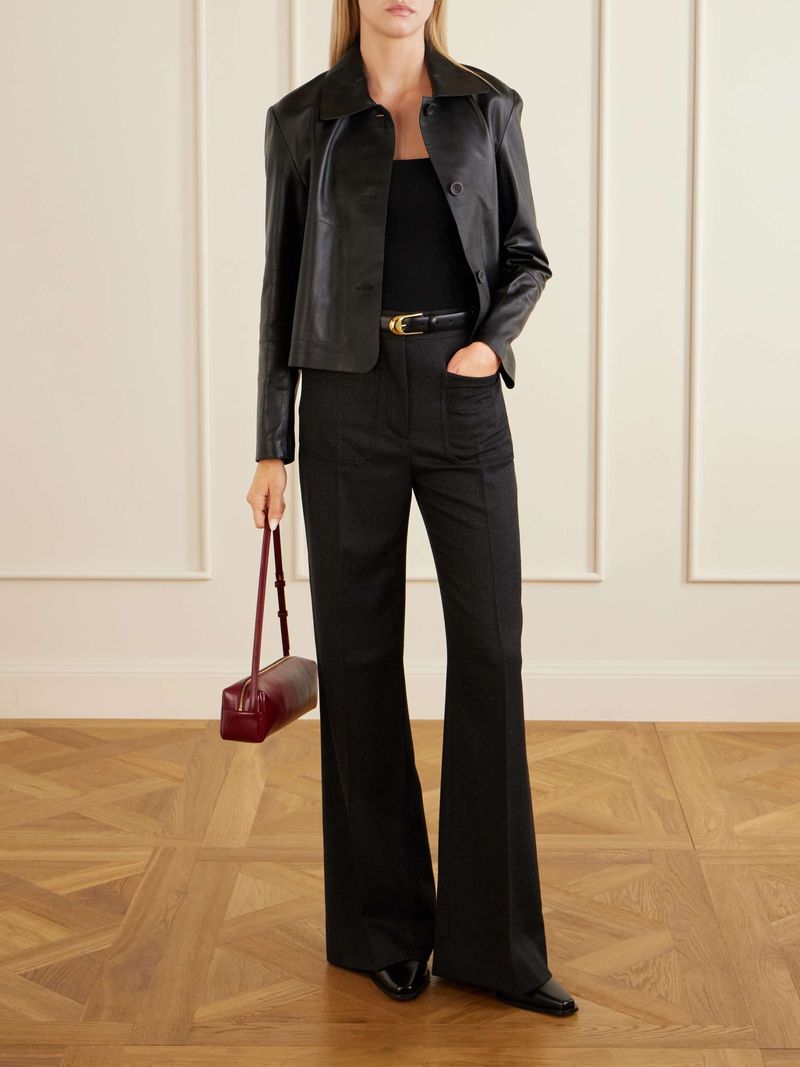
Few clothes look better with age, but a well-made leather jacket is one of them.
Full-grain leather keeps the natural grain of the hide, which makes it tough, breathable, and able to develop a rich patina over time.
Top-grain leather has had its outer surface smoothed, while suede offers a soft, velvety finish.
Corrected-grain and bonded leather usually sit at the lower end of quality, so those labels are worth a second look.
Pick up the jacket and pay attention to how it feels in your hands.
Good leather is smooth and supple with some real weight, and the stitching should be tight and reinforced at stress points.
Peek inside, too.
A breathable lining in cupro, viscose, or silk is a strong sign, and smooth, sturdy zippers matter because a stuck zipper ruins the cool factor fast.
Maintenance is lighter than people expect.
Wipe off dust with a soft dry cloth, and condition the leather once or twice a year with a product free of silicone and petroleum.
Hang it on a wide hanger, away from sunlight, heat, and humidity.
Skip plastic covers, because leather needs room to breathe between wears.
3. Well-Fitting Dark Wash Jeans
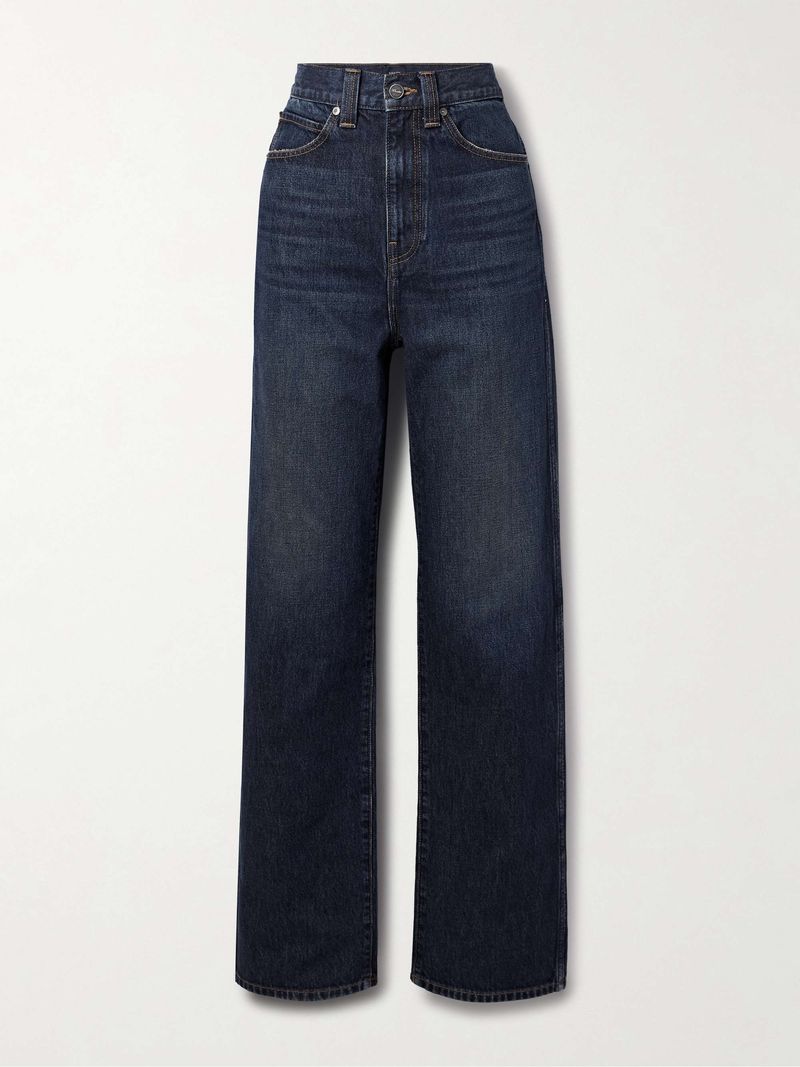
Dark denim is the closest thing a closet has to a universal translator.
It works with a T-shirt on Saturday and a blazer on Monday, and its deep indigo color reads a little more polished than faded pairs.
Quality starts with the cotton, ideally long-staple fibers that are often ring-spun.
Selvedge denim, woven on shuttle looms with a self-finished edge along the outer seam, is a classic sign of careful production.
Weight matters more than most shoppers realize.
Fabric around 10 to 12 ounces holds its shape while staying comfortable, and heavier denim leans rugged and long-lasting.
Flip the jeans inside out in the fitting room and look at the seams.
Flat-felled inseams interlock the fabric for strength, and chain-stitched hems leave a looping stitch that flexes with movement.
Sturdy pocket bags and solid rivets, buttons, and zippers round out a well-made pair.
Fit is personal, so try several cuts and choose the one you’d happily wear twice a week.
To keep that indigo deep, wash after four to six wears unless they’re dirty, and turn them inside out first.
Cold water, a gentle cycle, and air drying help prevent fading and shrinking.
4. Cashmere Sweater
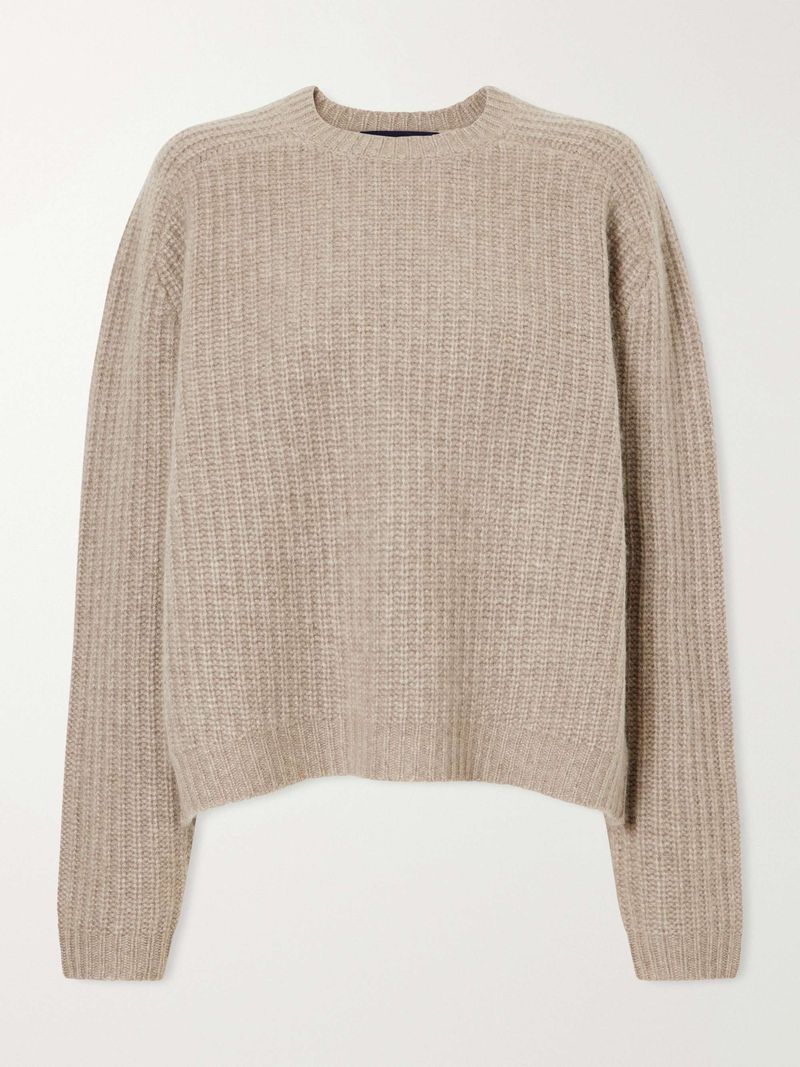
Soft enough to make you check the price tag twice, cashmere comes from the downy undercoat of cashmere goats.
The finest grade, often called Grade A, uses long, thin fibers that create light sweaters that hold their shape.
Labels can tell you a lot, so read them closely.
Look for wording like 100 percent cashmere or pure cashmere rather than vague blends.
A good sweater feels soft with a little resistance, not slippery or overly silky.
The surface should look smooth and plump instead of fuzzy, since long fibers are less likely to pill.
Try a gentle stretch test on a sleeve.
Quality cashmere springs back, and a tight, even knit is a good sign you’re holding something that will last.
Washing too often wears it down, so give it breaks between cleanings.
When it’s time, hand wash in cool or lukewarm water with a mild detergent for delicates, swirling softly without rubbing or wringing.
Press out water between towels, then lay it flat to dry away from sun and heat.
Store it folded rather than hung, because hangers can stretch the shoulders.
Pair it with jeans, layer it under a coat, or wear it alone with trousers.
One neutral color like gray, navy, or camel goes a long way.
5. White Button-Down Shirt
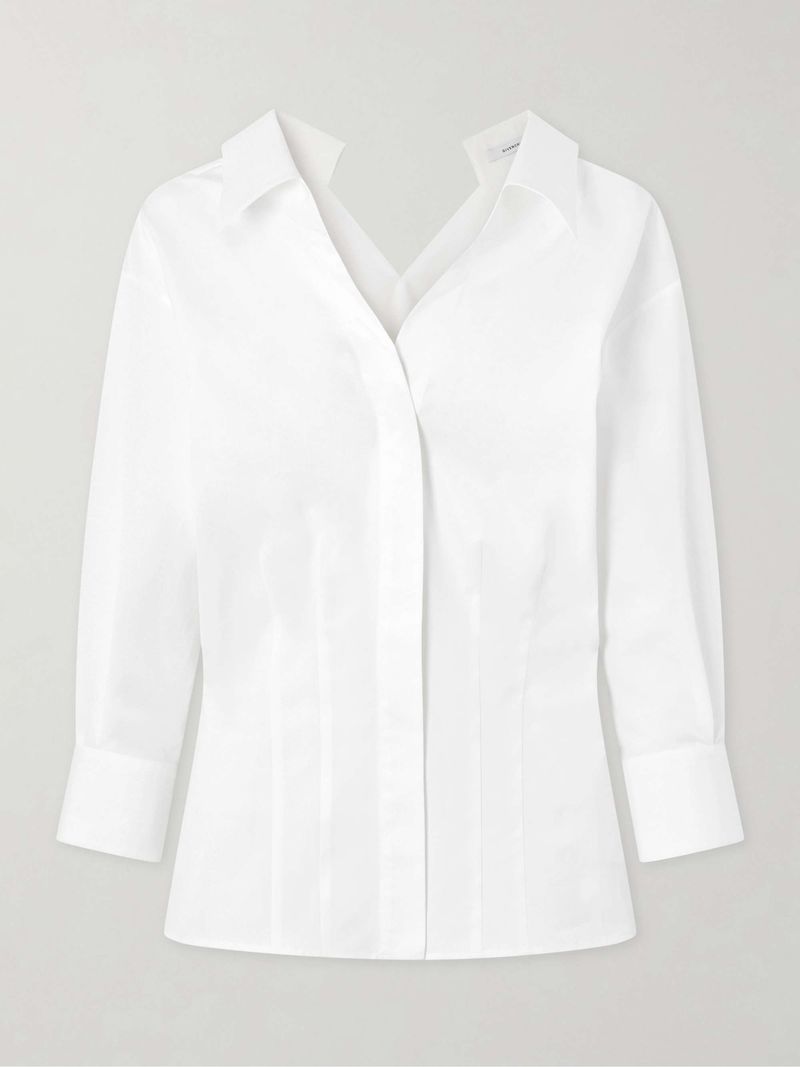
A white shirt is basically the blank page of a wardrobe.
You can tuck it into a skirt, layer it under a sweater, or roll the sleeves and wear it loose with jeans.
Natural fibers make strong choices, including cotton, linen, hemp, and Tencel.
Extra-long staple cottons such as Egyptian, Pima, and Supima are known for strong, soft fabric that resists fraying and pilling.
The weave changes the personality of the shirt.
Poplin and broadcloth feel smooth and crisp for dressier days, while Oxford and twill bring more texture and a relaxed attitude.
Keeping white actually white takes a little routine.
Wash after each wear so sweat and dirt don’t build up, and keep whites away from colored loads.
Cotton handles moderate water temperatures, but hot water can weaken fibers and cause yellowing.
Linen does better in cold or lukewarm water, and a bleach-free detergent is kinder to fabric over time.
Pre-treat stains right away instead of waiting for laundry day.
A cup of baking soda in the wash can also help brighten a shirt that’s starting to look dull.
Pull shirts from the dryer or line while slightly damp, which makes ironing far easier.
Store them on padded or wooden hangers to protect the shoulders and collar.
6. Black Blazer
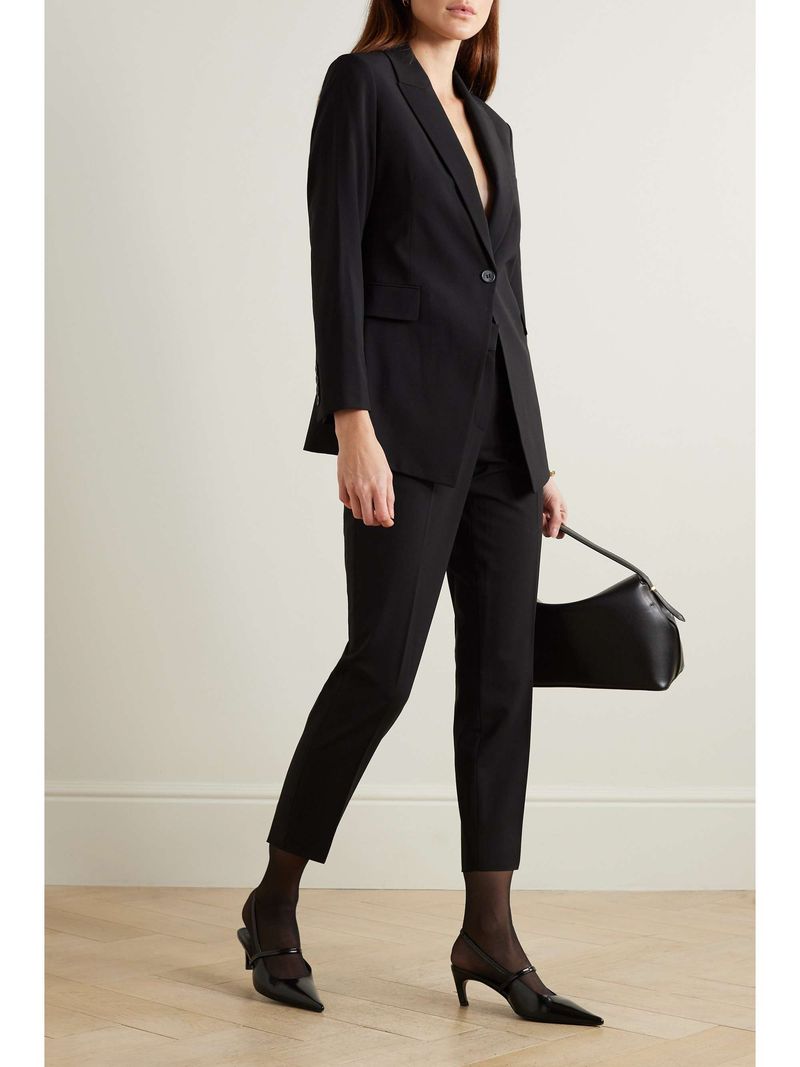
Throw a black blazer over a plain tee and the outfit suddenly looks like it has a plan.
The same jacket can head to an interview, a dinner, or a casual weekend lunch with jeans.
Fabric is the first clue to quality.
Fine wool, wool crepe, and high-twist wool barathea hold color and shape well, while wool blends add structure and durability.
Check the lining, too.
Cupro, silk, viscose, or acetate linings help the jacket drape smoothly and feel more comfortable than plain polyester.
Fit lives in the shoulders, so start there.
The shoulder seam should sit right at the edge of your shoulder bone without pulling or drooping, and the lapels should look balanced on both sides.
Higher-end blazers often use internal canvassing made from horsehair or wool.
That layer lets the jacket breathe and gradually mold to your shape.
Many wool blazers are dry clean only, so read the care label before reaching for a sponge.
Between wears, air it out and use a soft clothes brush instead of rushing to the cleaner.
A wide wooden hanger keeps the shoulders sharp.
Cedar or lavender in the closet can help keep moths away from wool.
7. Versatile Little Black Dress
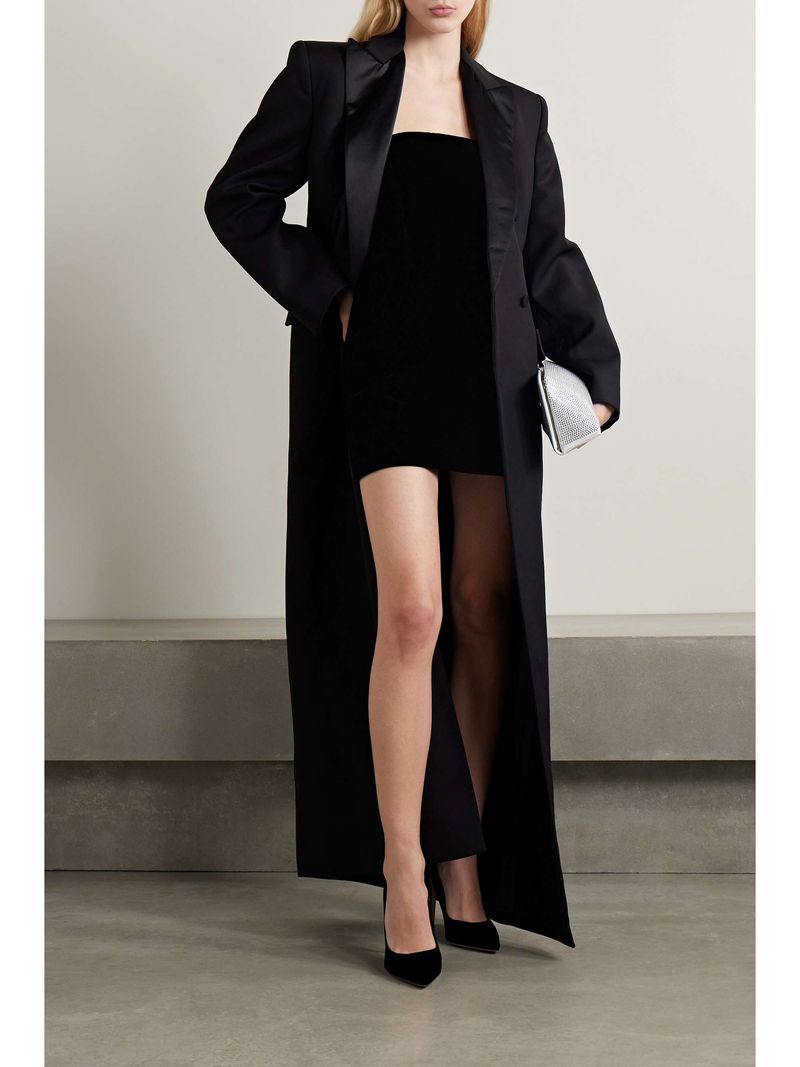
Coco Chanel helped make the little black dress famous back in 1926, when Vogue compared her simple black design to the Ford Model T.
Nearly a century later, the idea still holds up because a plain dark dress adapts to so many plans.
Fabric choice decides how hard the dress works for you.
Matte jersey travels well, resists wrinkles, and moves easily from the office to a dinner out.
Ponte and dense viscose offer more structure and bounce back after wear.
Heavy silk, wool crepe, and cupro feel more luxurious, though silk and satin usually need gentler care.
A midi length covers daytime, work, and evening events with ease.
Round or V-necklines leave room for necklaces, scarves, and jackets, so one dress can look new several times.
Waist definition through a fitted cut, a wrap, or a belt is a popular choice, but comfort should lead the way.
Try the dress on before buying, checking the waist, hips, and length for your height.
Care varies widely by fabric, so the label is your guide.
Matte jersey is low fuss, while silk often calls for hand washing in cold water or dry cleaning.
8. Leather Ankle Boots
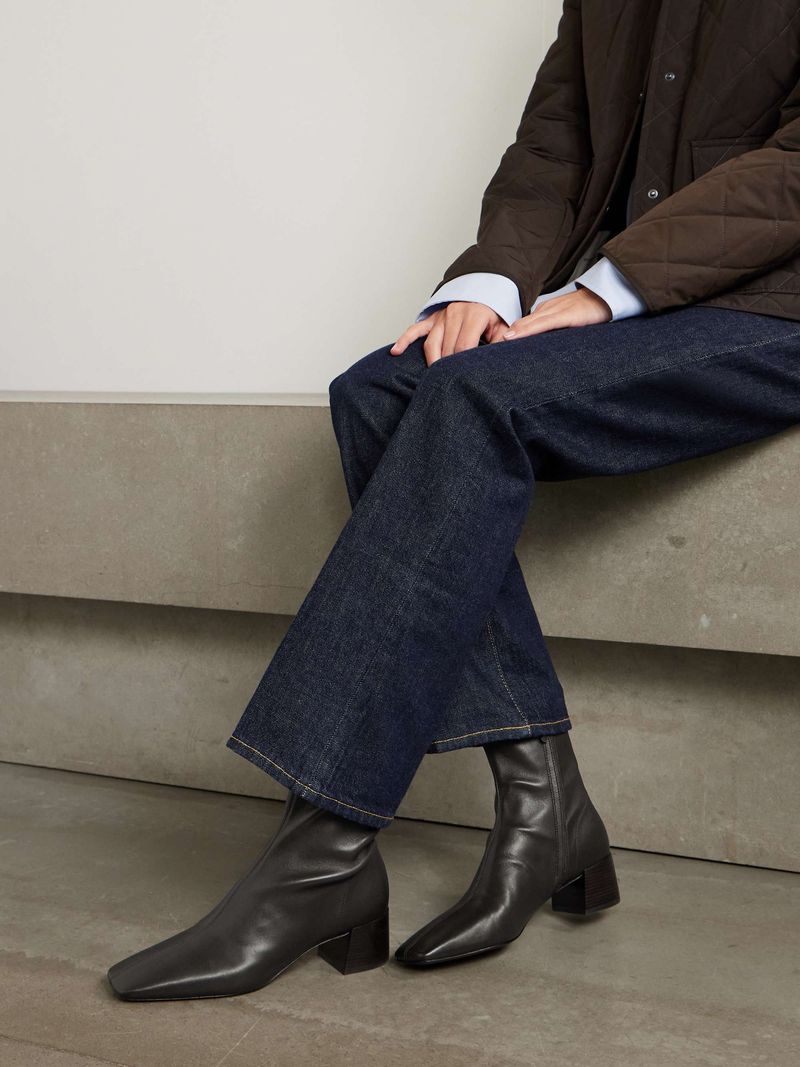
Good boots can outlast several pairs of cheaper ones, and the secret often hides in the sole.
Goodyear welt and Blake stitch construction allow a cobbler to resole the boots instead of sending them to the trash.
Full-grain leather is the top pick for uppers because it keeps the hide’s natural strength.
Over time it develops a patina rather than cracking, and small natural marks can actually be a good sign.
Be careful with labels like genuine leather or bonded leather.
Those terms often point to lower-quality material, despite how they sound.
Inside, leather or cork insoles and midsoles slowly mold to your foot.
A leather lining breathes well, and a shank in the midsole adds arch support when the boot has a heel.
Fit deserves serious attention in the store.
The toe box should match your foot shape, and a firm heel counter should hold your heel in place without slipping.
Look for neat stitching with no loose threads and a solid, well-attached sole.
Ankle boots pair easily with jeans, dresses, and trousers, which helps them rack up wears fast.
Wipe them with a damp cloth and apply leather conditioner regularly to keep them supple.
Store them away from direct sunlight and high heat between seasons.
9. Classic White Sneakers
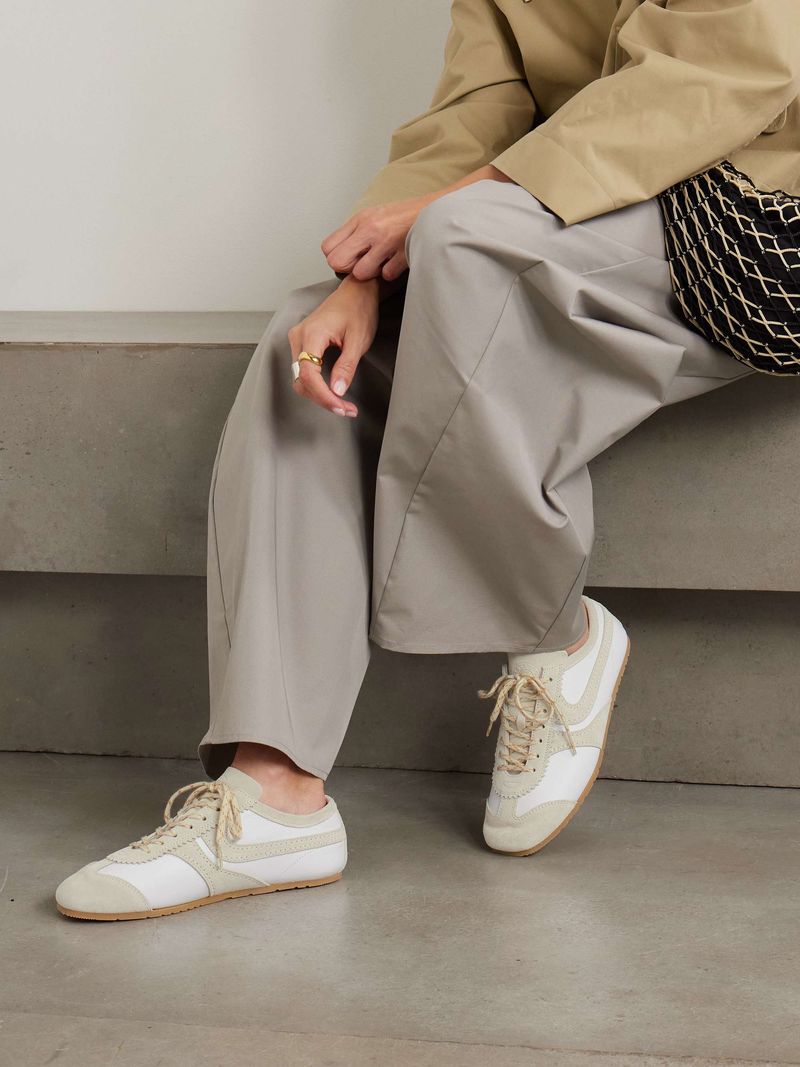
Clean white sneakers make jeans, chinos, and summer dresses look fresher in a single step.
Their plain color and simple shape let them blend with a huge range of outfits.
Most pairs use leather or canvas uppers on rubber soles.
Leather is one of the easier materials to wipe clean, which is a big perk for a shoe that shows each smudge.
Regular cleaning keeps them from slowly turning gray.
Start by removing the laces and insoles, then brush off dried dirt with a shoe brush.
For leather, wipe the surface with a damp cloth and mild soap in lukewarm water.
Tough scuffs on leather or rubber soles can respond to a paste of baking soda and white vinegar, scrubbed gently with a soft brush.
Canvas pairs handle that same paste well.
Avoid soaking leather, though, since too much water can damage it.
Let them air dry completely, away from heaters and direct sun.
A white shoe cream can refresh faded leather uppers, and a protector spray adds a helpful shield.
Cedar shoe trees absorb moisture and help the shoes keep their shape between wears.
Removable insoles also protect the lining from odor, which your gym bag will appreciate.
10. Quality Wool Coat
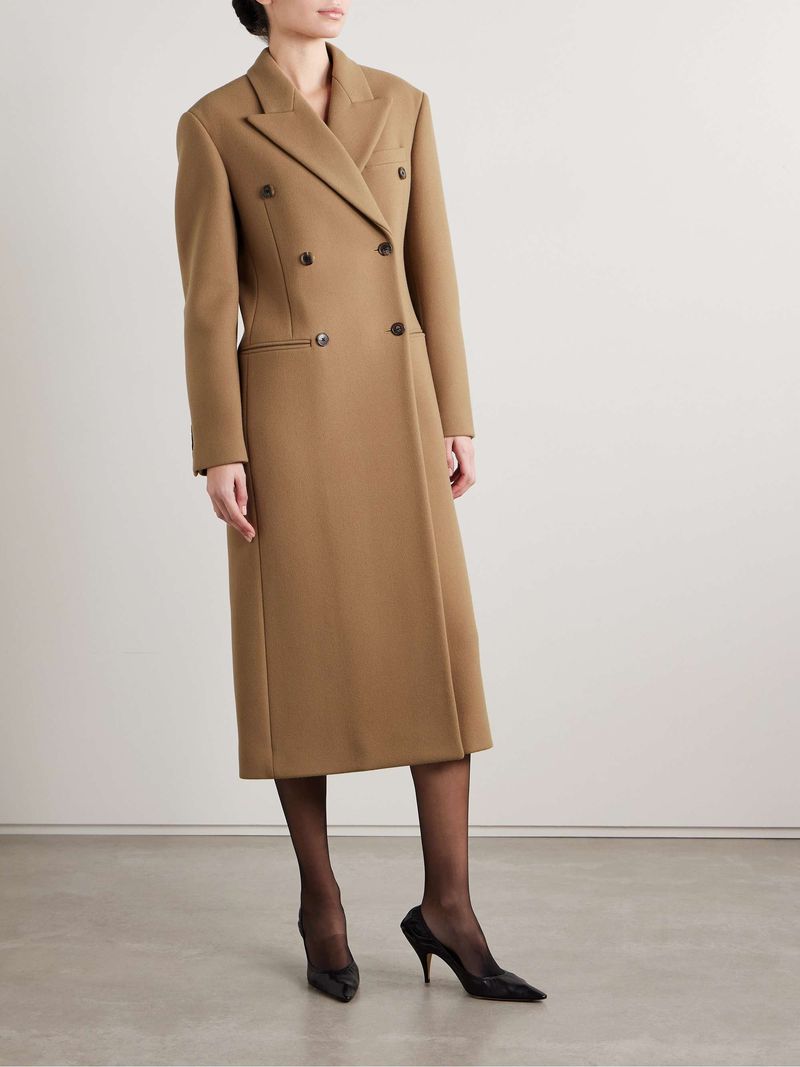
Cold mornings are much easier to face in a coat that actually blocks the wind.
Wool naturally insulates, and a well-made coat holds its shape and drape season after season.
Many coats mix wool with cashmere or alpaca for extra softness.
Check the fabric content tag so you know exactly what you’re paying for.
A little routine goes a long way.
After wearing, brush the coat with a soft garment brush to lift dust, lint, and loose fibers.
Spills call for quick action with cold water and a wool detergent.
Blot gently instead of rubbing, because rubbing can push the stain deeper and rough up the fibers.
Most tailored wool coats are dry clean only, since water and agitation can shrink wool and ruin its structure.
A professional cleaning once or twice a season is usually plenty.
Steaming refreshes the fabric and removes creases between cleanings.
A fabric comb takes care of pilling, and the coat should never go in a tumble dryer.
Before storing it for summer, make sure it’s clean and fully dry.
Hang it on a wide wooden hanger in a breathable garment bag, with cedar blocks or lavender sachets to discourage moths.
11. Silk Scarf
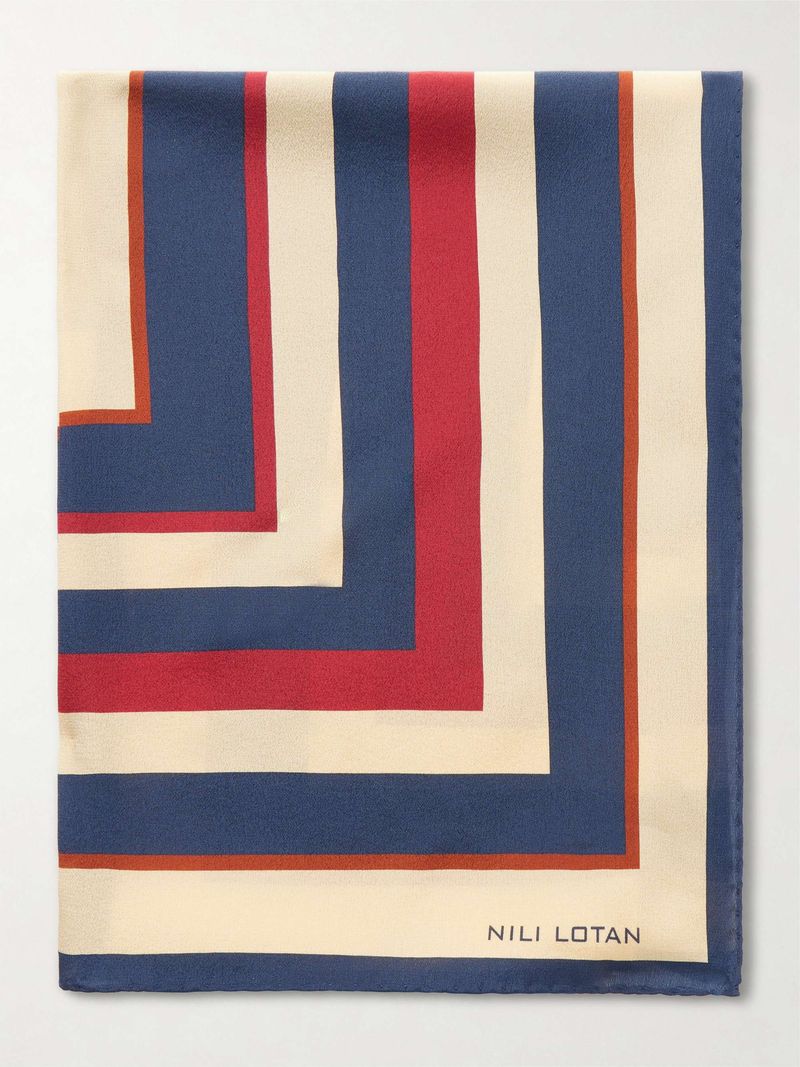
Small, light, and easy to tuck into a bag, a silk scarf might be the most flexible piece on this list.
Tie it at your neck, around a ponytail, or onto a handbag strap.
Silk is a natural fiber that holds rich color beautifully.
It also resists dirt and odors well, so it doesn’t need frequent washing.
Clean it only when it’s visibly dirty, and check the label first since some silk is dry clean only.
For hand washing, use cool or lukewarm water with a gentle detergent made for delicates.
Swirl it softly for a few minutes without rubbing, twisting, or wringing.
Rinse until the soap is gone, then press out water between two clean towels.
Lay it flat to dry away from sunlight and heat, because hanging can stretch the fabric.
If creases remain, iron it slightly damp on the silk setting from the back side.
Fold it and store it in a breathable bag or box somewhere cool, dry, and dark.
Keeping perfume and makeup off the fabric helps it stay looking fresh longer.
A plain coat or black dress can look brand new with one bright square of silk.
That’s a lot of mileage from something that fits in a pocket.