 MomSkoop

Some guys genuinely believe certain behaviors make them more appealing, when in reality, they have the opposite effect. These habits might seem confident or impressive in their minds, but they often come across as off-putting or even cringey. Understanding what actually works versus what doesn’t can make all the difference in how someone is perceived.
1. Showing Off Money or Possessions

Flashing expensive watches, designer clothes, or stacks of cash might feel like a power move, but it usually screams insecurity instead of success. Most people see through this behavior quickly and recognize it as overcompensation rather than genuine confidence.
Real attraction comes from how someone treats others, not what they own. Material things can be impressive in moderation, but making them your entire personality is a turnoff.
When someone constantly brags about purchases or drops prices into conversations, it feels shallow and uncomfortable. True confidence doesn’t need props or proof. Being humble about achievements and possessions actually makes someone far more appealing and approachable than any luxury item ever could.
2. Acting Overly Confident (Borderline Arrogant)

Confidence is magnetic, but there’s a fine line between self-assured and insufferable. When guys cross into arrogance territory, they stop listening to others and start acting like they’re always right about everything.
Arrogant behavior makes conversations exhausting because it becomes all about proving superiority. Nobody wants to feel talked down to or dismissed. Genuine confidence includes being open to learning and admitting mistakes.
The difference shows in body language and tone—confident people uplift others, while arrogant ones constantly need validation. Walking into every situation like you’re the smartest person in the room doesn’t impress anyone. Instead, it creates distance and makes people uncomfortable being around you.
3. Playing It Too Cool or Being Emotionally Unavailable

Mystery might work in movies, but in real life, being emotionally distant just feels cold and confusing. Guys who think playing hard to get makes them more desirable often end up seeming uninterested or incapable of connection.
Healthy relationships require vulnerability and openness, not walls and guessing games. When someone refuses to share feelings or keeps everything surface-level, it prevents any real bond from forming.
People want to feel valued and understood, not like they’re constantly chasing someone who won’t let them in. Emotional availability shows strength, not weakness. Being genuine about feelings and intentions is far more attractive than pretending nothing matters or acting too cool to care about anything.
4. Bragging About Past Relationships or How Many Options They Have

Nothing kills attraction faster than hearing about someone’s romantic history unprompted or how many people are supposedly interested in them. This behavior signals immaturity and makes the other person feel like just another option on a list.
Constantly bringing up exes or mentioning other potential dates creates insecurity and disrespect. It shows a lack of awareness about what matters in building genuine connections.
Instead of looking desirable or in-demand, it comes across as desperate for validation and unable to focus on the present moment. People want to feel special and chosen, not like they’re competing with ghosts or imaginary rivals. Keeping past relationships private and focusing on the person in front of you shows maturity and respect.
5. Giving Backhanded Compliments

Saying things like “you’re pretty for someone who doesn’t wear makeup” isn’t flattering—it’s actually quite rude and reveals poor social skills.
These comments make people feel judged and self-conscious rather than appreciated. The person giving them might think they’re being clever or teasing in a flirty way, but it creates awkwardness and resentment instead.
Real compliments are straightforward and genuine, without hidden criticisms or qualifiers. When someone feels the need to tear down while building up, it shows their own insecurities. Being kind and direct with praise makes people feel good, which is the entire point of a compliment in the first place.
6. Trying to Dominate Conversations

Ever been stuck talking to someone who never lets you finish a sentence? Guys who monopolize conversations think they’re being interesting or impressive, but they’re actually being exhausting and self-centered.
Good communication involves listening as much as speaking. When someone talks nonstop about themselves without asking questions or showing interest in others, it feels one-sided and draining.
People want to feel heard and valued in conversations, not like they’re just an audience for someone’s monologue. Dominating discussions shows a lack of respect for others’ thoughts and experiences. Making space for back-and-forth dialogue, asking questions, and actually listening to answers creates much better connections than any amount of talking ever could.
7. Being Overly Competitive with Others (or with You)
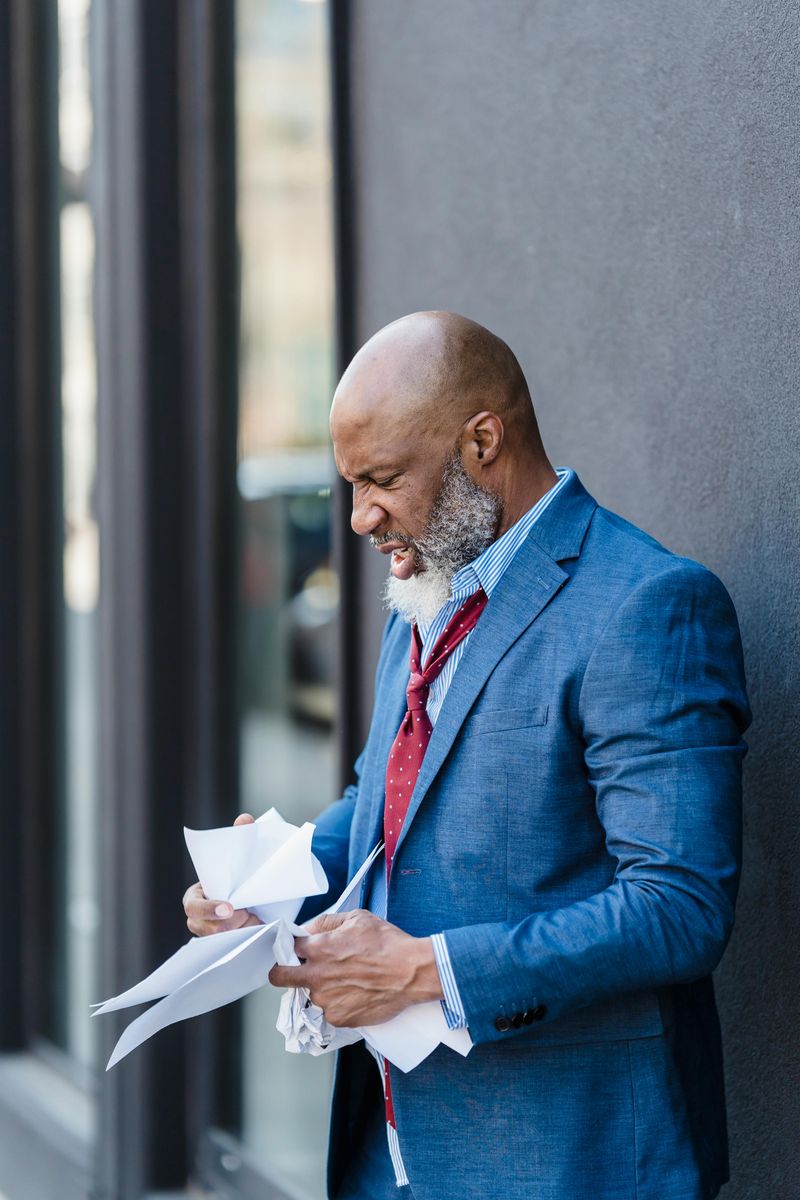
Competition has its place, but turning every single interaction into a contest gets old fast. Some guys feel the need to one-up stories, win every game, or prove they’re better at literally everything, which is frankly tiresome.
When someone competes with their friends constantly or even with the person they’re trying to impress, it creates tension instead of fun. Not everything needs to be about winning or being the best.
Relationships thrive on teamwork and support, not rivalry. Being overly competitive reveals insecurity and an inability to celebrate others’ successes. Knowing when to be supportive rather than combative makes someone much more enjoyable to be around and shows emotional maturity that’s genuinely attractive.
8. Playing Jealousy Games

Deliberately trying to make someone jealous by mentioning other people or flirting obviously with others is a manipulation tactic that backfires spectacularly. Guys who use this strategy think it’ll make them seem more desirable, but it just creates distrust and discomfort.
Healthy relationships are built on security and honesty, not mind games and emotional manipulation. Making someone feel insecure on purpose is cruel and immature.
Instead of sparking attraction, jealousy games make people question whether the relationship is worth the drama and stress. Someone who truly values you won’t play with your emotions for entertainment. Being straightforward about interest and intentions is far more effective and respectful than any jealousy-inducing scheme could ever be.
9. Overusing Cologne or Grooming Excessively for Attention

Good hygiene is absolutely important and attractive, but there’s such a thing as trying too hard. When someone bathes in cologne or spends excessive time perfecting every hair, it can feel forced and unnatural.
A cloud of overpowering fragrance that announces someone’s arrival from across the room is overwhelming, not appealing. Similarly, obsessively checking appearance or fishing for compliments about grooming efforts comes across as insecure.
People appreciate someone who takes care of themselves without making it their entire identity or constantly seeking validation. Natural confidence in appearance beats obvious desperation for attention every time. A subtle, pleasant scent and well-maintained grooming that doesn’t scream for notice is far more attractive than overdone efforts that feel like a performance.
10. Ignoring Boundaries Because They Think Persistence is Charming

Romantic comedies have convinced some guys that ignoring “no” and persisting relentlessly is somehow charming or romantic. In reality, disregarding someone’s boundaries or comfort signals is disrespectful and concerning.
Persistence can be attractive when it respects boundaries—like asking someone out once or twice. But continuing after clear disinterest or pushing physical boundaries crosses into inappropriate territory quickly.
Real charm involves reading social cues, respecting decisions, and understanding consent. When someone says they’re not interested or uncomfortable, that needs to be honored immediately. Ignoring these signals doesn’t show determination or devotion; it shows a lack of respect and self-awareness. True attraction grows from mutual interest and respect, never from pressure or boundary violations.