 MomSkoop

The Cure released a song titled Boys Don’t Cry in 1979, and that title still sounds like advice handed down at a family cookout. The funny part is that the song follows a guy who is clearly heartbroken and trying very hard to hide it. Plenty of traits get labeled feminine for no better reason than old habit, like noticing small details, talking about feelings, or caring how a room looks. Men have been doing those things for centuries, usually quietly and without anyone handing them a label.
I find that gap between the label and real life fascinating, mostly because it shows up in ordinary moments at home, at work, and with friends. A trait doesn’t belong to one gender just because a greeting card aisle or a sitcom says so. So which of these will sound a little too familiar to you? Count how many you recognize before deciding whether any of them deserve a blush.
1. Caring for Others Without Being Asked

A man who waters his neighbor’s plants during a heat wave is nurturing, even if he would just call it being decent.
Caretaking often hides inside actions instead of words.
Many men show care through doing rather than saying.
They fix the wobbly chair, offer a ride at midnight, or hand over a jacket without a speech attached.
Empathy is the skill of understanding what another person feels.
It helps you connect with friends, partners, and coworkers on a level that small talk never reaches.
Nurturing also looks like patience with something that grows slowly.
Think of a guy who tends a garden, trains a puppy, or coaches a little league team that keeps tripping over the bases.
Old ideas about masculinity sometimes push men to hide this side.
That pressure doesn’t erase the instinct, though, and it often comes out anyway when a friend is having a rough week.
Want to lean into it a bit more?
Try checking in on one friend this week with a simple text asking how they are really doing.
You might be surprised how much that small gesture means.
Care is a strength that doesn’t need a gender label to count.
2. Letting Feelings Show

Some guys tear up at the end of a sports movie and blame it on allergies.
The allergies, oddly, only flare up when the underdog wins.
Plenty of boys grow up hearing phrases like boys don’t cry.
Over time, that message can teach them to bury sadness, fear, or even joy until it feels safer to show nothing at all.
Bottling up emotions can come with a cost.
Stress, anxiety, and low mood can build when feelings have nowhere to go.
Some men turn grief into anger or simply go quiet instead of talking it through.
That reaction makes sense given how many were raised, but it can leave them feeling stuck and lonely.
Men feel emotions just as strongly as women do.
A breakup, a new baby, or a lost pet can hit hard regardless of who is going through it.
Letting feelings show doesn’t require a dramatic speech.
Saying something as simple as I’m bummed about this, or That made me really happy, is a solid start.
Emotional openness tends to make relationships healthier.
Plus, it is much easier than pretending a sad movie scene was caused by ragweed.
3. An Eye for Beauty and Style

Plenty of men own a Pinterest board full of outfit ideas and would rather not discuss it at dinner.
Pinterest has long been more popular with women, yet men use it to shape their own style too.
Caring about how things look is not a new development for men.
In earlier centuries, an educated gentleman was expected to appreciate poetry, painting, music, and nature as part of a well-rounded life.
Somewhere along the way, practicality took over the spotlight.
Liking pretty things started to feel optional or even a little suspicious.
You might notice this trait in small ways.
Maybe you pick paint colors carefully, care about the lighting in your kitchen, or feel calmer looking at a peaceful landscape painting.
Grooming fits here as well.
Skin care, a good haircut, and cosmetic treatments are now common choices for men who want to feel confident and look refreshed.
If you enjoy beauty, there’s no reason to apologize for it.
Visit a local art museum, rearrange a shelf, or finally frame that poster that has been rolled up since college.
A good eye is a skill.
Treat it like one and enjoy using it.
4. Craving Deep Conversations

Weather, traffic, and sports scores can only carry a conversation so far.
Many men quietly want talks that go deeper than the latest playoff game.
Humans are built for connection, and that need doesn’t switch off based on gender.
Men often say they want more emotional closeness with their partners, even if they don’t always know how to ask for it.
Honest communication is the foundation for that closeness.
When you speak clearly about what you feel and what you need, trust has room to grow.
A few habits make a big difference.
Listen without rushing to solve the problem, ask questions that go past surface chatter, and repeat back what you heard so the other person feels understood.
Using I statements can cool down arguments too.
Saying I felt left out lands much softer than You never include me.
Social pressure can make these conversations feel awkward at first.
That awkward feeling usually fades with practice, much like learning to parallel park.
Try asking a friend or partner one bigger question this week.
Something like What has been on your mind lately can open a door that small talk keeps politely shut.
5. Juggling Many Roles at Once

Answering a work email while packing a lunch and finding a missing soccer cleat is a real talent.
Plenty of dads pull off that circus act before 8 a.m.
Modern fathers are expected to wear many hats.
They are providers, hands-on parents, supportive partners, and people trying to keep their own goals alive.
Switching between those roles takes a lot of mental energy.
One minute you’re in a meeting, and the next you’re negotiating bedtime with a stubborn six-year-old.
Multitasking is often described as a feminine skill.
Yet many men manage packed schedules daily, balancing careers, relationships, chores, and family duties.
The downside is that juggling can leave you feeling stretched thin.
Some dads feel guilty about missing family time, even while working hard for that same family.
A few simple habits can help.
Write tasks down instead of holding them in your head, share the calendar with your partner, and protect at least one block of time each week that belongs only to family.
Nobody keeps every ball in the air forever.
Dropping one now and then simply proves you were brave enough to juggle in the first place.
6. Trusting a Gut Feeling

Women’s intuition gets plenty of credit in movies, but men get hunches too.
Ever walked away from a deal because something felt off, even though the numbers looked fine?
That sense is often called a gut feeling, and the phrase is more literal than it sounds.
Your digestive system has its own network of nerve cells, called the enteric nervous system, that sends signals to the brain.
Intuition pulls from emotions, memories, and patterns your mind has stored without you noticing.
It can show up as a hunch, a physical sensation, or a nagging thought that won’t leave.
Many men are taught to make decisions based on facts, logic, and experience.
That approach works well, but some situations, especially those involving people, don’t follow neat rules.
Tuning into intuition is a skill anyone can build.
Start by noticing how your body reacts when you’re making a choice, like a tight chest or a sudden sense of relief.
You don’t have to toss logic out the window.
Think of your gut as a helpful advisor who sits next to the spreadsheet and occasionally raises a hand.
7. Choosing Teamwork Over Rivalry

The boss who shares credit and takes the blame is a rare and welcome sight.
If that describes your leadership style, you’re showing a trait often labeled feminine.
Old stereotypes paint male leaders as aggressive and fiercely competitive.
Plenty of men, though, would rather build a strong team than win a solo trophy.
Collaborative leaders listen closely and ask for ideas.
They care about the group succeeding, not just about looking like the smartest person in the room.
When things go well, they point to the people who did the work.
When something goes wrong, they step forward and own it.
Workplaces that welcome different leadership styles let men lead in ways that match their strengths.
That freedom often leads to more thoughtful, emotionally aware teams.
Men in leadership can also use their influence to mentor and support coworkers who are often overlooked.
A word of encouragement or a recommendation can change someone’s career path.
Want to practice this at work?
In your next meeting, ask the quietest person for their opinion and give real credit when they share a good idea.
8. Overthinking the Small Stuff

Replaying a two-second awkward moment from 2014 at midnight is a surprisingly common hobby.
Overthinking doesn’t care who you are.
Men overthink too, though it may look different on the outside.
Sometimes it hides behind irritability, restlessness, or long hours at the gym.
Overthinking means repeating negative thoughts long after they stop being useful.
It includes rumination, which is dwelling on the past, and worry, which is fretting about the future.
Common signs include obsessing over tiny details and running endless what-if scenarios.
You may also freeze when making decisions or analyze a short text message like it’s a secret code.
This habit can chip away at self-esteem and lead to self-blame.
Excessive rumination is also linked with a higher risk of depression, so it’s worth taking seriously if it feels constant.
One useful trick is to move your body.
A walk, a workout, or even washing dishes can pull your focus away from the mental loop.
Grounding exercises help too, like naming five things you can see.
If the spiral won’t stop, talking with a counselor can be a smart and practical step.
9. Asking for Help When It Counts

Refusing to ask for directions used to be a classic dad joke.
Today, more men are pulling over, so to speak, and admitting they could use a hand.
Many men grew up believing a real man stays strong, silent, and emotionally guarded.
That belief can make asking for help feel like losing a contest nobody signed up for.
Fear of judgment keeps plenty of guys from reaching out.
Holding everything in, however, often leads to isolation and extra stress.
Vulnerability simply means being willing to share your struggles and accept support.
It takes more courage than pretending everything is fine.
The culture is slowly shifting, with more men pushing back on the idea that seeking help is weak.
That change benefits their health and the people around them.
You can start small.
Tell a trusted friend you’re having a tough week, or ask a coworker to explain a task you don’t fully understand.
Bigger steps, like seeing a therapist, become easier once those smaller moments feel normal.
Think of it as building a support team, the same way any good coach would.
10. Noticing the Little Details

He remembers that you hate cilantro and mentioned a favorite bakery three weeks ago.
That kind of memory feels like a small superpower.
Attentive men pick up on changes others miss.
A new haircut, a shift in mood, or a slight frown during dinner rarely slips past them.
Paying attention like this helps people feel seen.
It shows you value someone enough to remember what matters to them.
Some guys also notice how people treat strangers, like a server or a cashier.
Those small observations often reveal more about character than a long conversation.
This trait can come from curiosity, respect, or simply an observant personality.
It’s also a sign of social awareness, meaning you’re tuned in to the world and the people in it.
Want to sharpen this skill?
Keep a quick note on your phone of things friends or family mention, like birthdays, favorite snacks, or upcoming job interviews.
Then follow up when the moment comes.
A simple How did the interview go? can make someone’s whole day feel brighter, and it costs you nothing but a little attention.
11. Staying Patient Under Pressure
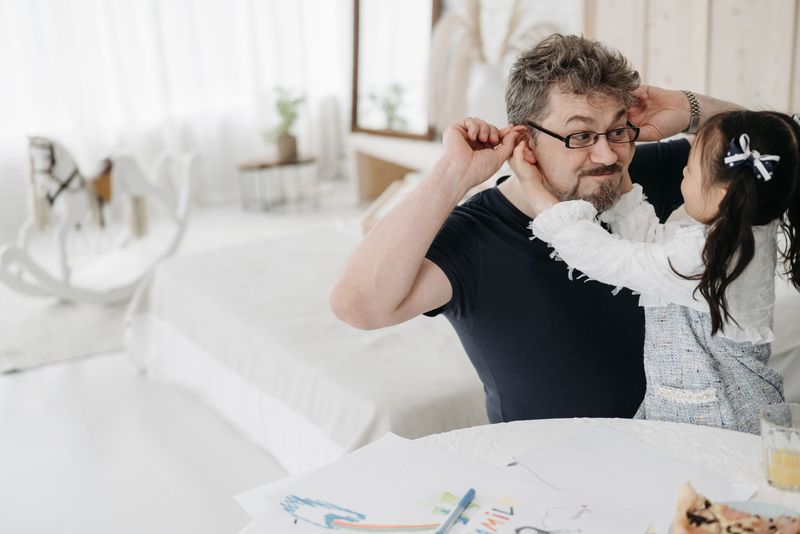
A toddler’s meltdown in the cereal aisle is a real test of character.
Staying calm while tiny fists pound the floor deserves a medal.
Patience matters in any relationship, but it becomes extra important with kids.
Fathers can struggle with impatience just like anyone else, especially after a long day.
A few strategies can help.
Adjust your expectations, skip overreacting to minor messes, and remember that the relationship matters more than winning the moment.
Calm under pressure is a skill you can learn rather than a trait you’re born with.
Even during a tense argument, you can practice slowing your breathing and choosing your words.
Many male caregivers handle heavy responsibilities with quiet composure.
The catch is that they sometimes keep the stress bottled up instead of letting it out in healthy ways.
Self-regulation is not the same as stuffing feelings down.
It means noticing frustration, naming it, and deciding how to respond instead of reacting on autopilot.
Next time pressure builds, try counting to five before you speak.
Those few seconds often turn a shouting match into a conversation that actually solves something.
12. A Strong Social Conscience

Injustice anywhere is a threat to justice everywhere.
Martin Luther King Jr. wrote those words in his 1963 Letter from Birmingham Jail, and they still land with force.
Compassion for strangers is often tagged as a soft or feminine quality.
History tells a different story, filled with men who built entire lives around caring for others.
Mahatma Gandhi championed nonviolence as a powerful force for change.
His approach helped shape India’s independence movement and inspired civil rights leaders around the world.
Today, public figures like John Legend, Mark Ruffalo, and LeBron James use their platforms for causes they believe in.
Their work includes support for racial justice, education, and other social issues.
You don’t need fame to have a social conscience.
Volunteering at a food bank, mentoring a teenager, or speaking up when someone gets mistreated all count.
Caring about fairness can also shape small daily choices.
That might mean supporting local businesses, checking on an older neighbor, or listening to people whose lives look different from yours.
Kindness toward others is a trait worth passing down.
Boys who see men act with compassion tend to grow up believing it’s simply what good people do.