 MomSkoop

Shopping for clothes after 50 does not have to feel complicated or frustrating. The right pieces can make you look sharp, feel confident, and express your personal style without much effort.
Knowing a few simple guidelines can save you time, money, and closet space. These tips are practical, easy to follow, and built for real life.
1. Prioritize Fit Over Trends
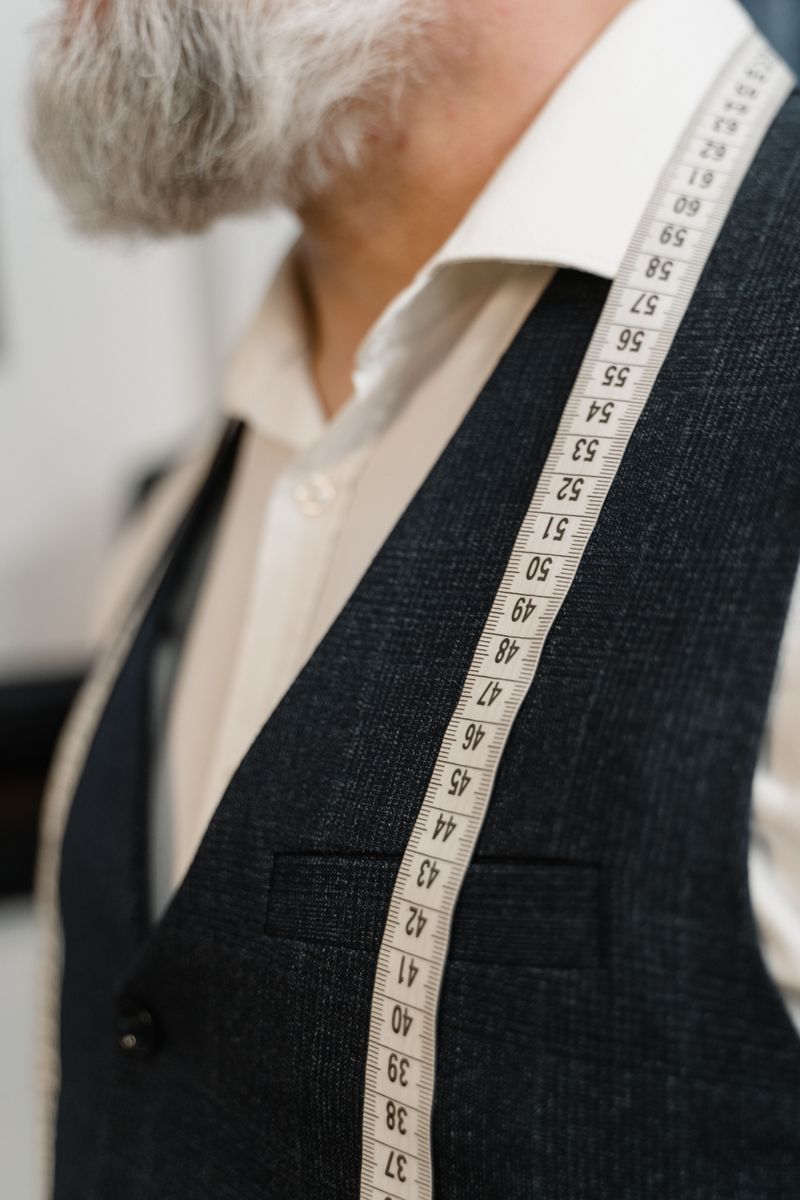
A great outfit starts with fit, not fashion.
No matter how stylish a piece looks on the hanger, if it does not fit your body well, it will not look good on you.
Clothes that are too tight pull and bunch, while overly baggy pieces can make you look shapeless.
Well-fitting clothes instantly add polish and confidence to your appearance.
When shopping, take your time trying things on.
Pay attention to how the shoulders sit, how the chest feels, and whether the length works for your frame.
A simple, affordable shirt that fits perfectly will always outshine an expensive one that fits poorly.
Fit is the single most powerful tool in your wardrobe.
2. Invest in Quality Basics

Think of quality basics as the foundation of a wardrobe that actually works.
Oxford shirts, polo shirts, chinos, dark jeans, classic sweaters, and well-cut jackets are the building blocks that make getting dressed easy every single day.
Cheap basics wear out fast and often look tired after a few washes.
Spending a little more on dependable pieces means they hold their shape, color, and structure far longer.
Over time, this actually saves money.
Start by replacing worn-out items with one quality version at a time.
You do not need a large wardrobe.
A smaller collection of reliable, versatile pieces you genuinely enjoy wearing is worth far more than a closet packed with forgettable options.
3. Choose Flattering, Versatile Colors

Color can either work for you or against you, and the good news is that a handful of reliable shades make everything easier.
Navy, charcoal, olive, beige, white, and light blue are classics for good reason.
They coordinate effortlessly with almost anything else in your wardrobe.
These neutral tones also tend to be flattering for a wide range of skin tones and body types, which makes them a smart starting point for any outfit.
Once you have these covered, you can add brighter colors as accents through a scarf, a pocket square, or a casual shirt.
Building around versatile colors means fewer mismatched outfits and more combinations that just work without overthinking it every morning.
4. Pay Attention to Proportions
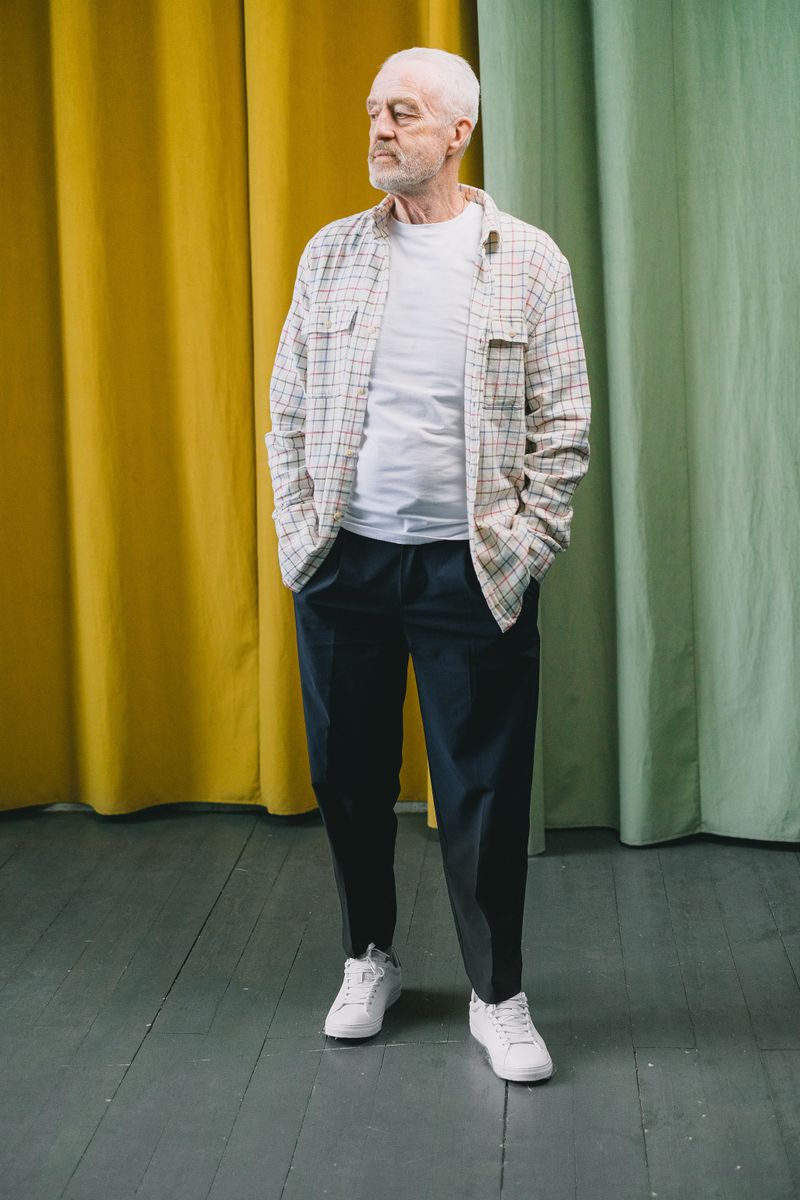
Proportions are one of those details most people overlook, but they make a huge difference.
Jacket length, trouser rise, sleeve length, and shirt length all affect how balanced and put-together an outfit looks from head to toe.
A jacket that is too long can shorten your legs visually.
Trousers with too low a rise can look sloppy.
Sleeves that are too long hide your hands and make a jacket look oversized.
Getting these details right does not require a tailor every time, but it does require paying close attention when you try things on.
Take a moment to assess the full picture in the mirror before buying.
Proportions are the quiet difference between looking dressed and looking polished.
5. Dress Current, Not Younger
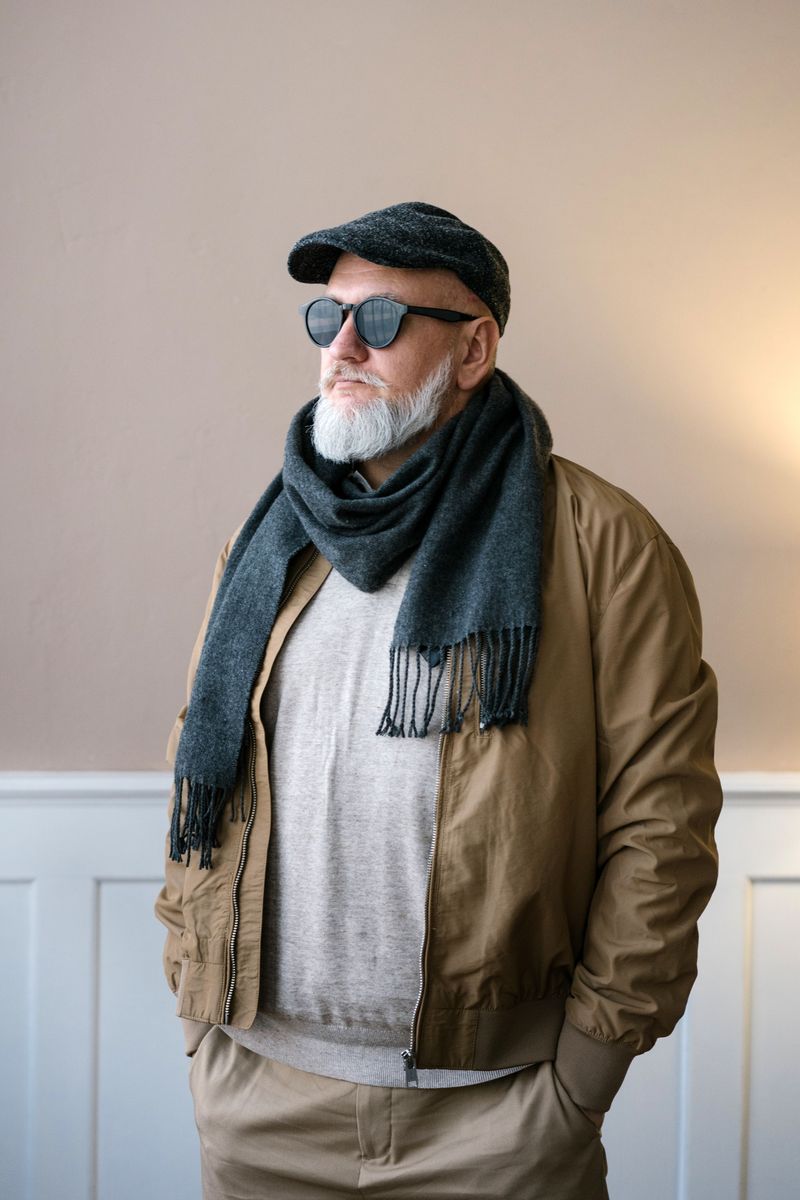
There is a common mistake many men make after 50: trying to dress like they did at 25, or worse, chasing teenage trends to feel relevant.
Neither approach tends to work well, and both can feel uncomfortable to wear day to day.
Looking modern does not mean looking young.
Contemporary cuts, updated collar styles, and clean silhouettes can all feel fresh without feeling forced.
The goal is clothing that feels natural and suits who you are right now.
Skip the oversized graphic tees and ripped jeans unless that genuinely reflects your personality.
Instead, look for updated versions of classic styles.
A modern-cut blazer or a well-fitted polo can look current without trying too hard or stepping outside your comfort zone.
6. Buy Better Shoes
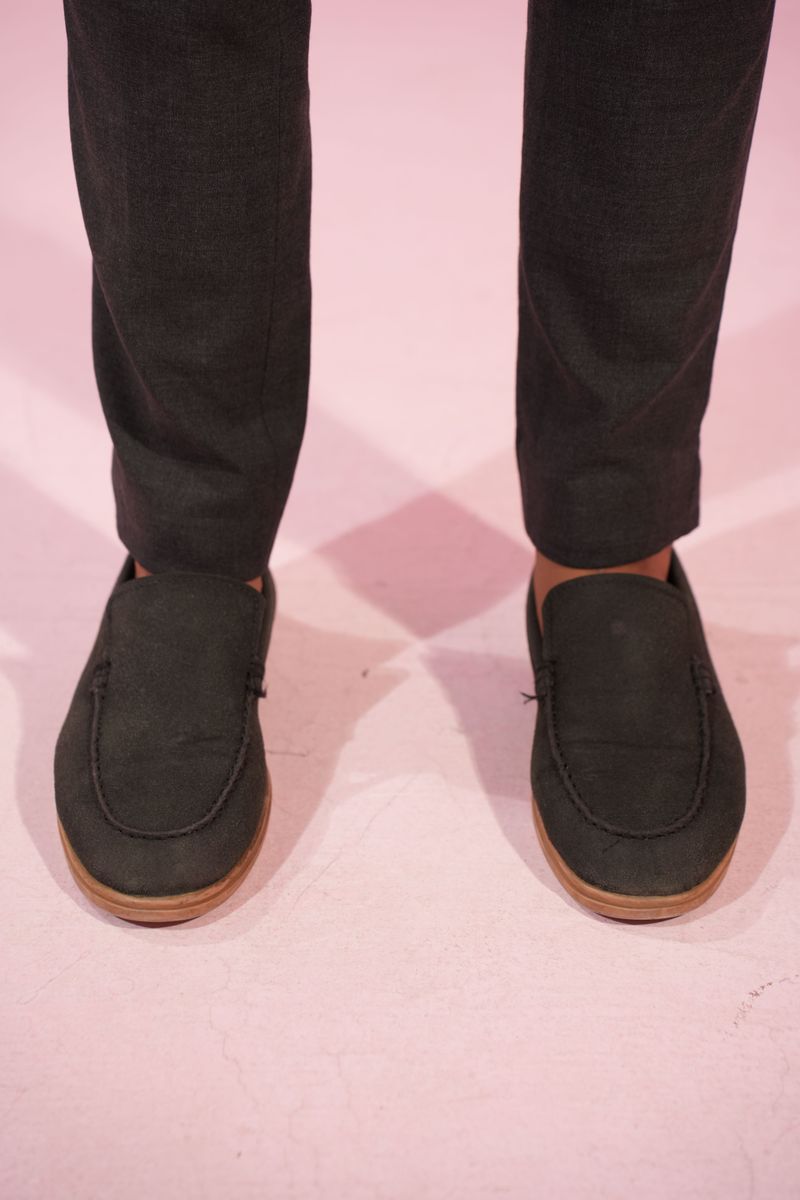
Shoes have a quiet power that most people underestimate.
A worn-out, scruffy pair of shoes can drag down even a well-chosen outfit, while clean, quality footwear can lift the whole look instantly.
It is one of the fastest upgrades you can make.
For men over 50, the sweet spot is footwear that balances style with comfort.
Leather sneakers, loafers, Chelsea boots, and classic lace-up shoes all hit that mark nicely.
Look for options with cushioned insoles or supportive construction if you are on your feet a lot.
You do not need a dozen pairs.
Three or four quality shoes in neutral tones will cover most situations.
Take care of them with regular cleaning and conditioning, and they will last for years.
7. Choose Fabrics That Look and Feel Good
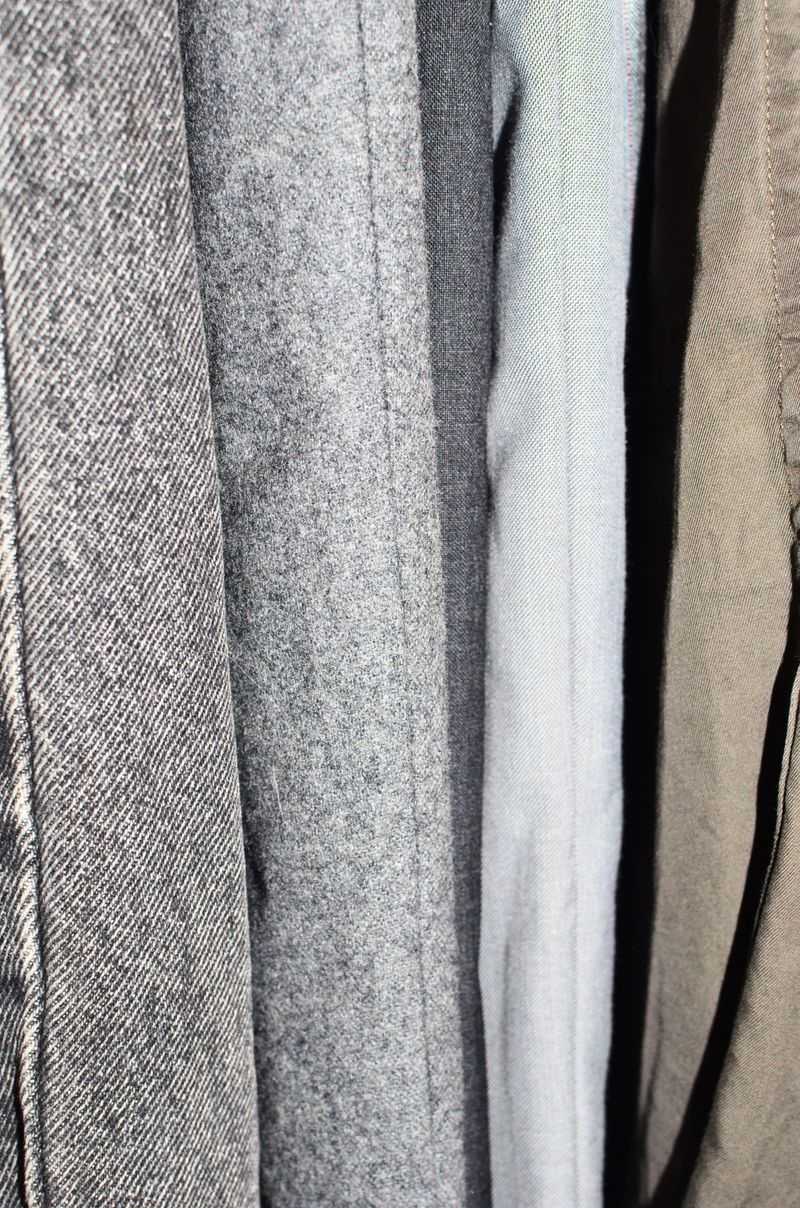
Fabric matters more than most people realize, especially after 50 when comfort becomes just as important as appearance.
Cotton, wool, linen, and cashmere blends tend to drape better on the body, breathe more naturally, and hold their shape wash after wash.
Synthetic fabrics like cheap polyester can look shiny under light, trap heat, and pill quickly.
They often feel uncomfortable against the skin after a few hours of wear.
Quality natural fabrics simply feel better throughout the day.
When shopping, get into the habit of checking the fabric label before you check the price tag.
A well-made linen shirt or a soft merino wool sweater might cost a bit more upfront, but the difference in comfort and appearance is immediately noticeable.
8. Use Tailoring When Necessary
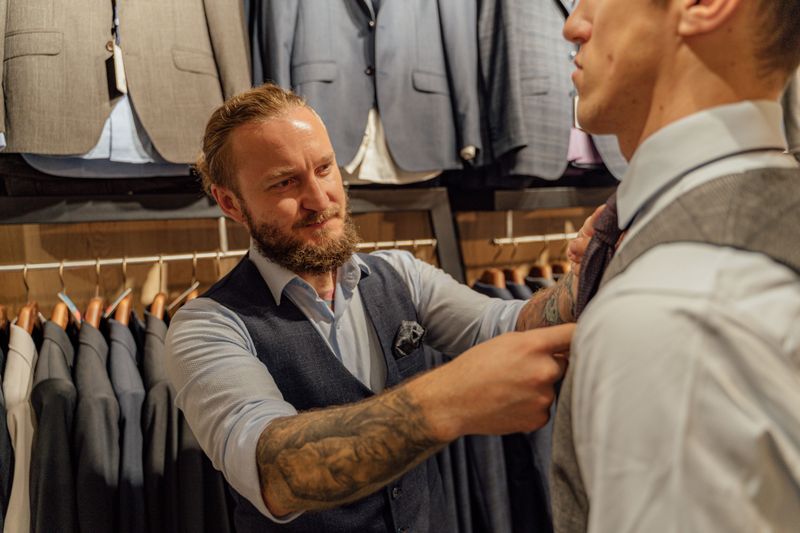
Here is something most men do not know: even expensive, well-made clothing rarely fits perfectly straight off the rack.
Bodies are all different, and standard sizing is just an average.
A small alteration can turn a good piece into one that looks custom-made.
Common fixes include hemming trousers, taking in the waist of a jacket, shortening shirt sleeves, or tapering a shirt body.
These alterations are often surprisingly affordable and can be done quickly at a local tailor or dry cleaner.
Think of tailoring as the finishing touch rather than an extra expense.
Spending twenty dollars to alter a sixty-dollar shirt makes it look like a hundred-dollar shirt.
That kind of upgrade is hard to beat anywhere in the store.
9. Shop for Your Actual Lifestyle

One of the most common wardrobe mistakes is buying clothes for a life you wish you had rather than the one you actually live.
A closet full of formal suits does little good if you mostly work from home and spend weekends outdoors.
Think honestly about your weekly routine.
How often do you go to the office?
Do you travel frequently?
Are dinners out a regular thing?
Your wardrobe should reflect those real activities, not an imaginary version of your schedule.
A smaller, focused wardrobe built around what you genuinely do every week is far more useful than a packed closet of rarely worn pieces.
Buy for your real life, and getting dressed each morning becomes noticeably easier and more enjoyable.