 MomSkoop

Some men seem perfectly happy staying home alone, rarely inviting people over or building large social circles. While others might find this strange, these men often have very specific reasons for living this way.
Their behavior isn’t about being rude or unfriendly — it usually comes down to a unique set of personality traits that shape how they experience the world. Understanding these traits can help you see their lifestyle in a whole new light.
1. Strong Preference for Solitude

For some men, being alone isn’t lonely — it’s actually the most refreshing part of their day.
While many people recharge by hanging out with friends, these men gain their energy back by spending quiet time on their own.
A busy social weekend can leave them feeling worn out rather than fulfilled.
This isn’t shyness or sadness.
It’s a deeply wired need for peace and personal time.
They may enjoy walks alone, solo hobbies, or just sitting quietly without any noise or demands.
Solitude feels productive and restorative to them.
Recognizing this trait helps explain why they rarely invite people over.
Their alone time isn’t empty — it’s essential to how they function and feel their best.
2. Selective Trust That Takes Time to Build

Trust doesn’t come easily to everyone, and for these men, it’s something that has to be earned slowly over time.
They don’t open up to just anyone, and they’re very careful about who they let into their personal world.
Having a few deeply trusted people matters far more to them than having a wide circle of casual friends.
This selective approach to relationships can look like coldness from the outside, but it’s really about quality over quantity.
They’d rather have one truly loyal friend than ten people they barely know.
Once trust is earned, though, their loyalty runs deep.
These men tend to be incredibly dependable and sincere with the small group of people they truly let in.
3. High Value Placed on Personal Space

Home means something different to a man who guards his personal space carefully.
For him, it’s not just a place to sleep — it’s a controlled, calm environment built exactly the way he likes it.
Having visitors show up can genuinely feel disruptive, even if those visitors mean well.
Think of it like a sanctuary.
Every item is in its place, the noise level is managed, and the energy inside matches what he needs to feel calm.
An unexpected knock at the door can throw all of that off balance.
This doesn’t mean he dislikes people entirely.
He simply values having a space that belongs fully to him, where he can breathe freely without adjusting to anyone else’s presence or energy.
4. Deep Focus on Personal Interests and Pursuits

When a man pours himself into a passion, social visits can start to feel like interruptions rather than treats.
Many men who keep to themselves are deeply invested in hobbies, personal projects, or intellectual work that demands real concentration and time.
Their world is rich — just built around ideas and interests rather than people.
Whether it’s woodworking, coding, writing, or studying history, these pursuits fill the hours that others might spend socializing.
The satisfaction they get from mastering a skill or completing a project is genuinely fulfilling to them.
Far from being bored or isolated, they often feel busier than ever.
Their calendar is packed — just not with social events.
Their energy goes toward building something meaningful on their own terms.
5. Low Tolerance for Superficial Interaction

Small talk can feel like fingernails on a chalkboard for men who crave meaningful conversations.
Chatting about the weather, sports scores, or weekend plans just doesn’t hold their interest.
They want real discussions — the kind that actually go somewhere and mean something.
This low tolerance for surface-level interaction is one reason they avoid casual social settings.
Parties, group hangouts, or even short visits from neighbors can feel draining when the conversation never gets past pleasantries.
It’s not arrogance — it’s a genuine mismatch of communication styles.
Give them a deep topic, a real problem to solve together, or an honest conversation about life, and they light up.
Depth is what draws them in, and shallow interaction simply doesn’t cut it for long.
6. Emotional Self-Reliance as a Core Habit

Some men learned early on that working through feelings on their own was simply the most effective method.
Rather than calling a friend or venting to someone, they sit with their thoughts, analyze the situation, and find their own path forward.
Emotional self-reliance becomes second nature over time.
This trait can make them appear distant or hard to read, especially to people who expect more openness.
But inside, they’re doing a lot of emotional heavy lifting — just quietly and privately.
They rarely feel the urge to lean on others for support.
The upside?
They tend to be incredibly stable and grounded in a crisis.
The downside is that bottling things up for too long can become isolating, even when it feels like the comfortable choice.
7. Heightened Sensitivity to Social Energy

Not everyone processes social environments the same way.
For some men, even a small group of visitors creates a sensory and emotional load that becomes exhausting fast.
Loud voices, overlapping conversations, and the pressure to be “on” can quickly drain their mental reserves.
This heightened sensitivity isn’t a weakness — it’s just how their nervous system responds to external stimulation.
Psychologists often connect this to introversion or high sensitivity, both of which are completely normal personality traits shared by millions of people.
After a social visit, these men may need hours — sometimes a full day — to feel like themselves again.
Knowing this about themselves, they naturally limit how often they invite social energy into their space to protect their wellbeing.
8. Clear and Firm Personal Boundaries

Boundaries aren’t walls — they’re guidelines that protect a person’s time, energy, and emotional health.
Men who avoid visitors and keep few friends tend to have very clear ideas about who gets access to their life and under what conditions.
They don’t apologize for this, and they rarely make exceptions.
To outsiders, this can come across as rigid or even rude.
But from their perspective, setting boundaries is an act of self-respect.
They’ve learned — often through experience — that saying yes too often leads to resentment and exhaustion.
These men are usually upfront about their limits, which actually makes them easier to deal with in some ways.
You always know where you stand, and there’s no guessing involved in the relationship.
9. Past Experiences That Shaped a Distance-First Approach

Life has a way of teaching hard lessons through the people who hurt us most.
Betrayal by a close friend, a toxic relationship, public embarrassment, or repeated judgment can leave lasting marks on how a person approaches connection.
For many men who keep their circle small, painful history plays a big role.
After being burned enough times, pulling back starts to feel like the smart move.
Distance becomes a shield, and a quiet life starts to look a lot more appealing than risking more disappointment.
It’s a coping strategy that made sense at the time and simply stuck around.
Healing from these experiences is possible, but it takes real effort and the right support.
Many of these men carry old wounds they haven’t fully addressed, which quietly shapes every social decision they make.
10. Independent Lifestyle Built Around Full Autonomy
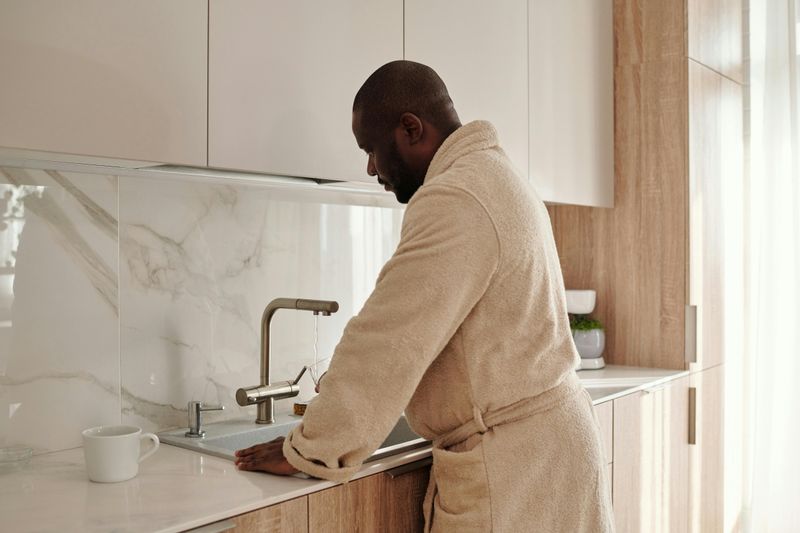
Freedom to live exactly as they choose is non-negotiable for men who thrive in solitude.
Their daily routines, home environment, meal schedules, and weekend plans are all designed around their personal preferences — with no need for compromise or coordination with others.
Autonomy isn’t just a perk for them; it’s a requirement.
Introducing regular visitors or social obligations would mean giving up some of that control, which feels genuinely uncomfortable.
Even well-meaning friends can disrupt a carefully built rhythm without realizing it.
This independent orientation often makes them incredibly capable and self-sufficient.
They handle their own problems, manage their own lives, and rarely need to ask for help.
Their world runs smoothly because they built it that way — intentionally, methodically, and entirely on their own terms.