
Life has a way of teaching lessons that no book, classroom, or piece of advice ever could. For many men, some of the most valuable insights come from navigating difficult experiences, whether it’s heartbreak, personal failure, financial struggles, or unexpected setbacks. These challenges can change how they see the world, approach relationships, and respond to everyday situations. Over time, the lessons they’ve learned often become reflected in the way they speak, revealing a deeper sense of self-awareness, emotional maturity, and resilience.
Men who have been through tough times and genuinely grown from those experiences may communicate differently than they once did. Instead of feeling the need to prove themselves, win every argument, or control every outcome, they often choose words that reflect patience, understanding, and perspective. Sometimes, a simple phrase can reveal just how much someone has learned from life’s ups and downs. Here are 12 common phrases that men who have learned from difficult experiences may use, and what these expressions can reveal about their personal growth.
1. It Is What It Is

Five tiny words, and somehow they can calm down an entire bad afternoon.
The saying has been around since at least 1949, when it showed up in a Nebraska newspaper describing tough frontier living.
When a man who has weathered a rough season says it, he usually isn’t giving up.
He’s naming the situation honestly so he can stop arguing with it and start working around it.
Think about a flight that gets canceled at the gate.
Yelling at the screen won’t bring the plane back, but accepting the delay frees you to rebook, call home, or grab a snack before the line gets long.
Of course, the phrase can be misused as a way to dodge responsibility.
If a problem is fixable, “it is what it is” can turn into an excuse dressed up as wisdom.
The trick is knowing which category you’re in.
Ask yourself whether the situation is truly locked in, or whether you just don’t want to deal with it yet.
Used well, the phrase works like a reset button.
It lets you skip the hours of fuming and move straight to the question that matters most, which is what happens next.
2. I’ve Been Through Worse
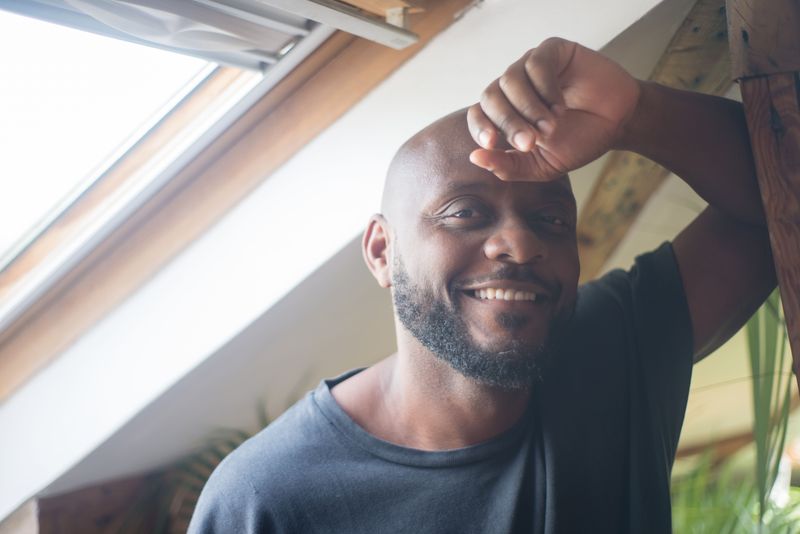
Flat tire in the rain, phone at two percent, and he’s still grinning.
That’s often the guy who mutters, “I’ve been through worse,” and actually means it.
The phrase works like a personal highlight reel of survival.
Instead of treating a new problem as the biggest disaster ever, he compares it to older challenges he already handled.
Those past struggles become evidence, not just memories.
If he made it through a layoff, a breakup, or a scary hospital stay, a broken dishwasher suddenly looks pretty small.
You can borrow this habit without any dramatic backstory.
Try keeping a short mental list of moments you got through, even ordinary ones like a brutal exam week or a move across town.
When stress hits, pull out that list and remind yourself what you already managed.
It won’t make the problem disappear, but it can shrink it down to a size you can work with.
One small caution belongs here.
Saying “I’ve been through worse” shouldn’t stop you from asking for help when you need it, because toughness and support can share the same toolbox.
3. I’ll Figure It Out

Nobody hands out a manual for adult life, which is probably why this phrase gets so much use.
A man who says “I’ll figure it out” is admitting he doesn’t have the answer yet, and he’s okay with that.
That calm usually comes from experience.
Somewhere along the way, he faced a problem with no clear solution and discovered he could learn as he went.
Picking up a new skill at work, fixing a leaky faucet with a video tutorial, or budgeting after a pay cut all start the same way.
You take one small step, check the result, and adjust.
The phrase doesn’t mean doing everything alone, either.
Figuring things out often includes asking a friend, calling a pro, or reading the instructions he skipped the first time.
Here’s a practical way to use it yourself.
Break a big, scary task into the very next action, like making one phone call or writing one list.
Confidence tends to grow from those little wins stacking up.
Before long, “I’ll figure it out” stops sounding like a guess and starts sounding like a track record.
4. Actions Speak Louder Than Words

Promises are cheap, and anyone who has been let down a few times knows it.
That’s why some men lean hard on the old line, “Actions speak louder than words.”
The idea is simple.
Watch what people do, not just what they say they’ll do.
A man who once trusted a friend who never showed up, or a boss who never followed through, often learns to judge by results.
He pays attention to who arrives on moving day and who only texts “good luck.”
The sharpest part of this phrase is that it points both ways.
If he expects others to back up their words, he has to hold himself to the same standard.
That might mean saying yes less often, but meaning it every time.
It could also look like showing up early, returning calls, or quietly finishing a job without needing applause.
Want to put it into practice?
Pick one promise you’ve made recently and follow through before anyone reminds you.
People tend to notice reliability more than speeches.
Over time, a steady pattern of follow-through builds the kind of trust no pep talk can manufacture.
5. You Can’t Control Everything

Some guys try to steer life like a remote-control car, and it works great until the batteries run out.
The men who learned that lesson often say, “You can’t control everything.”
Usually, the realization comes after gripping too tightly.
Maybe he tried to manage every detail of a project, a relationship, or his kids’ choices, and ended up exhausted.
The phrase isn’t about tossing your hands up.
It’s about sorting life into two piles: things you can influence and things you can’t.
Your effort, your attitude, and your words land in the first pile.
Traffic, the weather, the economy, and other people’s moods mostly land in the second.
A simple exercise can help.
When something is bugging you, write it down and mark whether you can actually do something about it today.
If you can, take one step.
If you can’t, practice letting it ride, even if that feels awkward at first.
Plenty of stress comes from wrestling with the second pile.
Shifting energy toward the first pile won’t make life perfect, but it can make your days feel a lot less like a tug-of-war.
6. I’ve Learned to Value What I Have

Loss rearranges priorities fast.
A man who has lost a job, a friendship, or a loved one may come out the other side saying, “I’ve learned to value what I have.”
Gratitude can sound like a greeting card word, but here it’s practical.
It means noticing the people and comforts still in your life before they slip away unnoticed.
For some men, that shows up as slower Sunday mornings.
For others, it’s calling Mom more often or finally fixing the porch swing the kids love.
Valuing what you have doesn’t mean pretending pain never happened.
It means holding both truths at once: something hurt, and something good is still here.
You can try a low-key version of this mindset.
At the end of the day, name three specific things you appreciated, like a funny text, a decent cup of coffee, or a quiet drive home.
Specific beats general every time. “My family” is nice, but “my daughter’s terrible knock-knock joke” sticks better.
Small habits like this can shift your attention toward what’s working.
And sometimes that shift is exactly what helps a hard season feel a little lighter.
7. Nothing Lasts Forever

Autumn leaves fall, phones need upgrades, and favorite diners close.
Men who have lived through big changes often sum it up with three words: “Nothing lasts forever.”
At first, the phrase can sound gloomy.
In practice, it often works the opposite way, because it cuts both directions.
Hard times don’t last forever either.
A man who remembers that can ride out a rough month without assuming it will define the rest of his life.
Good times are temporary too, which can make them sweeter.
Knowing your kid won’t want piggyback rides at fifteen might make you say yes a little more often now.
The saying also helps with adapting.
When a career path shifts or a friend moves away, he’s less likely to freeze, because change was always part of the deal.
A practical way to use this idea is during stressful stretches.
Remind yourself that this chapter has an ending, even if you can’t see it yet.
Then flip it around on good days.
Pause long enough to notice them, because they deserve your attention while they’re happening, not just in hindsight.
8. I Learn From My Mistakes

Ask any woodworker about his first bookshelf, and you’ll probably get a laugh and a story about crooked shelves.
Men who say “I learn from my mistakes” usually have a few crooked shelves of their own.
The phrase shows a healthy relationship with messing up.
Mistakes aren’t treated as proof of failure, but as feedback.
That shift matters.
Someone who beats himself up for every error might start avoiding risks altogether, while someone who studies his errors keeps improving.
Learning from a mistake has a few simple steps.
Look at what happened, figure out what you’d do differently, and actually try the new approach next time.
The last step is where many people stall.
It’s easy to say you’ve learned something and then repeat the exact same pattern a month later.
One helpful trick is jotting a quick note after something goes sideways.
Write what went wrong and one change you’ll make, then glance at it before a similar situation.
Over time, those notes become a personal playbook.
And honestly, a guy who can laugh about his wobbly bookshelf is usually the one building a much better one next.
9. I Know I Can Overcome Anything

Big words, right?
When a man who has faced serious trials says “I know I can overcome anything,” it can sound bold, but it usually has history behind it.
The confidence doesn’t come from never feeling afraid.
It comes from having been scared before and getting through anyway.
Maybe he rebuilt after a business failed or recovered from a long illness.
Those experiences give him proof that fear isn’t the final word.
Still, the phrase works best as a mantra, not a literal promise.
Nobody can guarantee every outcome, and some battles need teammates, doctors, or counselors.
What the saying really captures is determination.
It’s a reminder to keep moving, adapt when plans fall apart, and trust your ability to find a path forward.
You can build this belief gradually.
Take on manageable challenges, like a tough hike, a new class, or a difficult conversation you’ve been avoiding.
Each one you finish adds a little more evidence.
Eventually, the mountain summit in your mind stops looking quite so steep, and your inner voice starts sounding a lot more like a coach than a critic.
10. I’m Grateful for Every Day I’m Alive

Sunrise coffee hits differently for some people.
A man who has faced a health scare or a close call might sip it and say, “I’m grateful for every day I’m alive.”
That kind of gratitude often grows after life gets shaky.
When stability disappears for a while, ordinary mornings start feeling less ordinary.
He may notice small stuff more: birds at the feeder, a good song on the radio, or his grandkid’s goofy dance.
Things once filed under “background noise” suddenly earn a spot in the spotlight.
This phrase also carries humility.
It admits that tomorrow isn’t promised, so today deserves attention instead of autopilot.
You don’t need a dramatic event to borrow the mindset.
Try starting the morning by noticing one thing you’re glad to experience, even if it’s just a hot shower that actually stays hot.
Another option is putting your phone down during one meal a day.
Being present for small moments is a simple way to practice appreciation.
These habits won’t erase life’s worries.
Yet they can help you feel more connected to the days you’re living, rather than rushing straight past them.
11. My Past Taught Me to Be Strong

Old photo albums can tell stories the subjects rarely say out loud.
A man flipping through his past might sum it up with, “My past taught me to be strong.”
The phrase is a kind of peace treaty with history.
Instead of hiding painful chapters, he acknowledges they helped shape who he is now.
That doesn’t mean the hard parts were good.
A rough childhood or a painful divorce can still hurt, even years later.
What changes is the way he carries it.
He recognizes the patience, grit, or empathy he built while getting through those chapters.
Reframing your own story can be useful.
Think of one tough period and ask what skill or trait you developed because of it.
Maybe you learned to budget, to listen better, or to spot people who don’t keep their word.
Naming those gains can make the past feel less like baggage and more like training.
If old memories feel too heavy to sort through alone, talking with a trusted friend or counselor can help.
Strength often includes knowing when to share the load instead of hauling it solo.
12. I Accept My Mistake

“My bad” might be the shortest apology in English, yet plenty of people struggle to say it.
A man who can calmly say “I accept my mistake” is showing a rare kind of backbone.
Owning an error takes self-awareness.
He has to notice what went wrong, skip the excuses, and admit his part.
Defensiveness is the easier route for most of us.
Blaming traffic, the printer, or a coworker feels safer in the moment.
Still, accountability tends to earn respect.
When someone takes responsibility quickly, the conversation can shift from blame to fixing the problem.
Men who learned this through hard experience often know that hiding mistakes usually makes them bigger.
A small error left unspoken can snowball into a trust problem.
Want a simple formula?
Name the mistake, say you’re sorry, and explain what you’ll do to make it right.
For example: “I missed the deadline, I’m sorry, and I’ll have it done by noon tomorrow.” Clear, short, and drama-free.
Mistakes are part of being human, not a character flaw.
Owning them gracefully might be one of the strongest things a person can say out loud.