 MomSkoop

When love starts to fade, it doesn’t always come with a dramatic announcement or a clear conversation. Instead, the signs show up quietly in everyday moments at home, through small changes in behavior that can be easy to miss at first.
If you’re wondering whether your partner’s feelings have shifted, paying attention to these subtle patterns can help you understand what’s really going on.
1. No Longer Initiating Affection
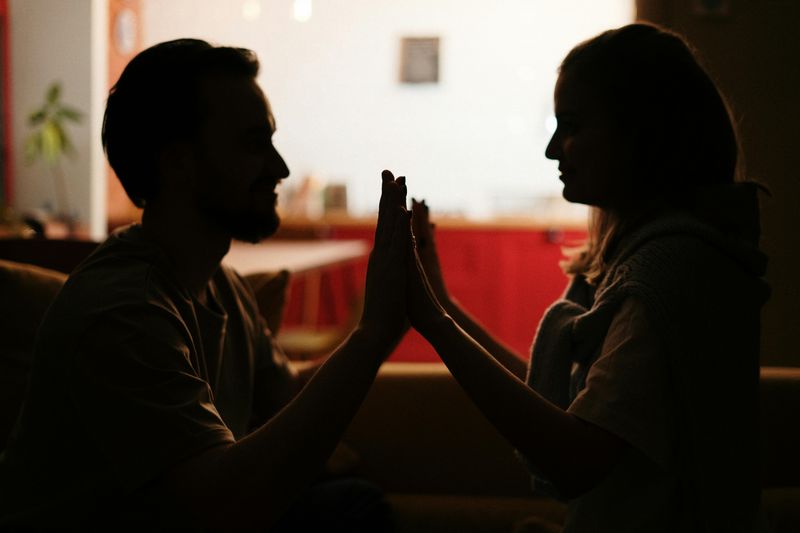
Physical touch used to be natural and frequent, but now it feels like something from the past.
He doesn’t reach for your hand anymore while watching TV or give you a quick kiss before heading out the door.
The spontaneous hugs and gentle touches that once felt automatic have quietly disappeared.
Affection becomes something he only responds to rather than offers freely.
Even when you initiate, his response might feel mechanical or half-hearted, lacking the warmth it once had.
This shift often signals an emotional distance growing between you both.
When someone pulls back from physical connection, it usually reflects deeper feelings changing underneath the surface of daily life together.
2. Showing Irritability over Small Things

Suddenly, everything seems to bother him more than it should.
The way you load the dishwasher, the sound of your laughter, or even how you ask about his day can trigger an unexpected sharp response.
Small annoyances that he used to brush off now become sources of tension and frustration.
This heightened irritability isn’t really about the dishes or the questions.
It’s often a sign that he’s feeling trapped or uncomfortable in the relationship itself.
When emotional connection weakens, patience tends to wear thin too.
Things that love once made tolerable suddenly feel unbearable, and he struggles to hide his growing discontent with the smallest everyday interactions at home.
3. Not Noticing His Wife

You got a new haircut, but he didn’t say a word.
You’re wearing his favorite dress, and he walks right past without a glance.
The compliments and observations that used to come naturally have stopped completely, leaving you feeling invisible in your own home.
He’s physically present but emotionally checked out, no longer paying attention to the details that matter to you.
This lack of noticing extends beyond appearance to your feelings, your efforts, and your presence overall.
When a man stops seeing his partner, it often means he’s stopped investing emotional energy into the relationship.
You become background noise rather than someone he actively engages with and appreciates.
4. Avoiding Being at Home

He suddenly has more reasons to stay late at work, extra errands to run, or new hobbies that keep him away.
Weekends that you used to spend together now find him volunteering for projects or hanging out with friends more often.
Home, which should feel like a refuge, has become a place he actively avoids.
This pattern reveals discomfort with being in your shared space and presence.
When feelings fade, the home environment can feel suffocating rather than comforting.
Finding reasons to be elsewhere becomes his way of creating distance without having difficult conversations.
The more time he spends away, the less he has to confront what’s really happening between you both.
5. Retreating into Silence

Conversations that once flowed easily now hit walls of silence.
He gives one-word answers, avoids eye contact, and seems lost in his own thoughts even when you’re sitting right next to him.
The comfortable chatter and easy back-and-forth you used to share has been replaced by awkward quiet.
This silence isn’t peaceful or companionable anymore.
It feels heavy and filled with things left unsaid, creating an invisible barrier between you.
When someone retreats emotionally, words become harder to share.
He might not know how to express what he’s feeling, or perhaps he’s afraid of hurting you, so silence becomes his default response to almost everything at home.
6. Not Making Future Plans

Remember when he used to talk excitedly about vacation ideas or plans for next year?
Now, whenever you bring up future events, he gives vague responses or changes the subject quickly.
He avoids committing to anything beyond next week, leaving you wondering if he even sees a future together.
This reluctance to plan ahead speaks volumes about his investment in the relationship.
People make plans for futures they want to be part of.
When he stops looking forward with you, it suggests he’s uncertain about whether he’ll still be around.
The absence of shared dreams and goals becomes one of the clearest signs that his heart is no longer fully in it.
7. Replacing Intimacy with Screens

His phone, laptop, or TV has become his primary companion at home.
Instead of talking with you or spending quality time together, he scrolls endlessly through social media or binge-watches shows alone.
The screens create a convenient barrier that keeps genuine connection at bay.
This digital retreat offers him an escape from emotional intimacy without having to physically leave.
It’s easier to zone out into a device than to engage with complicated feelings or uncomfortable relationship dynamics.
When technology consistently takes priority over your presence, it signals that he’s choosing distraction over connection.
The glow of the screen becomes more appealing than the reality of being present with you.
8. Becoming Defensive

Any question or concern you raise is met with defensiveness and pushback.
Simple inquiries about his day or gentle suggestions suddenly turn into arguments.
He interprets everything as criticism, even when you’re just trying to have a normal conversation.
This defensive stance often masks guilt or internal conflict about his changing feelings.
When someone knows they’re emotionally pulling away, they can become hypersensitive to anything that might expose that truth.
His defensiveness creates another wall between you, making honest communication nearly impossible.
Instead of working through issues together, every interaction becomes a potential conflict that pushes you further apart and makes the home environment feel tense and uncomfortable.
9. Sharing Less About His Day

He used to tell you about work drama, funny moments with friends, or random thoughts that crossed his mind.
Now, when you ask about his day, you get a quick summary with no real details or emotion.
The window into his inner world has quietly closed, leaving you on the outside.
Sharing daily experiences is how couples stay connected to each other’s lives.
When that sharing stops, it creates emotional distance that grows wider over time.
He might be sharing those stories with someone else, or he simply doesn’t feel the desire to let you in anymore.
Either way, this withdrawal of everyday communication signals a significant shift in his emotional investment.
10. Sleeping on Opposite Schedules

He suddenly stays up much later than you or goes to bed unusually early.
The shared bedtime routine that once brought you together each night has disappeared.
He finds reasons to be awake when you’re asleep and asleep when you’re awake, minimizing the time you spend in bed together.
This schedule shift isn’t accidental.
It’s a way to avoid intimacy and the vulnerability that comes with sharing quiet, private moments.
Bedtime used to be a space for connection, conversation, and closeness.
By changing his sleep patterns, he creates physical and emotional distance without having to explain why he doesn’t want to be close anymore.
The bedroom becomes another place of separation.
11. Withholding Kindness

Small acts of kindness that used to be routine have vanished completely.
He no longer makes your coffee in the morning, offers to help with chores, or does thoughtful things just because.
The generous spirit he once showed has been replaced with indifference or even coldness.
Kindness flows naturally from love and care.
When those feelings fade, so does the motivation to do nice things for your partner.
What used to be automatic gestures of affection now feel like too much effort.
This withholding creates a home environment that feels less warm and supportive, making you question where the caring person you fell in love with has gone and why he’s changed so much.
12. Not Fighting Anymore

Strangely, the arguments have stopped, but not because things are better.
He simply doesn’t engage when conflicts arise.
Instead of working through disagreements, he shuts down, agrees just to end the conversation, or walks away without resolution.
While less fighting might seem positive, it actually signals that he’s stopped caring enough to work through problems.
Fighting requires emotional investment and a desire to fix things.
When someone checks out emotionally, they stop fighting because the outcome no longer matters to them.
This eerie calm isn’t peace; it’s apathy.
The absence of conflict reveals an absence of passion and commitment to making the relationship work.
13. Acting Like a Roommate

Your relationship has transformed into something that feels more practical than romantic.
He handles his responsibilities around the house but without any emotional warmth or connection.
You coordinate schedules, split bills, and share space, but the partnership feels hollow and transactional.
The intimacy, playfulness, and deep connection that defined your relationship have been replaced by polite coexistence.
You’re living parallel lives under the same roof rather than sharing a life together.
This roommate dynamic is perhaps the clearest sign that romantic love has faded.
When someone treats their partner like a housemate instead of a beloved companion, the relationship has fundamentally changed in ways that are hard to ignore or deny.