 MomSkoop

The oldest millennials are hitting 40, and the milestone feels nothing like they imagined. They grew up hearing that hard work, education, and playing by the rules would lead to stability and success.
Instead, many are facing a very different reality — one shaped by recessions, rising costs, and a world that keeps shifting under their feet. Here is a look at the very real challenges millions of millennials are navigating as they enter this new chapter of life.
1. They’re Financially Behind Despite Doing Everything Right

Many millennials followed the playbook perfectly — went to college, got jobs, paid their taxes — and still find themselves financially stuck.
The 2008 financial crisis hit them right as they were starting out, wiping away early career momentum that never fully recovered.
Wages stagnated while the cost of living quietly climbed year after year.
Groceries, rent, childcare, and transportation all cost more, but paychecks did not grow at the same pace.
The math simply does not add up.
Feeling behind is not a sign of failure — it is a sign of a system that changed the rules mid-game.
Understanding this can help millennials stop blaming themselves and start making smarter, realistic financial decisions going forward.
2. Homeownership Feels Out of Reach, Even in Midlife
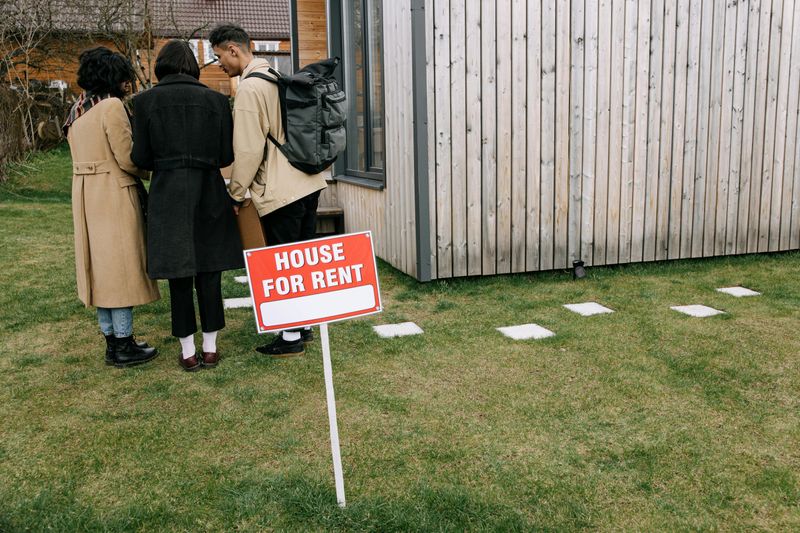
Buying a home used to be a rite of passage by your late twenties.
For millions of millennials, that dream has been pushed to the back burner — or completely off the stove.
Housing prices have skyrocketed in most major cities, and mortgage interest rates have made monthly payments nearly unaffordable for middle-income earners.
Even people with decent salaries are getting priced out of neighborhoods they grew up in.
Renting into your forties was once seen as unusual.
Now it is the norm for a large chunk of this generation.
Experts suggest exploring smaller cities, first-time buyer programs, and credit-building strategies as possible paths forward in a housing market that has not been kind to this group.
3. Retirement Savings Are Nowhere Near Where They Should Be

Financial advisors say you should have roughly three times your annual salary saved for retirement by age 40.
For most millennials, that number feels laughable — not because they are irresponsible, but because saving was nearly impossible during years of low wages and high expenses.
Student loans, rising rent, and economic downturns kept retirement contributions minimal or nonexistent for long stretches of time.
Starting late means missing out on years of compound interest, which is the real engine behind retirement growth.
The good news?
Starting now still matters.
Even small, consistent contributions to a 401(k) or IRA can make a meaningful difference over 20 to 25 years.
The worst move is giving up because the starting point feels discouraging.
4. Burnout Has Become a Permanent Lifestyle, Not a Temporary Phase

Remember when burnout was something that happened to overworked executives?
For millennials, it has quietly become a baseline way of living.
Work emails at midnight, side hustles on weekends, and zero downtime have blurred the line between ambition and exhaustion.
Research shows millennials report higher levels of burnout than any other generation in the workforce today.
The pressure to hustle constantly — pushed heavily by social media culture — has left many feeling like they are always running but never arriving anywhere meaningful.
Recovery requires more than a vacation.
Setting boundaries at work, prioritizing sleep, and learning to say no are essential first steps.
Burnout is a real health issue, and treating it seriously is not laziness — it is survival.
5. Student Debt Is Still Haunting Them Decades Later

Millennials were told that a college degree was the golden ticket to a better life.
What nobody mentioned clearly enough was the mountain of debt that often came with it.
The average millennial borrower still carries thousands of dollars in student loan debt well into their thirties and forties.
That debt has delayed major life milestones — buying homes, starting families, building savings.
It is not just a financial burden; it is an emotional one too, creating a constant background hum of stress and regret for many.
Income-driven repayment plans and loan forgiveness programs exist, but navigating them is complicated.
Speaking with a student loan counselor and exploring all available options can help borrowers find a more manageable path through what feels like a never-ending financial anchor.
6. Many Are Caring for Both Children and Aging Parents at the Same Time

Welcome to the sandwich generation — the exhausting reality of raising kids while simultaneously supporting aging parents.
Millennials are increasingly finding themselves squeezed from both sides, emotionally and financially, with little room to breathe.
Childcare costs are astronomical, and eldercare can be equally expensive.
Many are making tough choices about careers, housing, and personal goals just to keep everyone else afloat.
It is a selfless position that often leaves the caregiver completely depleted.
Building a support system is critical here.
Connecting with community resources, exploring respite care options, and having honest conversations with siblings about sharing caregiving responsibilities can ease some of the load.
You cannot pour from an empty cup, and asking for help is not weakness.
7. Stable Careers Are Disappearing Just as They Need Security Most

Layoffs, automation, and the rise of gig work have transformed the job market in ways that hit millennials especially hard.
Just as this generation reaches the age where stability should be setting in, entire industries are being restructured or replaced by technology.
The promise of climbing a corporate ladder and staying with one company for decades has essentially vanished.
Instead, many millennials are piecing together income from multiple sources, freelancing, or constantly reinventing their skill sets just to stay employable.
Upskilling is one of the most powerful tools available right now.
Online courses, certifications, and professional networks can open doors in growing fields.
Adaptability, while exhausting to maintain, has become the most valuable career asset a person in their forties can have today.
8. Friendships Are Getting Harder to Maintain as Life Pulls Everyone Apart

There is a quiet grief that comes with realizing your social circle has shrunk dramatically.
Friendships that once felt effortless now require scheduling three weeks in advance — and even then, someone cancels because of kids, work, or sheer exhaustion.
Studies show that adults in their forties report some of the highest levels of loneliness of any age group.
Busy lives, geographic moves, and changing priorities naturally thin out friend groups, but the loss still stings.
Humans are wired for connection, and isolation takes a real toll on mental and physical health.
Maintaining friendships takes intentional effort at this stage.
Regular check-ins, group chats, or even a monthly standing plans can keep bonds alive.
Quality matters far more than quantity when it comes to adult friendships.
9. Their Bodies Don’t Recover the Way They Used To, but Healthcare Is Expensive

Forty hits and suddenly the body starts sending memos it never sent before.
Recovery from a bad night of sleep takes two days.
A weekend of activity leads to a week of soreness.
Metabolism slows, joints protest, and energy levels require more maintenance than ever before.
The cruel twist?
Healthcare in the United States remains brutally expensive.
Many millennials are uninsured or underinsured, skipping doctor visits and prescriptions because the costs are simply out of reach.
Preventive care gets pushed aside until a small problem becomes a serious one.
Prioritizing basic health habits — consistent sleep, movement, hydration, and stress management — can make a significant difference without requiring expensive interventions.
Small, steady habits compound over time, just like financial investments, and the return is a higher quality of life.
10. Social Media Keeps Fueling Comparisons, Insecurity, and Feelings of Failure

Scrolling through Instagram at 40 can feel like attending a highlight reel of everyone else’s best moments — dream vacations, promotions, perfect families, and renovated homes.
It is a recipe for feeling like you are falling behind, even when your life is actually pretty solid.
Social comparison is not new, but social media has amplified it to an almost constant frequency.
Research consistently links heavy social media use to lower self-esteem, increased anxiety, and a distorted sense of what normal life actually looks like for most people.
Curating your feed intentionally makes a real difference.
Unfollowing accounts that trigger insecurity and following creators who share honest, relatable content can shift the entire experience.
Your real life, with all its imperfections, is not a failure — it is just real.
11. The Future They Were Promised Looks Very Different from the One They Inherited

Millennials were raised on a specific set of promises — work hard, go to school, and you will have a stable, comfortable life.
Climate change, political instability, economic inequality, and a global pandemic rewrote that contract without anyone asking their permission.
The world they are raising children in looks dramatically different from the one their parents navigated at the same age.
The anxiety that comes from that gap between expectation and reality is very real, and it deserves to be acknowledged rather than dismissed.
Finding meaning in this new landscape requires redefining what success actually looks like.
Community, purpose, health, and connection are proving to be more lasting sources of fulfillment than the traditional markers this generation was taught to chase.
The story is not over — just different.