 MomSkoop

Every generation has its favorite foods that define their era, and Baby Boomers are no exception. Millennials have noticed that their parents and grandparents seem to have an unwavering loyalty to certain dishes that younger generations just don’t understand. From mysterious gelatin salads to processed meats, these 12 foods represent a fascinating glimpse into what made Boomer kitchens tick.
1. Margarine
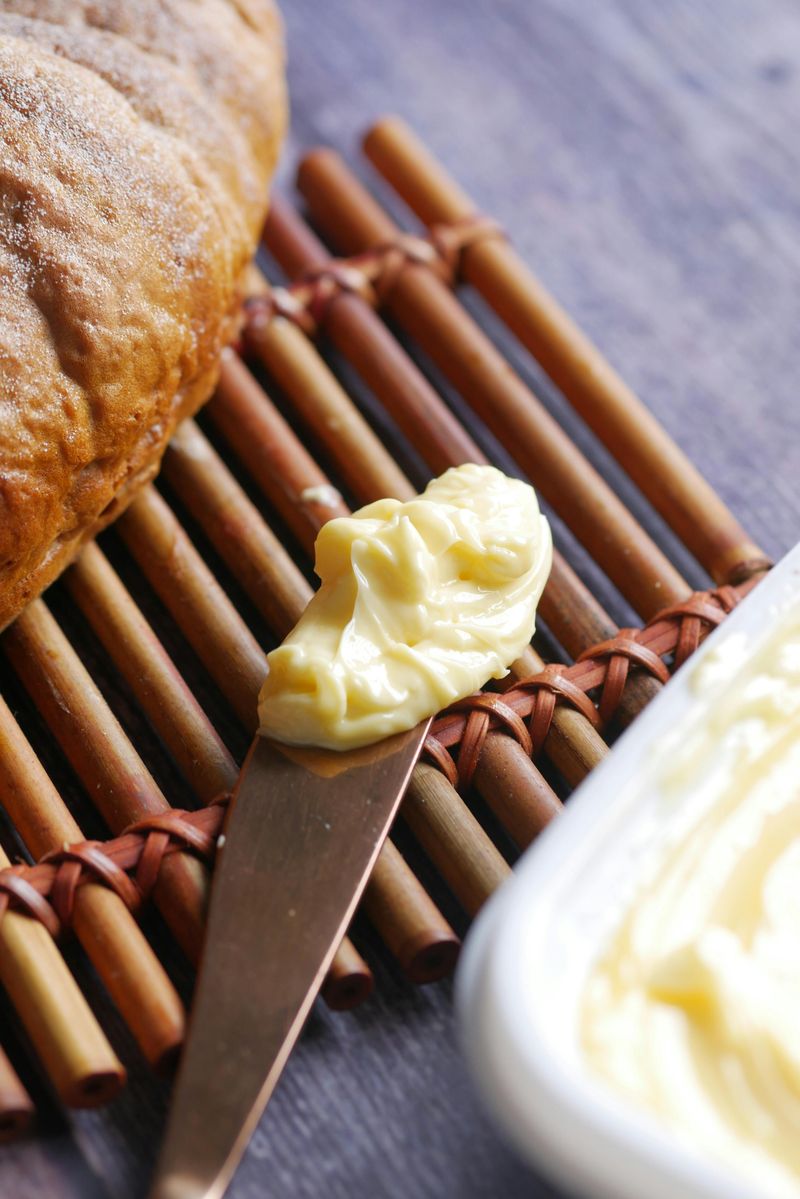
Boomers grew up during an era when butter was considered a health villain, and margarine was marketed as the modern, heart-healthy alternative.
This spreadable substitute became a staple in nearly every household, appearing on toast, in baking, and slathered on vegetables.
Many Boomers still defend margarine fiercely, despite current research showing that natural butter might actually be the better choice.
The loyalty runs deep, with some refusing to switch back even when their millennial children bring home fancy European butter.
For a generation that witnessed the rise of convenience foods, margarine represented progress and scientific advancement in the kitchen.
2. Sardines
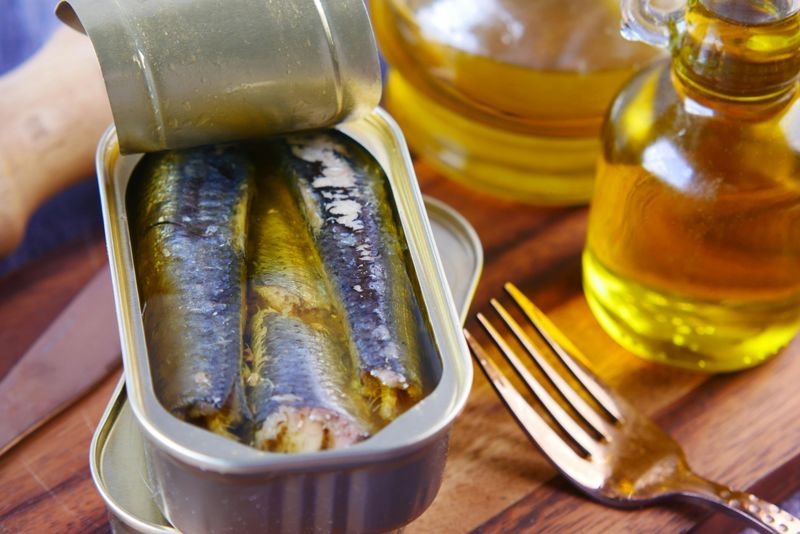
Walk into any Boomer’s pantry and you’ll likely find at least three tins of sardines tucked away on a shelf.
These tiny, oily fish were considered an affordable protein source that could be stored indefinitely.
Boomers love them on crackers, in sandwiches, or straight from the can with a squeeze of lemon.
Millennials often wrinkle their noses at the pungent smell and fishy taste that their elders find so appealing.
The convenience factor cannot be overstated—no cooking required, just pop the top and eat.
Despite being nutritious and sustainable, sardines remain a distinctly Boomer snack that younger generations haven’t quite embraced.
3. Bologna Sandwiches
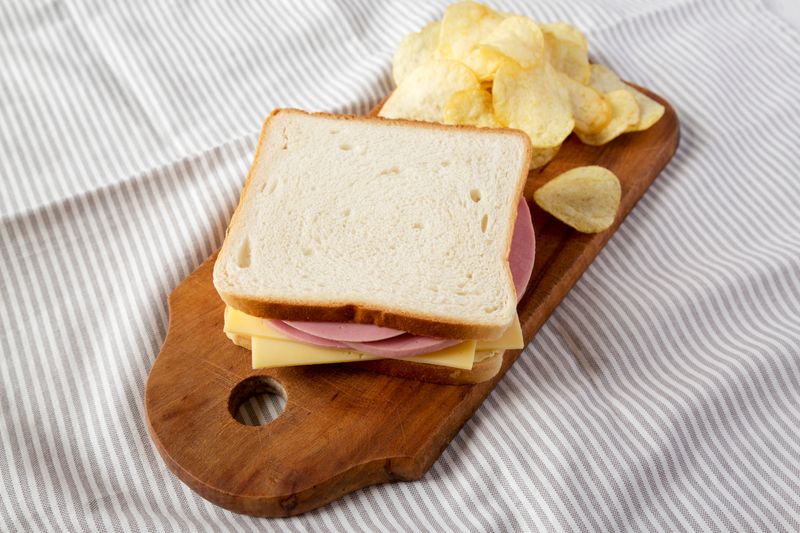
Nothing says Boomer lunchtime quite like a bologna sandwich on squishy white bread with a smear of yellow mustard.
This processed meat circle was a lunchbox staple throughout the 1950s and 1960s, cheap and filling for growing families.
Some Boomers even fried their bologna until the edges curled up, creating what they affectionately called a “bologna cup.”
The mystery meat composition doesn’t seem to bother this generation one bit.
Millennials have largely moved on to artisanal deli meats and whole grain breads, viewing bologna as a relic of less health-conscious times.
Yet Boomers continue buying it by the pound, nostalgic for simpler days.
4. Fruit Cake
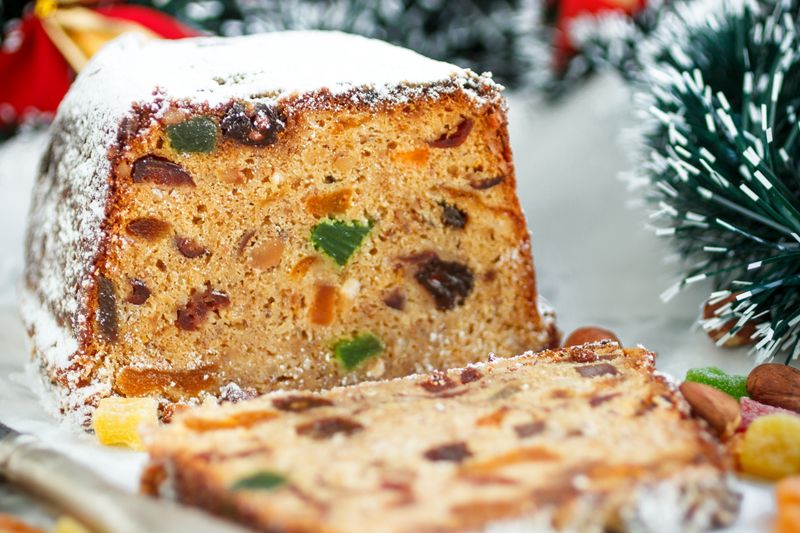
Every holiday season, Boomers bring out the fruitcake like it’s a treasured family heirloom.
These dense, candied-fruit-studded bricks have become the butt of countless jokes, yet Boomers genuinely enjoy them.
The tradition of gifting fruitcakes dates back decades, when they were considered luxurious treats packed with expensive dried fruits and nuts.
Many Boomers have recipes passed down through generations, soaking their cakes in brandy for weeks before serving.
Millennials typically view fruitcake as something you regift rather than actually eat.
The generational divide over this dessert is so wide that it’s become a cultural punchline, yet Boomers remain devoted fans.
5. Artificial Sweetener
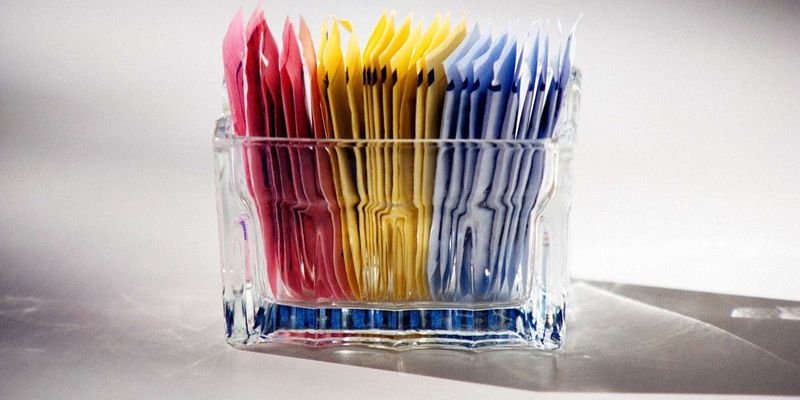
Those little colored packets of artificial sweetener are practically sacred to many Boomers who embraced the sugar-free revolution.
Whether pink, blue, or yellow, these chemical compounds promised sweetness without calories or guilt.
Boomers dump them into coffee, tea, lemonade, and even use them in baking, trusting the science that declared them safe.
The bitter aftertaste that millennials complain about doesn’t seem to register with the older generation.
Many Boomers carry their preferred brand in purses and pockets, refusing to use regular sugar even when artificial options aren’t available.
Despite ongoing debates about health effects, loyalty to these sweeteners remains unshakeable among those who adopted them decades ago.
6. Fish Sticks
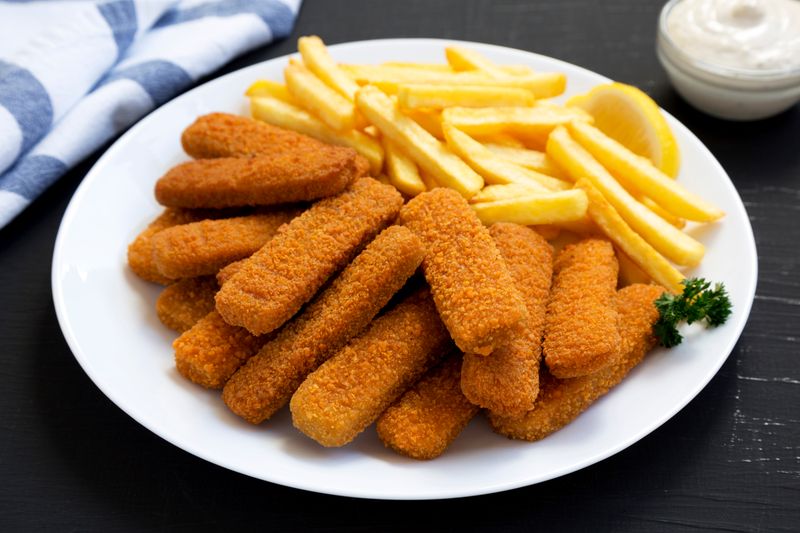
Frozen fish sticks represented the height of modern convenience when Boomers were raising their own families.
Just pop them in the oven for twenty minutes and dinner was served, no fuss required.
These breaded rectangles of mystery fish became a weekly staple, often paired with macaroni and cheese or canned vegetables.
Boomers don’t seem bothered by questions about what kind of fish is actually inside that crispy coating.
The nostalgia factor runs strong, reminding them of simpler times when processed foods were exciting innovations rather than dietary concerns.
Millennials prefer knowing exactly what fish they’re eating, but Boomers continue stocking their freezers with these childhood favorites.
7. Egg Salad
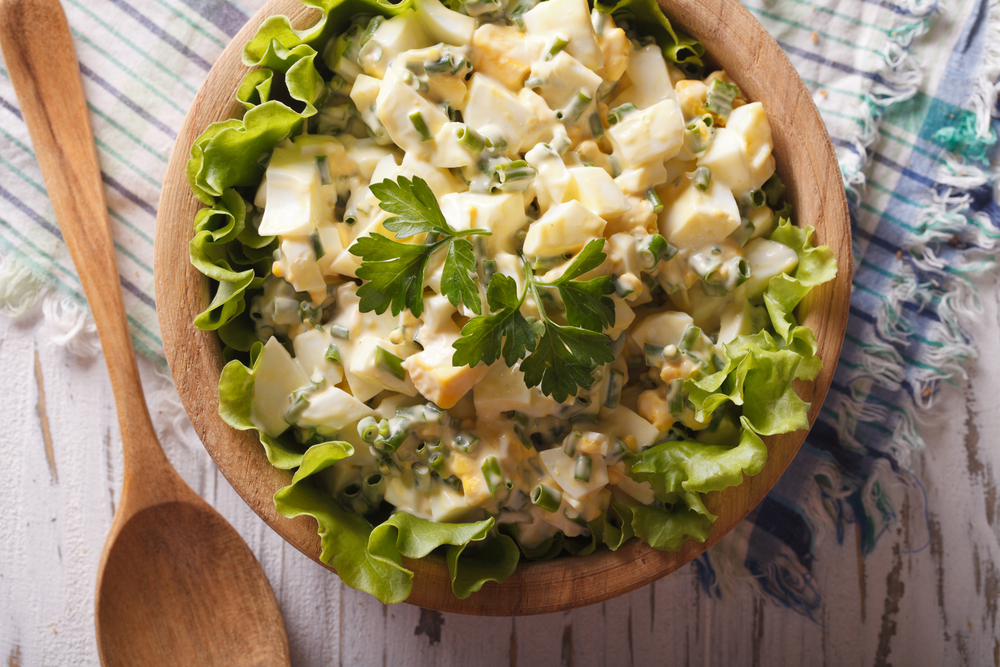
Few foods divide generations quite like egg salad, that mayonnaise-heavy mixture that Boomers absolutely adore.
Church potlucks and family gatherings wouldn’t be complete without at least one Tupperware container filled with this chunky spread.
Boomers pile it high on white bread or stuff it into celery sticks, praising its protein content and versatility.
The strong sulfur smell and room-temperature serving style make many millennials hesitant to even try it.
There’s also the food safety concern—egg salad sitting out at picnics for hours doesn’t inspire confidence in younger generations.
Nevertheless, Boomers continue making huge batches, insisting it tastes even better the next day.
8. Meatloaf
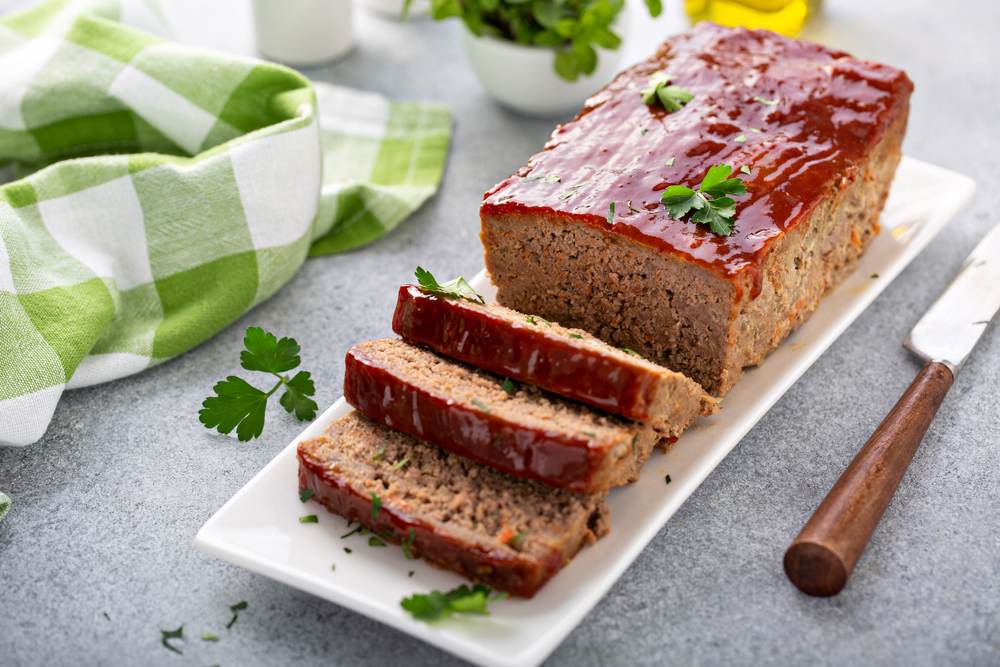
Monday nights in Boomer households often meant one thing: meatloaf, that mysterious brick of ground beef held together with crackers and topped with ketchup.
This economical dish stretched meat further by mixing it with fillers, feeding large families on tight budgets.
Boomers swear by their secret family recipes, whether that includes onion soup mix, bell peppers, or even oatmeal as a binder.
The leftovers were just as important—cold meatloaf sandwiches for lunch the next day were considered a treat.
Millennials often find meatloaf dense and uninspiring compared to more exciting protein options available today.
Yet Boomers continue perfecting their recipes, passing them down with pride.
9. Ambrosia Salad
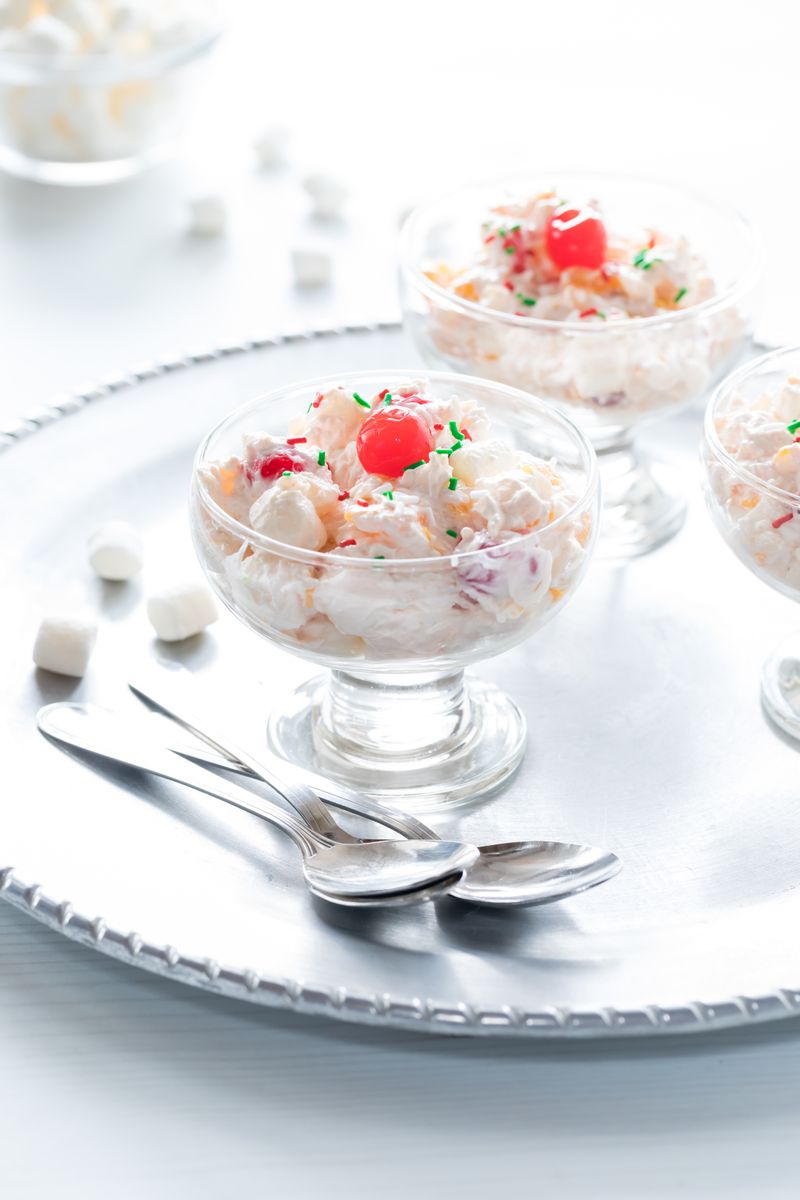
This peculiar concoction of canned fruit, marshmallows, coconut, and whipped cream holds a special place in Boomer hearts.
Despite being called a salad, it’s essentially a dessert masquerading as something healthy because it contains fruit.
Ambrosia salad appears at every holiday gathering, baby shower, and church social that Boomers attend.
The combination of textures—squishy marshmallows, chewy coconut, and syrupy fruit—confuses millennial palates used to more sophisticated flavor profiles.
Some versions include maraschino cherries or even mini marshmallows in pastel colors, making it look like a craft project.
Boomers insist it’s refreshing and light, though the sugar and calorie content suggest otherwise.
10. Tuna Casserole
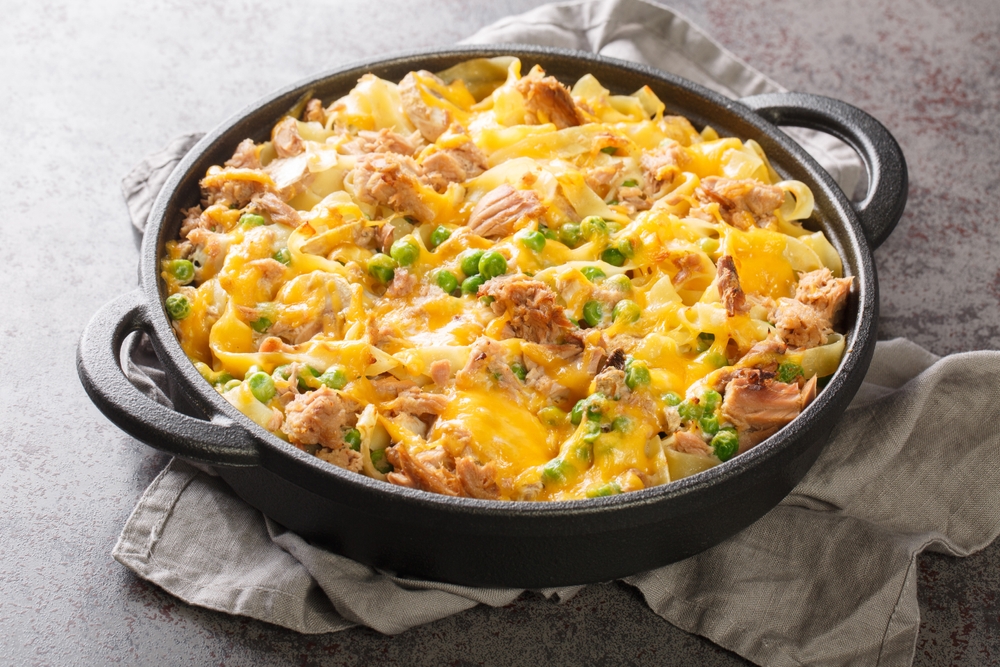
Perhaps no dish screams Boomer comfort food louder than tuna casserole, that bubbling mixture of canned tuna, cream soup, noodles, and crushed potato chips.
This one-dish wonder became popular in the 1950s when Campbell’s soup company promoted it as a quick weeknight solution.
Boomers grew up eating it regularly and now make it for their own comfort, often using the exact same recipe their mothers used.
The cream-of-mushroom soup base gives it that distinctive gloppy texture that millennials find off-putting.
Some families still argue over whether peas belong in the mixture or if potato chips are the only acceptable topping.
Despite countless modern casserole variations, Boomers remain loyal to this classic.
11. Miracle Whip
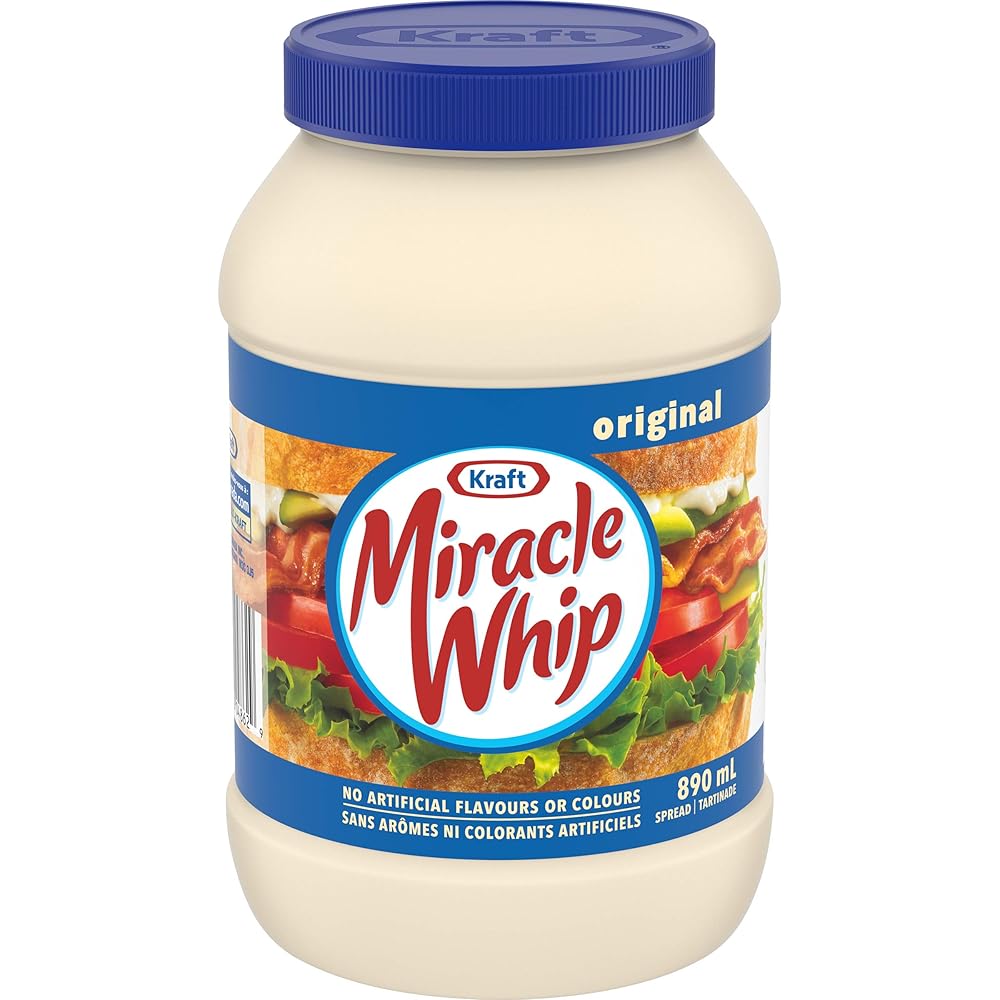
The great Miracle Whip versus mayonnaise debate has raged for decades, with Boomers firmly in the Miracle Whip camp.
This tangy, sweeter alternative to mayo became a household staple during the Depression era and stuck around through the Boomer years.
Many Boomers refuse to acknowledge that it’s technically salad dressing rather than real mayonnaise, defending its unique flavor profile passionately.
They spread it on sandwiches, mix it into potato salad, and use it in countless recipes calling for mayo.
Millennials generally prefer the cleaner taste of real mayonnaise, especially artisanal or olive oil-based varieties.
Yet Boomers keep buying those distinctive jars, loyal to the brand that defined their childhood lunches.
12. Canned Soup
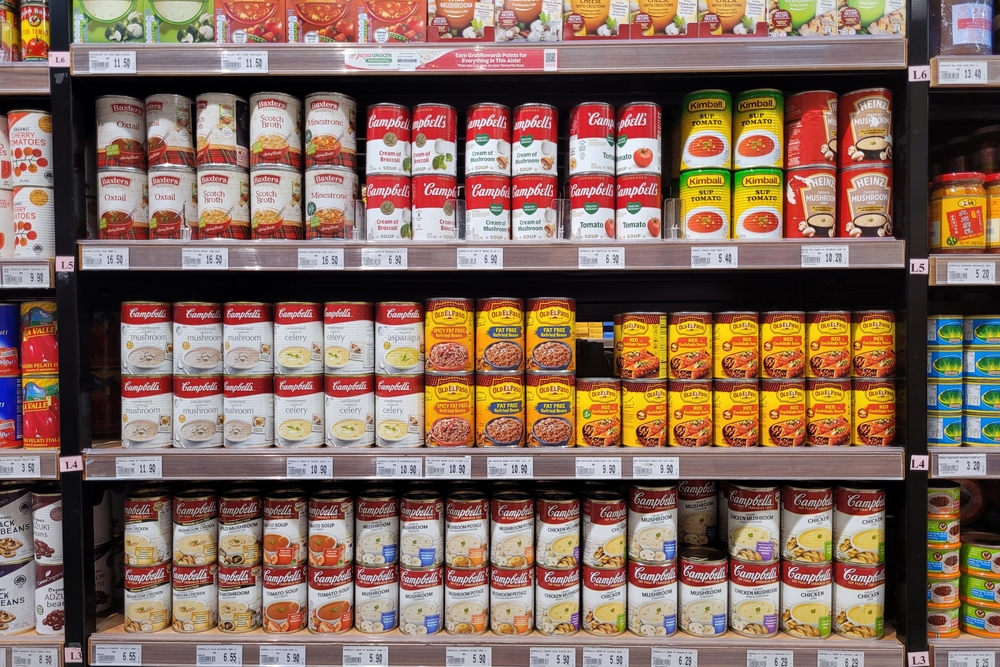
Boomers have an almost spiritual connection to canned condensed soup, particularly certain red-and-white labeled brands.
These soups weren’t just for eating—they became essential cooking ingredients, forming the base of countless casseroles and sauces.
A well-stocked Boomer pantry contains multiple varieties: cream of mushroom, cream of chicken, tomato, and vegetable beef at minimum.
The sodium content that concerns millennials doesn’t seem to worry this generation, who grew up before nutrition labels were closely scrutinized.
Quick lunches meant heating up a can with some crackers, simple and satisfying.
Even with fresh soup options readily available now, many Boomers still reach for the familiar can, comforted by its consistency and convenience.