 MomSkoop

Remember when kids roamed farther than the backyard and parents trusted a knock on the door as a status update? The 1960s raised a generation with more freedom, fewer rules and a different sense of responsibility.
Reading these examples makes you nostalgic and a little alarmed at how much parenting has changed. Keep going if you want to remember – or shudder at – what used to be normal.
1. Cook for themselves on the stove
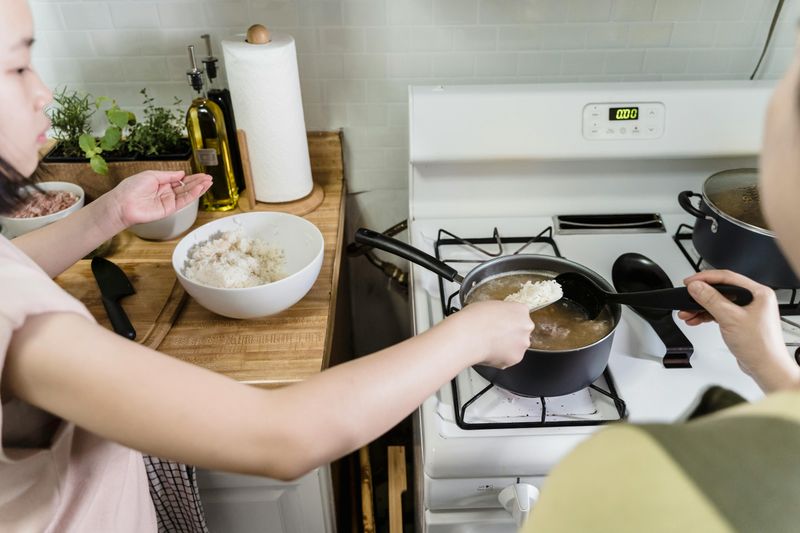
I remember being handed a recipe and trusted to light the stove and cook supper by myself; it felt like an initiation into adulthood.
Parents assumed basic kitchen safety was quickly learned, and a burned finger or two served as the best teacher.
There was no hovering, no measuring of risk by a parent; instead the child learned cause and effect, how to follow instructions and when to ask for help.
Cooking for themselves taught independence and an appreciation for food that many kids today may not experience until much later.
It also meant meals became communal efforts at times, with siblings rotating tasks and sharing the satisfaction of a job well done.
2. Play outside alone
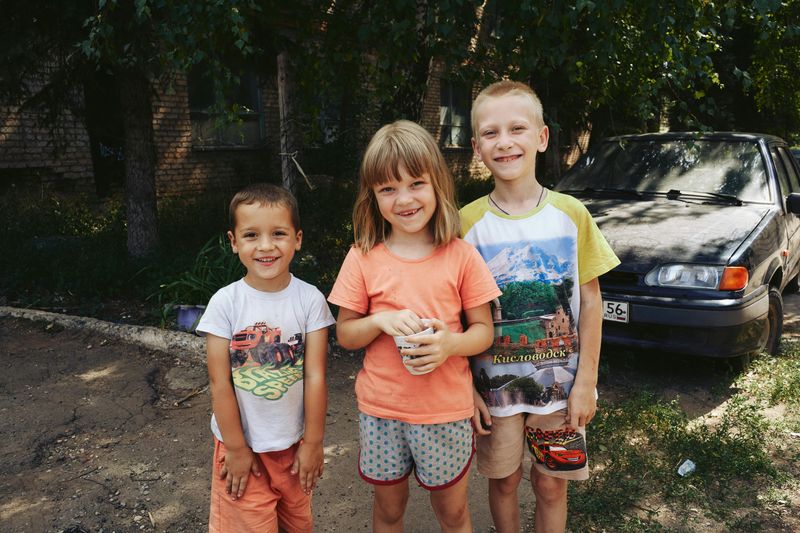
Back then kids were allowed to wander the neighborhood without an adult in sight, free to invent games and build friendships on their own terms.
The street served as a playground where boundaries were set by time of day rather than a parent’s app notification.
Parents trusted neighbors to keep an eye out and believed in community responsibility; it was common to come home only when dinner smells drifted through the air.
That freedom helped kids develop risk assessment skills, resourcefulness and social confidence from trial and error.
These unsupervised afternoons produced memories and life lessons that feel almost radical compared with today’s hyper-scheduled, closely monitored childhoods.
3. Watch their younger siblings

Older kids were routinely assigned the job of looking after younger siblings while parents handled errands or chores; it was an expected part of family life.
That responsibility taught caregiving, patience and how to manage small emergencies without calling in backup.
Many of us learned to juggle homework, playtime and sibling squabbles, translating into practical leadership and negotiation skills later in life.
Parents relied on it as a practical solution and a way to bond children through shared tasks.
While modern families value safety and structured activities, those early caregiving experiences gave kids a real taste of trust and accountability that shaped character.
4. Walk to school alone
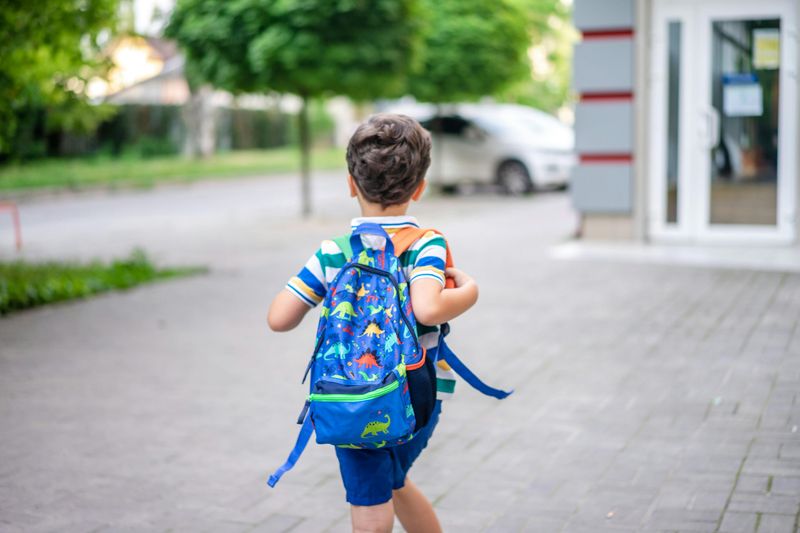
Walking to school alone was an ordinary rite of passage that signaled growing independence and trust between parents and kids.
Routes were memorized, friends joined along the way and the journey itself became a small adventure full of observational learning.
Without constant adult supervision children developed situational awareness, decision-making skills and social connections that started before the classroom bell.
Parents trusted neighborhood safety and community norms to protect their children during these short excursions.
Today such autonomy is often replaced by carpools and drop-offs, and the loss of that daily independence changes how kids perceive personal responsibility and neighborhood belonging.
5. Make big decisions on their own
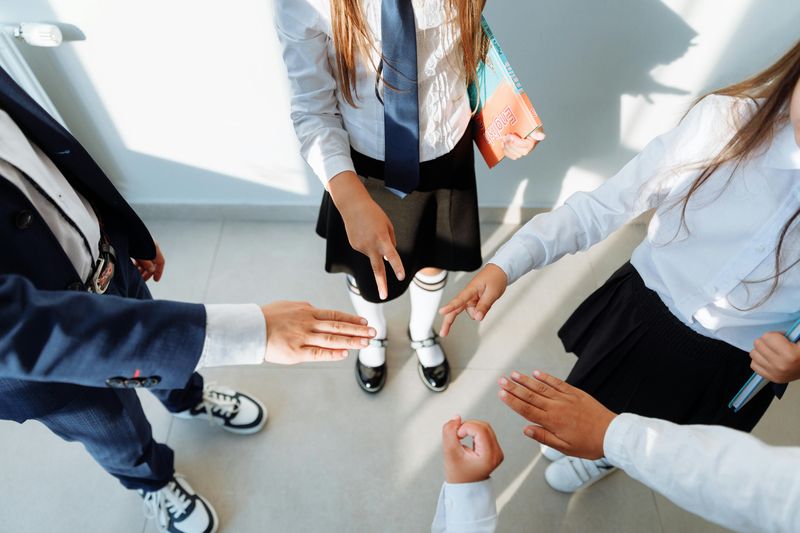
Kids in the 1960s were sometimes left to make significant choices without parental micromanagement, whether about friends, part-time jobs or school activities.
That kind of autonomy encouraged self-reliance and the habit of weighing pros and cons through lived experience.
Consequences were often immediate and instructive, fostering resilience and a sense of ownership over one’s life path.
Parents stepped in less to solve every problem, so children learned to navigate complexities and accept responsibility for outcomes.
It may sound harsh now, but that freedom often produced confident, decisive adults who’d already practiced independent thinking long before leaving home.
6. Solve problems with their teachers

When issues arose at school, children were expected to address them directly with teachers rather than rely on parental intervention.
This fostered communication skills and a sense of personal responsibility for learning and behavior.
Facing a teacher taught kids how to negotiate, present their side and accept guidance, which built confidence in formal settings.
Parents trusted educators to handle discipline and academic matters, preserving a boundary that allowed children to grow within institutional structures.
Today many parents are quicker to advocate from the sidelines, which can shield kids from learning how to resolve conflicts and articulate needs in adult-managed spaces.
7. Ride in cars without seatbelts
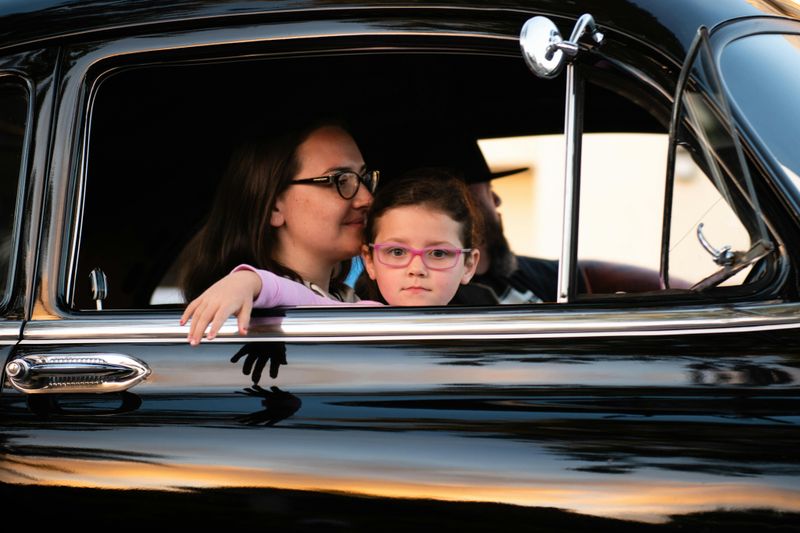
Before seatbelt laws were universal, it was normal for kids to ride unrestrained in cars, with little thought about safety measures that now seem essential.
The cultural norms around transport risk were very different, and parents relied on experience and caution rather than mandated protections.
These rides taught a generation to accept certain risks as part of life, and car travel often involved more casual social interaction between family members.
The absence of modern restraints also changed how children perceived danger and safety outside the home.
It is jarring today to recall how commonplace unbuckled travel once was, given current understanding of crash safety and child protection standards.
8. Do chores without receiving allowance or praise
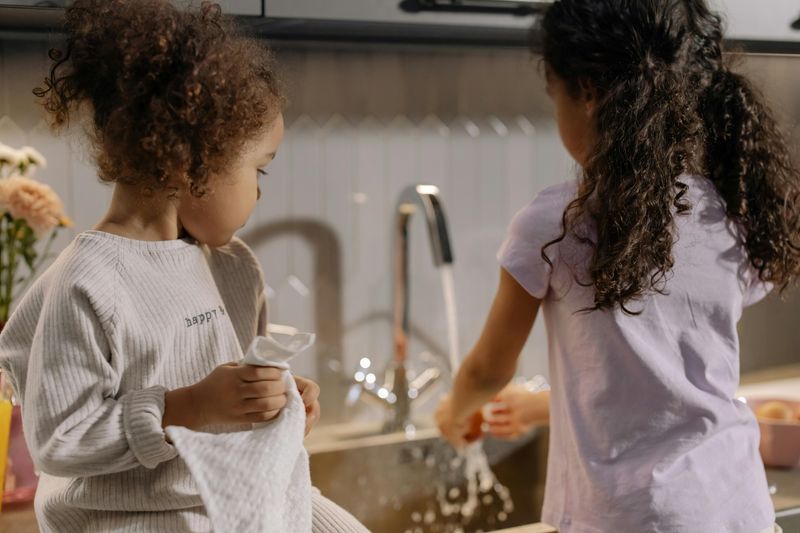
Chores were seen as a family duty rather than a task to be monetarily compensated, and kids were expected to contribute without expecting allowance or constant praise.
This framed work as intrinsic to household functioning and taught humility and work ethic.
Regular responsibilities instilled discipline, time management and a sense of belonging that came from mutual contribution rather than external reward.
Parents viewed chores as character building, not bargaining tools for behavior.
While modern approaches emphasize positive reinforcement, the old-school model created dependable routines and a tangible sense of accomplishment that shaped many adults’ attitudes toward responsibility.
9. Entertain themselves without a screen
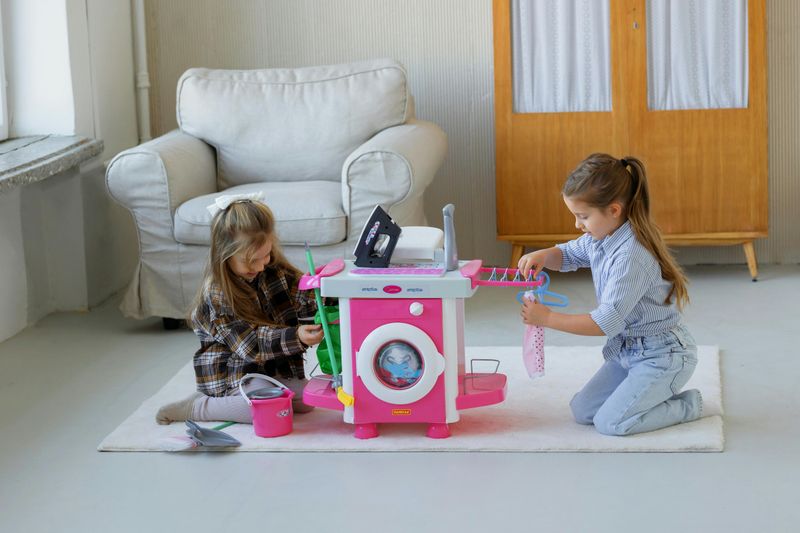
Kitchens, backyards and sidewalks were theaters of imagination where kids entertained themselves without screens, inventing games and creating elaborate play scenarios.
That creative freedom sharpened problem-solving and social negotiation as kids wrote the rules and enforced them together.
Without passive digital input children developed deeper imaginative play, storytelling and the ability to self-regulate boredom into productive activity.
Peer groups formed around shared invented traditions and local culture rather than online trends.
Although technology offers valuable tools now, the self-directed play of past decades produced resilience, creativity and memory-rich experiences that many adults still cherish.
10. Be bad at things
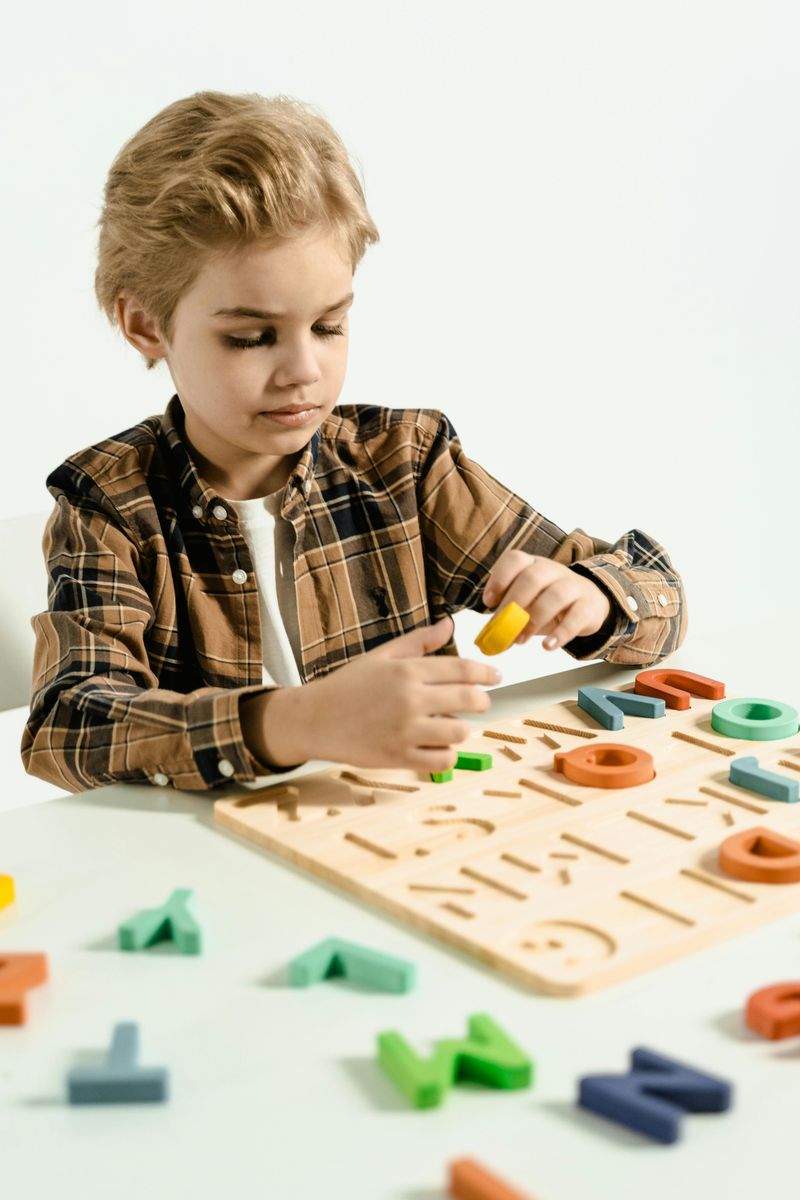
Failing at something was an accepted part of learning, and kids were rarely shielded from the sting of not being the best right away.
The cultural expectation was to try, fail, iterate and eventually improve without constant consolation or praise for mere participation.
That environment built grit, humility and an understanding that skill requires effort over time, which is harder to internalize if every attempt is rewarded regardless of outcome.
Parents and coaches emphasized progress and discipline more than instant affirmation.
While nurturing self-esteem is important, there is value in a childhood where being bad at something once was simply a stage on the path to competence.
11. Swim at the public pool without adult supervision

Summer meant getting dropped off at the public pool with a towel, a quarter for a popsicle, and instructions to be home by dinner.
Lifeguards were considered enough, and the high dive felt like a badge of bravery you earned alone.
No wristbands, swim tests, or waiver emails cluttered the ritual.
You learned to read currents of chaos, dodge cannonballs, and spot a safe moment to jump in.
Sunburns happened, so did the sting of chlorine, and nobody kept SPF logs.
Today, parents hover poolside with checklists and shade tents, while back then, you learned water confidence the splashy, independent way.