 MomSkoop
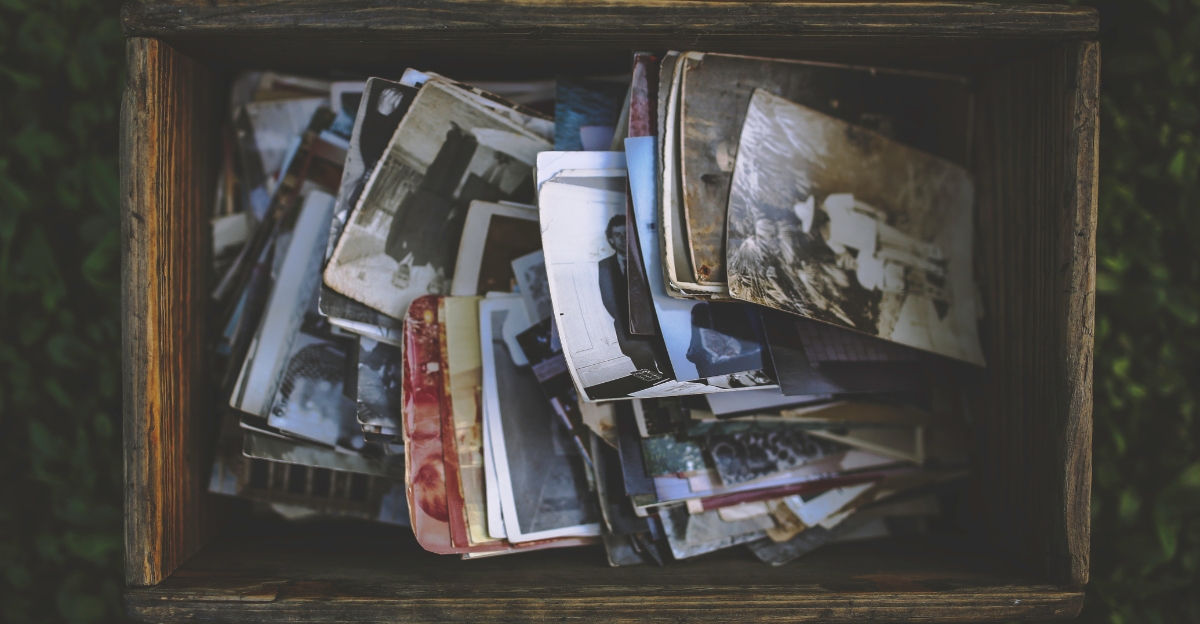
Walking into Grandma’s house feels like stepping into a different world.
The furniture is solid, the recipes are handwritten, and everything seems to last forever.
Many Americans refuse to throw away certain treasures from their grandparents’ homes because these items work better, feel more authentic, and carry memories that modern replacements just can’t match.
1. Solid-Wood Dining Table with Real Joinery
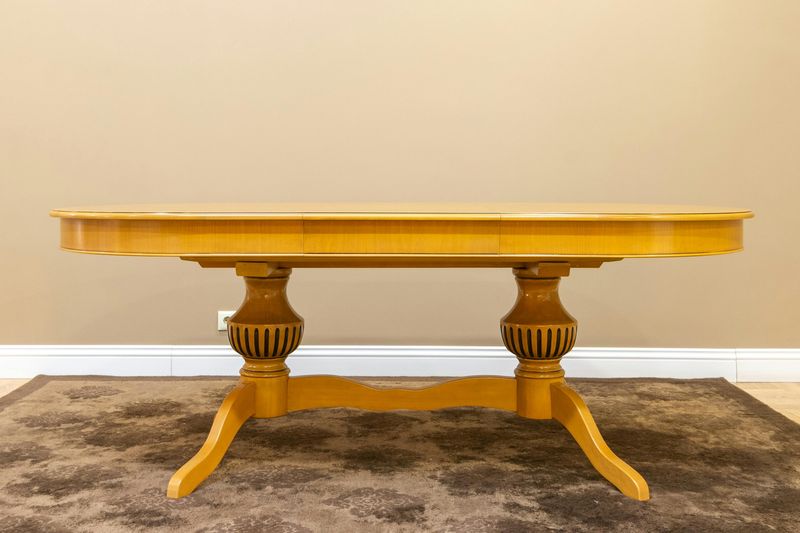
Your grandmother’s dining table wasn’t assembled with an Allen wrench and a prayer.
Built with mortise-and-tenon joints and thick hardwood, it can handle decades of holiday dinners without wobbling.
Modern flat-pack furniture falls apart after one move, but this table has survived three relocations and a basement flood.
The wood grain tells its own story, with scratches from homework sessions and faint water rings from forgotten coffee cups.
No particle board core means it can be refinished instead of replaced.
Families pass these tables down because they’re designed to outlast trends and cheap substitutes.
When everyone gathers around it, the table holds more than plates—it anchors memories, conversations, and traditions that matter.
2. Handwritten Recipe Cards, Stained and Annotated Over Decades
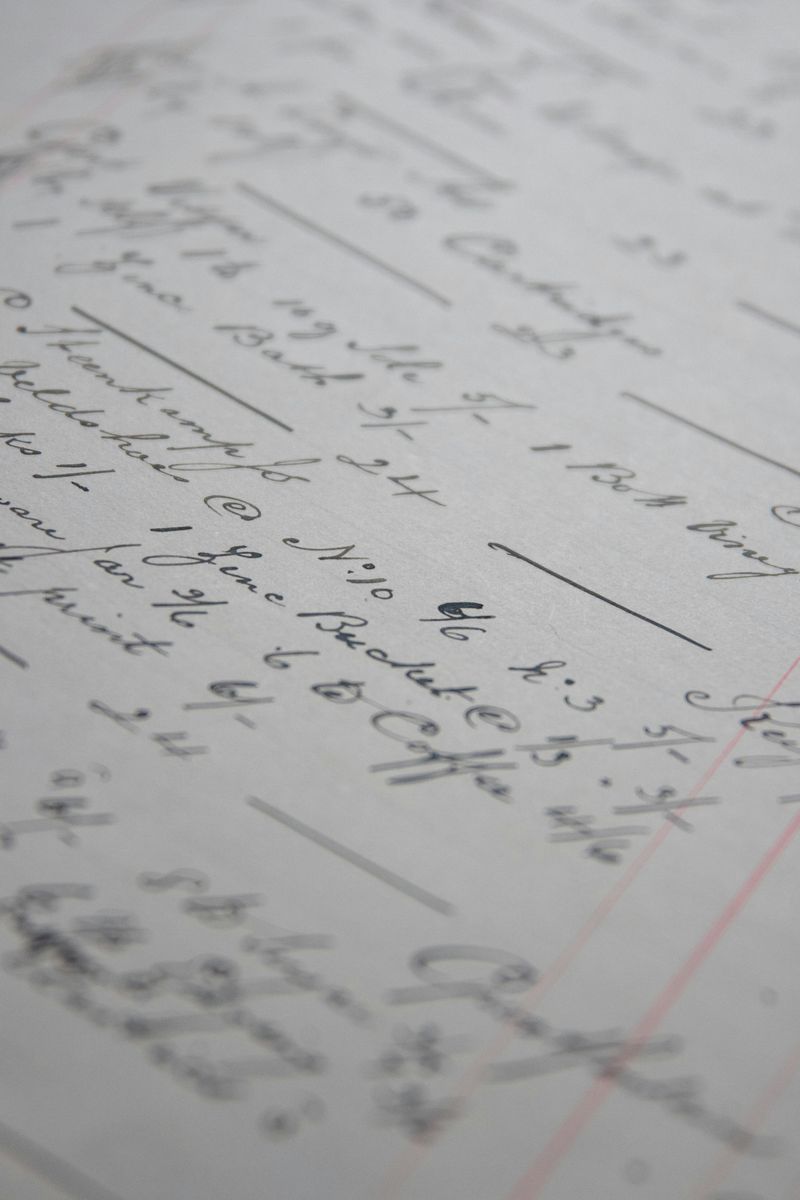
Grandma’s recipe box holds more than instructions for pot roast.
Each card is marked with her handwriting, grease spots from actual cooking, and notes like “double the garlic” or “Uncle Joe’s favorite.” These aren’t pristine Pinterest printouts; they’re working documents that have fed generations.
The stains prove the recipes work.
A splatter of tomato sauce on the lasagna card means it’s been made dozens of times.
Penciled adjustments show how she perfected each dish through trial, error, and family feedback.
Digital recipes disappear when phones break or websites shut down.
Handwritten cards survive because they’re tangible, personal, and impossible to replicate.
They connect us to the hands that wrote them and the meals that brought everyone together.
3. Heavy Ceramic Mixing Bowls That Don’t Slide, Chip, or Smell Like Soap
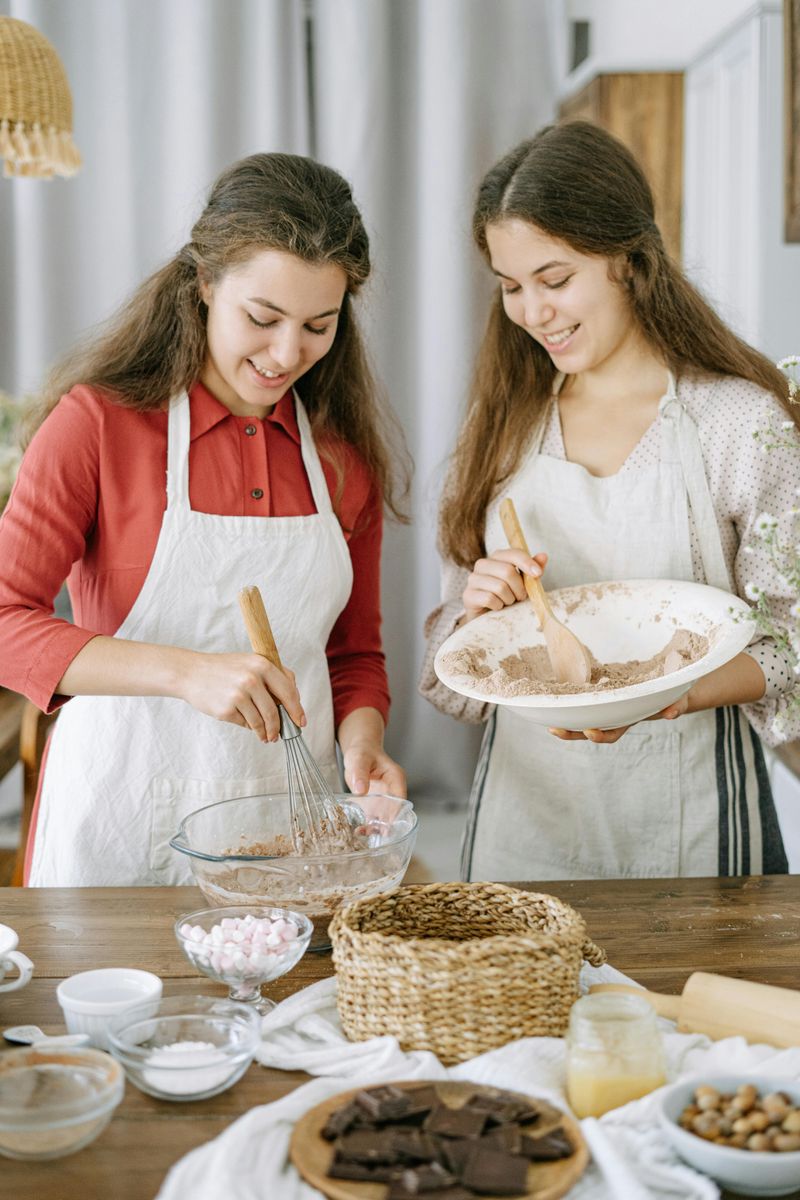
Mixing bowls from Grandma’s kitchen weigh more than most modern cookware combined.
Their heft keeps them planted on the counter while you beat egg whites or knead dough.
Unlike lightweight plastic bowls that skitter across surfaces, these stay put without a silicone mat underneath.
The ceramic glaze has survived decades without absorbing odors or staining from tomato sauce.
Drop one and it might crack the floor tile before it breaks itself.
They don’t retain the smell of onions or garlic no matter how many times you scrub them.
Bakers know that temperature stability matters, and ceramic bowls keep ingredients cool during prep.
They nest perfectly, stack efficiently, and never warp in the dishwasher because they were made before planned obsolescence became a business model.
4. Linen or Cotton Tablecloths and Napkins—Actual Fabric, Not Decorative Polyester
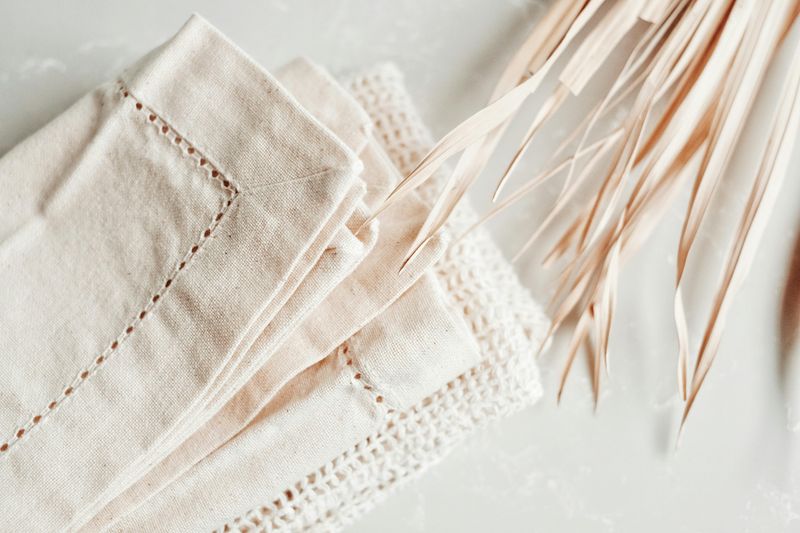
Real linen tablecloths get softer with every wash, unlike polyester versions that pill and fade after three uses.
Grandma’s linens have covered holiday tables for thirty years and still look elegant.
They absorb spills instead of repelling them into puddles, and they iron flat without melting under heat.
Cotton napkins feel substantial in your lap, not crinkly and cheap.
They survive hot water, bleach, and aggressive stain treatment without falling apart.
Each piece might have tiny mended spots or embroidered initials that add character instead of diminishing value.
Disposable paper products fill landfills; quality fabric lasts generations.
These tablecloths transform ordinary meals into occasions worth remembering, proving that everyday elegance doesn’t require money—just respect for materials that matter.
5. A Well-Seasoned Cast-Iron Pan That Cooks Better Than Anything New

Grandma’s cast-iron skillet has a cooking surface smoother than most nonstick pans, built up through decades of proper care.
Eggs slide right off without sticking, and steaks develop a crust that stainless steel can only dream about.
The seasoning layer is practically bulletproof after years of oil, heat, and use.
Modern cast iron comes pre-seasoned but rough.
Vintage pans were machined smooth at the factory, then improved with time.
This pan goes from stovetop to oven to campfire without complaint, holding heat evenly and never warping.
It weighs enough to double as a weapon if needed.
People fight over these pans at estate sales because replacing fifty years of seasoning is impossible, and new cookware can’t compete with something this proven.
6. Framed Black-and-White Family Photos with Names Written on the Back
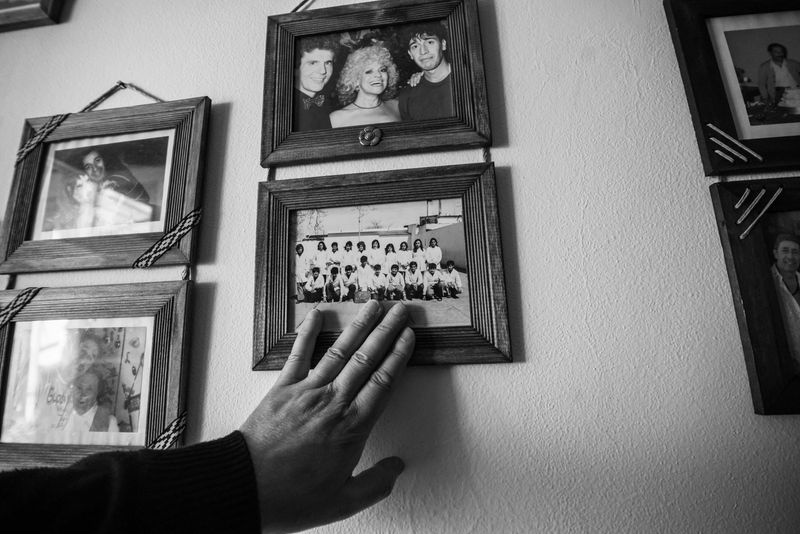
Before digital clouds and phone backups, photographs were permanent records printed on actual paper.
Grandma’s framed photos show faces you recognize from family stories, with names and dates written in pencil on the back.
These images survived decades in frames that still hang straight and protect what’s inside.
The black-and-white format gives everyone a timeless quality that filtered selfies try to imitate.
You can see your own features in great-grandparents you never met, connecting generations through captured moments.
The handwriting on the back is often the only sample you have of an ancestor’s penmanship.
Digital photos disappear when hard drives fail or services shut down.
Physical photographs remain, reminding us where we came from and who carried our name before us.
7. A Simple Mechanical Clock That Still Keeps Time Without Wi-Fi or Updates
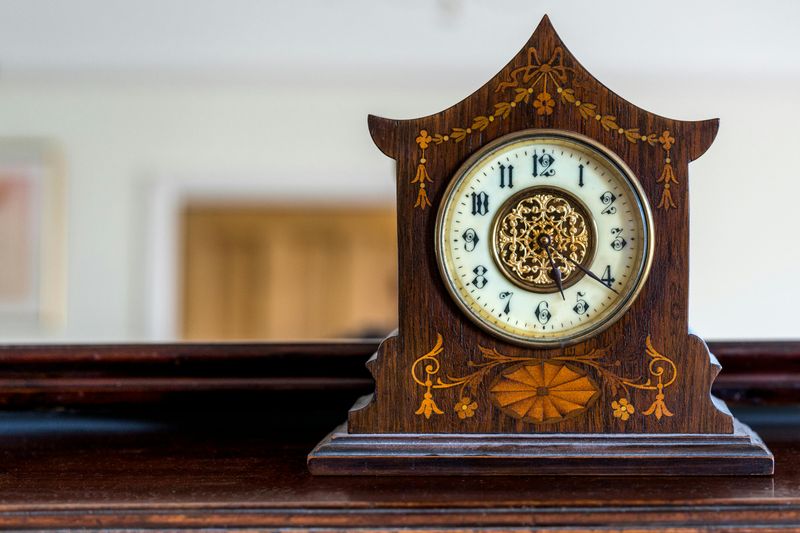
Grandma’s mantel clock ticks steadily without requiring passwords, apps, or software updates.
Wind it once a week, and it keeps accurate time through power outages and internet failures.
The mechanism inside is purely mechanical—gears, springs, and pendulums working together like they have for a century.
Unlike smart devices that become obsolete when manufacturers stop supporting them, this clock can be repaired indefinitely.
Watchmakers can still service movements built in the 1920s because the parts were designed to last and be maintained.
The sound of its ticking becomes comforting background noise rather than digital silence.
When storms knock out power and phones die, this clock keeps running.
It represents reliability in an age of planned obsolescence and constant connectivity requirements.
8. Wool Blankets or Throws That Regulate Temperature Better Than Modern Fleece
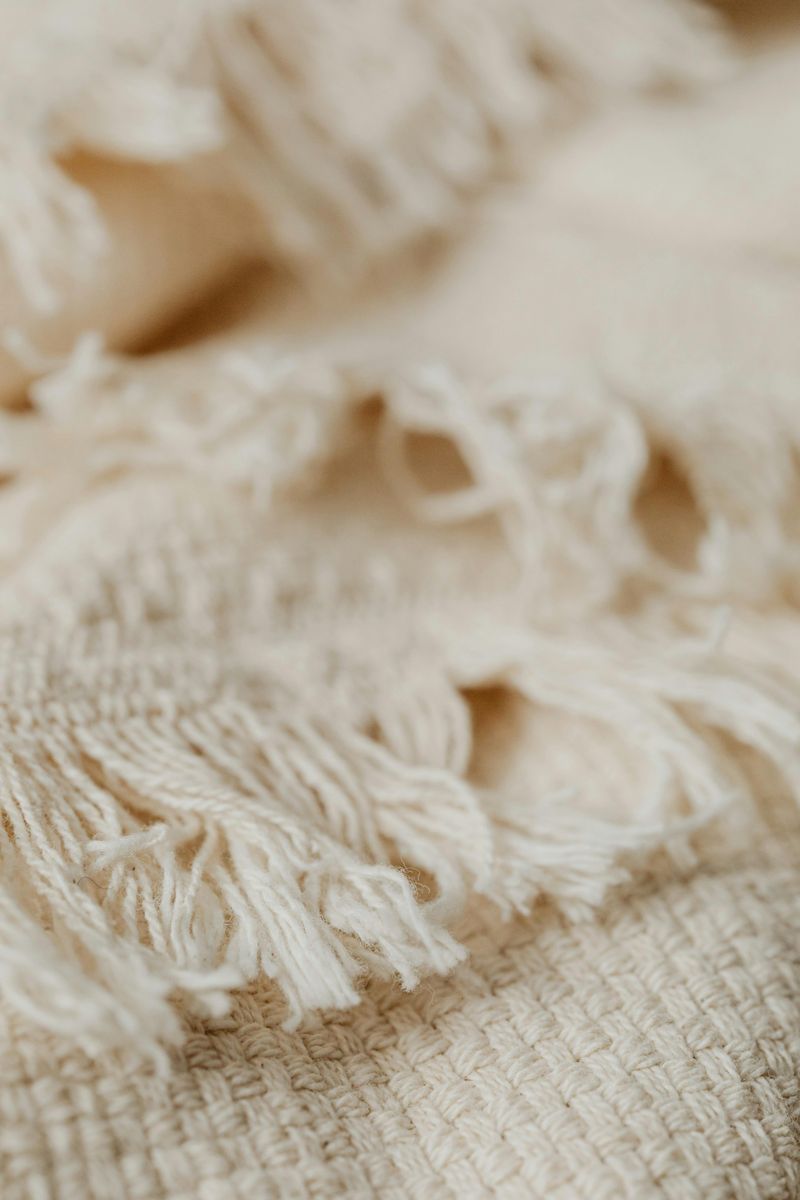
A wool blanket from Grandma’s linen closet keeps you warm without overheating, unlike synthetic fleece that traps sweat and creates a clammy microclimate.
Wool fibers breathe naturally, wicking moisture while maintaining insulation.
These blankets have survived decades of use because the material itself resists wear, moths, and odors.
Fleece pills after a few washes and loses its softness quickly.
Wool improves with age, becoming softer while retaining its structure.
The weight feels substantial and comforting, not flimsy like modern throws that slide off the couch.
Natural fibers also resist flames better than petroleum-based fabrics.
People keep these blankets because they work better than anything currently sold, proving that older doesn’t mean inferior.
9. A Basic Tool Kit (Hammer, Screwdrivers, Measuring Tape) That’s All Metal and Still True
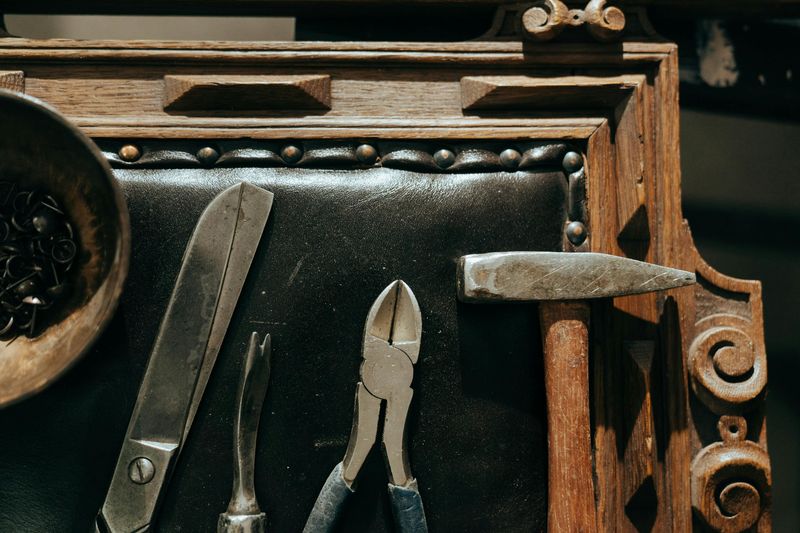
Grandpa’s hammer has a steel head and wooden handle worn smooth from use, not rubber grips that deteriorate and get sticky.
The screwdrivers are forged metal throughout, with tips that still fit screws perfectly after fifty years.
Modern tools use cheap alloys that strip or bend under pressure, but these were built when quality mattered more than price.
The measuring tape’s blade doesn’t kink or refuse to retract.
Everything in this toolkit weighs more than contemporary versions because it’s solid metal, not plastic casings around hollow cores.
These tools have fixed countless household problems without breaking themselves.
Hardware stores now sell disposable tools designed to fail.
People keep Grandpa’s toolkit because it actually works when needed.
10. Hardcover Books with Inscriptions or Marginal Notes, Not Just Dust Jackets
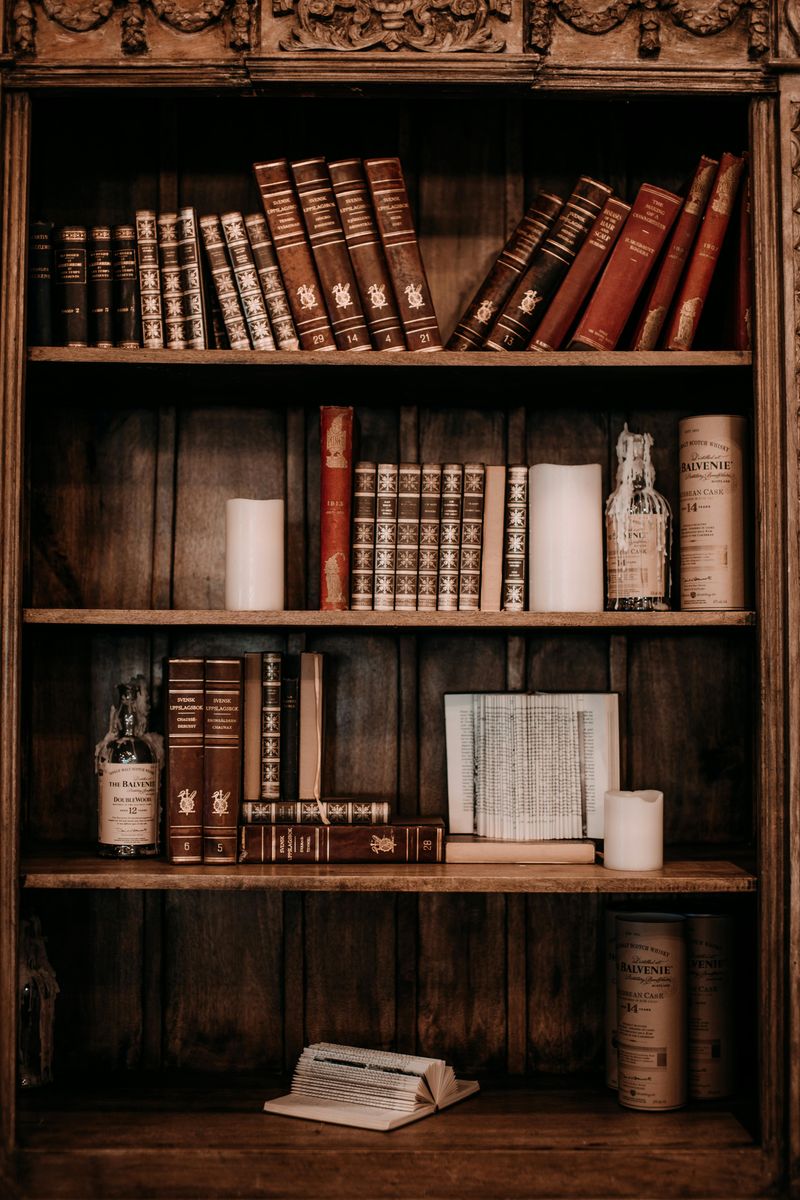
Grandma’s bookshelf holds hardcovers with cloth binding and sewn signatures, not glued paperbacks that shed pages after one reading.
The margins contain her penciled notes—questions, agreements, favorite passages marked for later.
An inscription on the flyleaf might read “Christmas 1952” in someone’s careful handwriting.
These books smell like paper and age, not like nothing at all.
The physical weight in your hands makes reading feel substantial rather than disposable.
You can see which chapters were read most often by how the binding naturally falls open.
E-readers offer convenience but no history.
These books carry the intellectual life of the person who owned them, showing what they thought about while reading.
That connection can’t be replicated digitally.
11. One Quietly Perfect Everyday Chair—The One Everyone Ends Up Sitting In
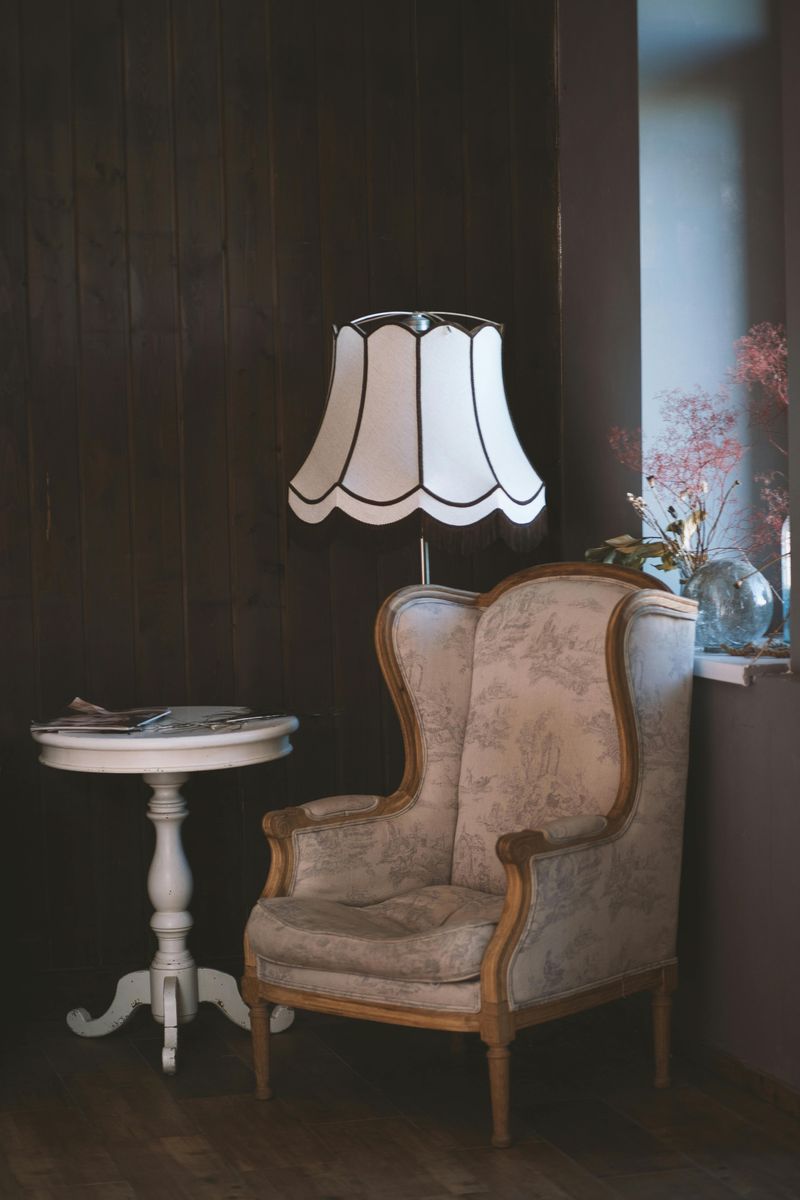
Every family knows this chair.
It’s not the fanciest piece of furniture, but somehow it’s the most comfortable seat in the house.
The cushion has molded to human shape over decades, the arms are at exactly the right height, and the back supports you without forcing a position.
Guests always gravitate toward it without knowing why.
Modern ergonomic chairs promise scientific comfort but feel generic and stiff.
This chair earned its reputation through years of actual use by real people.
The upholstery might be worn, the frame might creak slightly, but everything about it just works.
Nobody wants to replace it because comfort like this can’t be purchased new—it develops over time through the perfect combination of construction, materials, and age.