 MomSkoop
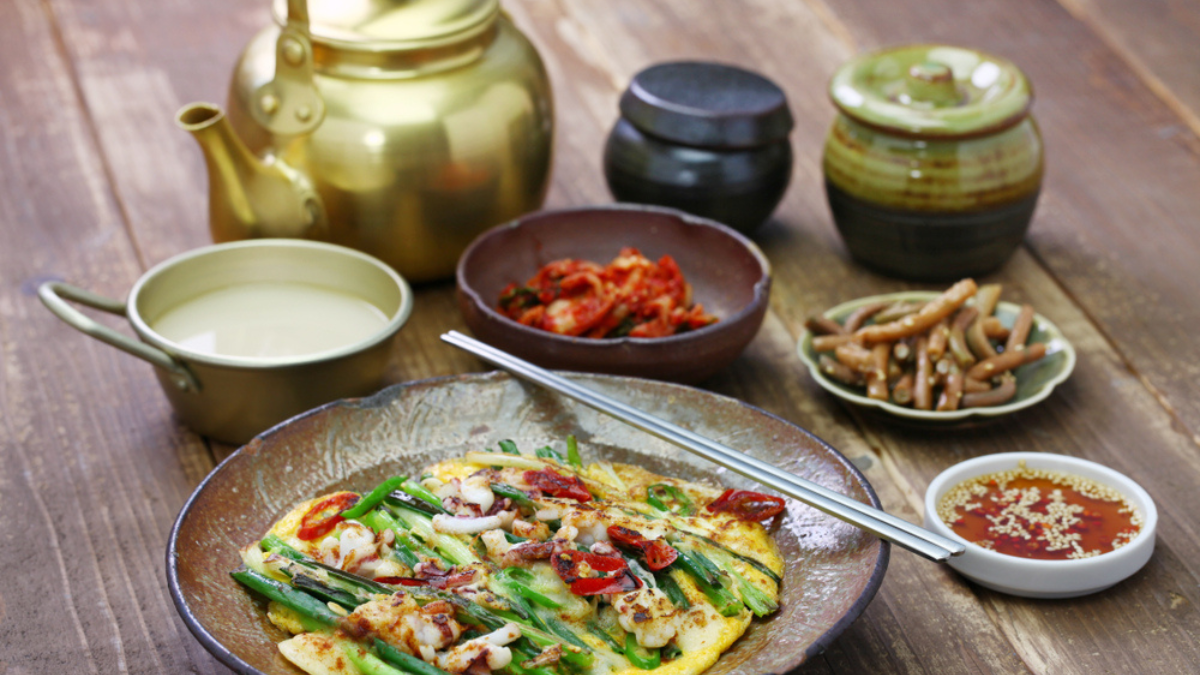
Korean food is taking the world by storm, and for good reason. From sizzling grilled meats to comforting rice bowls, Korean cuisine offers bold flavors and exciting textures that will wake up your taste buds.
Whether you love spicy, savory, or sweet dishes, there’s something for everyone to enjoy. Ready to explore these delicious flavors? Here are 13 must-try Korean dishes perfect for beginners.
1. Bibimbap
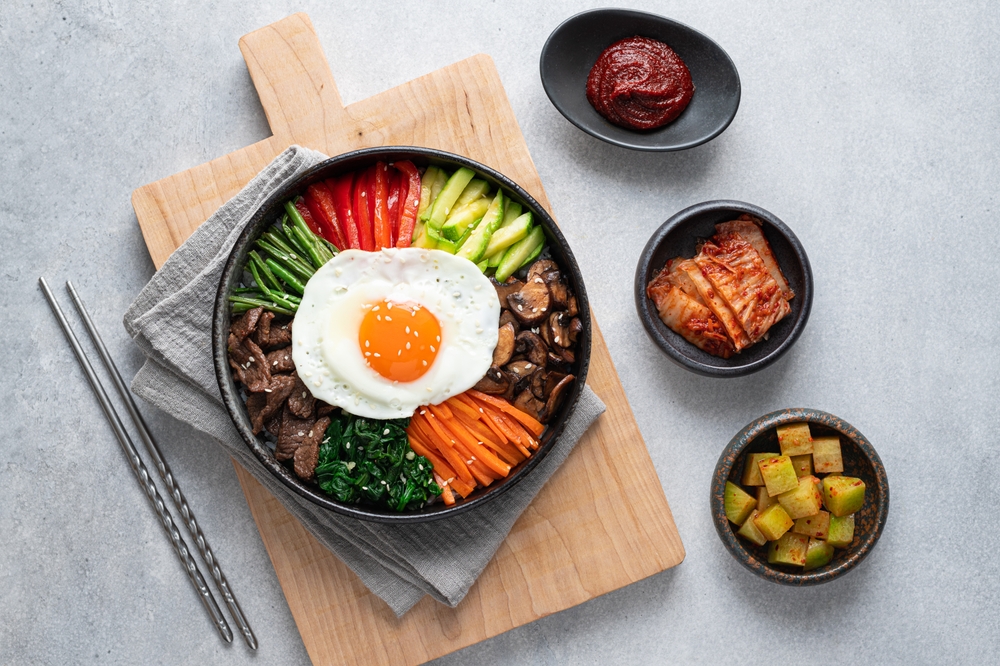
Picture a rainbow in a bowl, and you’ve got bibimbap.
This iconic dish combines warm rice with colorful vegetables, a fried egg, and spicy gochujang sauce all mixed together.
Each bite brings different textures and flavors that blend perfectly.
You can customize it with beef, tofu, or chicken based on what you like.
The best part?
You get to mix everything yourself, creating your own perfect combination.
It’s healthy, filling, and absolutely delicious.
Many restaurants serve it in a hot stone bowl that makes the rice crispy on the bottom.
That crunchy layer is what Koreans call nurungji, and it’s pure magic.
2. Korean BBQ (Bulgogi)

Ever wanted to cook your own dinner at the table?
Korean BBQ lets you do exactly that.
Bulgogi features thin slices of beef marinated in a sweet and savory sauce made with soy sauce, sugar, and garlic.
The meat grills right at your table, filling the air with an amazing aroma.
Once cooked, wrap the beef in crisp lettuce leaves with rice and sauces.
It’s interactive, fun, and tastes incredible.
The marinade makes the meat so tender it practically melts in your mouth.
Friends and family gather around the grill, making it a social experience as much as a meal.
First-timers always remember their Korean BBQ adventure.
3. Kimchi
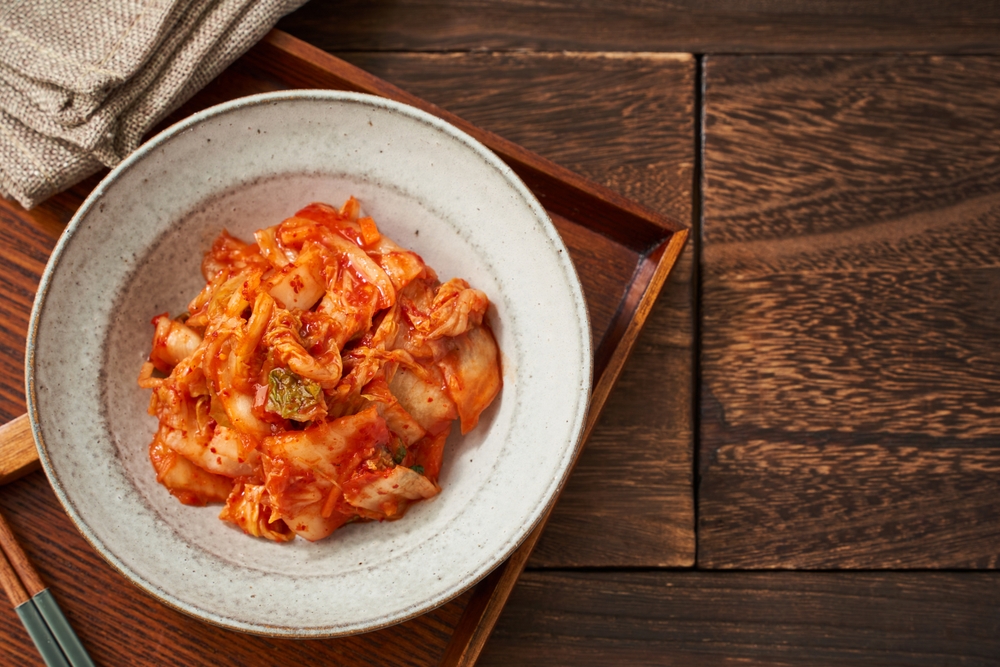
No Korean meal is complete without kimchi on the table.
This fermented cabbage dish packs a spicy, tangy punch that wakes up your entire palate.
Napa cabbage gets mixed with red pepper flakes, garlic, ginger, and fish sauce, then fermented for days or weeks.
The longer it ferments, the tangier it becomes.
Some people love it fresh and crunchy, while others prefer it aged and sour.
Kimchi appears as a side dish with almost every Korean meal.
It’s also added to fried rice, stews, and even pancakes.
Packed with probiotics, this superfood is both tasty and good for your gut.
Give it a try—you might become addicted!
4. Tteokbokki
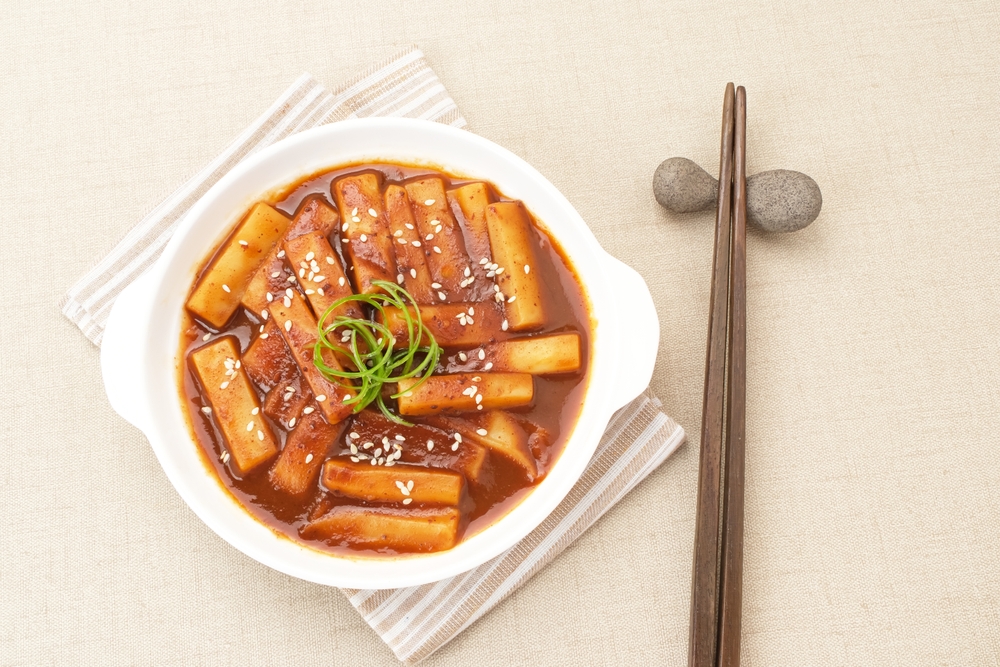
Chewy, spicy, and totally addictive—that’s tteokbokki in three words.
These cylindrical rice cakes swim in a bright red sauce made from gochujang, giving them a sweet and spicy kick.
Street vendors all over Korea sell this popular snack in paper cups or on sticks.
Fish cakes and boiled eggs often join the party, soaking up all that delicious sauce.
The rice cakes have a unique chewy texture that’s unlike anything else.
If you can’t handle much heat, ask for a milder version.
Many Korean kids grow up eating tteokbokki after school.
It’s comfort food that brings back happy memories for many.
Once you try it, you’ll understand the hype.
5. Japchae
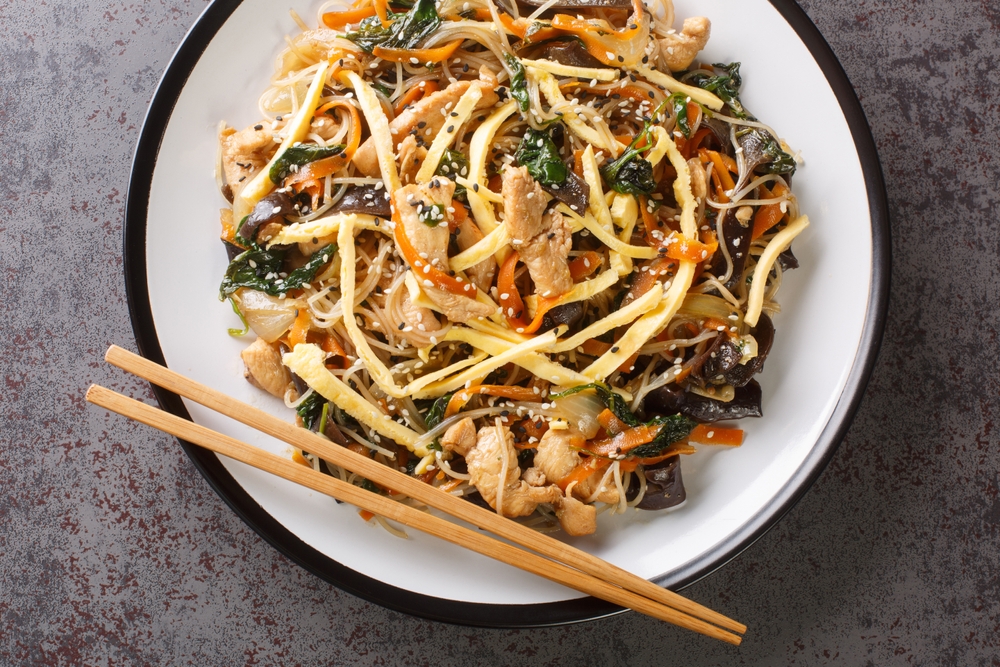
Slippery, sweet, and loaded with veggies—japchae is a noodle lover’s dream.
These glass noodles made from sweet potato starch have a unique bouncy texture.
They’re stir-fried with vegetables like spinach, carrots, mushrooms, and sometimes beef.
A light soy sauce and sesame oil dressing coats everything beautifully.
Koreans often serve japchae at celebrations and special occasions because it symbolizes long life.
The noodles are slightly sweet, making them appealing even to picky eaters.
You can eat japchae warm or at room temperature.
It’s filling without being heavy, and the colorful presentation makes it Instagram-worthy.
One bite and you’ll see why it’s a party favorite.
6. Kimchi Jjigae
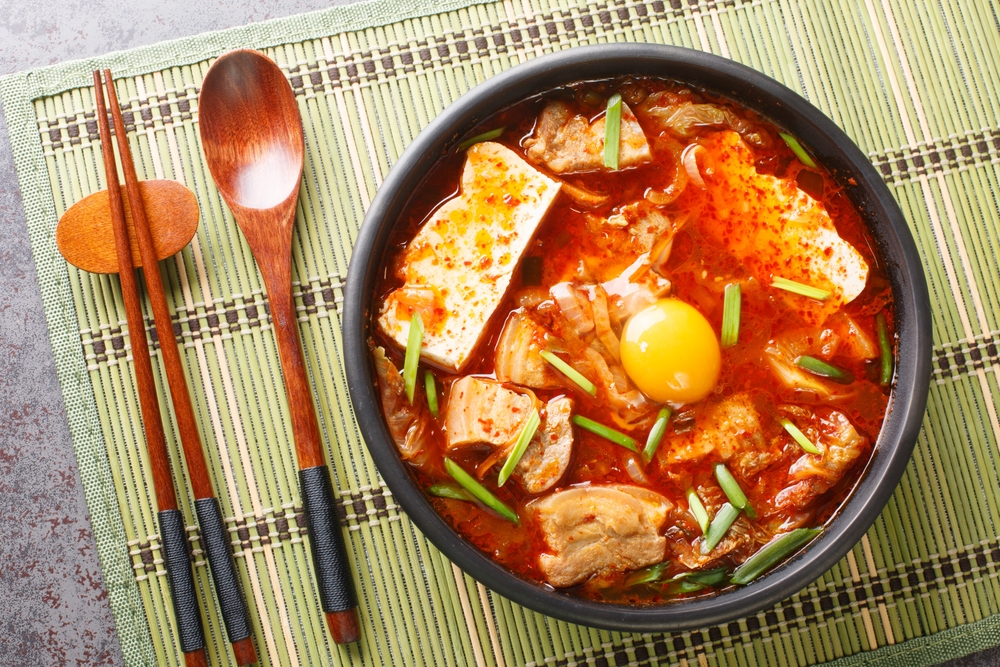
When Koreans need comfort, they turn to kimchi jjigae.
This hearty stew combines aged kimchi with pork, tofu, and vegetables in a spicy, flavorful broth.
The longer the kimchi has fermented, the deeper and tangier the stew tastes.
It arrives at your table still bubbling in a stone pot, releasing clouds of aromatic steam.
Scoop some over white rice and prepare for pure coziness in a bowl.
The spicy broth warms you from the inside out, perfect for cold days.
Many Koreans eat this stew to cure hangovers or fight off colds.
It’s the kind of dish that feels like a warm hug.
Simple ingredients create something truly magical.
7. Mandu
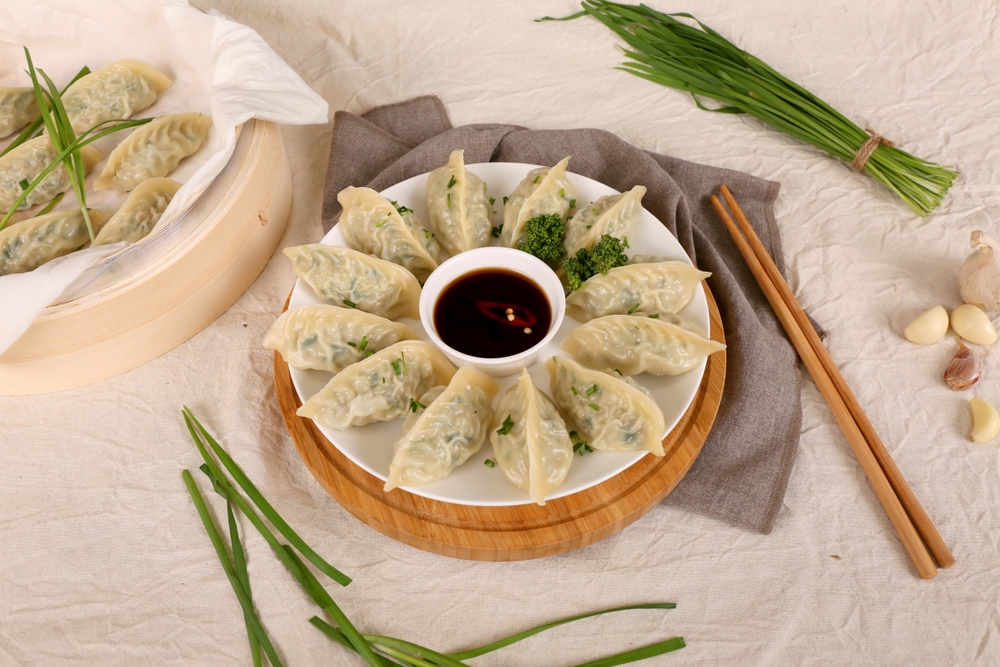
Think of mandu as Korea’s answer to dumplings.
These little pockets of joy come filled with ground meat, tofu, vegetables, and glass noodles.
You can enjoy them steamed, fried, or floating in soup.
The thin wrapper gives way to a juicy, flavorful filling with every bite.
Street food vendors sell them as quick snacks, while restaurants include them in elaborate meals.
Dip them in a mixture of soy sauce and vinegar for extra flavor.
Making mandu at home is a fun family activity where everyone helps fold the dumplings.
Fried mandu has a crispy exterior that contrasts beautifully with the soft filling.
They’re perfect as appetizers or a light meal.
8. Sundubu Jjigae
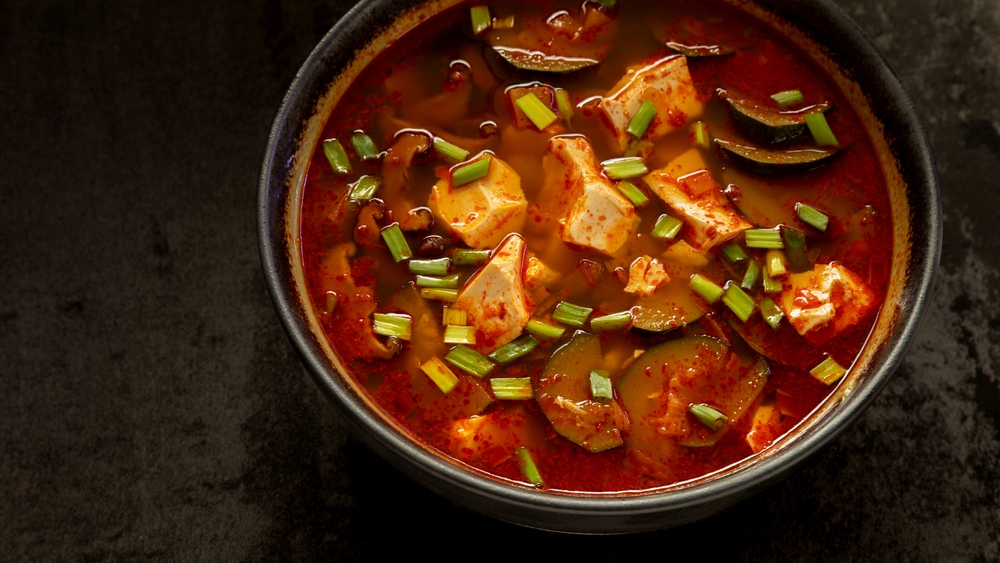
Soft tofu swimming in fiery red broth—that’s sundubu jjigae.
This silky stew features uncurdled tofu so soft it practically dissolves on your tongue.
Seafood, mushrooms, and vegetables add texture and depth to the spicy broth.
A raw egg cracked on top cooks gently in the heat, creating a creamy richness.
Despite looking intimidating with its bright red color, you can order mild versions.
The tofu soaks up all the flavors like a delicious sponge.
Koreans love eating this with a bowl of rice to balance the spice.
It’s nourishing, warming, and surprisingly light despite being so flavorful.
Your spoon will keep diving back for more.
9. Pajeon
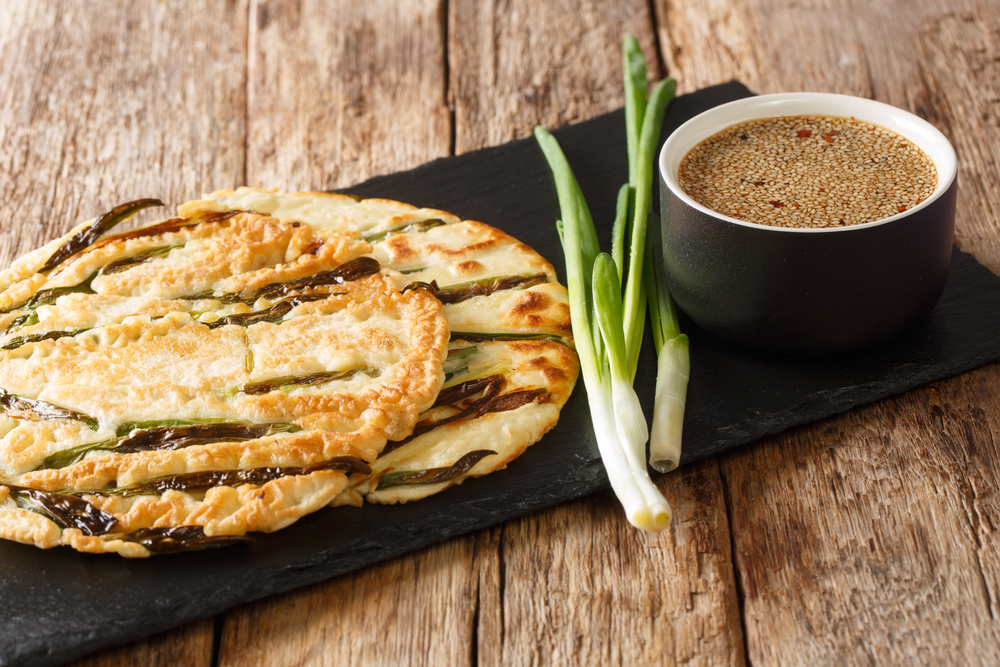
Rainy days in Korea call for pajeon and makgeolli.
This savory pancake is loaded with scallions and has a crispy outside with a slightly chewy inside.
Seafood versions include squid, shrimp, or oysters mixed right into the batter.
The pancake gets pan-fried until golden brown and served hot with a tangy dipping sauce.
Something about the sizzling sound reminds Koreans of rainfall, making it the ultimate rainy day food.
It’s perfect for sharing with friends as an appetizer or snack.
The combination of crispy edges and tender center creates an addictive texture.
You can find pajeon at Korean restaurants or make it easily at home.
One bite explains why it’s so beloved.
10. Samgyeopsal
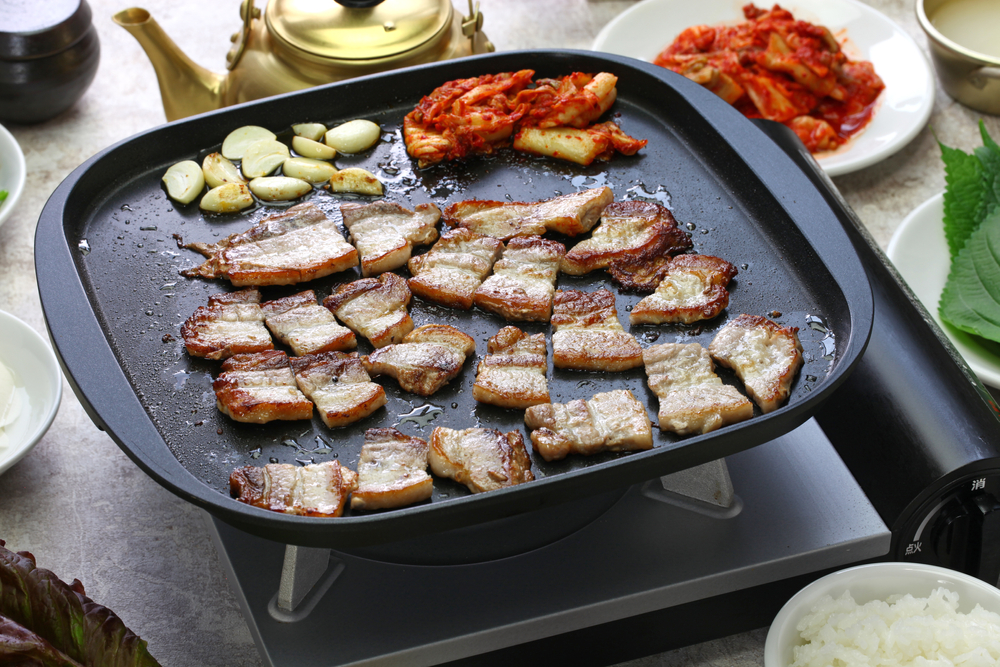
Pork belly lovers, meet your new obsession.
Samgyeopsal features thick slices of unmarinated pork belly grilled until the fat renders and the edges turn crispy.
Unlike bulgogi, this meat shines without any marinade, letting the natural pork flavor take center stage.
Grill it yourself at the table, then wrap the meat in lettuce with garlic, ssamjang sauce, and kimchi.
The combination of smoky meat, crisp lettuce, and spicy sauce is absolutely heavenly.
Koreans often enjoy this with soju, their popular alcoholic beverage.
The interactive grilling experience makes dinner feel like an event.
Crispy, fatty, and utterly satisfying, samgyeopsal converts even the pickiest eaters.
It’s social dining at its finest.
11. Kimbap
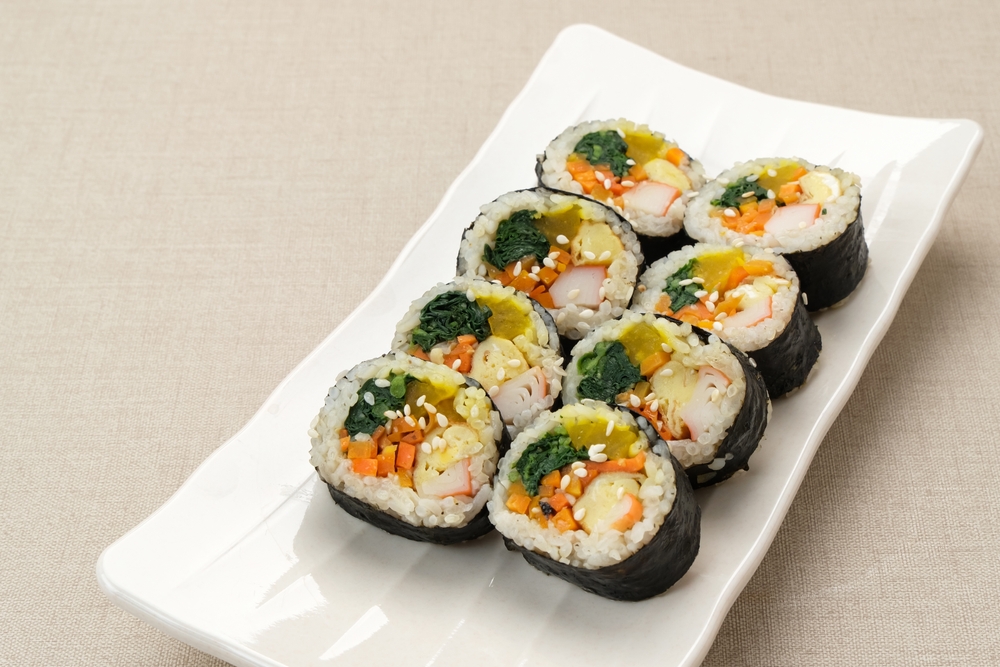
Korea’s answer to sushi, but completely different.
Kimbap rolls rice and various fillings in roasted seaweed, then slices them into bite-sized pieces.
Common fillings include pickled radish, spinach, carrots, egg, and imitation crab.
Unlike Japanese sushi, the rice is seasoned with sesame oil instead of vinegar.
It’s a popular picnic food and lunchbox staple across Korea.
Convenience stores sell kimbap as an affordable, filling snack.
Each colorful slice reveals a rainbow of ingredients inside.
The combination of textures and flavors makes every bite interesting.
Portable, delicious, and not too heavy—kimbap is perfect for eating on the go.
Once you start, you can’t eat just one piece.
12. Galbi
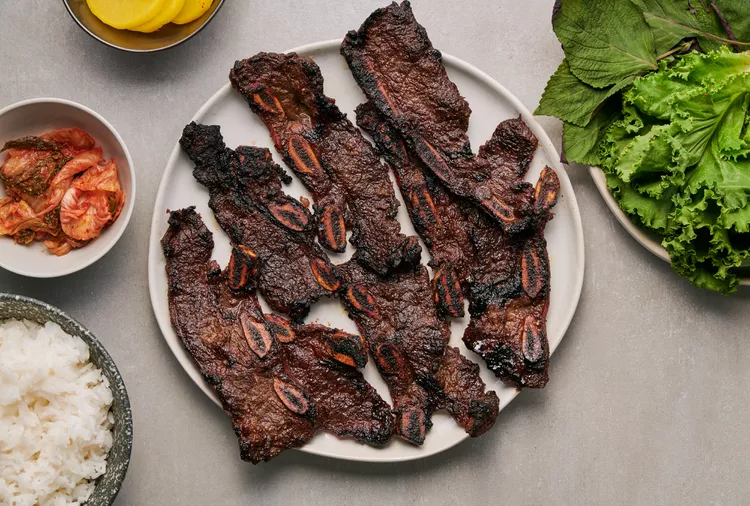
Short ribs have never tasted this good.
Galbi features beef or pork ribs marinated in a sweet soy-based sauce with fruit like pear or kiwi for tenderness.
The marinade caramelizes on the grill, creating a glossy, slightly charred exterior.
Meat lovers consider galbi the crown jewel of Korean BBQ.
The bones add extra flavor and make the meat incredibly juicy.
It’s richer and more indulgent than bulgogi, perfect for special occasions.
Gnawing the meat off the bone is not only acceptable but encouraged.
The sweet and savory balance in the marinade is absolutely perfect.
Galbi might cost more than other Korean dishes, but it’s worth every penny.
13. Bingsu
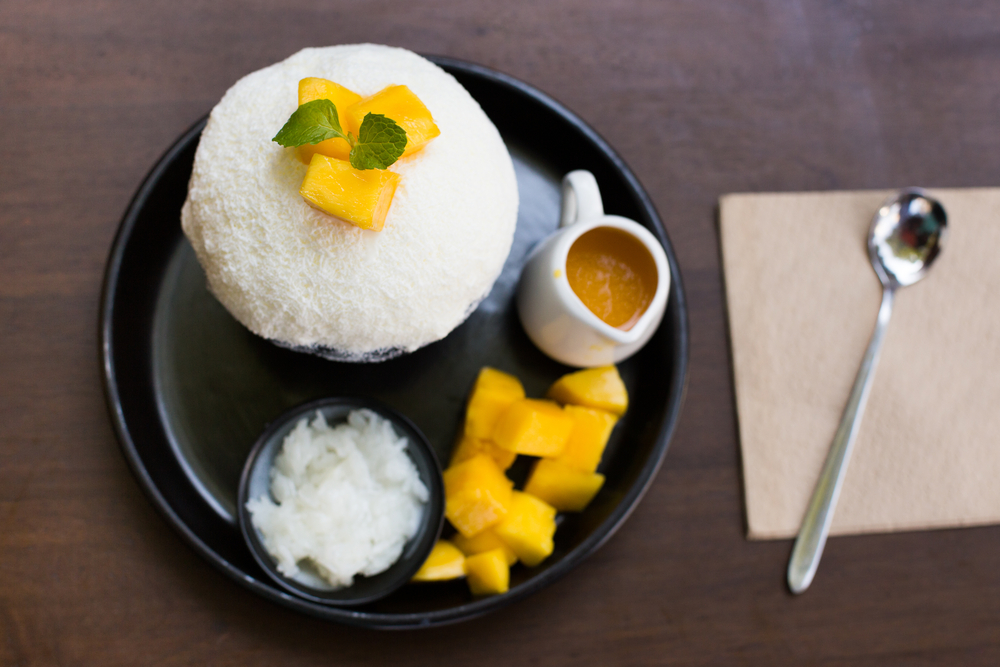
Hot summer days demand bingsu.
This Korean shaved ice dessert features ice so finely shaved it resembles fresh snow.
Traditional versions come topped with sweetened red beans, rice cakes, and condensed milk.
Modern variations include flavors like mango, strawberry, matcha, and even Oreo.
The ice melts on your tongue instantly, releasing whatever flavors top it.
Cafes across Korea compete to create the most Instagram-worthy bingsu creations.
It’s light, refreshing, and perfect for sharing with friends.
Unlike regular shaved ice, bingsu has a uniquely fluffy texture.
After a spicy Korean meal, bingsu provides the perfect sweet ending.
One spoonful and you’ll forget all about regular ice cream.