 MomSkoop

Every generation has its quirks, but some habits feel like they belong in a museum rather than modern life.
Baby Boomers grew up in a world without smartphones, streaming services, or digital wallets, so their daily routines look wildly different from what younger folks consider normal.
These differences aren’t just amusing—they reveal how technology and culture have reshaped the way we communicate, work, and navigate everyday tasks.
1. Preferring Phone Calls Over Texting

Nothing says “Boomer” quite like hearing your phone ring and watching your parents answer it immediately, ready for a full conversation.
For older generations, calling someone shows respect and builds genuine connection through tone and emotion.
Younger people see things differently.
A text feels efficient and considerate because it doesn’t demand immediate attention.
Voice notes split the difference, but even those can feel like too much commitment.
This clash creates awkward moments when grandparents call to ask a simple yes-or-no question.
Meanwhile, their grandkids are typing three-word texts and moving on with their day, wondering why anyone would choose a fifteen-minute chat over instant messaging.
2. Printing Important Documents and Directions
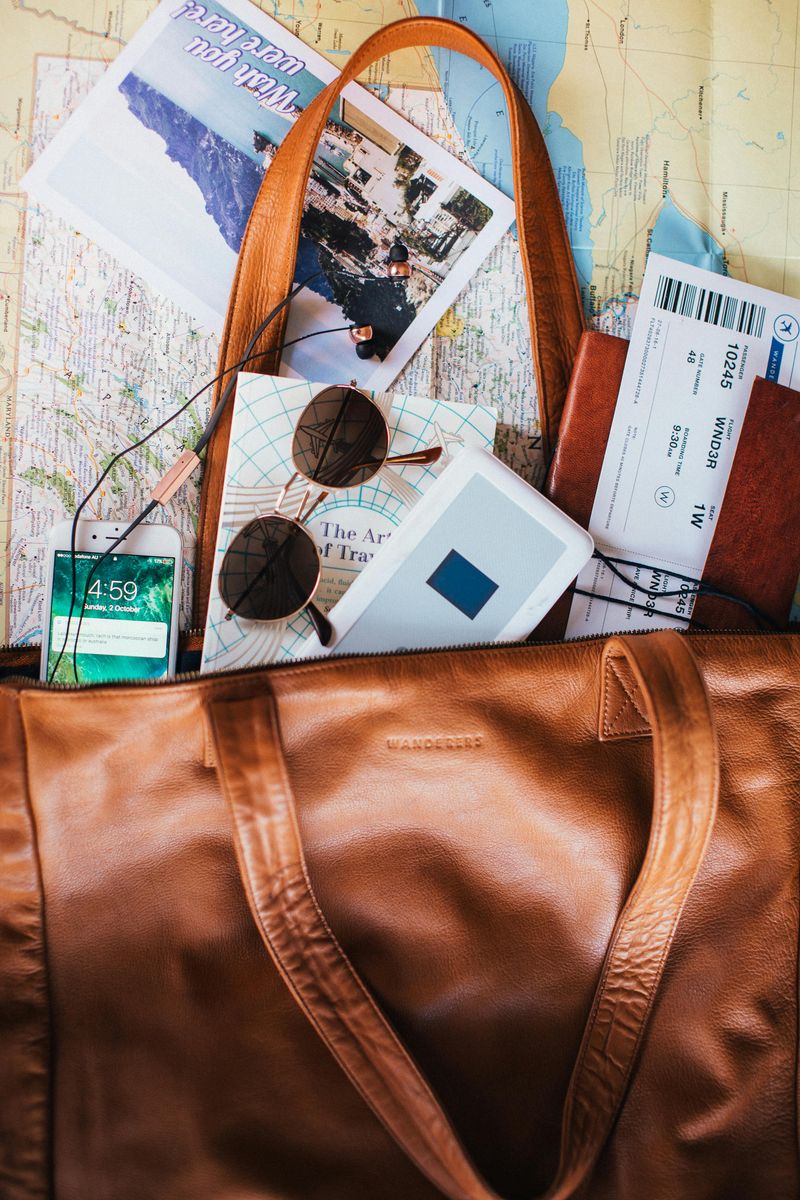
Walk into any Boomer’s house before a trip and you’ll find a stack of printed confirmations, itineraries, and MapQuest directions.
They trust paper because it doesn’t run out of battery or lose signal at the worst possible moment.
Millennials and Gen Z rely entirely on their phones.
Digital boarding passes, GPS apps, and email confirmations live safely in the cloud, accessible anywhere with a quick swipe.
The generation gap shows when younger travelers breeze through airports with just their phones while their parents clutch folders bursting with printed receipts.
Both methods work, but one definitely uses more ink and causes more pre-trip printer panic when something won’t load correctly.
3. Using Cash or Checks Instead of Digital Payments

Watching someone write a check at the grocery store feels like watching a historical reenactment.
Boomers grew up balancing checkbooks and carrying cash for everything, habits that feel secure and tangible to them.
Younger shoppers tap their phones or cards without thinking twice.
Venmo, Apple Pay, and contactless payments make transactions instant, trackable, and wallet-free.
The friction happens at restaurants when splitting bills becomes a production involving cash calculations and IOUs.
Meanwhile, one person could Venmo everyone in seconds.
Security concerns drive some of this—older folks worry about hacking, while younger ones worry about carrying actual money that can be lost or stolen forever.
4. Watching Scheduled TV Instead of Streaming

“It’s on at 8, so we’ll eat dinner at 7:30.” This sentence makes perfect sense to Boomers who plan their evenings around television schedules.
They enjoy the ritual of appointment viewing and discussing shows with friends the next day.
Streaming changed everything for younger viewers.
Why wait for Tuesday at 9 PM when you can binge an entire season this weekend?
Commercials feel like ancient torture devices.
Family gatherings highlight this divide when someone suggests watching a show together and half the room wants to start now while the other half insists on waiting for the “real” airtime.
DVRs tried to bridge this gap but couldn’t compete with the unlimited freedom of Netflix and Hulu.
5. Holding Strict Work-Life Separation and Employer Loyalty

Boomers often spent entire careers at one company, earning pensions and gold watches for their dedication.
They believed in clocking out at 5 PM and leaving work at the office, maintaining sacred boundaries between professional and personal life.
Modern workers job-hop every few years, chasing better opportunities and work-from-home flexibility.
The lines blur constantly—answering emails at dinner, working from coffee shops, side hustles running alongside day jobs.
This creates tension when older managers expect unwavering loyalty while younger employees prioritize growth and balance over company allegiance.
Neither approach is wrong, but they reflect fundamentally different relationships with employment, shaped by economic realities and changing workplace cultures across decades.
6. Writing and Keeping Paper Lists and Files

Image Credit: © cottonbro studio / Pexels
Open any Boomer’s kitchen drawer and you’ll discover a museum of paper scraps—grocery lists, phone numbers, appointment reminders, and notes to self.
Physical writing helps them remember and feels more official than digital notes that disappear into phone apps.
Digital natives live in Notion, Google Keep, and Notes apps.
Cloud storage replaces filing cabinets, and everything syncs across devices automatically.
Lost papers become impossible when backups exist everywhere.
The conflict emerges during moves or cleanups when younger family members suggest shredding decades of saved documents.
Those papers represent security and history to Boomers, even if the information exists online.
Letting go feels reckless when you’ve spent a lifetime trusting what you can hold.
7. Keeping Loose Change and Saving Everything

Coin jars line Boomer shelves like trophies of thriftiness.
They save pennies, reuse containers, and keep items “just in case” because growing up, waste meant foolishness.
Every penny counted, and resourcefulness was a virtue worth practicing daily.
Younger generations rarely handle physical money.
Coins feel like pointless weight when everything charges to cards.
Minimalism replaced hoarding, and Marie Kondo convinced millions to toss anything that doesn’t spark joy.
This shows up when adult children visit parents and find garages stuffed with saved boxes, bags, and mysterious jars of hardware.
What looks like clutter to one generation represents preparedness and history to another.
Digital transactions eliminated the satisfying weight of saved coins entirely.
8. Responding to Every Phone Call

When a Boomer’s phone rings, they answer it—no matter who’s calling.
Unknown number?
Probably important.
Potential spam?
Better check, just in case.
This habit comes from an era when phone calls actually mattered and missing one could mean missing opportunities.
Younger people treat unknown calls like digital ambushes.
If it’s important, they’ll leave a voicemail or text.
Most calls are scams anyway, so silence becomes the default response to unfamiliar numbers.
Watching a Boomer answer robocalls and engage with scammers makes younger folks cringe.
Meanwhile, Boomers can’t understand why their kids never pick up, even for family calls.
Different eras created different trust levels with that ringing sound.
9. Sending Long Voicemails Instead of Brief Messages

Boomers leave voicemails like they’re recording audiobooks—detailed stories with context, backstory, and multiple points covered in one rambling message.
They view this as thorough communication, ensuring nothing gets missed or misunderstood in the process.
Younger listeners see a three-minute voicemail and feel immediate dread.
Reading a text takes seconds; listening to someone’s entire thought process feels inefficient and sometimes impossible in public spaces.
The frustration peaks when the actual information comes in the final ten seconds after two minutes of preamble.
A simple “Call me back” becomes a narrative journey through someone’s day.
Texting the same information would take one sentence, but that feels impersonal to people who value vocal connection and thorough explanations.
10. Talking to Strangers and Oversharing in Public

Strike up a conversation in any waiting room and you’ll likely find a Boomer happily chatting with complete strangers.
They share personal stories, ask questions, and build instant rapport because social connection feels natural and neighborly to them, regardless of setting.
Younger people wear headphones as social shields and avoid eye contact like it’s contagious.
Small talk with strangers feels awkward, unnecessary, and sometimes invasive.
Privacy matters more than friendly chitchat with someone you’ll never see again.
This difference creates mortifying moments when parents strike up loud conversations in public while their adult children pretend not to know them.
Neither approach is wrong—one values community building, the other values personal boundaries.
Different times taught different rules about stranger interaction.