 MomSkoop

Good manners never really go out of style. Older generations grew up in a time when politeness, respect, and consideration for others were taught from a young age and practiced every single day.
These habits became second nature, and many people still hold onto them tightly. Whether you grew up with these customs or are just discovering them, there is a lot we can learn from the way past generations treated one another.
1. Saying Please and Thank You – Using Polite Words Consistently

Two small words can make a surprisingly big difference. “Please” and “thank you” are among the first phrases children used to be taught before almost anything else, and older generations never stopped using them.
Whether asking for the salt at dinner or accepting help carrying groceries, these words were automatic.
Using polite language signals respect and appreciation to the people around you.
It tells others that you value their time and effort.
Many older adults still use these phrases without even thinking about it, because they became deeply ingrained habits over decades of practice.
Bringing this habit back into everyday life costs nothing but can improve nearly every interaction.
A simple “please” or “thank you” can brighten someone’s entire day.
2. Holding the Door for Others – Especially for Someone Behind You

Few gestures feel as instantly warm as someone holding a door open for you.
This small act of kindness shows that you are aware of the people around you and willing to pause for just a moment on their behalf.
Older generations made this a reflex, not a choice.
The rule was simple: if someone is close behind you, hold the door.
It did not matter whether the person was a stranger, a colleague, or a neighbor.
The act itself was the message.
Practicing this habit builds a sense of community and shared courtesy in public spaces.
Next time you walk through a door, take one quick glance back.
That tiny pause can mean more to someone than you might expect.
3. Greeting People Properly – Acknowledging Others When Entering a Room

Walking into a room and saying hello to everyone present was once considered basic, non-negotiable behavior.
Older generations were taught that ignoring people upon arrival was rude, almost like pretending they did not exist.
A proper greeting showed respect and set a positive tone for the interaction ahead.
This habit goes beyond just saying hello.
Making eye contact, using someone’s name, and offering a genuine smile all contribute to a greeting that feels real rather than rushed.
These small details communicate warmth and attentiveness.
In today’s fast-paced world, it is easy to walk into a space staring at a phone.
Breaking that habit and acknowledging others first is a meaningful way to honor the people sharing your space.
4. Writing Thank-You Notes – Sending a Personal Note After a Gift or Visit

There is something deeply personal about receiving a handwritten thank-you note.
Unlike a quick text message, a physical note takes thought, time, and effort.
Older generations considered it an essential follow-up after receiving a gift, attending a dinner, or benefiting from someone’s generosity.
The note did not need to be long.
Even three or four sincere sentences expressing genuine gratitude carried real weight.
It told the recipient that their gesture was noticed, appreciated, and remembered long after the moment passed.
Sending a thank-you note today feels almost rare, which is exactly why it stands out so much.
Reviving this practice is a beautiful way to show people they matter.
A few words on paper can leave a lasting impression that a digital message rarely achieves.
5. Offering Your Seat – Giving Up Your Seat to Someone Who Needs It More

Giving up your seat for someone who needs it more is one of the most visible and recognizable acts of traditional courtesy.
Whether on a bus, in a waiting room, or at a crowded event, older generations were expected to stand so that an elderly person, a pregnant woman, or someone in discomfort could sit.
This habit reflects an awareness of others that goes beyond personal comfort.
It requires you to look around, assess the situation, and put someone else’s needs first without being asked.
That kind of selflessness was once considered a basic expectation.
Practicing this today signals empathy and social awareness.
It is a small physical action with a big emotional impact, reminding others that they are seen and valued in shared spaces.
6. Being Punctual – Arriving on Time for Appointments and Social Gatherings
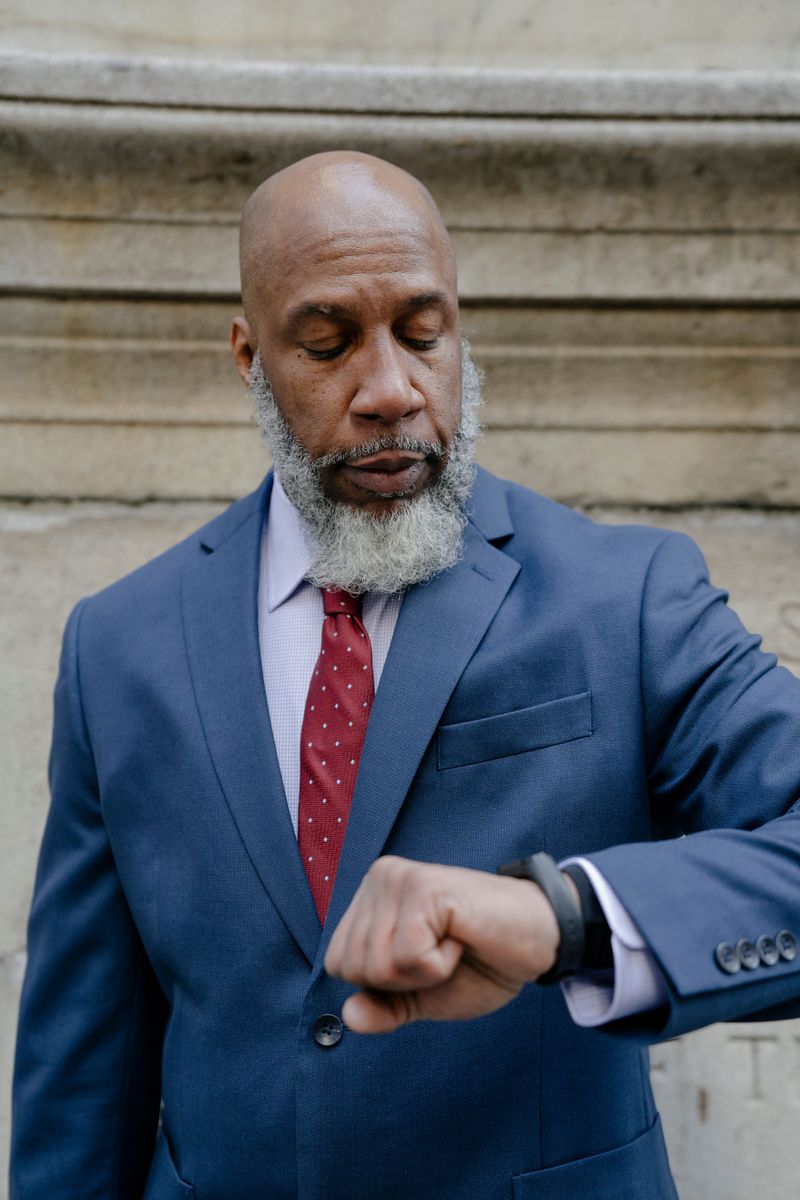
Older generations treated punctuality as a form of respect.
Arriving on time meant you valued the other person’s schedule just as much as your own.
Being late, without good reason, was considered inconsiderate and even a little disrespectful.
The idea was straightforward: if you agreed to meet at a certain time, you showed up at that time.
People planned ahead, left early, and accounted for delays.
Excuses were not celebrated the way they sometimes are today.
Rebuilding this habit takes planning and discipline, but the payoff is real.
People who show up on time are seen as reliable and trustworthy.
Punctuality communicates that you take your commitments seriously, and that is a quality others notice and deeply appreciate in both personal and professional settings.
7. Not Interrupting – Waiting Until Someone Finishes Speaking Before Responding

Listening without interrupting is a skill that takes real patience, and older generations practiced it consistently.
The rule was clear: you wait for someone to finish their thought before you begin yours.
Cutting someone off mid-sentence was considered dismissive and impolite, no matter how eager you were to respond.
This habit signals that you genuinely care about what the other person is saying.
It creates space for meaningful conversation rather than a competition of overlapping voices.
People feel heard, respected, and more willing to open up when they are not constantly interrupted.
Practicing active listening today can transform your relationships.
Try focusing on the speaker’s words rather than planning your reply.
That simple shift in attention can make every conversation feel more connected and more respectful for everyone involved.
8. Using Respectful Forms of Address – Using Titles Like Mr., Mrs., or Dr. Appropriately

Calling someone by their proper title was once the standard, not the exception.
Older generations were taught to address adults as Mr., Mrs., Ms., or Dr. until given permission to use a first name.
This practice communicated respect and acknowledged the other person’s position or seniority.
Jumping straight to a first name, especially with someone older or in a professional role, was considered presumptuous.
The title created a courteous boundary that both parties understood and appreciated.
It was a small formality with a meaningful social purpose.
While casual culture has shifted norms considerably, using proper titles in the right setting still carries weight.
Choosing respectful forms of address, especially when meeting someone for the first time, shows social awareness and leaves a strong, positive first impression on the people you meet.
9. Practicing Good Table Manners – Chewing Quietly and Using Utensils Properly
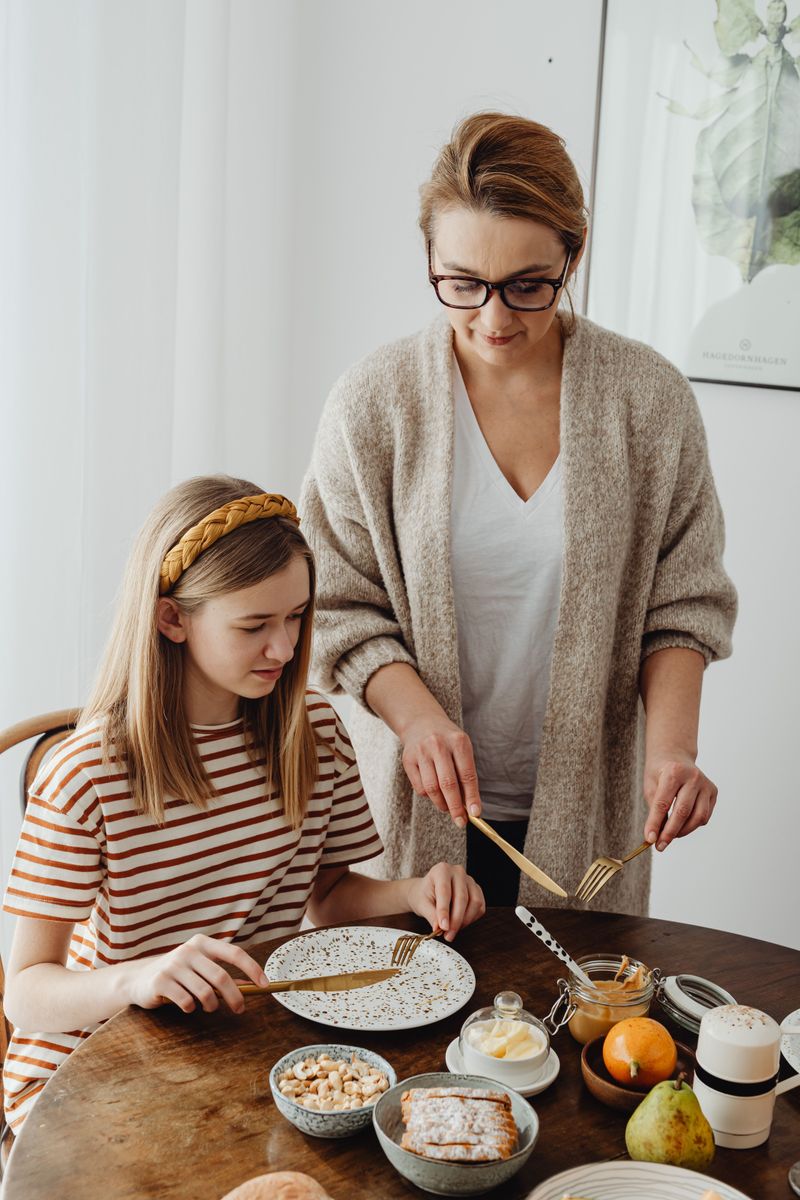
Mealtime was once treated as a social event deserving of proper behavior.
Older generations were expected to chew with their mouths closed, keep elbows off the table, use utensils correctly, and avoid talking with food in their mouths.
These rules were not about being stuffy – they were about being considerate to others at the table.
Good table manners create a more pleasant experience for everyone sharing a meal.
They reflect self-awareness and a basic level of consideration for the people sitting nearby.
These habits were drilled early and maintained throughout life.
Refreshing your table manners does not require a formal etiquette class.
Start with the basics: chew quietly, wait your turn to speak, and put your phone away.
Small improvements can make shared meals feel more enjoyable and respectful for everyone present.
10. Dressing Appropriately for the Occasion – Matching Your Clothing to the Setting
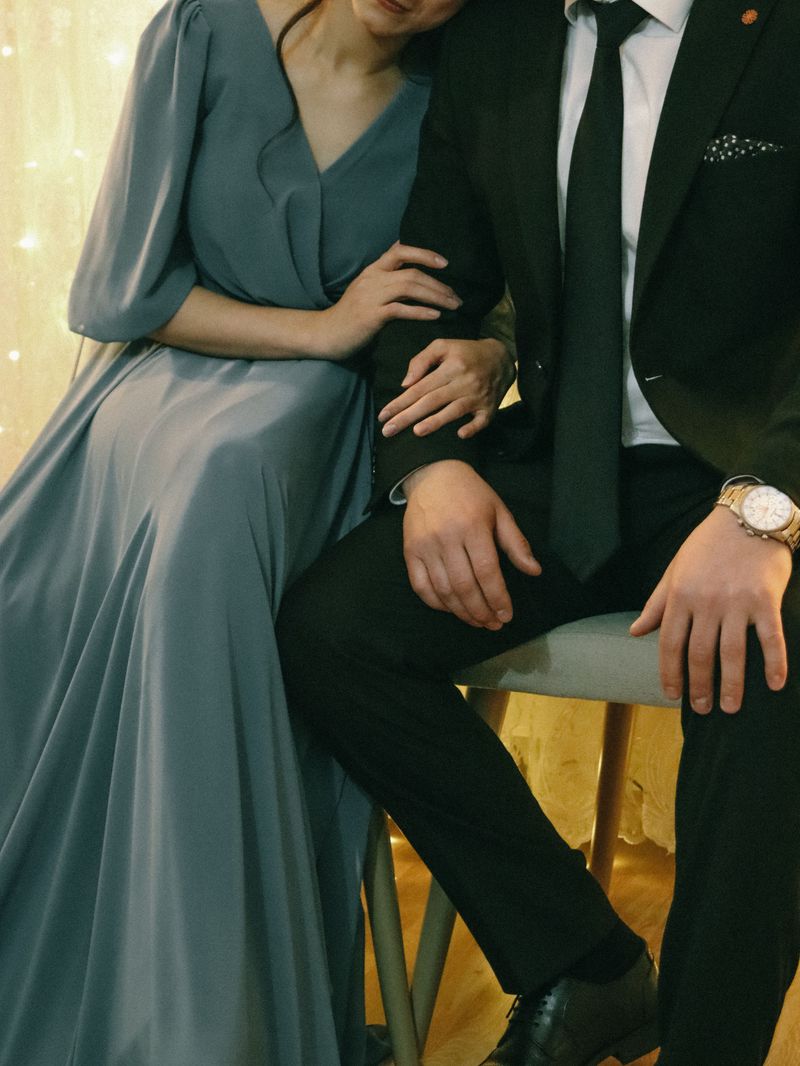
Back in the day, dressing for the occasion was non-negotiable.
Older generations understood that clothing sent a message before you ever said a word.
Showing up to a wedding in casual clothes or wearing a formal suit to a backyard barbecue both signaled a lack of awareness or effort.
Dressing appropriately was a sign of respect for the host, the event, and the other attendees.
It showed that you cared enough to prepare and that you understood the social context of the situation you were entering.
Today, dress codes are more relaxed, but the principle still applies.
Taking a moment to dress thoughtfully for an event – even a semi-casual one – communicates that you take the occasion seriously.
That small effort rarely goes unnoticed by the people around you.
11. Introducing People to Each Other – Making Sure No One Feels Left Out
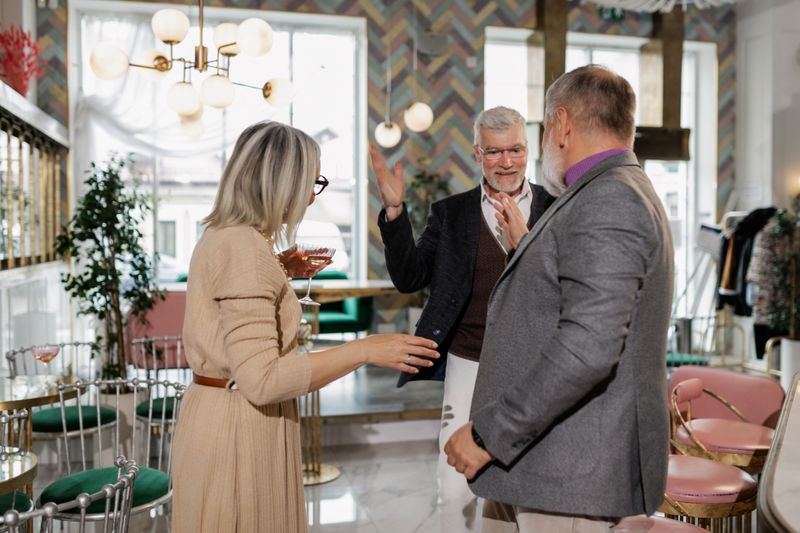
Picture walking into a party where you know no one and the host never bothers to introduce you.
That uncomfortable feeling is exactly what older generations worked hard to prevent.
Making introductions was a social responsibility, not an optional courtesy.
You made sure everyone in the group felt included and familiar.
A proper introduction included names and sometimes a brief detail to spark conversation, like a shared interest or connection.
This small effort helped strangers feel at ease and set the tone for a welcoming gathering.
Reviving this habit is especially meaningful in group settings.
When you bring people together through introductions, you are actively building community.
It takes less than a minute but can prevent someone from spending an entire evening feeling invisible, awkward, or entirely out of place.
12. Keeping Your Word – Treating Promises and Commitments as Sacred

A handshake used to mean something.
Older generations built their reputations on whether they followed through on what they said they would do.
If you made a promise, you kept it.
If you committed to something, you showed up.
Your word was your bond, and breaking it had real social consequences.
This mindset created a culture of reliability and trust.
People knew who they could count on, and those individuals were respected deeply.
Excuses might explain a failure, but they rarely erased the disappointment of a broken commitment.
Keeping your word today is just as powerful.
When you follow through consistently, people trust you more, rely on you, and speak highly of you.
Reliability is one of the most underrated character traits, and it starts with honoring even the smallest promises you make.
13. Respecting Personal and Public Spaces – Being Considerate of Others Nearby

Older generations had a strong sense of shared ownership over public spaces.
Littering was shameful.
Talking loudly in quiet areas was inconsiderate.
Playing music at full volume in shared spaces was simply not done.
The idea was that public spaces belonged to everyone, so everyone had a responsibility to maintain them.
This respect extended to private spaces too.
Visiting someone’s home meant being mindful of noise levels, keeping things tidy, and leaving the space as you found it.
These habits reflected a broader awareness of how individual behavior affects the people around you.
Carrying this mindset into daily life creates more pleasant environments for everyone.
Picking up after yourself, lowering your voice in crowded places, and being mindful of others nearby are habits that signal maturity and genuine consideration for the community you share.
14. Showing Hospitality to Guests – Welcoming Visitors and Making Them Comfortable
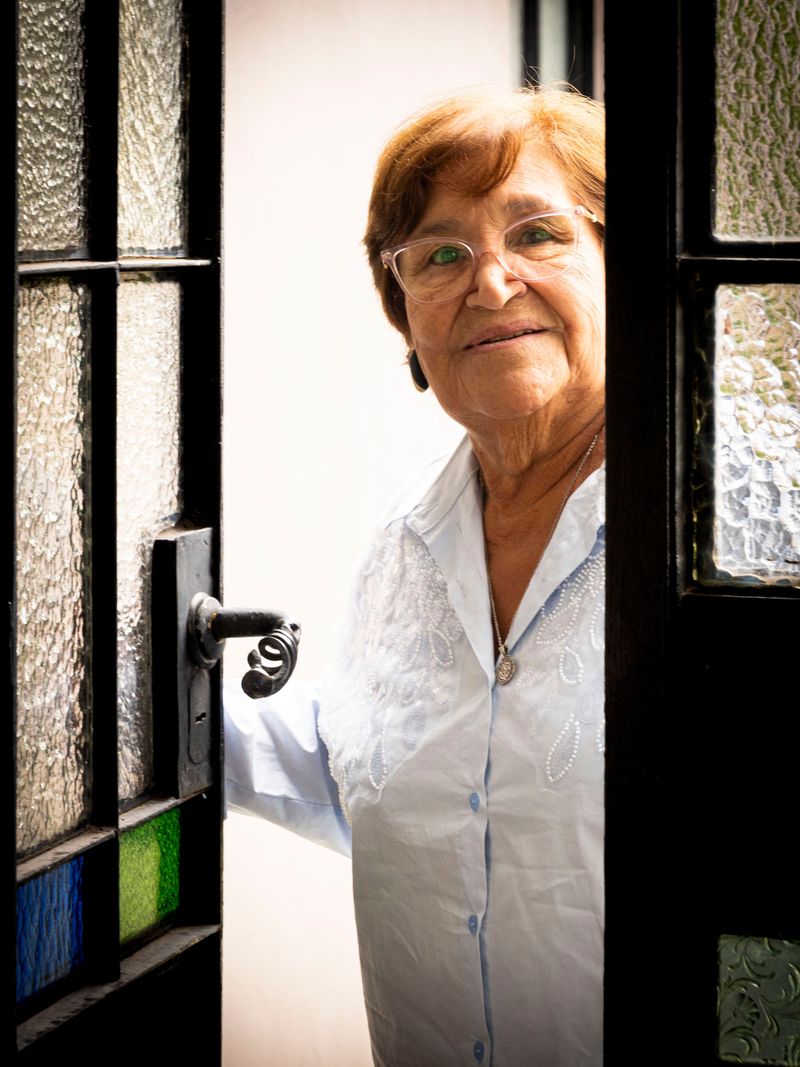
Walking into an older relative’s home often meant being greeted at the door, offered something to drink almost immediately, and made to feel completely at ease.
Hospitality was not reserved for special occasions – it was simply how guests were always treated.
Making visitors comfortable was a point of pride.
This tradition reflected a deep respect for the people who chose to spend time in your home.
Offering food, drink, and a comfortable seat communicated that their presence was valued and that you had prepared for them with care.
Bringing this practice back into your own home does not require elaborate preparation.
A warm greeting, a offered glass of water, and genuine attention can make any guest feel welcomed.
Simple hospitality speaks volumes about your character and the kind of environment you create for others.