 MomSkoop
Things change fast these days. What seemed cool and trendy just a few years ago can suddenly feel outdated or old-fashioned. From the way we shop to the tech we use, plenty of once-popular habits are fading away as new ideas take their place. Here are eleven trends that are pausing or disappearing altogether as the world moves forward.
1. Cable TV Subscriptions
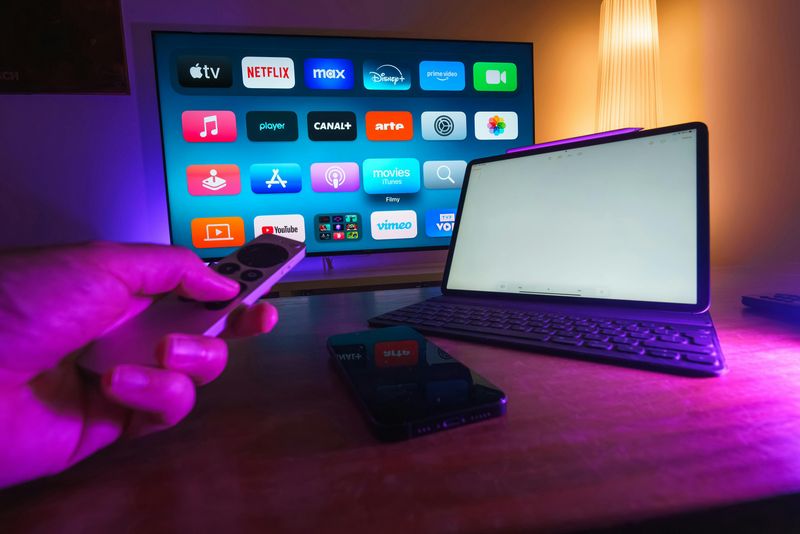
Families everywhere are cutting the cord and saying goodbye to traditional cable packages.
Streaming services like Netflix, Hulu, and Disney+ offer more flexibility, letting viewers watch whatever they want, whenever they want.
Cable companies once dominated home entertainment, but their rigid schedules and expensive bundles feel outdated now.
People prefer paying for only the channels they actually watch.
Plus, streaming apps work on phones, tablets, and laptops, making entertainment portable.
Younger generations especially have grown up without cable, making the shift even more dramatic.
As internet speeds improve and streaming options multiply, cable subscriptions continue their steady decline into the background of history.
2. Paper Maps and Printed Directions
Remember unfolding giant maps in the car while trying to find your way?
Those days are practically over.
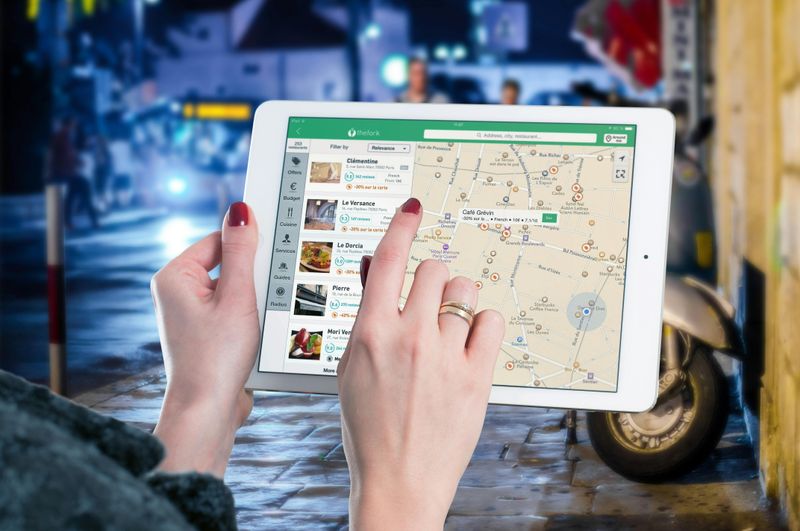
GPS apps like Google Maps and Waze have made paper maps nearly obsolete.
Your phone now gives turn-by-turn directions, traffic updates, and even suggests faster routes in real time.
No more arguing over which exit to take or pulling over to ask for directions.
Digital navigation is simply easier and more accurate.
Some people still keep old maps for nostalgia or emergencies, but most drivers rely entirely on their smartphones.
The convenience of having a tiny computer guide you anywhere makes printed directions feel like relics from another era.
3. Shopping Malls as Social Hubs

Malls used to be the place to hang out, shop, and see friends on weekends.
Now, many sit half-empty with shuttered stores and quiet hallways.
Online shopping changed everything.
Why drive to a crowded mall when you can order clothes, electronics, and gifts from your couch?
Amazon and other retailers deliver right to your door, often within days.
Social media also replaced malls as places to connect with friends.
Teens now chat online instead of meeting at the food court.
Some malls are reinventing themselves with entertainment options like arcades or movie theaters, but the glory days of mall culture are clearly fading fast.
4. Physical Media Collections
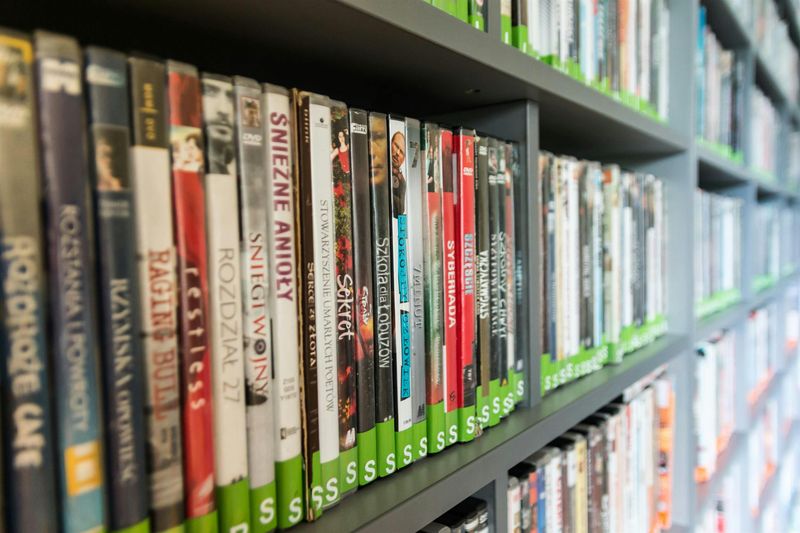
Shelves packed with DVDs, CDs, and game discs were once badges of honor.
Collectors loved showing off their movie libraries and music collections.
Digital downloads and streaming killed that trend.
Why buy a plastic disc when you can stream thousands of songs or movies instantly?
Services like Spotify, Apple Music, and Steam offer massive libraries without taking up physical space.
Plus, digital files never scratch or break.
Some audiophiles and film buffs still prefer physical copies for quality or nostalgia, but most people have moved on.
Thrift stores overflow with unwanted DVDs, proof that physical media is becoming a thing of the past.
5. Landline Telephones at Home
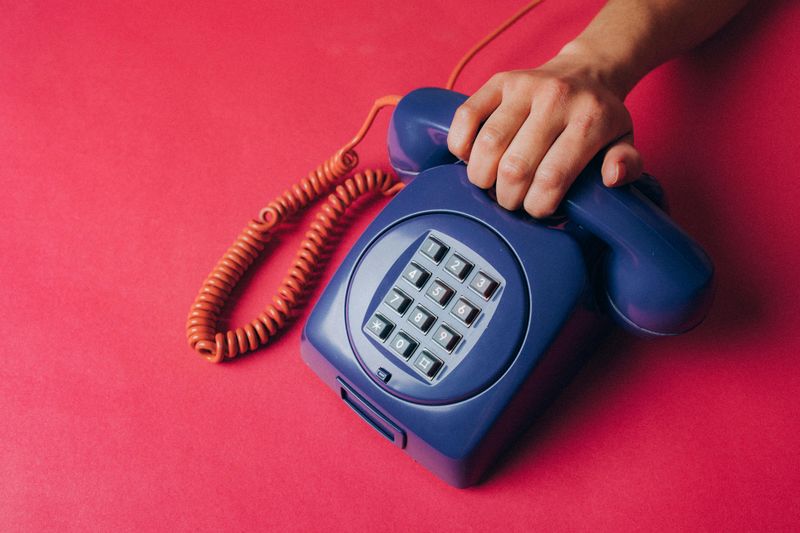
Landlines used to be essential in every household.
Families shared one phone number, and everyone took turns answering calls.
Cell phones changed all that.
Now everyone has their own mobile device with unlimited calling and texting.
Landlines feel unnecessary and expensive by comparison.
Many younger people have never even used one.
Parents might keep landlines for emergencies or out of habit, but most homes have quietly disconnected them.
The iconic sound of a ringing landline is becoming a distant memory.
Mobile phones offer way more features, portability, and convenience, making landlines seem like dinosaurs from a bygone era of communication.
6. Printed Newspapers and Magazines

Morning routines once included grabbing the newspaper from the driveway.
People loved flipping through pages with coffee in hand.
Today, most news comes from websites, apps, and social media.
Digital news updates instantly, while print editions feel outdated by the time they arrive.
Magazines face similar struggles.
Readers prefer online articles they can access anywhere, anytime.
Environmental concerns also play a role—less paper waste appeals to eco-conscious consumers.
Some publications still print, but circulation numbers keep dropping.
The newspaper industry fights to stay relevant, but the shift toward digital journalism seems irreversible as younger generations grow up reading news exclusively online.
7. Fast Fashion Hauls

Buying tons of cheap, trendy clothes was hugely popular for years.
Fast fashion brands made it easy and affordable to constantly update your wardrobe.
But attitudes are shifting.
People now understand the environmental damage caused by disposable clothing.
Factories produce massive waste, and garments often end up in landfills after just a few wears.
Thrift shopping, clothing swaps, and sustainable brands are gaining popularity instead.
Consumers want quality over quantity, choosing pieces that last longer.
Social media influencers even promote secondhand finds and ethical fashion.
The endless cycle of buying and tossing cheap clothes is losing its appeal as awareness grows about sustainability and responsible consumption.
8. Desktop Computers for Personal Use
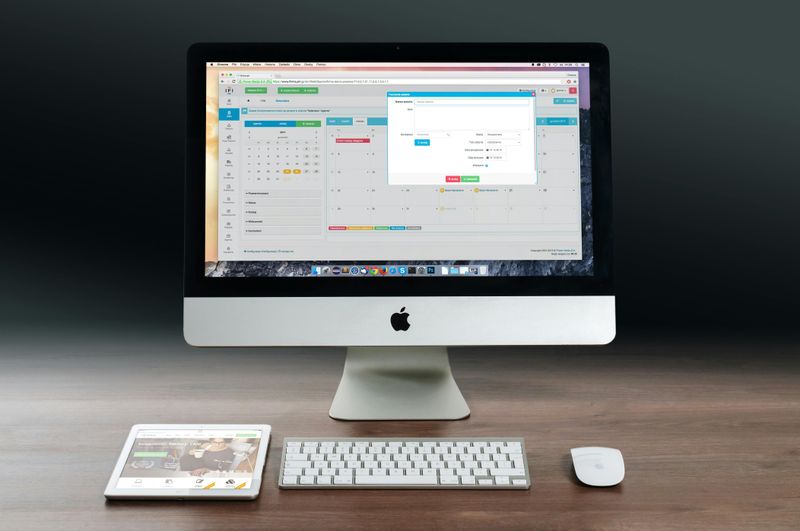
Bulky desktop computers once dominated home offices and bedrooms.
They were powerful but took up lots of space.
Laptops and tablets have mostly replaced them for everyday tasks.
Modern portable devices handle emails, browsing, streaming, and schoolwork just fine.
Desktops still matter for serious gaming, video editing, or professional work, but average users rarely need that much power.
The convenience of carrying your computer anywhere wins out.
Plus, laptops keep getting faster and cheaper.
Families might keep one desktop around, but most personal computing happens on smaller, mobile devices now.
The era of the desktop as the household computer is clearly winding down.
9. Traditional Alarm Clocks

Alarm clocks used to be bedside essentials.
Their loud beeping woke millions of people every morning.
Smartphones have taken over that job.
Why buy a separate device when your phone does everything?
Apps offer customizable alarms, snooze options, and even soothing wake-up sounds.
Phones also charge overnight right next to your bed.
Traditional alarm clocks feel redundant and old-fashioned now.
Some people prefer them to avoid phone distractions before sleep, but most rely entirely on mobile alarms.
The classic alarm clock, once a bedroom staple, is slowly disappearing as smartphones consolidate more and more functions into one handy device we carry everywhere.
10. In-Person Banking Visits

Going to the bank used to be a regular errand.
People stood in line to deposit checks, withdraw cash, or ask questions.
Mobile banking apps have changed that routine completely.
You can now deposit checks by taking a photo, transfer money instantly, and pay bills without leaving home.
ATMs handle cash withdrawals, and customer service is available through chat or phone.
Physical branches are closing as fewer customers visit.
Younger generations especially prefer managing finances digitally.
The convenience and speed of mobile banking make in-person visits feel unnecessary.
While some still appreciate face-to-face service, the trend clearly favors digital solutions over traditional branch banking.
11. Shared Public Calendars and Planners
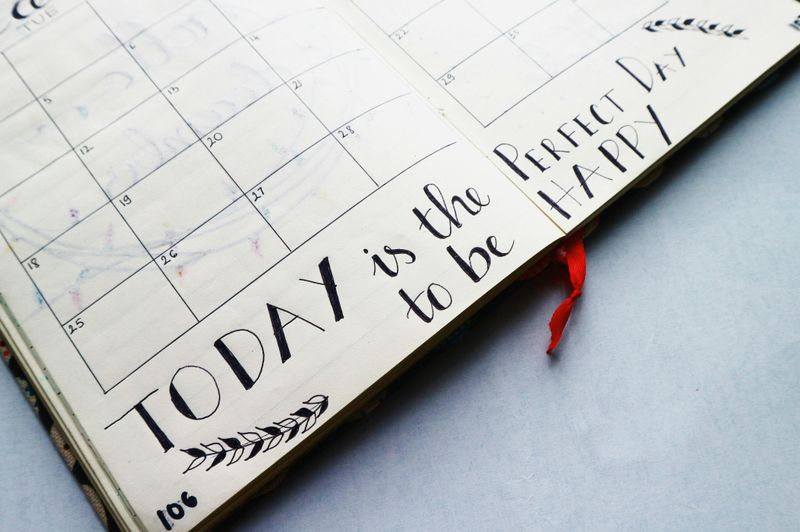
Families once relied on wall calendars and paper planners to coordinate schedules.
Everyone wrote appointments, events, and reminders in one central spot.
Digital calendars have replaced that system.
Apps like Google Calendar sync across devices, send automatic reminders, and update in real time.
Family members can share calendars digitally, making coordination easier than ever.
No more crossed-out dates or messy handwriting.
Color-coding, recurring events, and instant notifications make digital planning superior.
Paper planners still have fans who enjoy writing things down, but most households have switched to digital tools.
The wall calendar, once a kitchen staple, is becoming another casualty of the smartphone revolution.