 MomSkoop
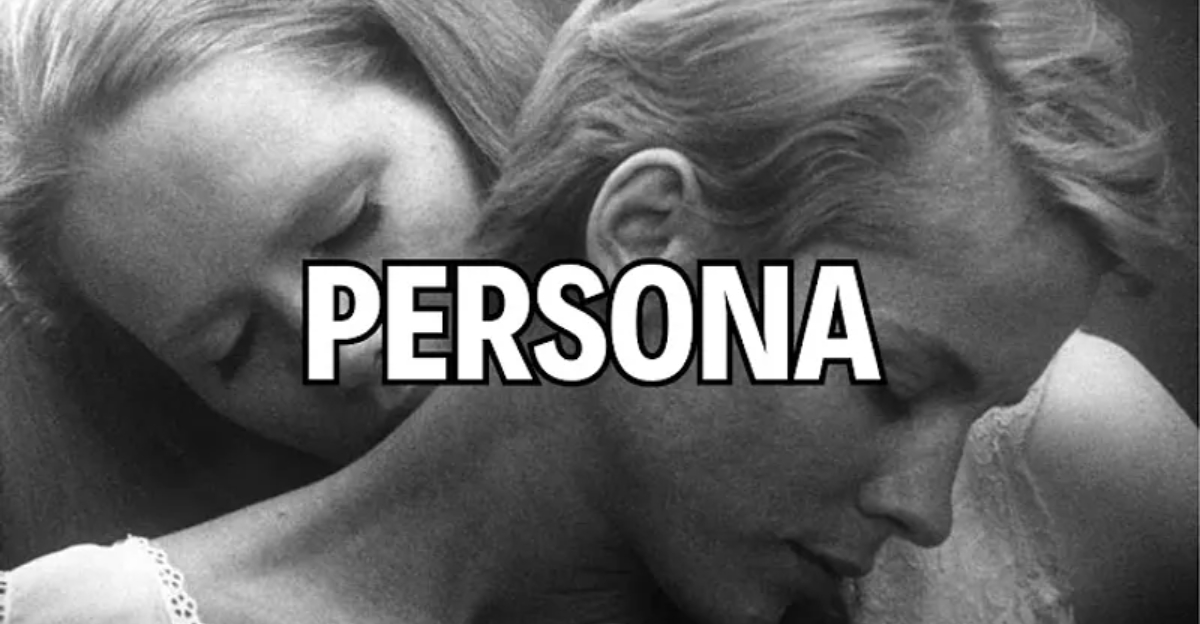
The 1960s transformed cinema forever with groundbreaking films that challenged conventions and redefined storytelling. From psychological thrillers to sweeping epics, this decade gave us movies that continue to influence filmmakers today.
True movie lovers recognize these masterpieces as essential viewing, but casual audiences may have missed some of these gems. Test your film knowledge and see how many of these iconic sixties classics you’ve actually watched from start to finish.
1. Psycho (1960)
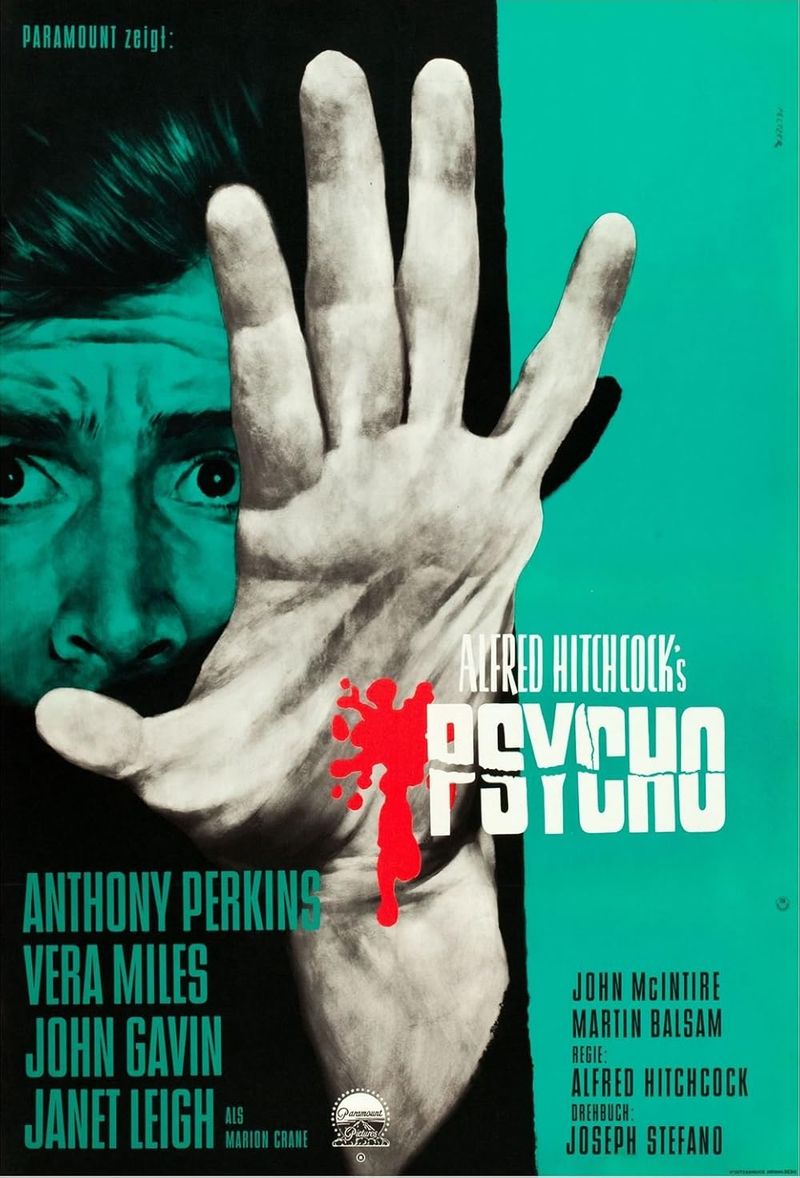
Alfred Hitchcock changed horror movies forever with this shocking masterpiece that kept audiences on the edge of their seats.
The famous shower scene became one of cinema’s most recognized moments, proving that suggestion can be scarier than showing everything.
Janet Leigh stars as Marion Crane, whose fateful stop at the Bates Motel leads to terrifying consequences.
Anthony Perkins delivers an unforgettable performance as Norman Bates, creating a character that haunted viewers’ nightmares for decades.
The twist ending left moviegoers stunned and changed how Hollywood approached suspense.
Hitchcock even requested theaters not allow late arrivals, protecting the film’s carefully crafted surprises.
2. 2001: A Space Odyssey (1968)
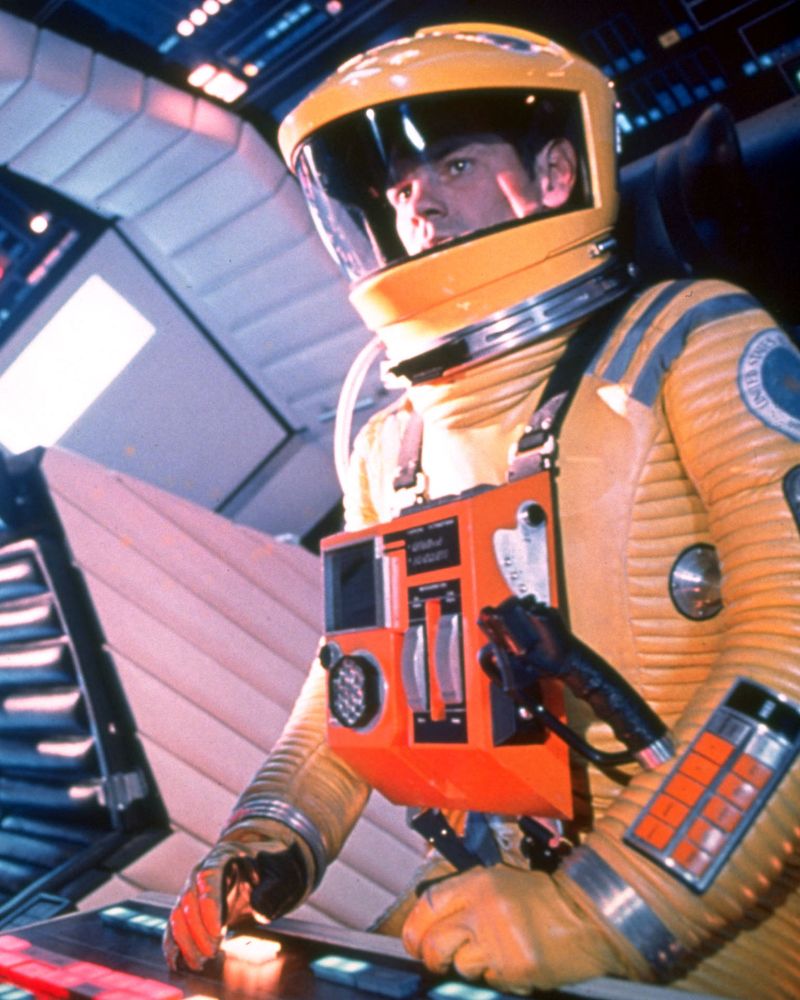
Stanley Kubrick’s visionary science fiction epic explores humanity’s place in the universe through stunning visuals and minimal dialogue.
The mysterious black monolith appears at key moments in human evolution, from prehistoric apes to advanced space travel.
HAL 9000, the ship’s artificial intelligence, becomes one of cinema’s most chilling villains despite being just a glowing red eye.
The film’s groundbreaking special effects looked so realistic that some conspiracy theorists claimed Kubrick faked the moon landing using these techniques.
Its ambiguous ending sparked countless debates about consciousness, evolution, and extraterrestrial life.
Classical music accompanies the breathtaking space sequences, creating an unforgettable cinematic experience.
3. La Dolce Vita (1960)
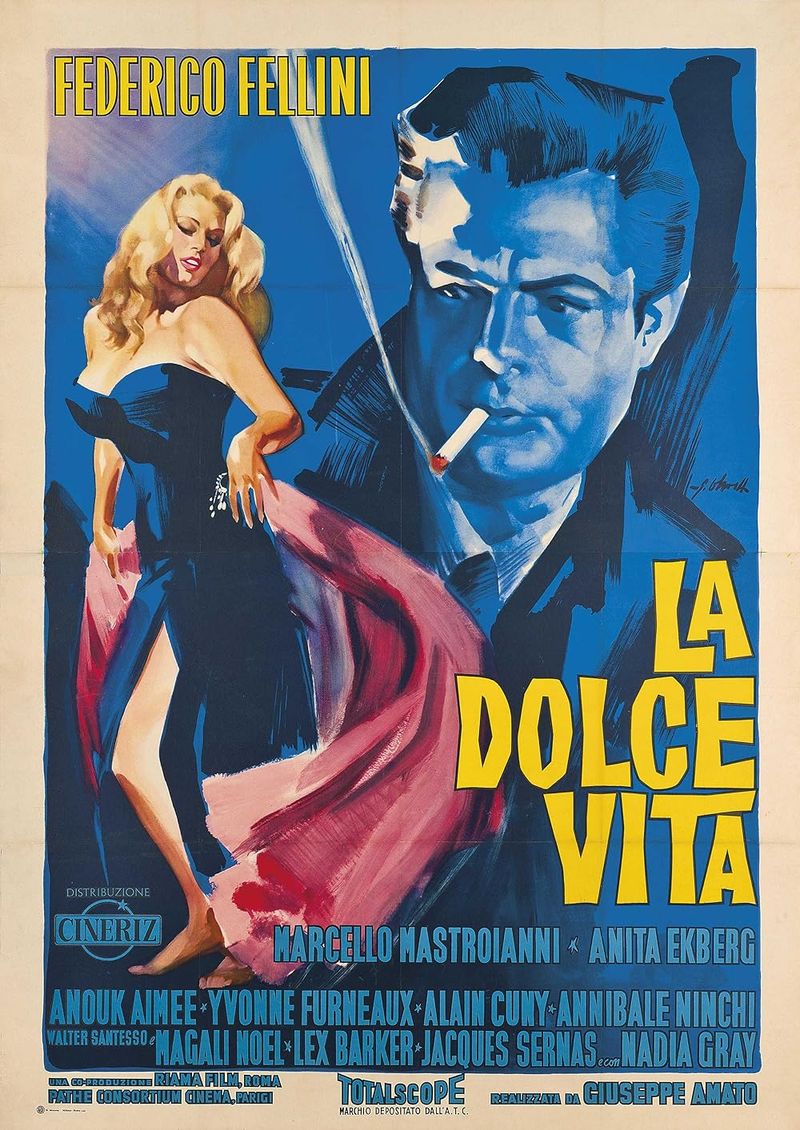
Federico Fellini captured the glamorous yet empty lifestyle of Rome’s wealthy elite in this influential Italian masterpiece.
Marcello Mastroianni plays a gossip journalist navigating the city’s nightlife, parties, and complicated relationships.
The famous Trevi Fountain scene, where Anita Ekberg wades through the water in an elegant gown, became an iconic image of European cinema.
Fellini coined the term “paparazzi” through this film, naming intrusive photographers after a character called Paparazzo.
The movie examines themes of emptiness behind luxury, searching for meaning in a superficial world.
Its episodic structure influenced countless filmmakers who wanted to explore modern life’s complexities.
4. Army of Shadows (1969)
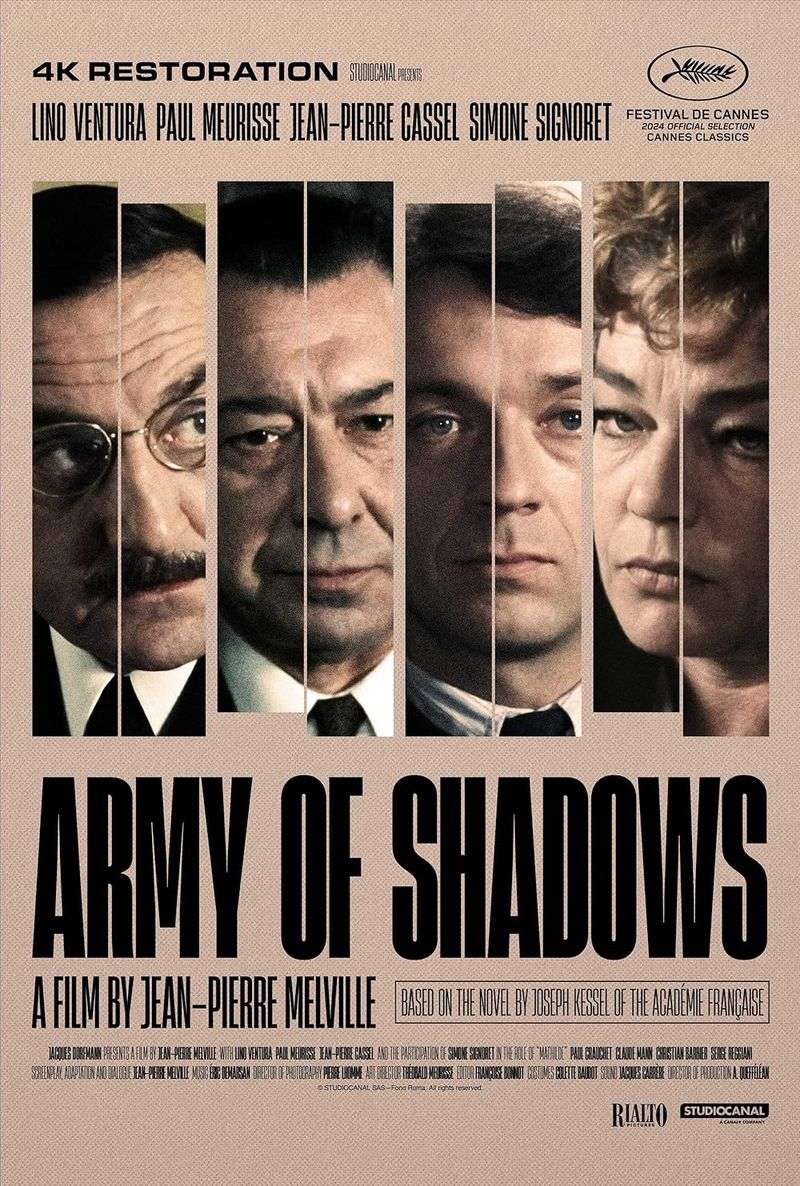
Jean-Pierre Melville crafted this tense portrayal of French Resistance fighters struggling against Nazi occupation during World War II.
Unlike typical war movies filled with action and heroics, this film shows the grim reality of underground resistance work.
The characters face impossible moral choices, betrayals, and constant fear of capture and execution.
Lino Ventura leads an exceptional cast through a story based on actual resistance experiences during France’s darkest hours.
Melville’s cool, detached directing style emphasizes the emotional toll of living double lives under occupation.
Initially overlooked, the film gained recognition decades later as a profound meditation on courage, sacrifice, and survival.
5. The Leopard (1963)
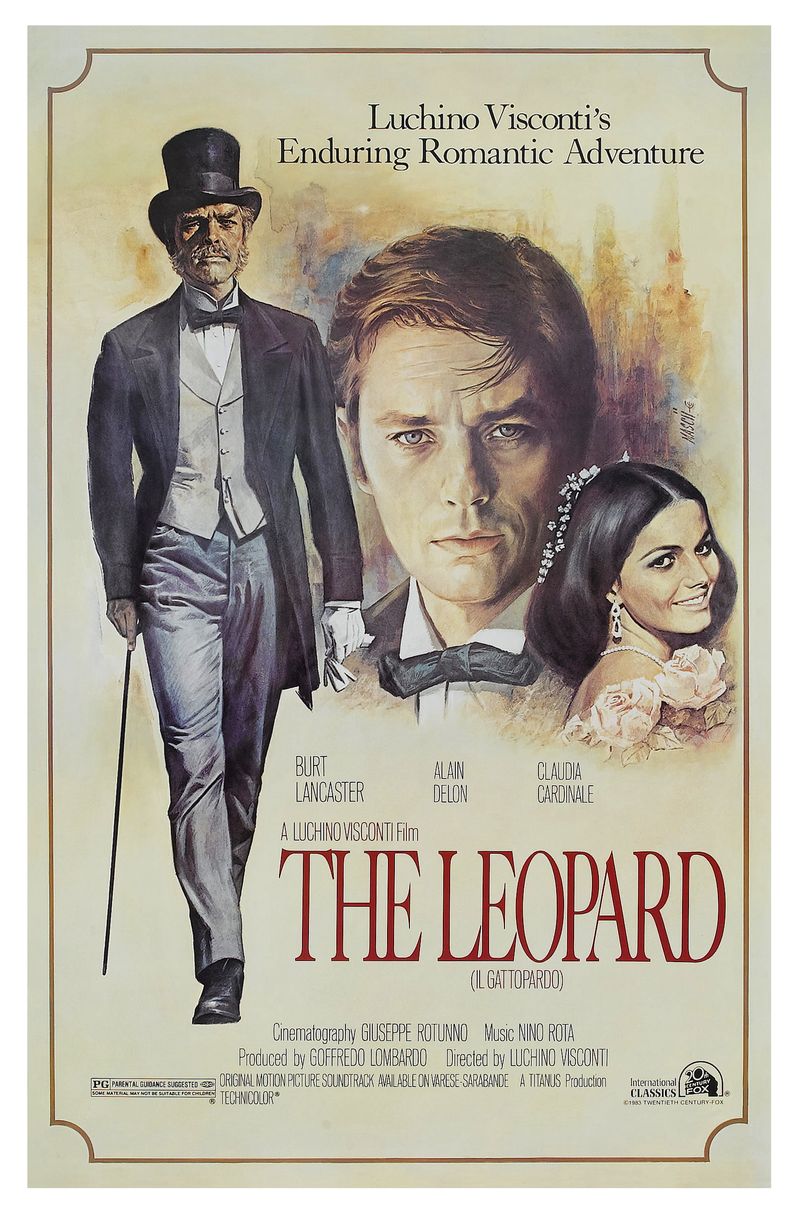
Luchino Visconti’s sweeping historical drama examines Italy’s unification through the eyes of Sicilian nobility facing inevitable change.
Burt Lancaster delivers a remarkable performance as Prince Fabrizio, an aristocrat who understands his world is disappearing forever.
The film’s legendary forty-minute ballroom sequence showcases Visconti’s meticulous attention to period detail and visual splendor.
Claudia Cardinale shines as Angelica, representing the new generation that will inherit Italy’s future.
The prince’s famous observation that “everything must change so everything can stay the same” captures the film’s central paradox.
Visconti’s masterpiece reflects on power, mortality, and historical transformation with operatic grandeur.
6. Masculin Féminin (1966)

Jean-Luc Godard captured the spirit of 1960s youth culture in this provocative examination of politics, romance, and consumer society.
Young Parisians navigate relationships while grappling with Vietnam War protests, pop music, and advertising’s growing influence on their lives.
The film’s documentary-style interviews break traditional narrative conventions, directly addressing contemporary social issues.
Jean-Pierre Léaud plays Paul, an idealistic young man trying to connect with Madeleine, a aspiring pop singer more interested in fame than politics.
Godard subtitled his film “15 Precise Acts,” emphasizing its fragmented structure that mirrors modern life’s disconnection.
The movie remains remarkably relevant in exploring generational conflicts and identity formation.
7. The Apartment (1960)
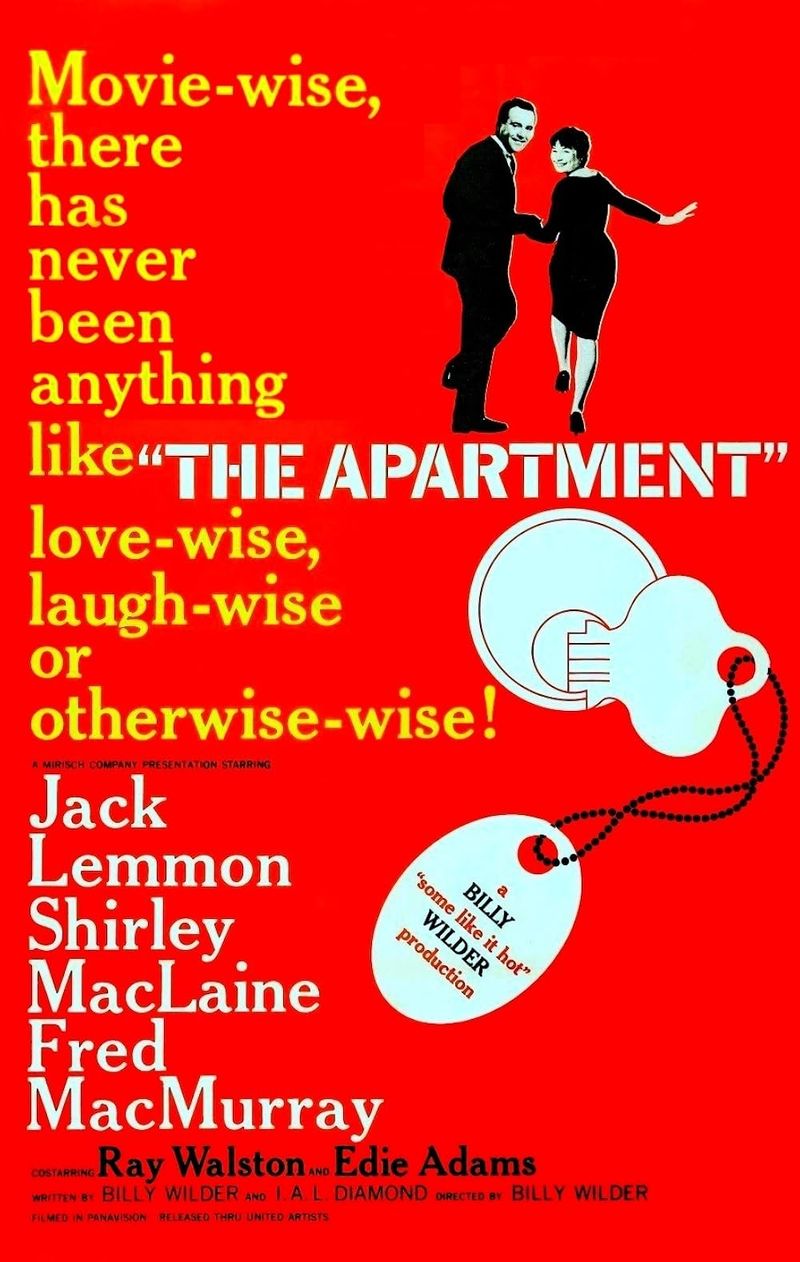
Billy Wilder’s bittersweet comedy-drama examines corporate culture and loneliness through an insurance clerk who lends his apartment to philandering executives.
Jack Lemmon brilliantly portrays C.C. Baxter, whose misguided attempts at career advancement lead to unexpected consequences and moral awakening.
Shirley MacLaine plays Fran, an elevator operator caught in a destructive affair with their married boss.
The film balances sharp social commentary about workplace exploitation with genuine romantic warmth between its lonely protagonists.
Wilder’s script earned an Academy Award for its witty dialogue and honest portrayal of compromised principles.
The movie’s iconic final line perfectly captures the hopeful redemption both characters desperately needed.
8. The Good, the Bad and the Ugly (1966)
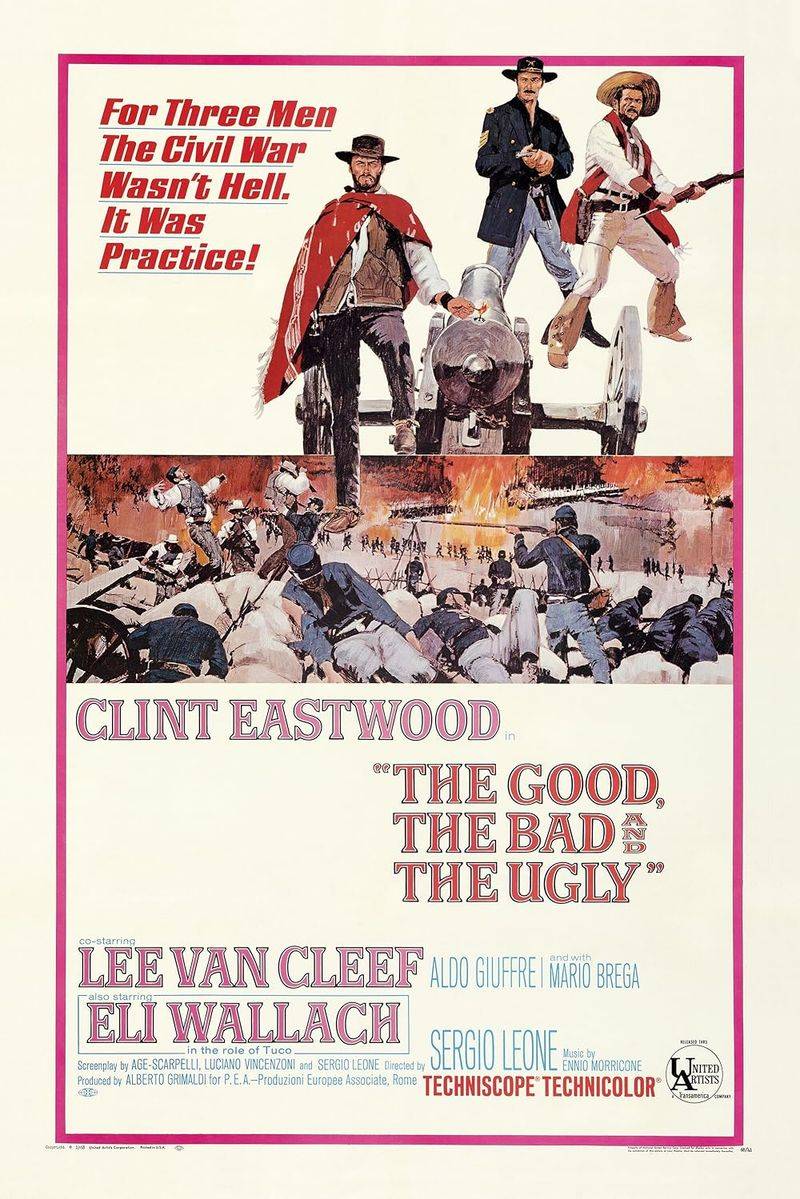
Sergio Leone perfected the spaghetti western genre with this epic tale of three gunslingers searching for buried Confederate gold.
Clint Eastwood, Lee Van Cleef, and Eli Wallach create unforgettable characters through intense close-ups and minimal dialogue.
Ennio Morricone’s legendary musical score, featuring haunting whistles and trumpets, became inseparable from the film’s identity.
The final three-way showdown in a circular cemetery remains one of cinema’s most perfectly constructed sequences.
Leone’s extreme close-ups of weathered faces and squinting eyes influenced action filmmaking for generations.
Despite its title, the film explores moral ambiguity, showing how the Civil War’s chaos brought out both humanity and greed.
9. My Fair Lady (1964)
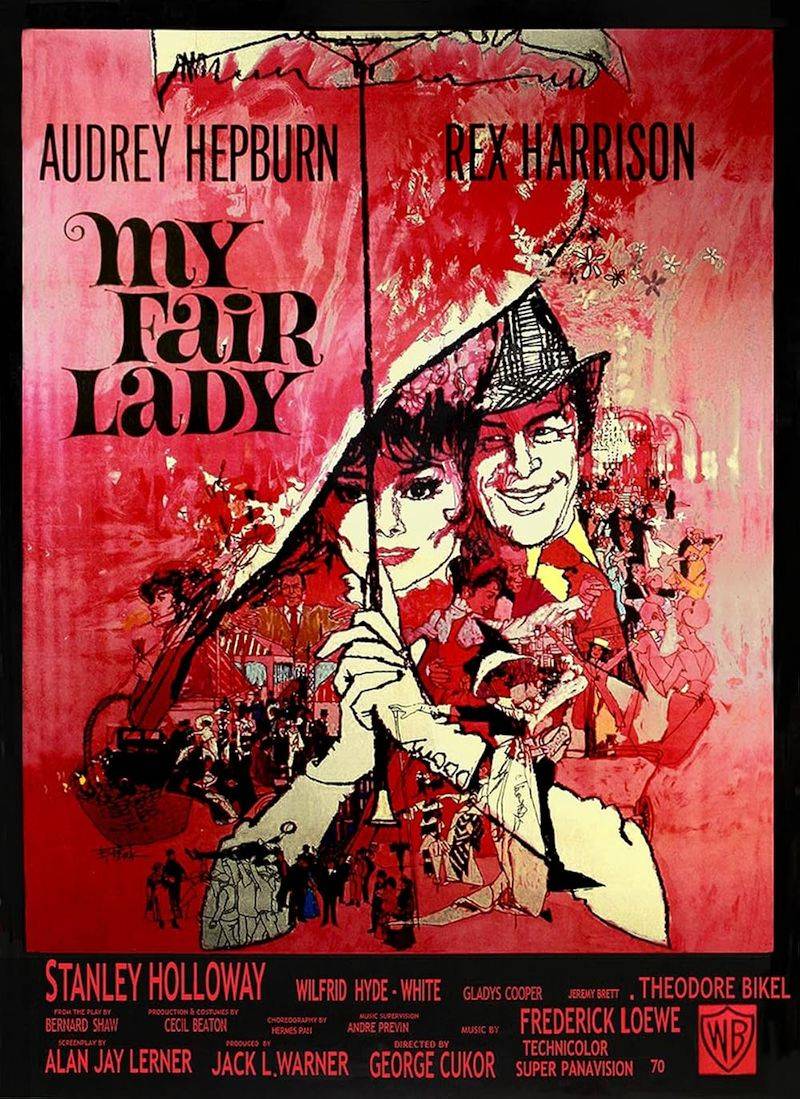
George Cukor’s lavish musical adaptation of George Bernard Shaw’s play transformed Audrey Hepburn into Cockney flower girl Eliza Doolittle.
Rex Harrison reprises his stage role as Professor Henry Higgins, the arrogant phonetics expert who bets he can pass Eliza off as royalty.
The gorgeous costumes and elaborate sets won Academy Awards, creating a visual feast of Edwardian elegance.
“The Rain in Spain” and “I Could Have Danced All Night” became beloved musical numbers showcasing Eliza’s remarkable transformation.
The film sparked controversy when Hepburn’s singing voice was dubbed, though her performance remains charming.
Beyond the romance, the story examines class divisions and women’s independence.
10. To Kill a Mockingbird (1962)
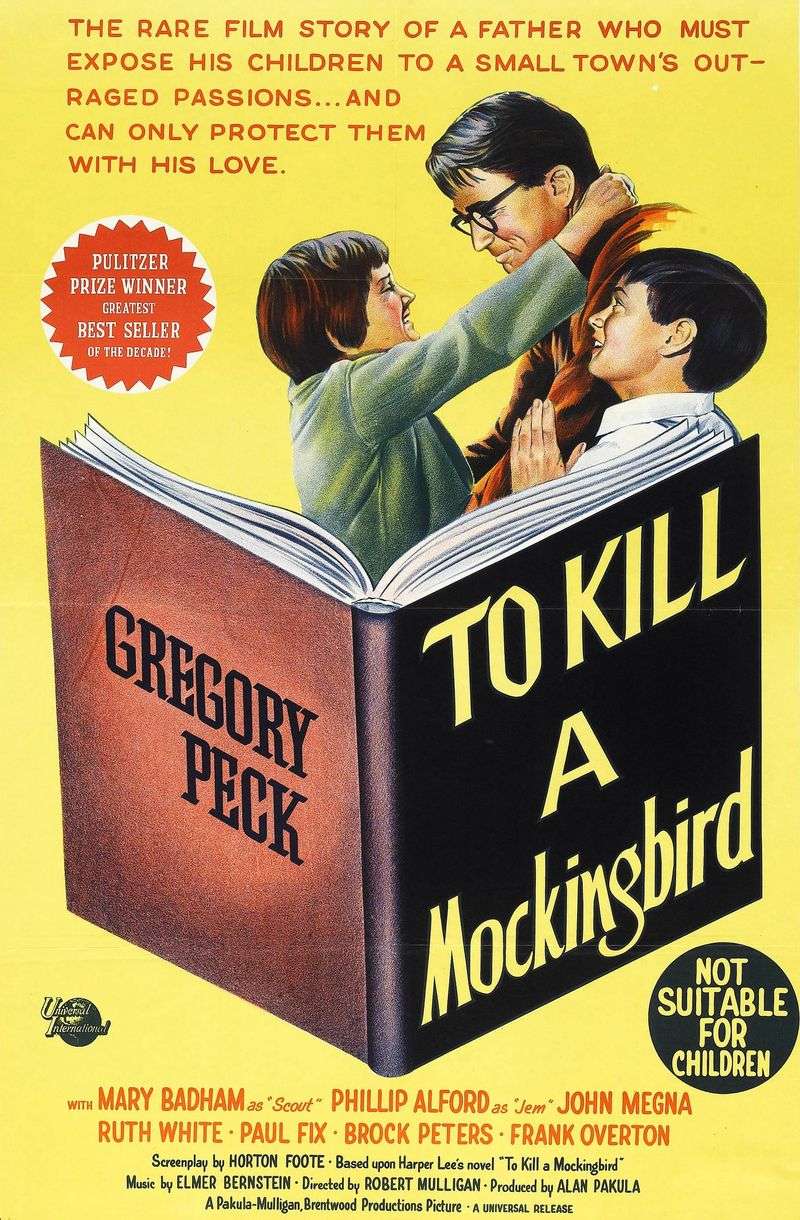
Harper Lee’s beloved novel came to life through this powerful adaptation exploring racial injustice in Depression-era Alabama.
Gregory Peck delivers his career-defining performance as Atticus Finch, the principled lawyer defending a Black man falsely accused of assault.
Young Scout Finch narrates the story, providing a child’s perspective on adult prejudices and moral courage.
The film handles difficult themes with sensitivity while maintaining the book’s essential message about empathy and standing up for what’s right.
Robert Duvall makes his film debut as the mysterious neighbor Boo Radley.
Peck’s closing courtroom speech remains one of cinema’s most moving appeals for justice and human dignity.
11. The Man Who Shot Liberty Valance (1962)

John Ford’s elegiac Western deconstructs frontier mythology through a senator returning to a small town for a funeral decades after a legendary gunfight.
James Stewart plays Ransom Stodd, the man credited with killing notorious outlaw Liberty Valance, while John Wayne portrays Tom Doniphon, the real hero.
The film’s famous line “When the legend becomes fact, print the legend” captures how the American West’s true history got replaced by more appealing myths.
Ford examines how civilization replaced frontier justice, questioning whether progress required sacrificing truth and honor.
The performances from Hollywood legends give weight to this meditation on aging, memory, and historical revisionism.
12. The Wild Bunch (1969)
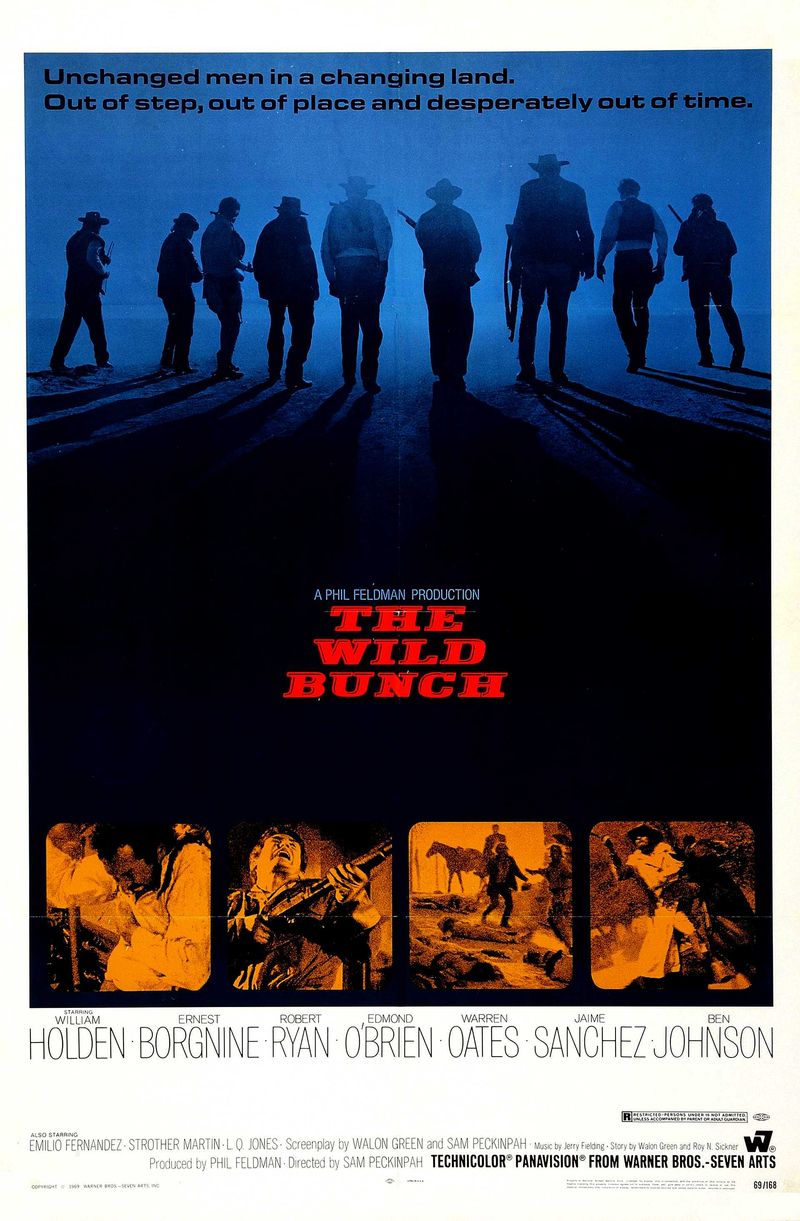
Sam Peckinpah revolutionized Western films with this violent, elegiac story of aging outlaws facing a changing world they no longer understand.
William Holden leads a gang planning one final robbery in 1913 Mexico, where automobiles and machine guns signal the frontier era’s end.
The film’s graphic violence shocked audiences but served Peckinpah’s purpose of showing warfare’s brutal reality rather than glorifying it.
Slow-motion death scenes became Peckinpah’s trademark, creating balletic sequences that emphasized violence’s tragic consequences.
The climactic battle remains one of cinema’s most intense and controversial action sequences.
Beyond bloodshed, the film explores loyalty, honor, and obsolescence with surprising emotional depth.
13. Mary Poppins (1964)
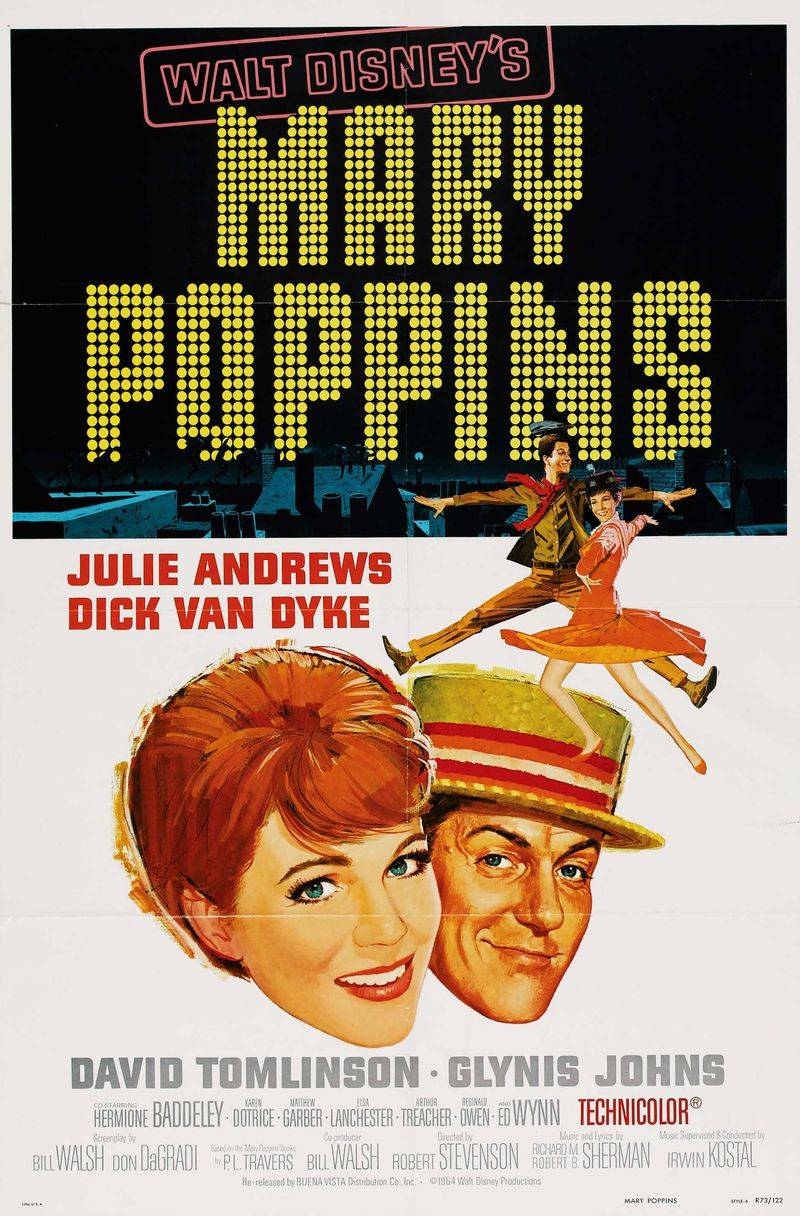
Walt Disney’s magical musical brought P.L. Travers’ beloved nanny to life through Julie Andrews’ enchanting film debut performance.
The practically perfect Mary Poppins arrives at the Banks family home to teach important life lessons through fantastical adventures and unforgettable songs.
Dick Van Dyke’s cheerful chimney sweep Bert provides comic relief despite his questionable Cockney accent becoming legendary for all the wrong reasons.
The groundbreaking combination of live action and animation created memorable sequences like the “Jolly Holiday” cartoon world.
“Supercalifragilisticexpialidocious” and “A Spoonful of Sugar” became part of popular culture.
The film’s themes about family, imagination, and finding joy in everyday life continue resonating with audiences.