 MomSkoop
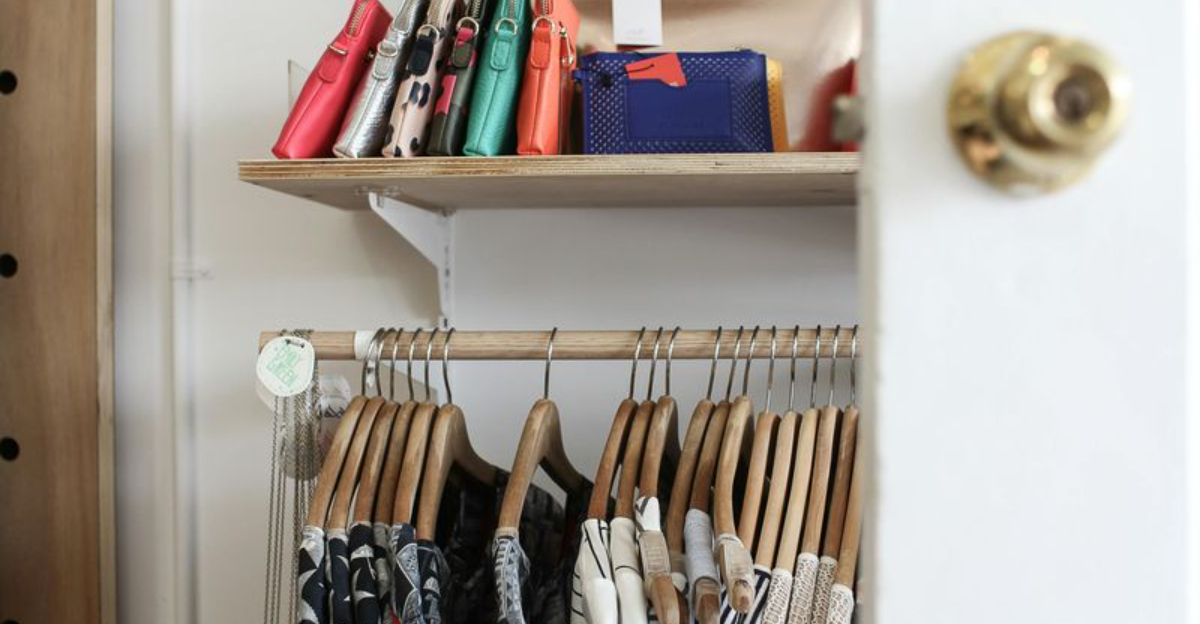
Your bedroom closet should be a peaceful space where you can easily find what you need every morning. But if you’re like most people, it’s probably stuffed with things that don’t really belong there.
Professional organizers have noticed the same clutter patterns in closets everywhere, and they’re ready to share which items are taking up valuable space. Getting rid of these nine common offenders will help you create a more organized, functional closet that actually works for you.
1. Shoes
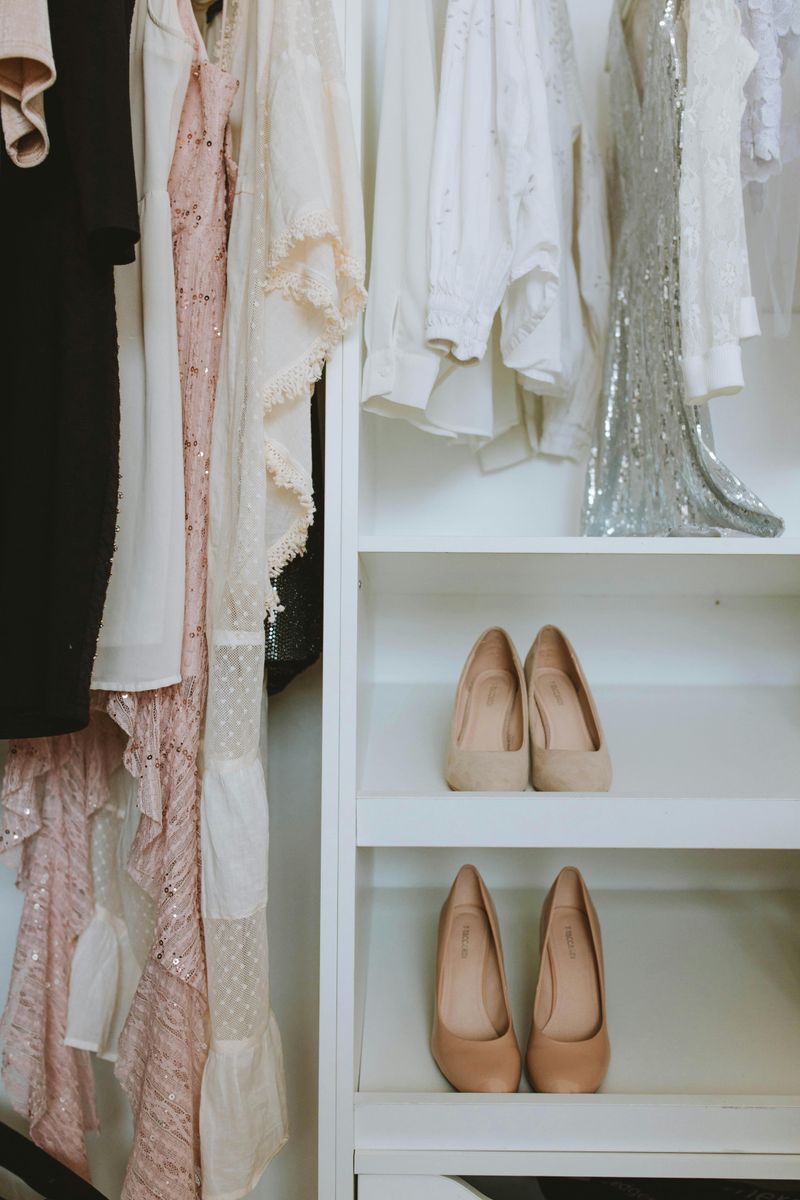
Piling all your footwear in the closet might seem convenient, but organizing pros say it’s actually creating more problems than solutions.
Shoes track in dirt, mud, and bacteria from outside, which then gets transferred onto your clean clothes hanging above them.
The smell from worn shoes can also make your entire closet and clothing smell unpleasant.
Instead of cramping them into your bedroom closet, consider storing shoes near your entryway or in a separate shoe rack.
Keep only the pairs you wear most frequently in your bedroom, and store seasonal or special occasion shoes elsewhere.
This simple change will keep your closet cleaner and make your mornings easier.
2. Food

Stashing snacks between your sweaters is a recipe for disaster that organizing experts strongly warn against.
Food attracts unwanted guests like ants, mice, and other pests that can damage your belongings and create serious hygiene issues.
Even sealed packages can eventually get punctured or opened, leading to crumbs, stains, and odors that are nearly impossible to remove from fabric.
The temperature fluctuations in closets can also cause food to spoil faster than you’d expect.
Chocolate melts, crackers get stale, and forgotten items can grow mold.
Always keep food in the kitchen where it belongs, stored properly in sealed containers and away from your clothing and personal items.
3. Accessories
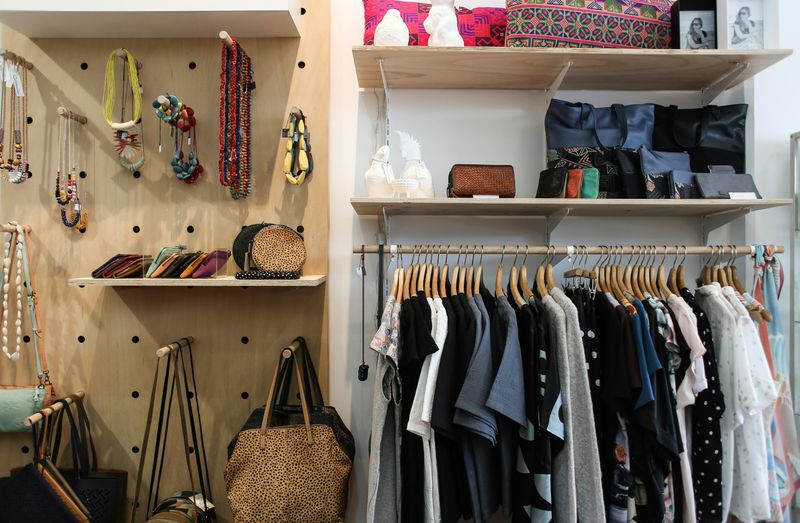
When necklaces become knotted tangles and belts disappear into black holes, your accessories have officially taken over.
Professional organizers see this problem constantly—people dump jewelry, scarves, belts, and hats into their closets without any real system.
This creates frustration every time you’re trying to complete an outfit because nothing is easy to find or use.
Accessories deserve their own dedicated storage solution outside your main closet space.
Try a jewelry organizer on your dresser, hooks on your bedroom wall, or a special drawer with dividers.
When each item has a specific home, you’ll actually wear your accessories more often and take better care of them, too.
4. Handbags
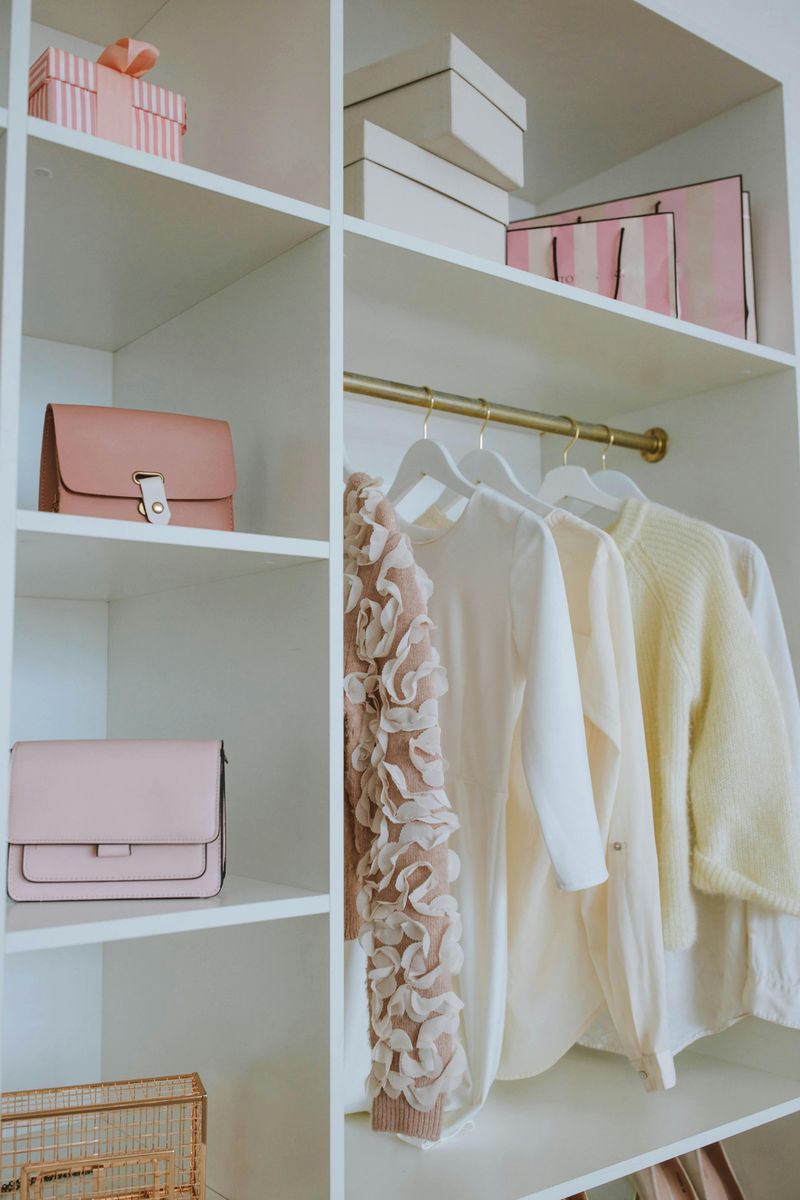
Those expensive purses getting squished at the bottom of your closet are crying out for better treatment.
Handbags need proper storage to maintain their shape and condition, but most bedroom closets don’t provide adequate space for them.
When bags are stacked on top of each other or stuffed into corners, they develop creases, lose their structure, and get damaged.
Organizing experts recommend storing handbags on shelves in a different location where they can stand upright or hang properly.
Some people dedicate a hall closet or spare room shelf to their bag collection.
Stuff purses with tissue paper to help them keep their shape, and always store them where air can circulate around them.
5. Uncontained Beauty Products
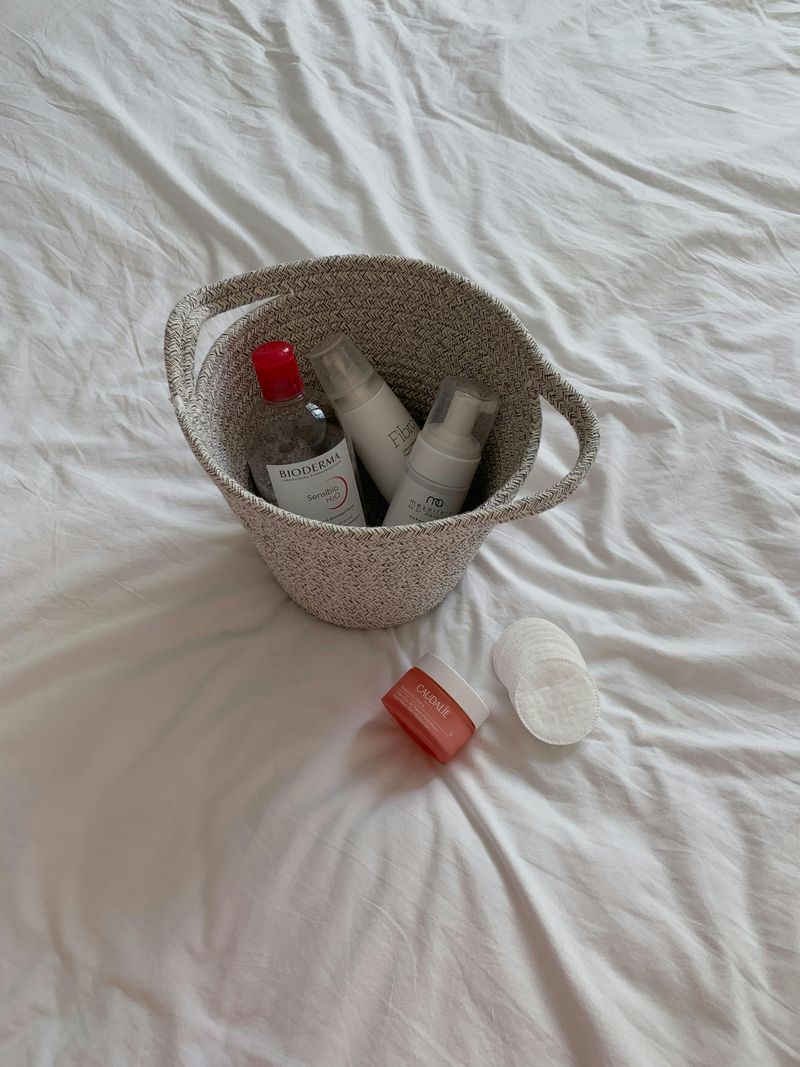
Have you ever discovered a leaky lotion bottle that ruined your favorite sweater?
Beauty products without proper containers are ticking time bombs in your closet, according to organizing professionals.
Makeup can melt in warm closets, nail polish bottles can tip over, and hair products often leak or explode when stored incorrectly.
These products also collect dust and bacteria when left exposed, making them unhygienic to use on your skin.
Plus, rummaging through loose items wastes precious getting-ready time every single morning.
Move all beauty products to your bathroom where they belong, stored in containers or organizers.
Keep your closet for clothing only, and you’ll avoid costly damage and frustrating messes.
6. Clothes You Don’t Wear
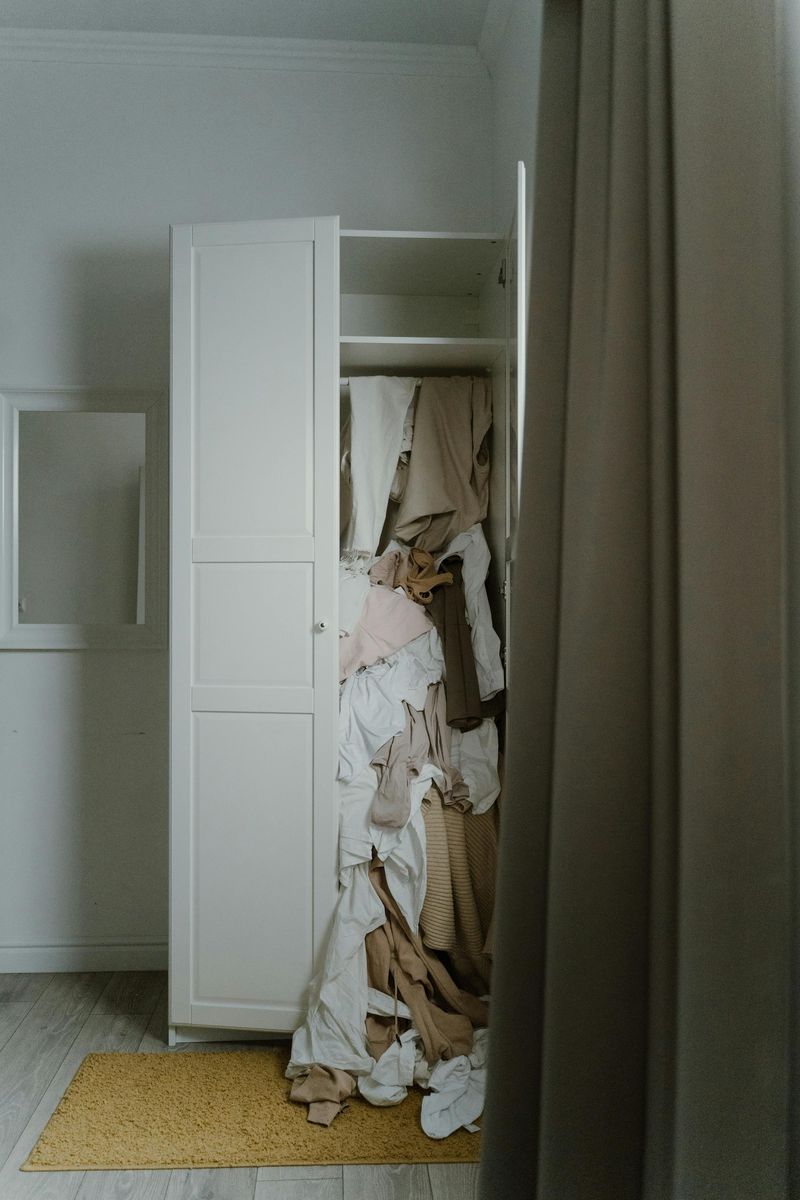
Holding onto that bridesmaid dress from 2010 or jeans that haven’t fit in five years is stealing space from clothes you actually love.
Organizing experts agree that keeping unworn items is one of the biggest closet mistakes people make.
These pieces create visual clutter, make it harder to find what you need, and can even make getting dressed feel overwhelming and stressful.
Be honest with yourself about what you truly wear and what’s just taking up real estate.
If you haven’t worn something in over a year, it’s probably time to donate or sell it.
A closet with only clothes you actually wear becomes a joy to use instead of a source of daily frustration.
7. Dirty Laundry

Tossing yesterday’s outfit onto your closet floor seems harmless, but it’s actually contaminating your entire wardrobe.
Dirty laundry carries sweat, body oils, and odors that transfer to clean clothes hanging nearby.
This habit also attracts dust mites and other allergens that can affect your health and sleep quality.
Professional organizers emphasize keeping dirty and clean items completely separated at all times.
Invest in a proper hamper or laundry basket that lives outside your closet, perhaps in your bathroom or bedroom corner.
Did you know? Studies show that mixing dirty laundry with clean clothes can actually make your fresh clothing smell bad faster, even without direct contact.
8. Outerwear
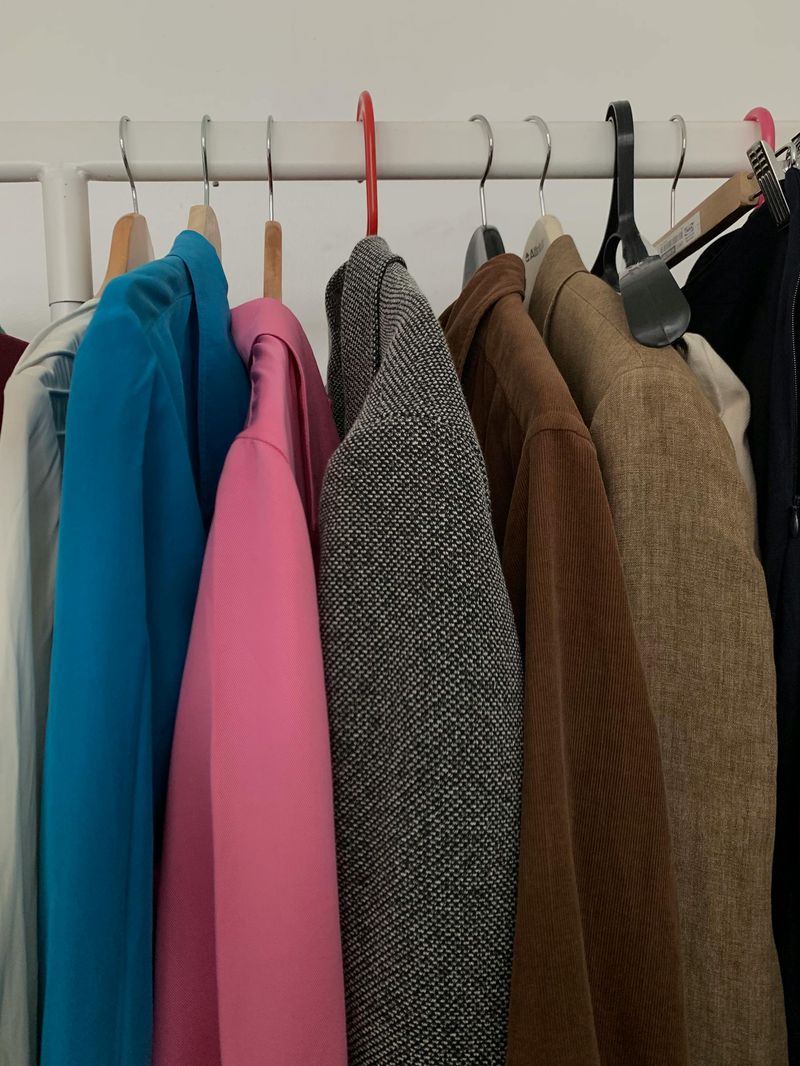
Bulky winter coats and rain jackets are space-hogging monsters that don’t belong in your everyday closet.
These items take up enormous amounts of room that could be used for clothing you wear regularly.
Outerwear also tends to be dirtier than regular clothes since it’s exposed to outdoor elements, and it can bring moisture into your closet that promotes mildew growth.
Experts suggest storing coats in an entryway closet, mudroom, or hall closet where they’re accessible when you’re heading out the door.
This placement is actually more practical since you won’t have to trek to your bedroom every time you leave home.
Keep only your current season’s lightest jacket in the bedroom if needed.
9. A Jumble of Items
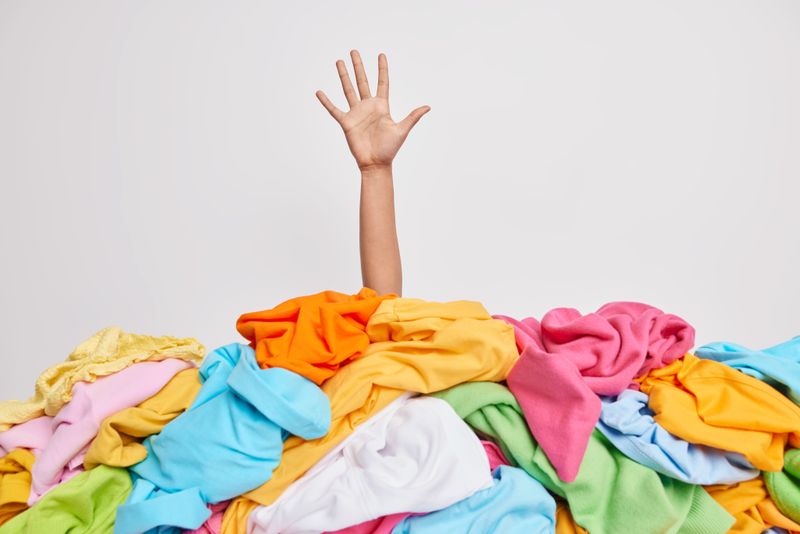
When your closet becomes a catch-all for everything that doesn’t have a home, you’ve lost the battle for organization.
Random items like old electronics, books, toys, office supplies, and forgotten knickknacks turn your closet into a junk drawer on steroids.
This randomness makes it impossible to find anything quickly and wastes the valuable space meant for your clothing.
Organizing professionals recommend the one-category rule: closets should only contain items from one category, preferably just clothing and maybe shoes.
Everything else needs its own designated storage spot elsewhere in your home.
Take an afternoon to remove all non-clothing items, and you’ll be amazed at how much space you actually have.